
Africa: water, a key issue for development, peace and stability
Africa Day on 25 May is an opportunity to reiterate the importance of water for human development, peace and stability. On this occasion, the Swiss Agency for Development and Cooperation (SDC) is presenting an overview of its activities in Sudan, the Democratic Republic of the Congo (DRC) and Chad, as well as its Blue Peace water diplomacy initiative.
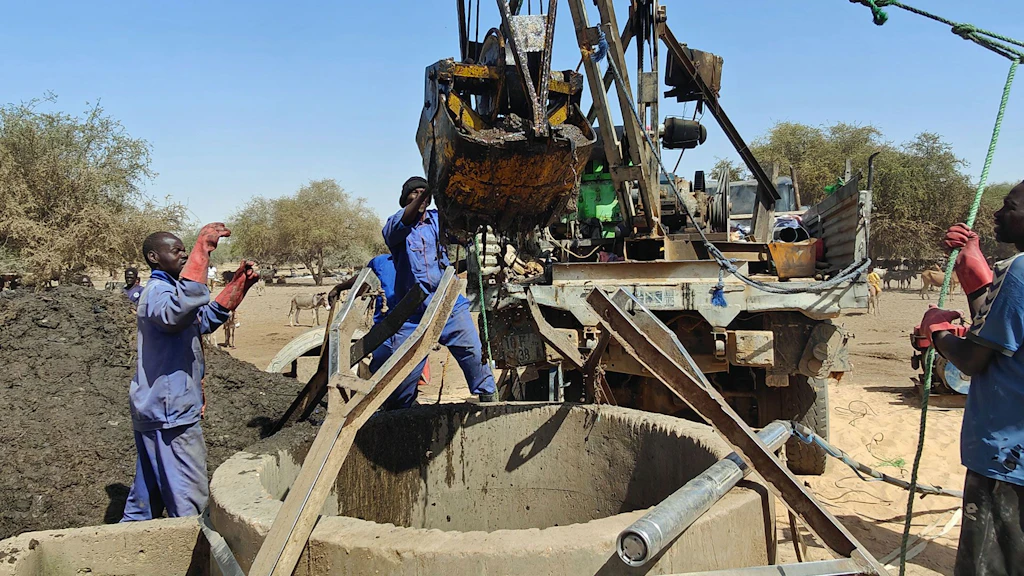
“Restoring access to safe drinking water, basic sanitation and hygiene is a vital emergency intervention and a cornerstone of disease prevention in crisis situations,” says Mirjam Sick, a WASH specialist working for the WHO in Sudan.
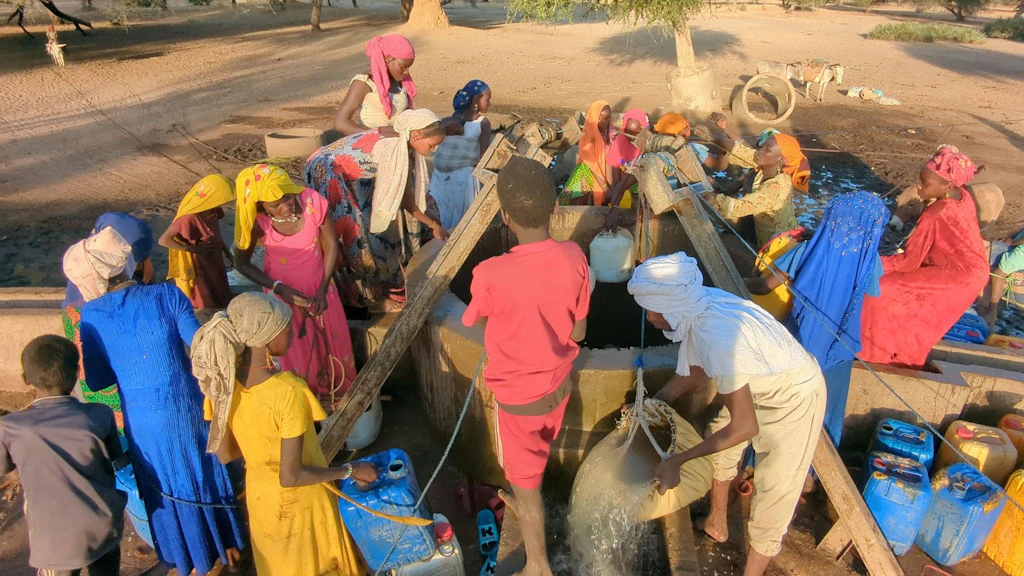
Beyond crisis situations, access to water remains a challenge in many African countries. In 2026, more than one in three people in Africa still do not have access to a basic drinking water service, with sub-Saharan Africa the worst affected. Between population growth, rapid urbanisation, climate change and conflicts, the pressure on water resources is intensifying. In countries affected by conflict or prolonged crisis, infrastructure is weakened or even destroyed, and basic services are severely limited.
The population pays a heavy price, affected by the spread of disease, food insecurity, loss of livelihoods and forced displacement. In fragile regions such as the Sahel and the Horn of Africa, water scarcity adds to existing tensions. Women and girls pay the highest price, spending hours collecting water, often to the detriment of their education and economic independence.
Chosen by the African Union as its theme for 2026, water remains a key issue for human development, peace and stability. Africa Day on 25 May is an opportunity to remind ourselves of this.
Switzerland, which has extensive experience in water management, is involved at several levels through the SDC. From projects in the field to water diplomacy initiatives such as Blue Peace, it supports innovative, concrete, sustainable solutions that benefit local populations, while drawing on Swiss and international expertise. Below are a few examples.
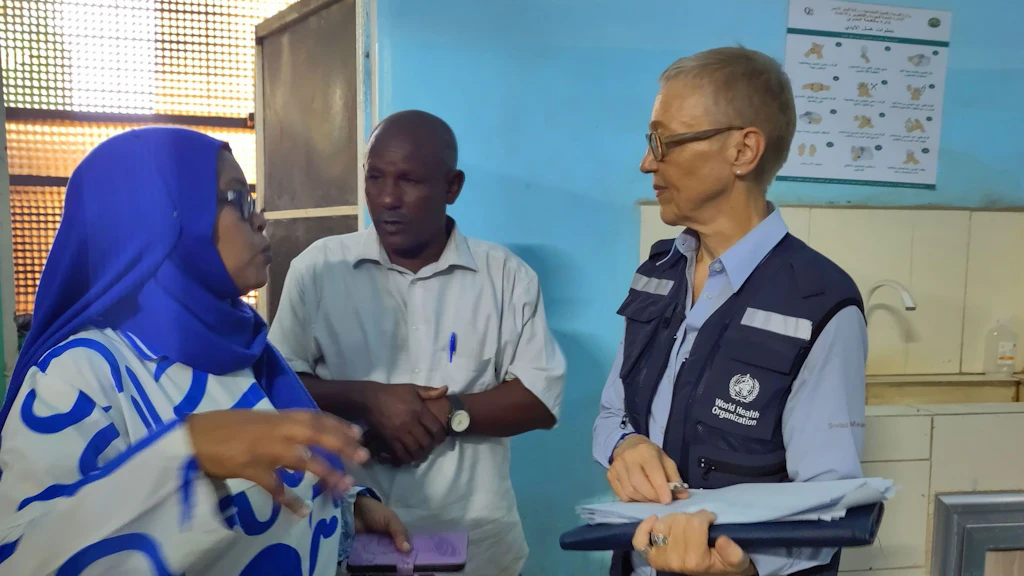
Mirjam, can you tell us about your work?
I work as a WASH officer for the WHO at their country office in Port Sudan. Water, sanitation and hygiene (WASH) are part of the WHO's mandate to prevent and control infections, because many diseases such as cholera are linked to contaminated water, inadequate sanitation and poor hygiene practices. In addition, open bodies of water can become breeding grounds for mosquitoes that carry diseases such as malaria and dengue fever, while poor waste management encourages the proliferation of pathogenic micro-organisms.
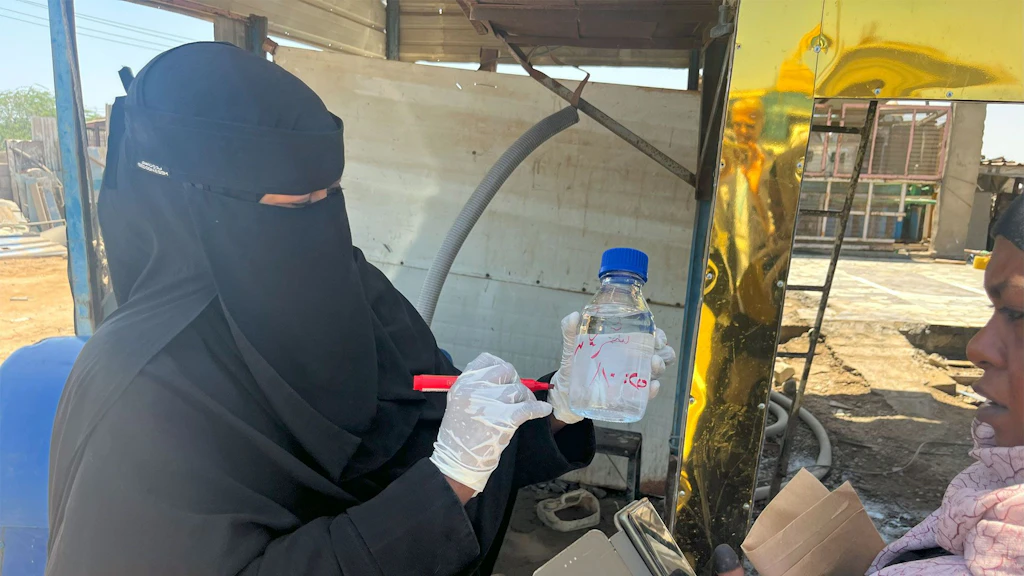
My work focuses on monitoring water quality to ensure safe drinking water, and WASH-related matters in health facilities. I carry out field visits to water points and health centres to assess conditions, identify risks and help implement practical solutions. Working with ministries of health and WHO colleagues, we assess water supply systems and sanitation facilities, take samples and have them analysed in the lab. I also support the development of regulations and procedures for water safety and quality monitoring.
What challenges do you face?
The main challenge lies in the scale of the needs. There's so much to do and resources are limited. Visits by the authorities are rare, due to a lack of resources for staff, transport, fuel and basic running costs. Nor is there any investment in water infrastructure or its maintenance. Added to this is a lack of control over hygiene measures and limited enforcement of regulations.
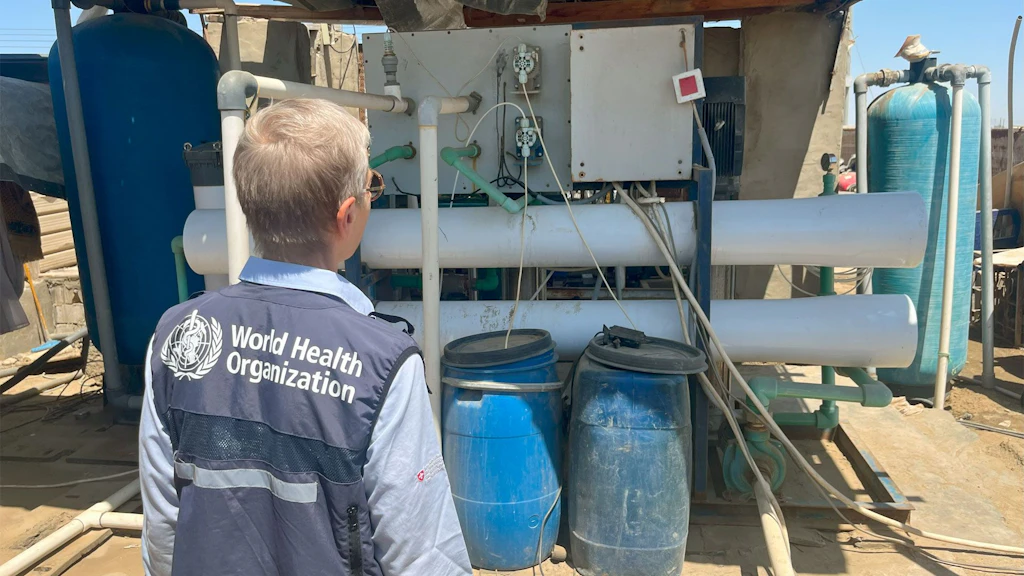
Let me give you an example: during a visit to a water desalination plant in Port Sudan, we assessed the water sold by private operators with state licences. Although they have the necessary equipment (generators, pumps, filters, chlorination units, etc.), we observed poor hygiene practices, an unsanitary environment and open-air drilling, exposing the water to contamination – problems that can in fact be resolved without additional financial resources.
The massive influx of displaced people has made the situation worse, sharply increasing demand for water and exacerbating the shortage. What I am describing for Port Sudan reflects the situation in many parts of the country and is even more serious in the camps. “Providing sufficient drinking water is the absolute priority.”
What is the current situation and how are you adapting your work to the urgent needs of the population?
The current situation presents an extremely high risk of epidemics of water-borne diseases linked to inadequate sanitation and hygiene. On the basis of a risk assessment carried out with the WHO health team, we have sought funding from organisations and donors to step up water quality monitoring and the distribution of chlorine for water disinfection, both at household level and in treatment and distribution systems. The timing is all the more critical as the rainy season approaches, increasing the risk of rapid transmission of disease, particularly cholera and dengue fever.
The institutions and technical staff are present and committed, but as I mentioned, the country is suffering from a serious lack of funding and is not in a position to deal with the scale of the crisis with the resources currently available. In this context, we are adapting our action to support people locally so that they can survive in extremely difficult conditions.
In practical terms, what happens when access to water and sanitation is lacking in a crisis situation?
The consequences are immediate and often devastating. People are forced to resort to contaminated water sources such as surface water, unsafe wells or water shared with animals. The lack of sanitation means that excrement is not properly contained, allowing bacteria to spread rapidly through water and food. Inadequate hygiene, particularly the inability to wash hands with soap, accelerates the transmission of disease.
In overcrowded environments such as IDP camps, these risks are multiplied: a single source of contaminated water or an area of open defecation can quickly trigger epidemics, particularly of cholera, acute diarrhoea and typhoid. Among children under the age of five, diarrhoeal diseases are one of the main causes of death. Diarrhoea also contributes to acute malnutrition, creating a potentially fatal vicious circle in already vulnerable populations. Hepatitis E, which is particularly dangerous in Sudan, is especially fatal for pregnant women.
Sanitation and hygiene are therefore essential to prevention, especially as the risk of polio is worrying due to population movements and falling vaccination coverage. Restoring access to drinking water, basic sanitation and hygiene is a vital emergency intervention and a cornerstone of disease prevention in crisis situations.
Links
Contact
Eichenweg 5
3003 Bern