

Switzerland is working alongside local actors in Somalia
Located in the Horn of Africa, Somalia is at the heart of a region characterised by political instability, a lack of security, climate shocks and forced displacement. These crises undermine livelihoods and exacerbate food insecurity. Through its 2026–29 cooperation programme, Switzerland is working to strengthen the resilience and prospects of vulnerable populations by supporting local stakeholders and promoting access to services, socio-economic integration and protection of the rights of displaced persons, thus contributing to stability in the wider region.
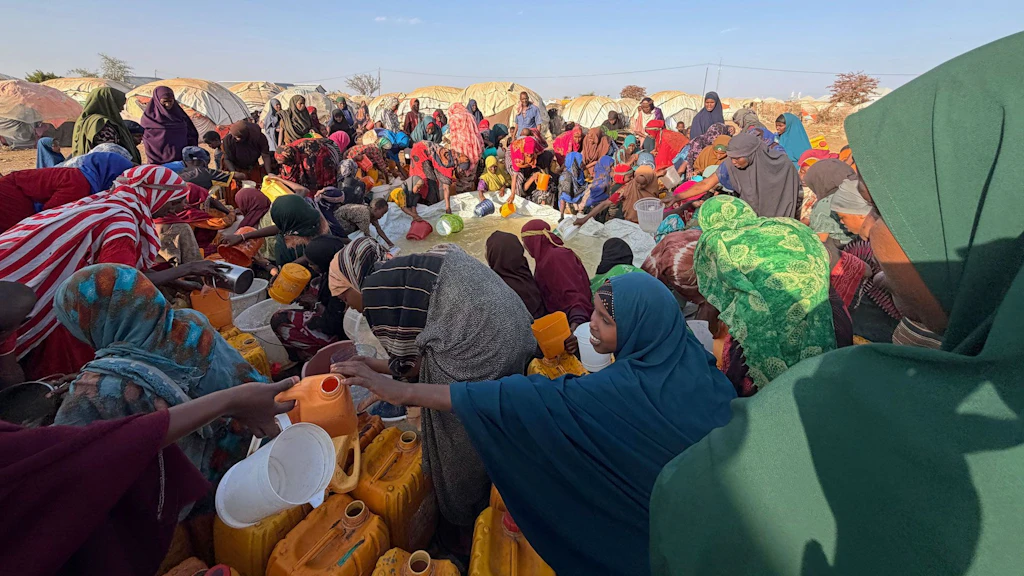
Somalia is one of the world's poorest and most fragile countries. It ranks 192nd out of 193 countries in the UN's Human Development Index. Its location in the Horn of Africa is of considerable geostrategic significance in a region facing major security, economic and humanitarian challenges. The impact of recurring conflicts and climate shocks remain significant: out of a population of nearly 20 million, more than 4 million people are internally displaced. The crises affecting Somalia and the region – including political instability, food insecurity and forced displacement – have repercussions far beyond national borders. Switzerland has a strategic interest in promoting a more stable Somalia that is better equipped to cope with various shocks, in order to contribute to regional peace and stability, the protection of vulnerable populations and the safeguarding of vital international trade routes.
Between fragilities and prospects
Somalia's challenges may be numerous and complex, but they are not the full picture. More than one in three Somalis is under 30, creating potential in innovation, entrepreneurship and digital transformation as is made evident by the increasing use of mobile technologies, notably in digital payment services.
Somalia's institutions are still being built up after decades of conflict and instability. The establishment of national and local institutions, the organisation of elections at various levels and the adoption of a constitution in March 2026 are signs of progress, even if still fragile.
Major gender inequalities persist: violence against women remains high and they are underrepresented in the public space, despite playing a key role at the heart of their communities. Their participation is nevertheless vital in building a more inclusive and peaceful society and developing the national economy.
Somalia has an emerging market economy and a dynamic local private sector. Some 80% of the population depend on agriculture and livestock farming with a significant potential for innovation, although these sectors remain highly vulnerable to climate fluctuations and limited by a lack of investment.
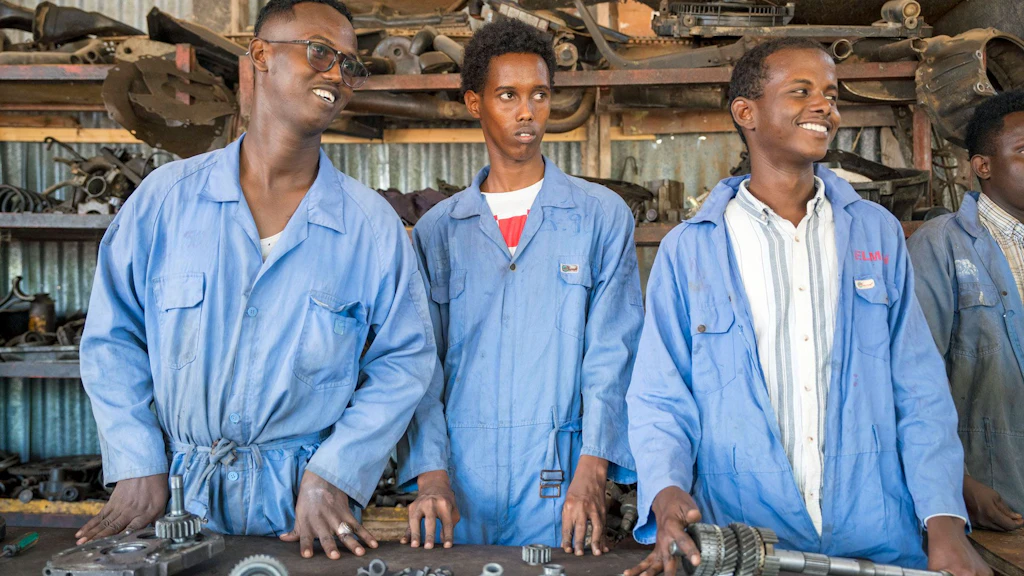
Supporting local actors to achieve lasting change
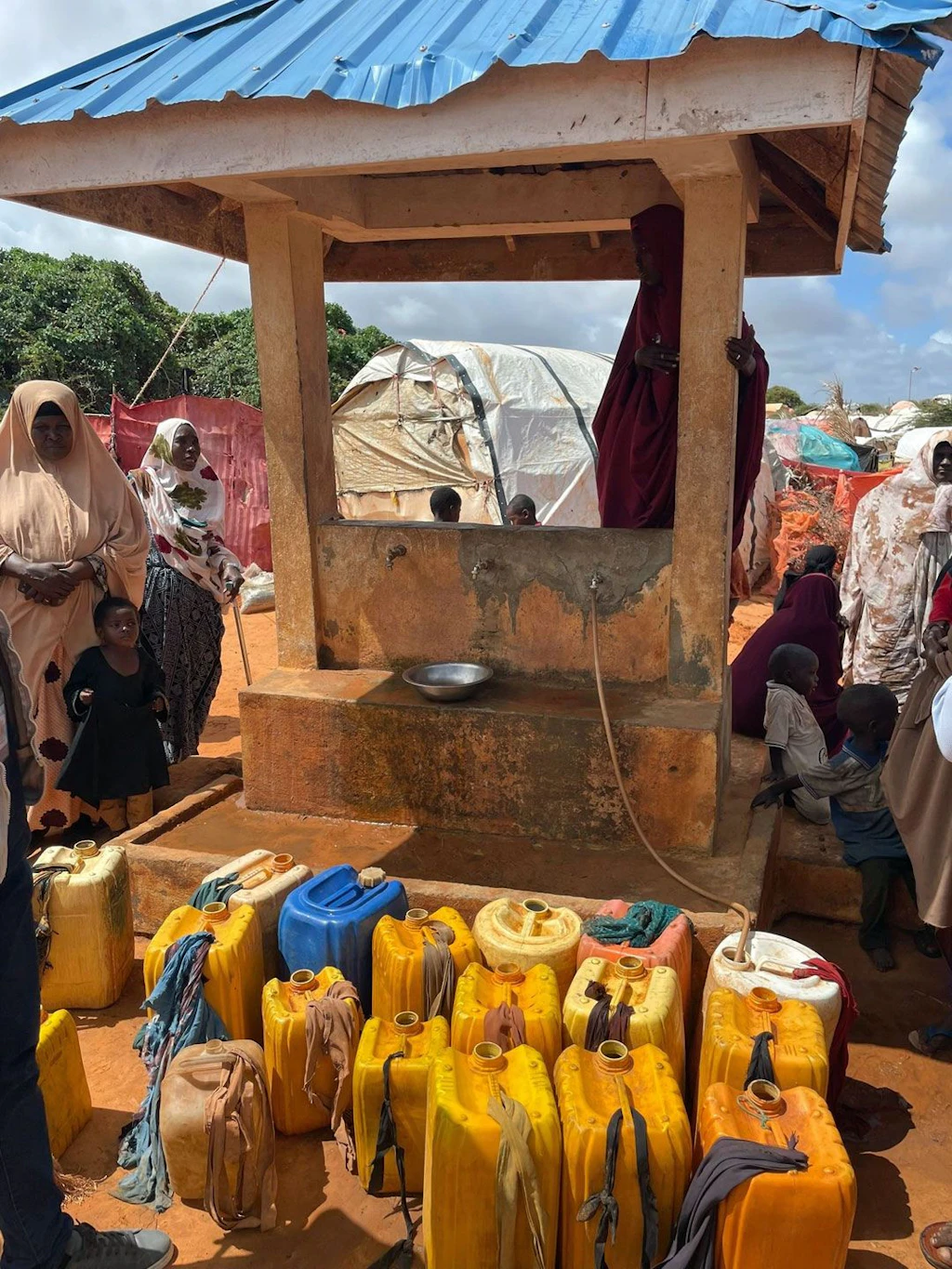
In particular, the programme supports local platforms for dialogue, the inclusion of marginalised groups, private sector development and the financing of SMEs. It also supports sustainable agropastoralism and access to clean energy.
In Somalia, Switzerland responds to urgent humanitarian needs while supporting socio-economic development and social cohesion in the longer term. It contributes to improved access to essential services, particularly in the areas of water and maternal and child health, and supports the protection and inclusion of displaced people. Women's empowerment and participation are key focus areas. Switzerland has supported 177 businesses led by women in conflict-affected areas, enabling them to strengthen their economic independence and inspire other young women to play an active role in society.
To carry out its programme, Switzerland increasingly relies on local partners and supports capacity-building initiatives to ensure that action taken is sustainable and improves the prospects of the most vulnerable people, particularly displaced persons.
Beyond Somalia, this commitment also has regional implications: a more stable Somalia that is better equipped to cope with crises and contributes to stability in the Horn of Africa.
What impact does Swiss support have in the Horn of Africa?
Facts and figures from projects (co-)funded by Switzerland under the 2022–25 regional cooperation programme for the Horn of Africa (Somalia, Ethiopia, Kenya):
Health
- More than 270,000 people (56% women) benefited from improved access to healthcare in 2025
- Nearly 8,100 births were attended by qualified healthcare professionals in Somalia in 2025
- A cross-border surveillance and response system enables better detection of diseases that can be transmitted between animals and humans
Food security
- Nearly 220,000 people (42% women) have benefited from climate change adaptation measures
- More than 3,800 smallholder farmers and livestock farmers have gained better access to water and irrigation in Somalia and Ethiopia
- More than 4,600 small-scale producers have increased their income, nearly 50% of them women
Migration and protection
- 1.8 million displaced persons and refugees have benefited from protection measures
- More than 950 jobs have been created in refugee camps in Kenya and USD 7.8 million in co-investment from the private sector has been mobilised
- More than 50,000 land titles have been issued to displaced people, 50% of them women, contributing to their socio-economic integration
Peace and local governance
- A system of fiscal federalism has been established in Somalia, drawing on Swiss expertise from the University of Fribourg
- Switzerland has supported nearly 300 community platforms and civil society initiatives that contribute to conflict prevention and reduction, as well as to strengthening social cohesion
- 177 SMEs led by women have benefited from microloans in areas recaptured from Al-Shabaab
- In the first direct elections at local level in the state of Puntland, 50% of voters and 27% of those elected were women
Links
Contact
Eichenweg 5
3003 Bern