
After cyclone Melissa: shelters built with Swiss support have helped protect hundreds of people in Haiti's south
At the end of October 2025, Hurricane Melissa, one of the most destructive tropical storms ever recorded in the Atlantic, caused severe flooding and extensive damage to infrastructure in Haiti, Jamaica and Cuba.
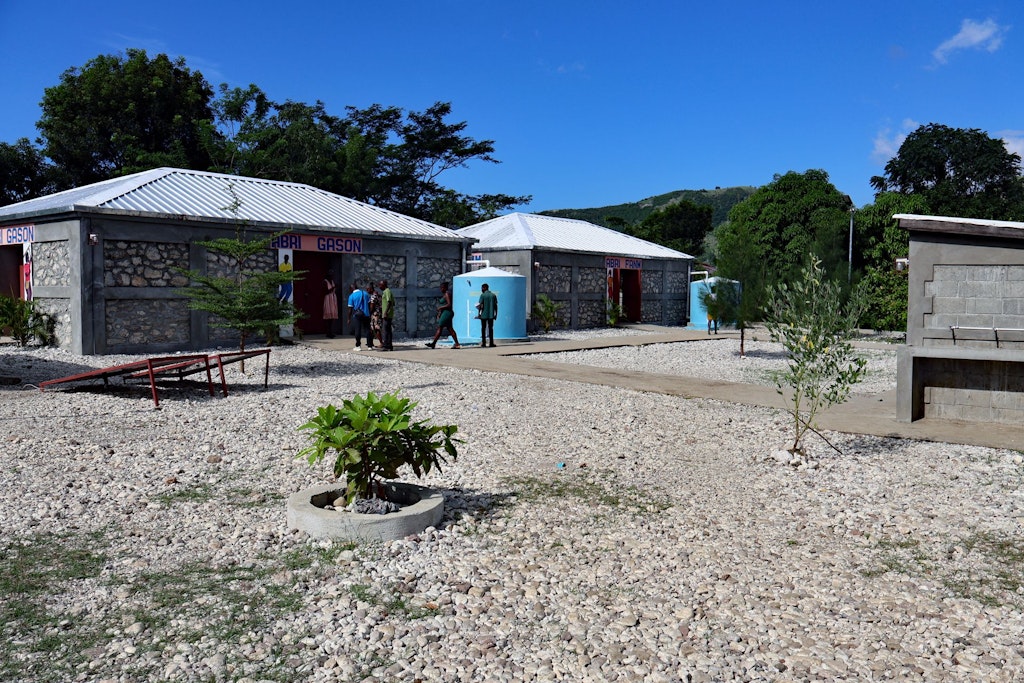
In Despas and Sentinèl in Haiti's South Department, multi-purpose shelters funded by Swiss cooperation have proved vital in protecting hundreds of vulnerable people. Nearly 300 residents in these rural areas were able to find refuge in these reinforced shelters built under Switzerland's disaster risk reduction (DRR) programme.
Action facilitated by specially designed infrastructure
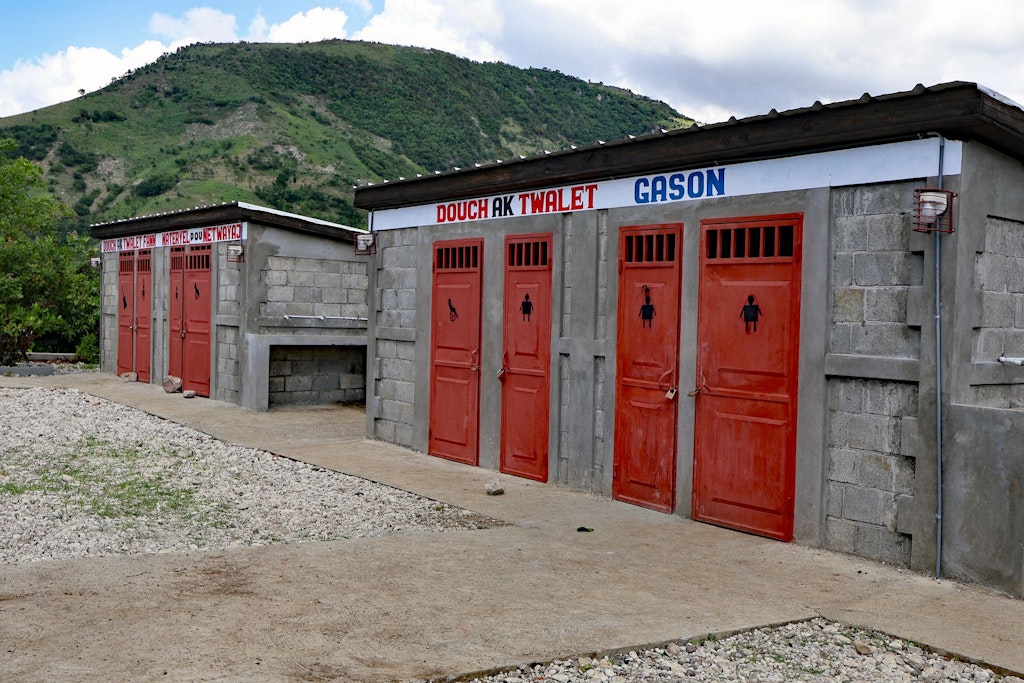
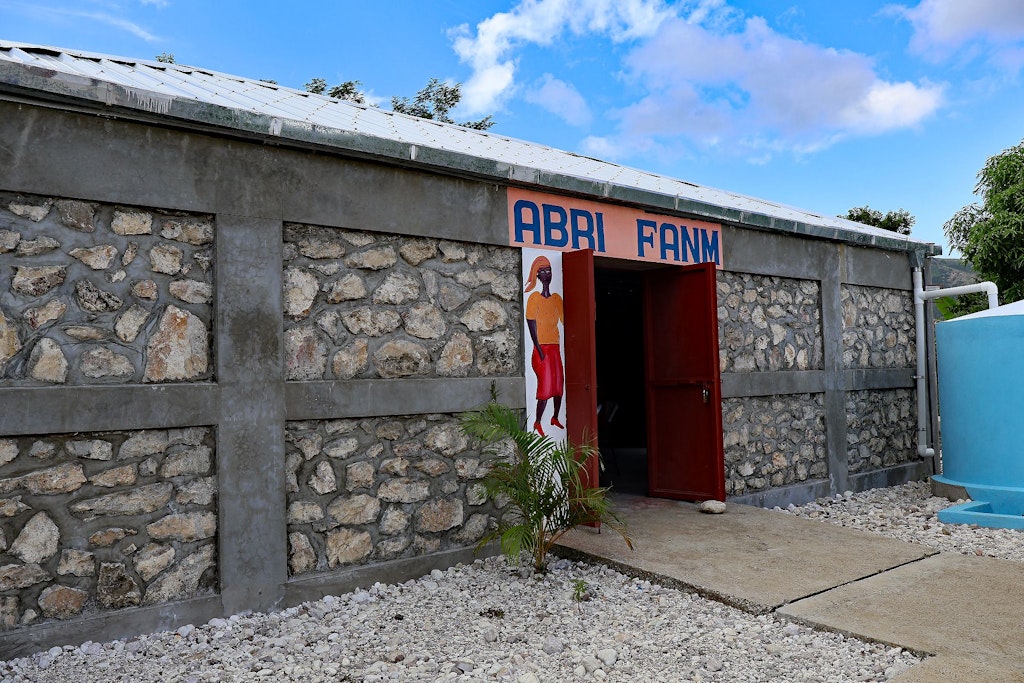
The shelters are designed to meet the specific needs of rural communities exposed to natural hazards. They also include sanitary facilities and separate modules for women and children and for men to ensure safety, dignity and protection. If there is severe weather, the shelters' reinforced structure means people can stay inside for several days.
During Hurricane Melissa, this proved essential: families were able to stay inside for up to eight days, when heavy rain and rising rivers prevented them from returning home.
Sentinèl: nearly 300 people housed at community shelter
In Sentinèl, the SDC-funded shelter received around 300 people including women, children and the elderly.
The chair of the Communal Section Board (CASEC), Roselène Laurole, stated “our community would have been much more exposed without the shelter. The rain was severe and it was impossible to travel. This shelter helped us save lives and provide good conditions for entire families.”
Local women's organisations took charge of most of the coordination work, such as registering people, welcoming families, organising meals, identifying vulnerable cases and monitoring high-risk areas.
Despas: the shelter as primary protection space
The SDC-funded shelter in neighbouring Despas was also able to accommodate hundreds of families. Among them were Marie Claire Sénatus, who has reduced mobility, and her sister, who also has physical limitations. Thanks to the early warning messages, they were able to reach the shelter in time.
“We were among the first to arrive,” says Marie Claire. “Without the early warnings, or this shelter to come to, we wouldn't have been able to get out in time – the rivers were already starting to rise.”
Enhanced warning system
The effectiveness of the community response was mainly thanks to the GÉRER-SUD project to manage risks and resources in the country's south. The project, which was launched in September 2025 by the SDC, aims to improve preparedness and communication in the event of natural disasters.
Several young volunteers have already been trained, including Christine, a young woman in her twenties. Christine played a crucial role during the cyclone, travelling around the community during the severe rains to issue the successive alerts (yellow, orange, then red) and help the local civil protection team put up warning flags.
Thanks to her efforts, many families were able to see the danger and get to the shelters in time.
Only one death reported despite the scale of the storms
Thanks to community mobilisation and availability of infrastructure, neither Despas nor Sentinèl suffered any loss of life as a direct result of the bad weather.
The one death that was reported concerned a man who left the shelter during a lull and was swept away by a surging river on his way home.
This case highlights how vital it is to comply with safety instructions as well as the need to raise awareness of the unpredictability of weather phenomena.
Devastating impact on livelihoods
Although people's lives were protected, the economic impact of Hurricane Melissa is still far-reaching. Both Despas and Sentinèl are facing major agricultural losses (bananas, maize, beans, manioc). A number of livestock (goats, pigs, poultry) have also died or disappeared, and the waterlogged soil is jeopardising future crops.
For rural communities dependent on farming, such losses are a major shock. Local women's organisations are mobilising to draw up an accurate assessment on the ground and support agricultural recovery.
Swiss cooperation in Haiti
In southern Haiti, Swiss cooperation has been supporting climate resilience and the protection of rural communities for a number of years. It aims to reduce the loss of human life and protect livelihoods through emergency shelters, early warning systems and local capacity-building.
Hurricane Melissa demonstrates the value and relevance of these actions. Thanks to GÉRER-SUD's multi-purpose shelters and communication system, a human catastrophe was prevented.
To address the new and urgent post-cyclone needs of the local communities, Swiss cooperation, in collaboration with the authorities and communities, has launched an emergency response in the South Department focusing on loss of livelihoods as well as damage to drinking water supply systems and community infrastructure.
Against the backdrop of deepening fragility in Haiti, Switzerland will continue to work on building resilience to natural hazards alongside local authorities, community organisations and national partners.
Contact
Eichenweg 5
3003 Bern