
Albania
Since the end of the communist dictatorship, Albania has made progress in its transition to democracy and a competitive market economy. Switzerland supports this transition with the aim of strengthening European integration. This support extends to local governance, economic development, health, urban infrastructure and energy.
Context Albania
Since the end of the communist dictatorship, Albania has made progress in its transition to democracy and the development of a competitive market economy. Several reforms have been implemented, notably in the areas of land administration, civil service, public finance, energy and the judiciary. In 2014, Albania was granted candidate status for the European Union (EU) and membership negotiations were proposed two years later. However, challenges such as corruption, organised crime, poverty and unemployment, particularly in rural areas, remain. Switzerland’s priorities focus on stability, the building of a democratic state and prosperity – areas in which Switzerland can offer its expertise and targeted support.
Democratisation, decentralisation and local governance
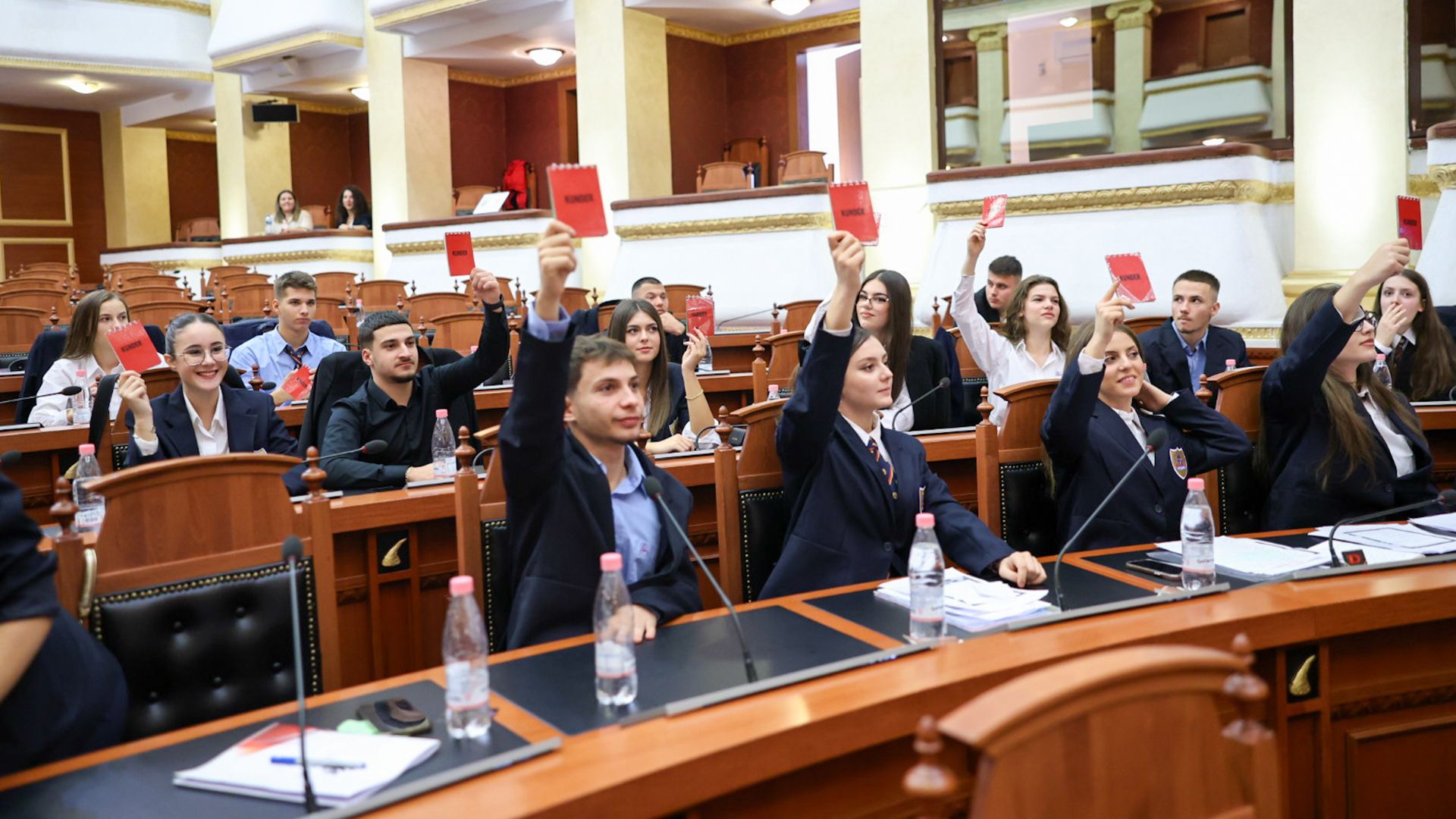
Drawing on its expertise, Switzerland supports institutional reforms and promotes democratisation and decentralisation processes. It promotes regional development, works to strengthen the effectiveness and services of local authorities, and encourages the participation of civil society in local decision-making processes. Switzerland strengthens parliamentary oversight of the executive, both at the local and national levels, and works to ensure that access to public services is guaranteed for all citizens, including marginalised groups such as the Roma, who face discrimination.
Economic development and infrastructure
Switzerland is committed to sustainable and inclusive growth. Its support for improving public financial management, monetary policy and financial sector supervision helps to stabilise the macroeconomic situation. Through targeted measures, it is improving the business environment and access to markets, thereby creating jobs. In particular, it is promoting modern vocational training to prepare young Albanians for the demands of the labour market.
By strengthening institutions and increasing local investment, Switzerland aims to improve access to public services. It also supports energy efficiency and the improvement of urban infrastructure, particularly in the areas of drinking water supply, sanitation and waste collection. It is also helping Albania to diversify its energy sources to ensure an efficient and reliable supply.
Health
Based on Albania’s national health strategy for 2021-2030, Switzerland is supporting the strengthening of basic health services. It encourages national reforms, improves the management and equipment of care centres, and promotes continuing education and training for care staff. It also supports reforms aimed at preventing non-communicable diseases, raising public awareness of health issues, and ensuring accountability for health care providers.
Approach and main partners
Switzerland’s commitment is implemented through an interdepartmental approach by the SDC and the State Secretariat for Economic Affairs (SECO).
Switzerland’s main partners in Albania are:
- National partners: ministries, municipal and local authorities, socio-professional organisations, the private sector, and local non-governmental organisations (NGOs);
- Swiss NGOs: Helvetas, Swisscontact, the Swiss Tropical and Public Health Institute, Save the Children;
- Bilateral and multilateral partners: Germany (through the German Agency for International Cooperation, GIZ), Austria (through the Austrian Development Agency, ADA), Sweden, the European Bank for Reconstruction and Development (EBRD), the EU, the Council of Europe, the Organization for Security and Co-operation in Europe (OSCE), the United Nations (UN), the World Bank Group, and the World Health Organisation (WHO).
Links
Documents
Swiss cooperation programme Albania 2022–2025
Switzerland has been supporting Albania’s political, social and economic transition since 1992, having established diplomatic relations in 1970. Today, Switzerland ranks among Albania’s largest bilateral cooperation partners.
Information sheet Swiss Neighbourhood Partnerships in the Western Balkans
Contact
Eichenweg 5
3003 Bern