
Bangladesh
In Bangladesh, Switzerland is actively engaged in sustainable economic and social development and creating better income and marketing opportunities for SMEs. It promotes the rights and participation of minorities and provides important services for refugees and migrants and other particularly vulnerable groups. It also focuses on combating climate change and mitigating its impact.
Background: Bangladesh
In recent years, Bangladesh has achieved significant economic growth and made remarkable progress in poverty reduction. The country should soon move out of the category of least developed countries, although it continues to face challenges at a political and economic level. Scarce resources and the negative effects of climate change are increasingly impacting on daily life.
Swiss development cooperation aims to help Bangladesh become a more prosperous, fair and resilient society. Within the framework of the Swiss cooperation programme for Bangladesh 2026–28, it aims to promote economic resilience, improve access to basic services for disadvantaged communities, address climate and disaster risks, and work towards humane long-term solutions for Rohingya refugees.
Economic development
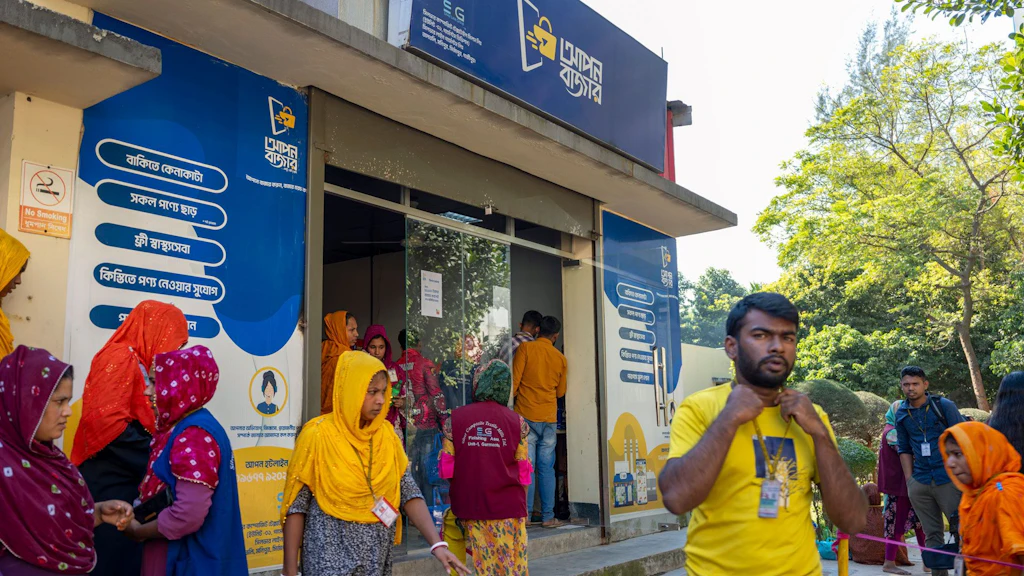
Switzerland is increasingly focusing its efforts on improving economic fundamentals. It promotes climate-resilient, eco-friendly and inclusive private sector engagement in the agriculture, small-business and service sectors. Switzerland's activities in Bangladesh also encompass trade facilitation and SECO's support for the financial sector.
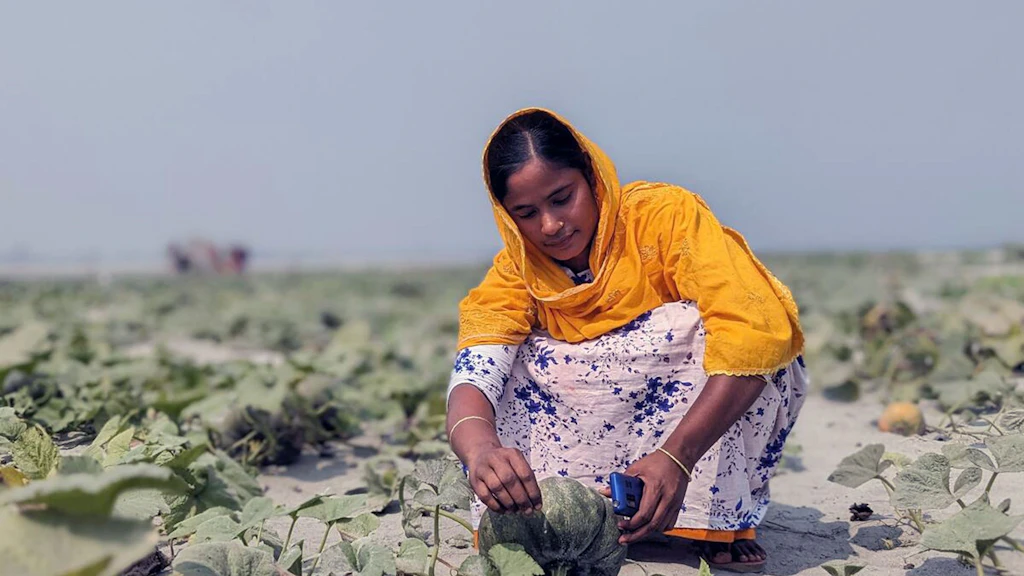
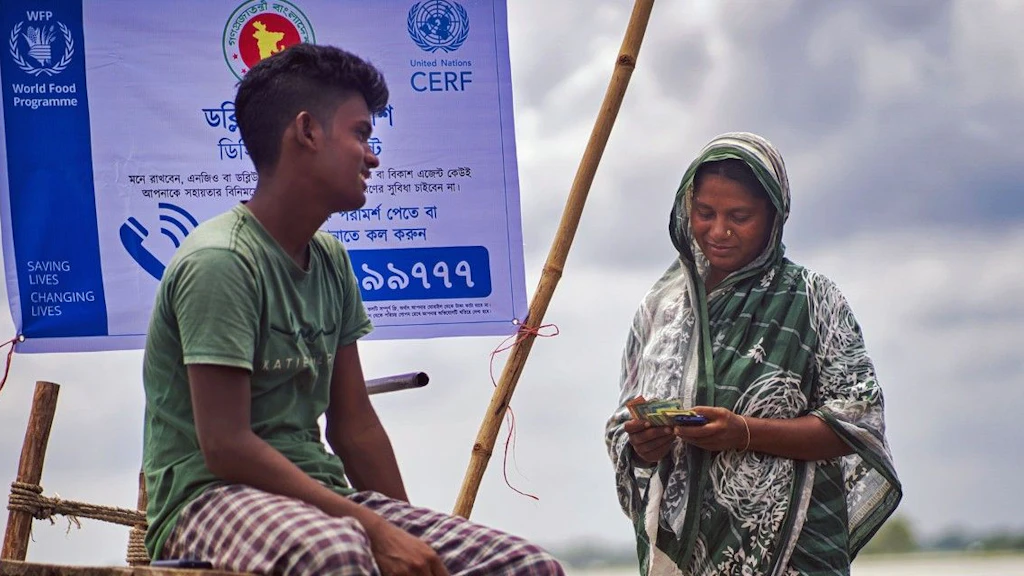
A new focus area in Bangladesh is in the impact investing ecosystem, which has mobilised considerable private capital and improved the livelihoods of thousands of people on low incomes. On the erosion-prone river islands, Swiss support has increased the income of smallholder farms and strengthened their resilience to climate shocks. Switzerland has also supported important financial sector reforms to make Bangladesh's economy more inclusive, transparent and sustainable.
Democratic governance
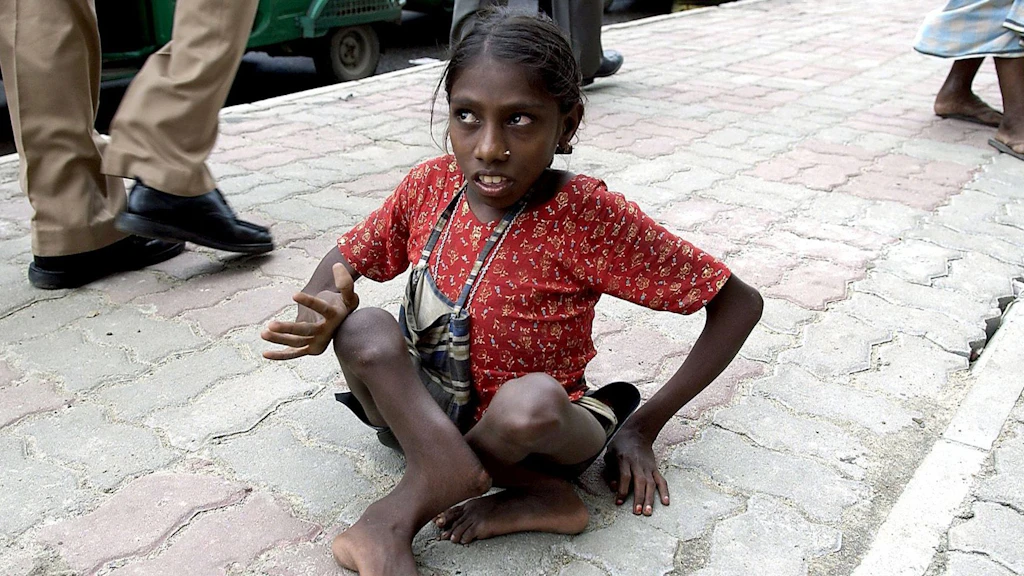
The rule of law and good governance are essential for democracy and political participation. Switzerland supports the development of a democratic society, human rights and good basic services. This includes targeted social protection for particularly vulnerable communities, ensuring no one is left behind on the path to a prosperous society. A strong civil society is vital to ensuring that the necessary political and social checks and balances are in place.
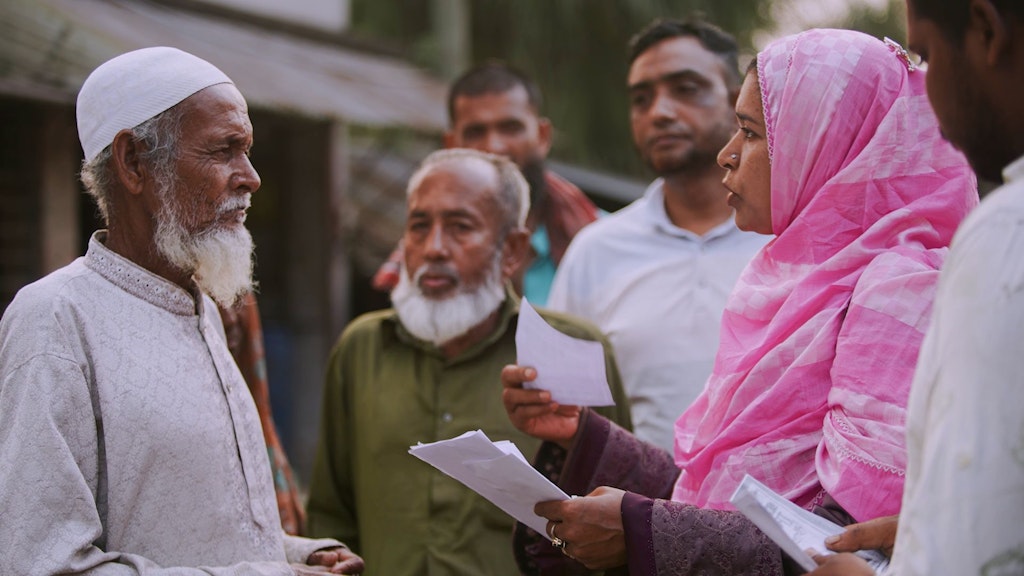
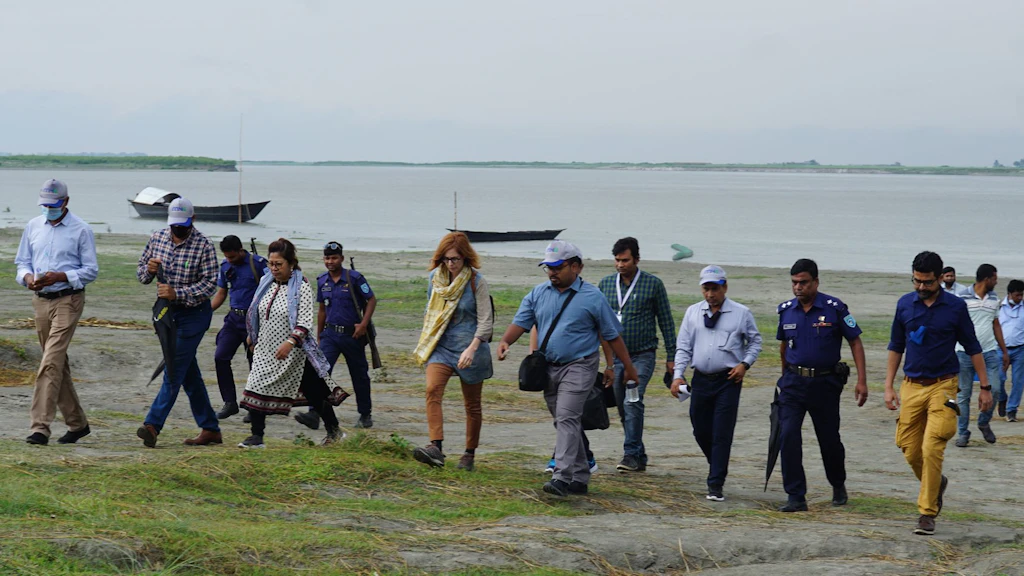
Switzerland is working with the Bangladesh Election Commission to modernise voter registration, develop a gender-sensitive electoral process and strengthen electoral security. It has improved local governance and the fight against corruption by supporting district committees in 48 of Bangladesh's 64 districts and hundreds of civic groups.
Humanitarian aid and protection of migrants
In the humanitarian field, Switzerland is a reliable partner in Rohingya aid and is committed to protecting refugees, supporting local communities and promoting sustainable solutions. Switzerland is supporting UN aid organisations in the implementation of humanitarian reforms (known as the 'humanitarian reset') in the world's largest refugee camp in the Cox's Bazar district.
Labour migration plays a central role for Bangladesh. Swiss projects have helped to utilise remittances in a more targeted and sustainable way. In order to better manage labour migration, Switzerland has also introduced a regional model that strengthens protections for migrant workers. In collaboration with numerous partners, community-led solutions have been developed to help people adapt to climate change and reduce displacement.
Refugees from Myanmar
Bangladesh is home to around one million Rohingya – members of a Muslim minority who fled from violence in Myanmar. The vast majority of Rohingya arrived in the country after being attacked and forcibly displaced in 2017. They now live in 34 camps in the border area near Cox's Bazar. It is the world's largest refugee camp, and conditions there remain precarious. The prospect of returning to Myanmar in the near future has further diminished since the military coup there in 2021. This poses major challenges for the host communities and authorities in Bangladesh.
Between 2017 and 2025, Switzerland contributed around CHF 60 million in humanitarian aid for refugees, providing tens of thousands of people with access to drinking water, food, shelter and sanitary facilities. Access to education and income remain major challenges, however. Switzerland is pursuing a consistent nexus approach in Bangladesh, as protracted humanitarian crises such as the Rohingya refugee crisis can only be addressed if humanitarian aid is supplemented by resources for development cooperation and host communities are involved in the process.
Approach and key partners
As regards transversal themes, Switzerland attaches particular importance to mitigating the effects of climate change, as Bangladesh is one of the countries most affected by climate events. Gender equality and social inclusion are consistently mainstreamed in all projects.
Switzerland's key partners in Bangladesh include:
- National ministries: Ministry of Foreign Affairs, Ministry of Finance, Ministry of Local Government; Ministry of Expatriates' Welfare and Foreign Employment of Bangladesh;
- Local government institutions;
- Local civil society organisations;
- UN organisations: Office of the UN High Commissioner for Refugees (UNHCR); International Organization for Migration (IOM); United Nations Children's Fund (UNICEF); United Nations Development Programme (UNDP); International Labour Organization (ILO); United Nations Population Fund (UNFPA); United Nations Entity for Gender Equality (UN Women);
- Swiss and international NGOs.
Links
- Bilateral relations Switzerland-Bangladesh
- A strong alliance: Swiss NGOs join forces to tackle the climate crisis in Bangladesh
- Ready for anything: how Anticipatory Action is saving lives
- Switzerland and Bangladesh: 50 years of working towards increased prosperity
- Persons with disabilities should be heard – and international development cooperation is no exception
Documents
Contact
Eichenweg 5
3003 Bern