
Benin
In Benin, Switzerland promotes sustainable development, social cohesion and the resilience of vulnerable populations. Its engagement focuses on the key areas of governance and peace on the one hand and the economy and skills development on the other. Switzerland also supports gender equality, conflict prevention and adaptation to climate change in all its activities.
Context Benin
Benin's robust economic growth and significant development potential – notably in manufacturing and services – are bolstered by digitalisation and an increase in value-added exports. However, disparities persist between rural regions and the urban areas of the south. The security situation has also deteriorated in the north of the country due to the spread of non-state armed groups from the Sahel. The country's high climate vulnerability also risks worsening existing conflict factors.
Switzerland has maintained its partnership with Benin since 1981, and is appreciated for its technical expertise, local approach, reliability and long-term commitment. To promote sustainable and inclusive development, Switzerland's engagement in 2026–29 will focus on governance and the economy, while also incorporating social cohesion, conflict prevention, adaptation to climate change and gender equality.
Good governance and peace
Switzerland's work in Benin aims to promote an effective, open and participatory system of governance that supports peace at the local and national levels. Switzerland continues to promote decentralisation and greater accountability in Benin in order to improve community access to basic services, support social cohesion and prevent conflict. It also places an emphasis on supporting civil society and the media in order to create space for dialogue, accountability and public debate.
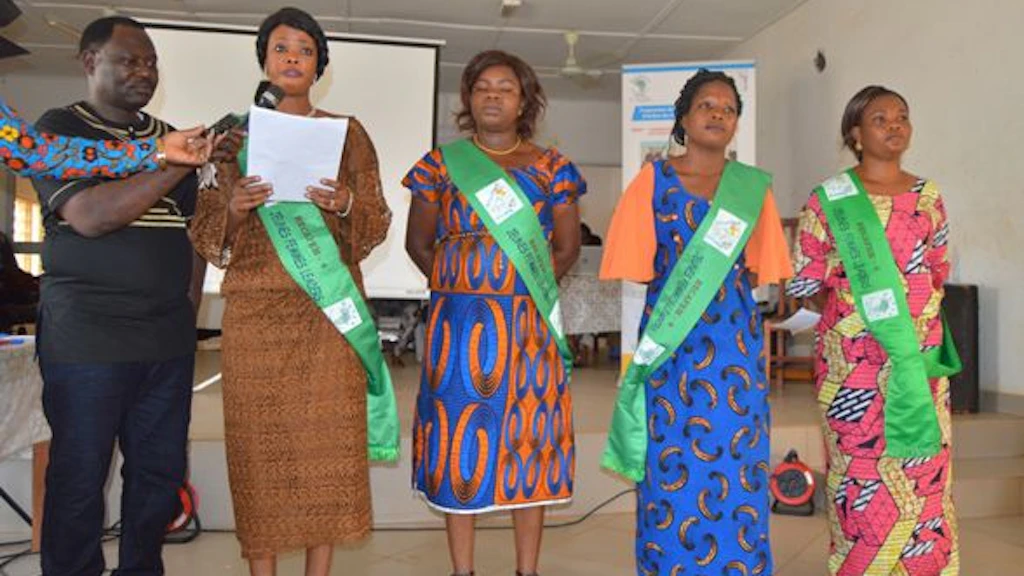
Synergies involving cross-border governance interventions are being reinforced, including cooperation between local governments and community media to promote investments that mutually benefit the respective populations. Switzerland is monitoring security developments in the north of the country in order to be in a position to ensure that the population retains access to basic services, including social protection. It also intends to develop its programme to strengthen women's political leadership, with the aim of improving the representation of women in politics.
Economy and skills development
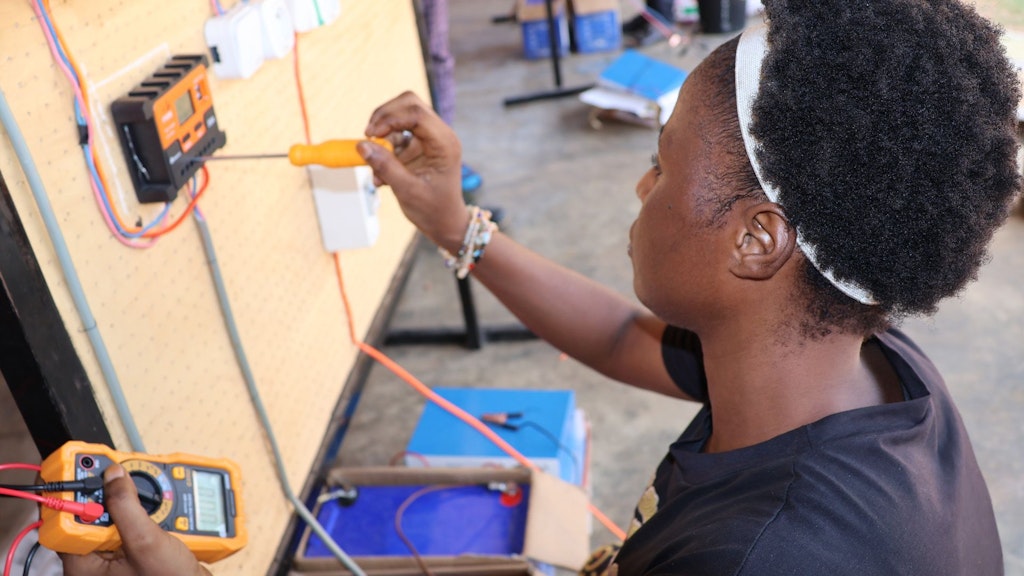
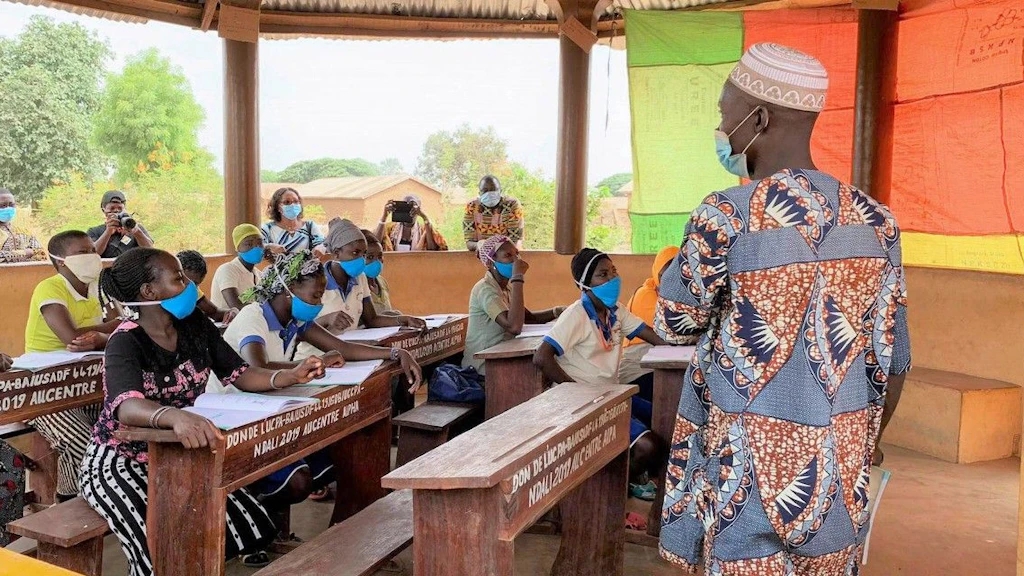
The local economy is being revitalised using an inclusive approach that helps boost skills, develop entrepreneurship and provide women and young people with access to economic opportunities, particularly in northern Benin. Switzerland's support focuses on vocational education and training, including the development of job-related skills, and promotes the use of national languages. Systemic support for local actors encourages community investment from the local private sector and other stakeholders in structural measures that benefit agro-pastoral communities, increasing the number of viable and sustainable economic opportunities for young people and thereby reducing conflict.
Key innovative programmes are supporting the agroecological transition and the introduction of climate insurance in the agricultural sector, thereby strengthening the resilience of smallholder farms to climate change. These programmes align their activities with regional and global commitments on agricultural research and innovative financing. Work in this area is also complemented by the reinforcement of value chains in priority agricultural sectors supported by Switzerland. Access to funding is facilitated with an emphasis on financial inclusion and the mobilisation of private and public financial resources. Particular attention is paid to promoting the use of local materials and renewable energy.
Approach and partners
In its 2026–2029 cooperation programme with Benin, Switzerland is placing an emphasis on young people, women and vulnerable population groups, in line with the principle of leaving no one behind. Switzerland's approach to its programmes systematically incorporates conflict sensitivity, gender equality, and adaptation to climate change. It favours a broad range of partnerships and means of intervention at national and local levels, allowing it to adapt to changing circumstances and improve the accountability of local actors. Partnerships with Beninese organisations are encouraged, as is support for the empowerment of local actors, in line with the country's priorities. Finally, Switzerland is continuing its work in political dialogue and coordination to support poverty reduction and sustainable development in Benin.


Contact
Eichenweg 5
3003 Bern