
Bosnia and Herzegovina
Following the armed conflict in 1995, Bosnia and Herzegovina remained a fragile state with complex political structures. Switzerland is supporting the country in its integration in the European Union (EU). Its efforts focus on the promotion of inclusive political and social reform to establish efficient institutions and public services, to foster economic development and to reinforce the health sector. The two countries also have a migration partnership.

Context Bosnia and Herzegovina
After the armed conflict in 1995, Bosnia and Herzegovina remains a fragile state with a complex political structure, made up of the Federation of Bosnia and Herzegovina and the Republika Srpska. The authority shared between the different administrative levels and the political divides present challenges to the functioning of the administration, but also to the reconciliation and strengthening of the government.
Bosnia and Herzegovina applied to join the EU in 2016 and was granted candidate status in 2022. The EU decided to open accession talks in March 2024. However, the country is still characterised by ethnic divides that are slowing reforms. Its economy is affected by high youth unemployment, significant economic disparities and high emigration, particularly among young people. It is in Switzerland’s interest to contribute to stability and prosperity in Bosnia and Herzegovina. Considering the needs of Bosnia and Herzegovina and Switzerland’s key competences, Switzerland supports the country in specific sectors, in line with the government’s priorities regarding socioeconomic reform and EU membership.
Economic development and migration
Switzerland helps create an environment that is conducive to investment, private sector development, job creation, and sustainability. To reduce youth unemployment, Switzerland supports technical and vocational education and training by aligning it with the needs of the labour market, and by focusing on apprenticeships and mentoring schemes as part of a close partnership between the authorities, educational institutions and businesses.
Switzerland and Bosnia and Herzegovina work together within the framework of the migration partnership signed in 2009. Switzerland supports Bosnia and Herzegovina in improving border control, preventing irregular migration, protecting the rights of migrants, and safeguarding their access to local health services. The countries also work together to facilitate the transfer of knowledge and expertise, resources, investment, and remittances from the diaspora of Bosnia and Herzegovina.
Local governance
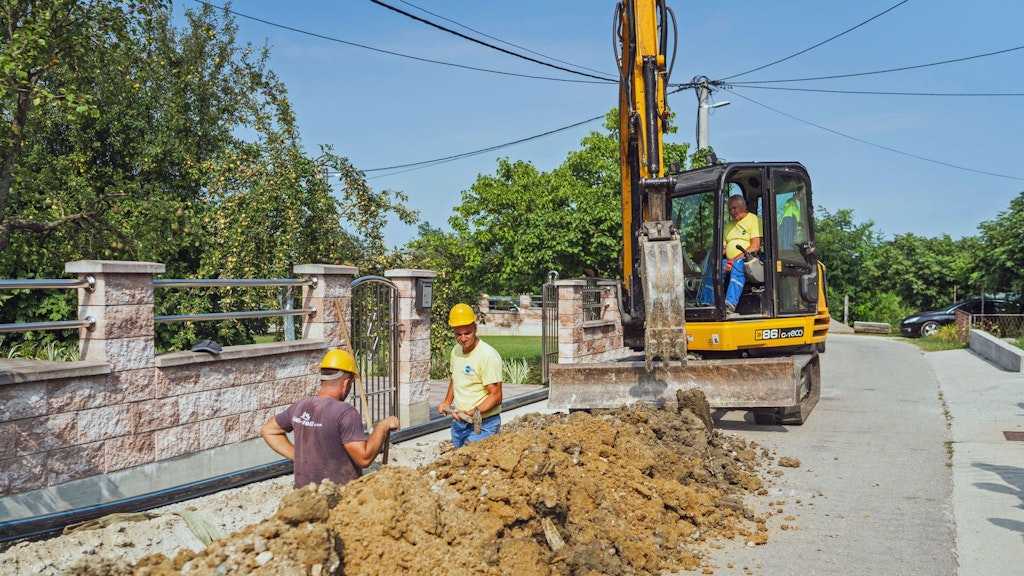
Switzerland supports Bosnia and Herzegovina in establishing accountable and transparent institutions that allow citizens to access high-quality public services. It focuses on encouraging citizens to actively and systematically participate in decision-making processes, paying particular attention to those who are socially excluded. The interventions include supplying safe and reliable drinking water thanks to modern and well-managed supply systems, improving disaster risk management throughout the country, and accessing renewable energy sources. It also supports civil society organisations in engaging in dialogue with the authorities. These efforts foster trust in democratic processes and institutions.
Health
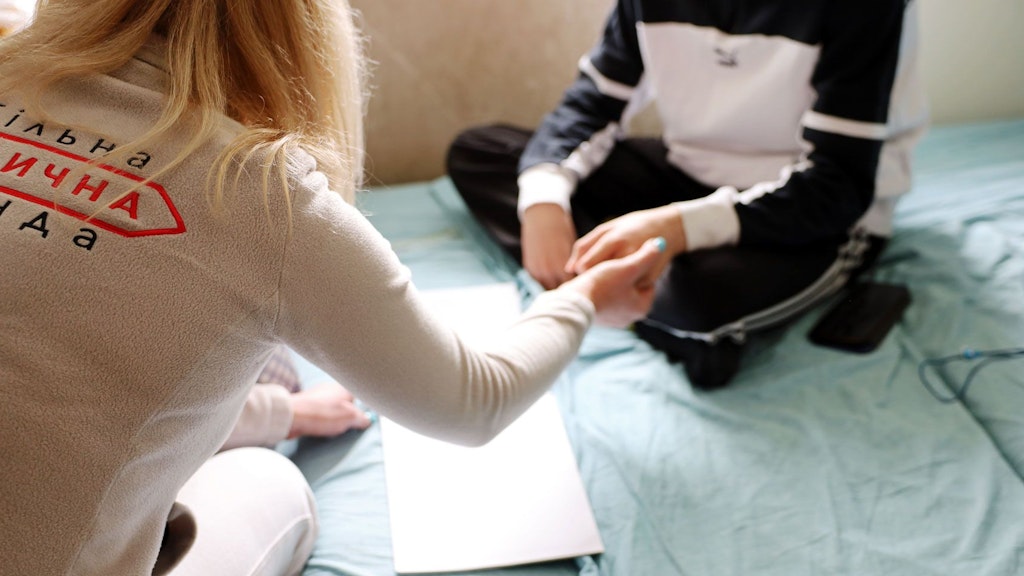
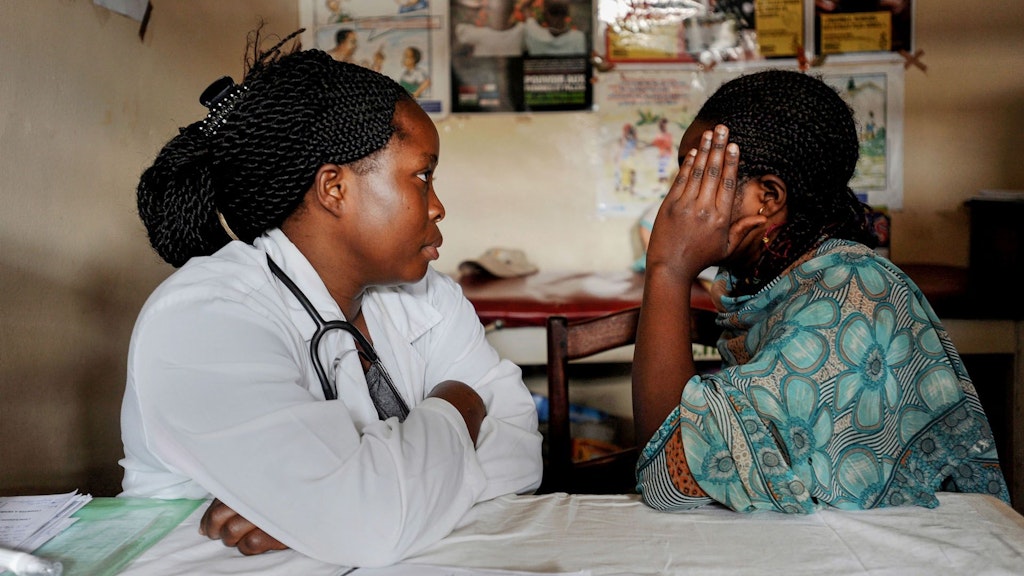
Switzerland’s objective is to guarantee long-term universal access to basic primary healthcare and to increase people’s health literacy to empower them to adopt a healthier lifestyle. Switzerland focuses its efforts on the development of nursing and the prevention of non-communicable diseases in order to reduce the costs of the health sector in the long term. In the area of community mental health, Switzerland also carries out disease prevention and health promotion activities.
Approach and main partners
The Swiss state actors operating in Bosnia and Herzegovina are the State Secretariat of the Federal Department of Foreign Affairs (FDFA), the State Secretariat for Migration (SEM) and the Federal Department of Defence, Civil Protection and Sport (DDPS), through the deployment of a military contingent as part of the EU-led stabilisation force in Bosnia and Herzegovina.
Switzerland’s main partners in Bosnia and Herzegovina are:
- Swiss partner organisations: Helvetas, Caritas and the Swiss Red Cross (SRC);
- Swiss partners: certain Swiss communes and cantons (for example the Office of the Public Prosecutor in the Canton of Zurich), hospitals (for example Geneva University Hospitals);
- Multilateral organisations: the United Nations Development Programme (UNDP), the World Bank, the European Bank for Reconstruction and Development (ERDB) and the International Finance Corporation (IFC);
- National partners: regional and local entities and authorities (bodies, cantons, communes), civil society organisations;
- Private sector actors;
- Co-financing partners: Sweden, Germany, Czechia and the EU.

Contact
Eichenweg 5
3003 Bern