
Central Asia: Kyrgyzstan, Tajikistan, Uzbekistan
In Kyrgyzstan, Tajikistan and Uzbekistan, Switzerland is involved in water management, good governance and sustainable economic development programmes. It encourages measures to mitigate the impacts of climate change and supports regional cooperation.
Context Central Asia: Kyrgyzstan, Tajikistan, Uzbekistan
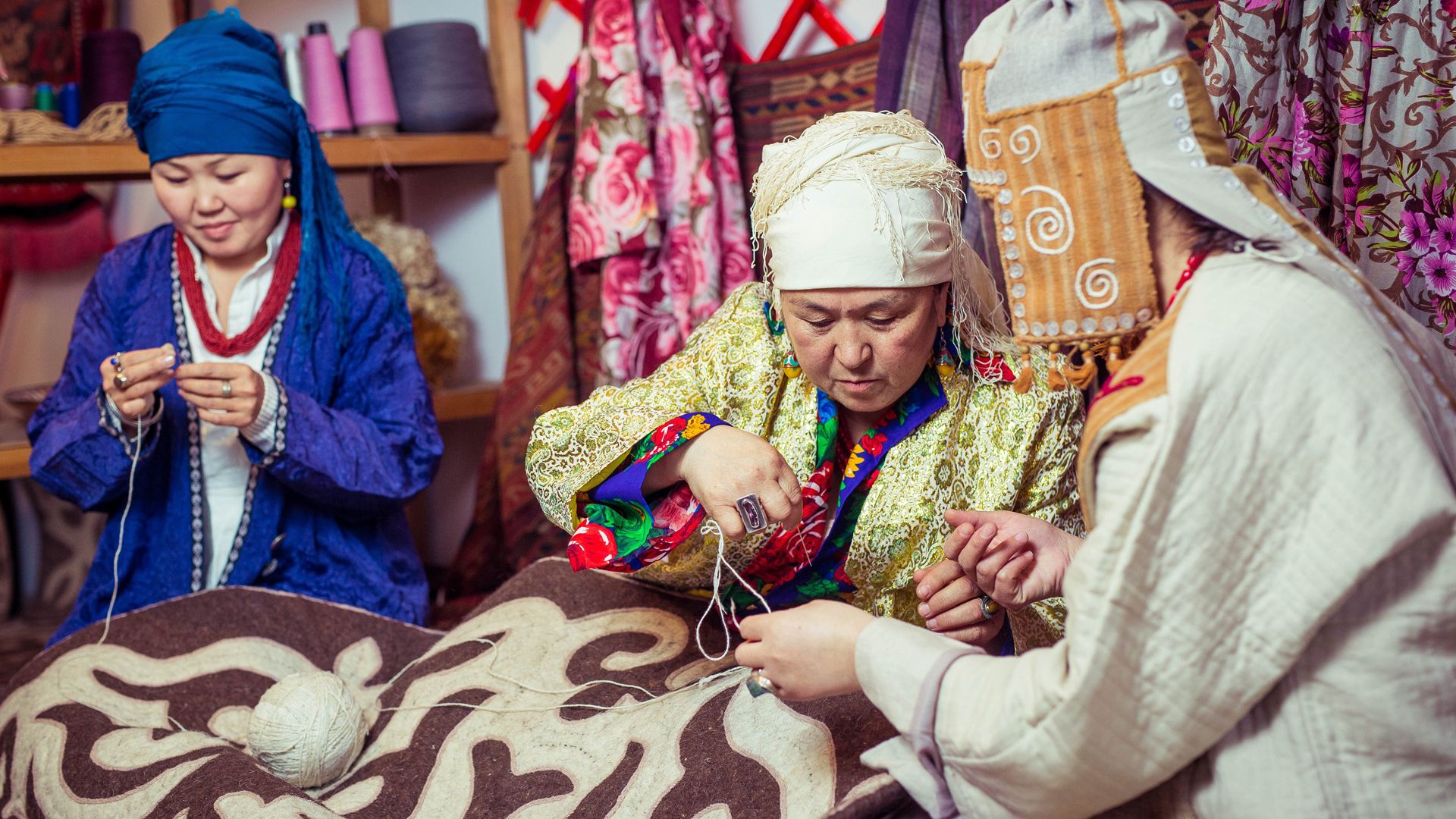
The Central Asian states of Kyrgyzstan, Kazakhstan, Tajikistan, Turkmenistan and Uzbekistan gained independence after the collapse of the Soviet Union in 1991. Since then, they have developed at different speeds but face similar challenges, including limited access to public decision-making processes and problems in establishing a diversified economy. Climate change will also have a significant impact on water supplies in the region. Switzerland is committed to peace, prosperity and social cohesion in Central Asia and supports projects to mitigate the impacts of climate change. It is guided in this by the Sustainable Development Goals (SDGs) under the United Nations (UN) 2030 Agenda.
Water and climate change
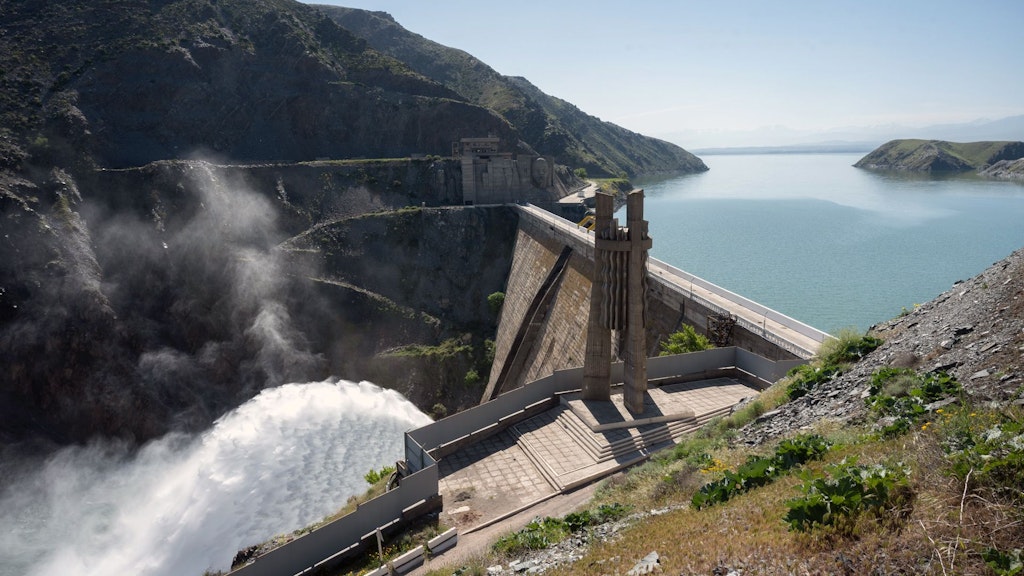
Switzerland supports the Central Asian countries of Kyrgyzstan, Tajikistan and Uzbekistan in taking joint, science-based action to advance climate-resilient, sustainable and inclusive approaches to managing scarce water resources. It is also essential that communities are protected as much as possible from natural disasters and have access to drinking water and sanitary facilities. In order to achieve this, Switzerland supports the sustainable planning and use of river basins, and national legislation that incorporates the principle of integrated water resources management (IWRM). It also promotes cross-border cooperation on water management and water diplomacy.
Governance and human rights
The national and political framework conditions in Kyrgyzstan, Tajikistan and Uzbekistan vary greatly. Switzerland’s activities in the field of governance reflect this diversity. It works to ensure that people in the three countries are involved in public decisions that affect them, are aware of their rights, and are able to express their opinions. Switzerland also helps local authorities to work more efficiently and transparently and assists ethnic minorities and other particularly vulnerable groups.
Sustainable economic development
The COVID-19 pandemic has severely affected the Central Asian economies. Switzerland is helping Kyrgyzstan, Tajikistan and Uzbekistan to recover and build more resilient, inclusive economies. To this end, it is promoting reforms aimed at improving economic conditions, helping small and medium-sized enterprises (SMEs) to create jobs, and establishing a responsible, inclusive and transparent financial sector. In addition, Switzerland is supporting training initiatives for workers in selected market-relevant sectors.
Approach and main partners
Switzerland has supported ongoing reforms in Central Asia since the early 1990s and is closely coordinating its activities with the project partners involved. The cooperation programme for 2022-2025 is being jointly implemented by the SDC and the State Secretariat for Economic Affairs (SECO).
Switzerland’s main partners in Central Asia are:
- National public and private sector partners;
- Local and international non-governmental organisations (NGOs) and civil society organisations;
- Multilateral organisations: the United Nations Development Programme (UNDP), development banks (the European Bank for Reconstruction and Development (EBRD) and the Asian Development Bank (ADB)) and the Bretton Woods Institutions.
Links
- Bilateral relations Switzerland-Kyrgyzstan
- Activities of the State Secretariat for Economic Affairs (SECO) in Kyrgyzstan
- Bilateral relations Switzerland-Tajikistan
- Activities of the State Secretariat for Economic Affairs (SECO) in Tajikistan
- Bilateral relations Switzerland-Uzbekistan
- Project database
Documents

Contact
Eichenweg 5
3003 Bern