
Chad
Chad is one of the poorest countries in the world. The Swiss Cooperation Programme Chad 2023-2026 focuses on strengthening state institutions and enhancing the quality of public service delivery in health and education. It also supports the development of sustainable markets and improving food security and resilience to climate change.
Context Chad
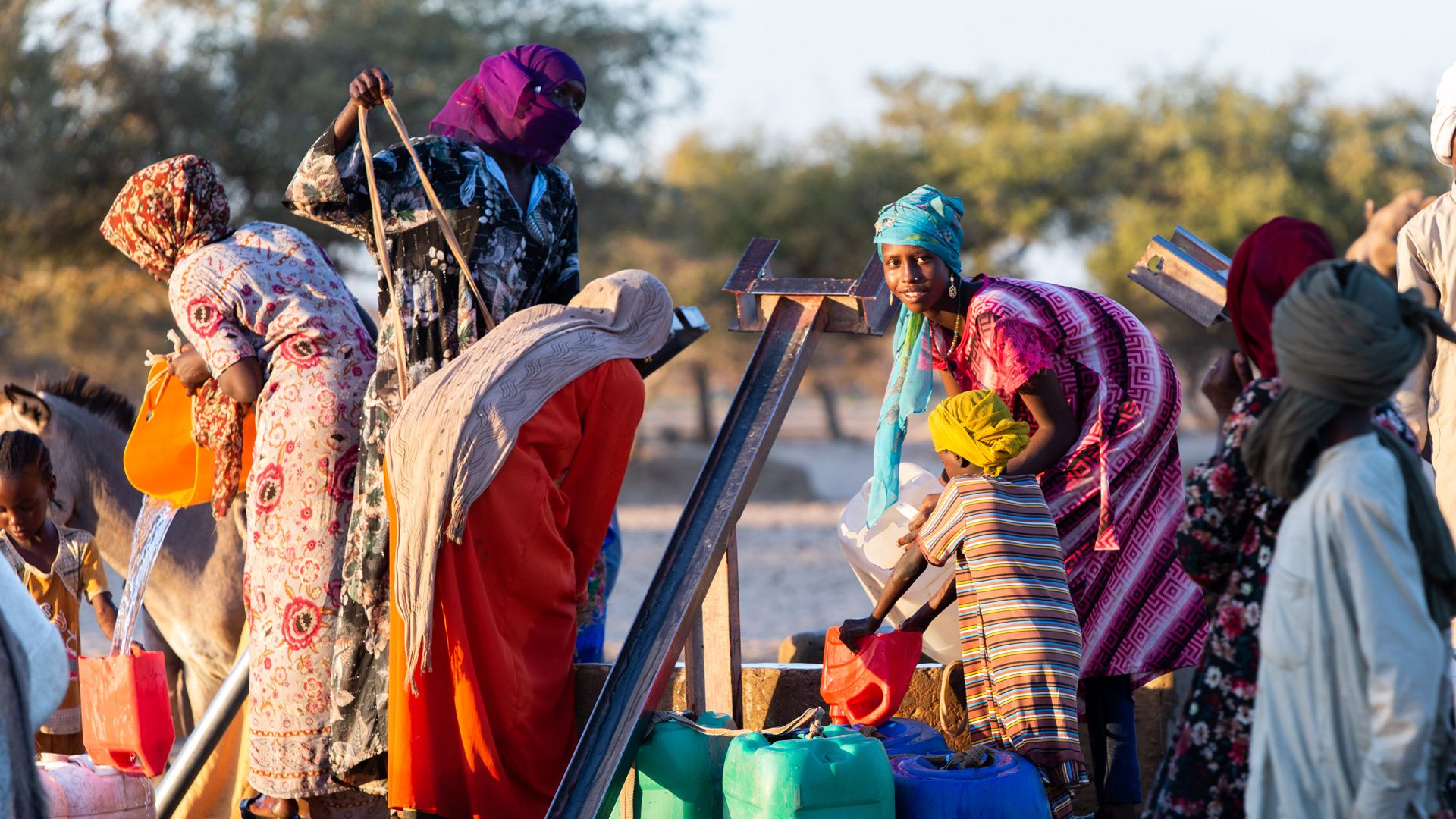
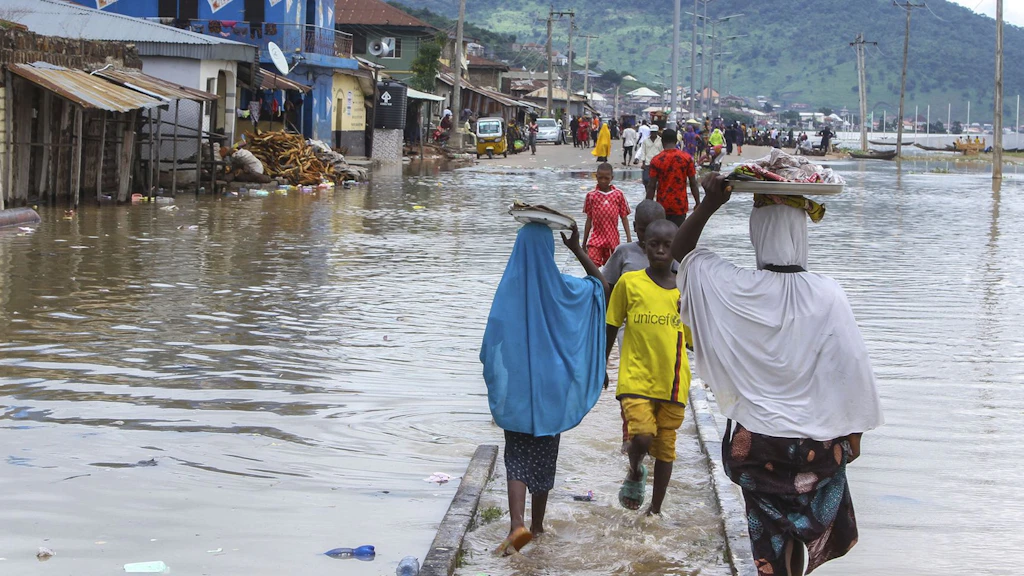
Chad has been at the bottom of the human development index (HDI) rankings for many years. State institutions, such as public administration, education and healthcare systems, are poorly developed. The influx of refugees from neighbouring countries and recurring famines have compounded the country’s problems. Chad’s population is the third youngest in the world. The lack of economic prospects for young people is a major challenge. The impacts of climate change are leading to high costs; droughts and frequent floods are exacerbating conflicts.
Switzerland is a long-standing, dependable and valued partner in Chad in the areas where it has been providing support, namely in strengthening civil society and public services as well as improving food security and resilience to climate change.
Governance and peace
By helping to strengthen state institutions, civil society and the media, Switzerland is fostering a democratic state that respects the rights of all people. Switzerland’s international cooperation with Chad aims to establish functioning institutions that drive reforms and are accountable to the people. Switzerland supports capacity building for elected representatives and public administrators at the local level to enable them to better satisfy public needs and provide services in line with people’s expectations. Citizens are encouraged to participate in public debates and decision-making processes. Switzerland is also contributing to building capacities among all stakeholders to reduce tensions and resolve conflicts.
Access to high-quality basic social services
Together with governmental and non-governmental actors, Switzerland contributes to making basic social services more effective, while accounting for demographic challenges. In the education sector, Switzerland is working to improve access to high-quality basic education for girls and boys through the implementation of reforms, better coordination between different actors in the sector, teachers’ training and innovative teaching methods. In the health sector, Switzerland is supporting a responsive public healthcare system at all levels. It is also helping to increase knowledge about water resources and water management. In the context of decentralisation, Switzerland is helping government authorities to improve their functioning and communication with communities.
Improving food security and developing sustainable markets
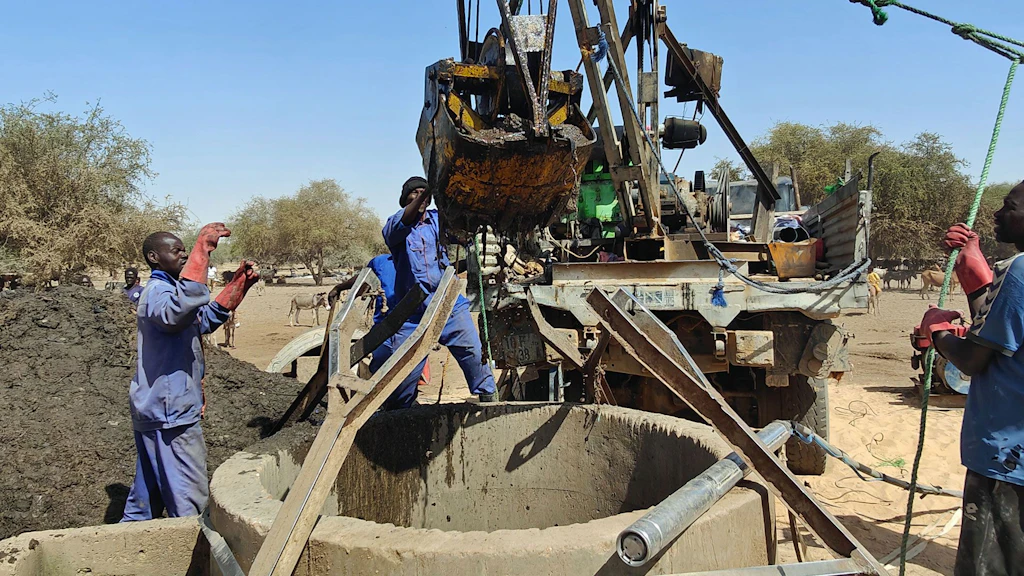
Switzerland supports the agricultural and livestock sectors by promoting the development of inclusive market systems to improve the livelihoods of rural communities. Smallholder farmers are able to boost their production and are better placed to meet market demand. This generates additional income and enhances economic prospects, especially for women and young people. Smallholder farmers and small enterprises become more resilient to climate change through access to extension services and better water and land management. All these initiatives go towards improving food security, which is increasingly at risk in the country. The programme consequently also makes funds available for food and nutritional assistance to vulnerable households in the event of a food crisis.
Approach and main partners
Switzerland pursues a balanced mix of modalities and partnerships. It specifically supports collaboration with United Nations (UN) organisations. It also provides contributions to existing programmes, support to state structures and funding to joint sectoral funds, provided these approaches strengthen the self-reliance of local actors and are aligned with the country’s priorities. Cooperation with the still largely underdeveloped private sector is of key importance to achieve sustainable results. The policy dialogue at the national level is being strengthened to reinforce the systemic impact of the Swiss programme. Switzerland pursues conflict-sensitive programme management that accounts for various dimensions of fragility. Given the demographic pressures, Switzerland is increasing the focus on programmes for young people in its overall portfolio. Gender equality and promoting an active civil society are key cross-cutting themes in all projects supported by Switzerland.

Contact
Eichenweg 5
3003 Bern