
Mozambique
Through the Cooperation Programme 2026–2029, Switzerland supports inclusive development in northern Mozambique. Its engagement focuses on governance and peace, inclusive and green local economic development, and the resilience to climate change of communities and local authorities, with particular attention to women, young people and vulnerable groups.
Context Mozambique
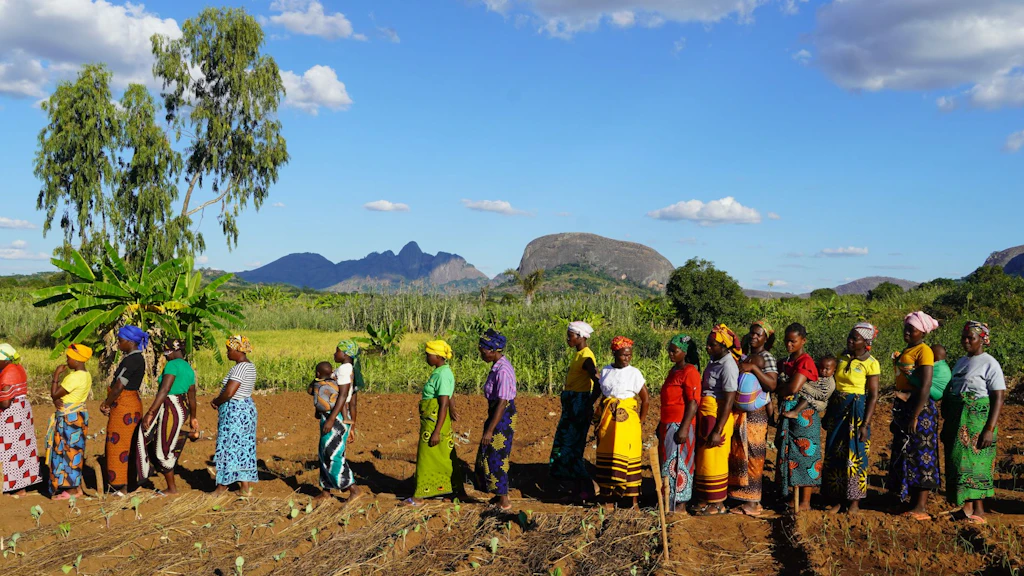
Mozambique faces high levels of poverty and persistent inequalities, with many people having limited access to employment opportunities and essential services such as water, energy and social protection. A young and rapidly growing population is increasing pressure on existing infrastructure and services, but also offers significant potential for development. Political instability, the conflict in Cabo Delgado, and governance challenges continue to affect the country, while cyclones and droughts add further pressure on communities. The Cooperation Programme 2026–2029 focuses on northern Mozambique, particularly the three provinces Nampula, Niassa and Cabo Delgado, and supports inclusive development, stronger local governance, economic opportunities and greater resilience to shocks.
Governance and peace
At municipal level, Swiss support focuses on improving local governance, public financial management and the delivery of basic services. This includes increasing resource mobilization, more effective planning and more transparent use of public funds, as well as support for the rehabilitation of schools, health centers and water infrastructure. Switzerland also promotes cooperation between local authorities, civil society and the private sector so that citizens can participate actively in decision-making processes and hold public institutions to account. In Cabo Delgado, it supports dialogue and peacebuilding initiatives that help build trust, address tensions and contribute to reducing the impact of violence on civilians.
Inclusive and green local economic development
Switzerland promotes inclusive and green local economic development, with particular attention to women and young people. It strengthens market systems and supports environmentally friendly value chains where possible, for example through organic fertiliser, drought-resistant crops and training in the renewable energy sector. The programme supports local businesses, vocational training and access to finance. Cooperation with private sector actors and local authorities aims to improve conditions for employment and investment and to strengthen economic opportunities for local communities in order to promote sustainable local growth.
Resilient communities and local authorities
In the target areas in northern Mozambique, Switzerland supports local communities and authorities to prepare for and respond to climate-related, health, and security risks through increased disaster preparedness, preventive measures and locally adapted solutions to reduce vulnerability. Women, young people and other vulnerable groups are encouraged to take part in identifying risks and shaping resilience measures. During emergencies, Switzerland assists affected communities to access food, shelter, protection and other essential services. By combining preparedness with crisis response, the programme aims to strengthen the capacity of local actors to cope with and recover from climate-related shocks.
Across all programme areas, Switzerland promotes gender equality, climate and environmental sustainability and good governance, with particular attention to women’s participation and transparent and accountable institutions.
Approach and key partners
Switzerland combines political dialogue at national level with locally anchored interventions in northern Mozambique. Projects are implemented in collaboration with government institutions, municipal authorities, civil society and private sector actors, while cooperation with bilateral donors and multilateral institutions helps improve coordination and the effectiveness of interventions. The programme is reviewed annually and adapted to changes in the context and to results. Partners and implementation approaches are selected according to their capacities and effectiveness, credibility, and risk profiles. In areas affected by conflict and displacement, Switzerland pursues a triple nexus approach by strengtheing the links between humanitarian assistance, development cooperation and peacebuilding.
Contact
Eichenweg 5
3003 Bern