
Republic of Moldova
Despite economic progress, the context in the Republic of Moldova remains difficult. Switzerland’s activities focus on governance and social cohesion, economic development and resilience, as well as health and local public services. Its support is increasing to respond to new opportunities as well as to the challenges Moldova is facing, mainly related to the aftermath of the war in neighbouring Ukraine.
Context Republic of Moldova
Moldova has experienced several shocks in recent years. The global COVID-19 pandemic has slowed development gains, while Russia’s military aggression against Ukraine has plunged the region back into insecurity and instability. This has led to a significant influx of refugees from Ukraine and triggered inflation, a massive increase in energy prices, an economic slowdown and the disruption of trade routes. Most of these challenges have now been partially mitigated and the country has returned to a path of economic growth. However, the overall environment remains challenging and threats to national security persist.
Over the past decades, Switzerland has supported Moldova in several areas: water and sanitation, migration and development, health, local governance, and economic development and employment. For the period 2025-2028, Switzerland’s support focuses on three main areas.
War against Ukraine: support since 2022
The consequences of Russia’s military aggression against Ukraine have been considerable for Moldova. Compared to its own population, Moldova has received the largest number of refugees from Ukraine. Among the many negative effects on the Moldovan economy are high inflation, the disruption of supply chains and an increase in transport costs. Switzerland has stepped up its bilateral support and is providing additional humanitarian aid. The humanitarian support for Moldova is based on and complementary to the SDC’s cooperation programme. Switzerland has also provided financial support through contributions to various funds.
Governance and social cohesion
The Swiss-funded interventions promote democracy and a peaceful and inclusive society by fostering the rule of law, civic engagement and social cohesion. Switzerland supports national authorities in improving governance in the areas of law-making, decentralisation, anti-corruption measures, and the protection and integration of refugees and migrants. The programme also supports local authorities in addressing the needs of their constituencies. It empowers women and young people in particular to engage in local development and civic activities, and promotes dialogue across societal divides as a contribution to inclusive nation-building.
Economic development and resilience
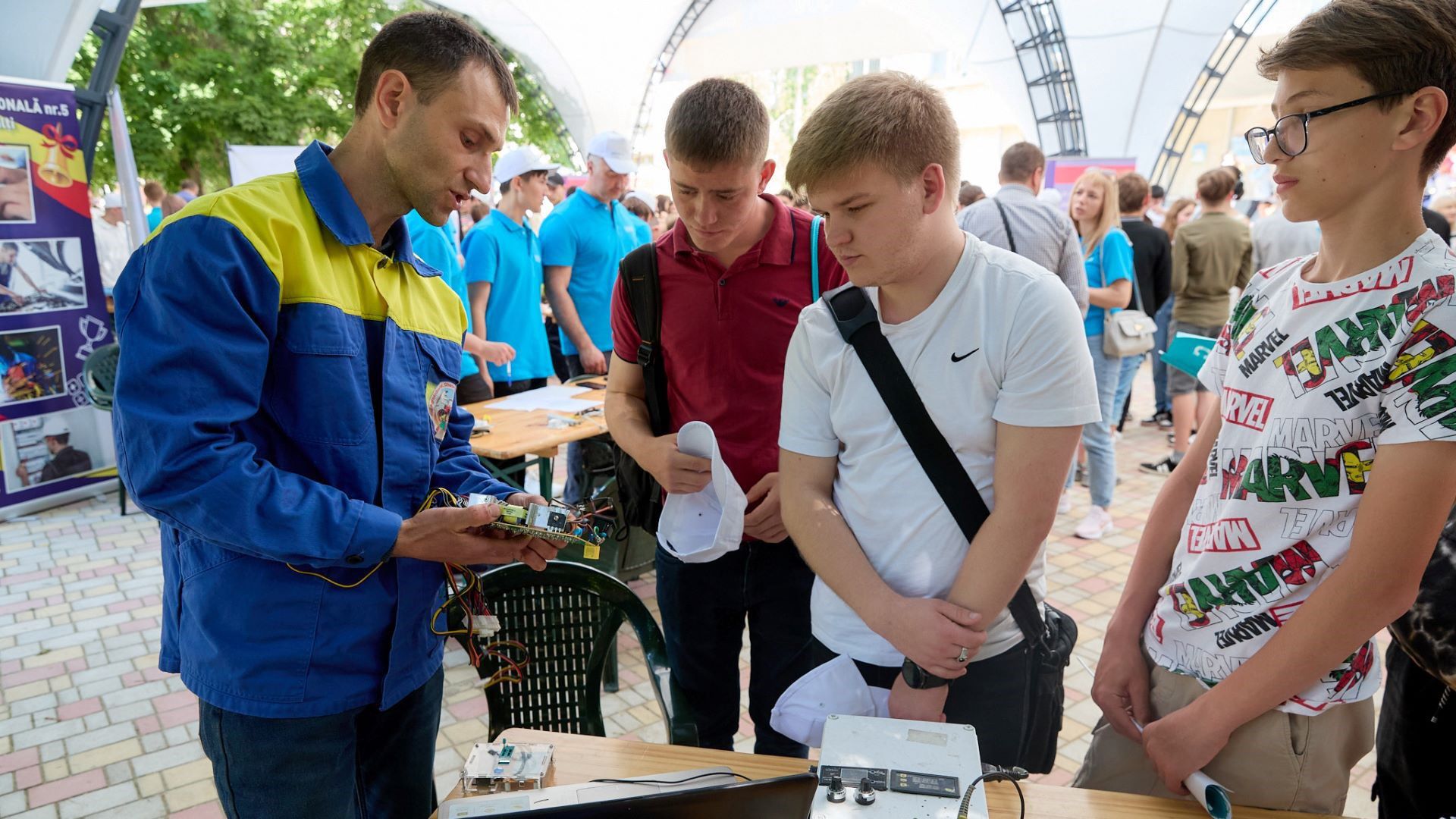
Switzerland’s activities promote economic development and resilience by enhancing skills and promoting employment and income opportunities. Switzerland works with ministries and representatives of the private sector to promote the framework conditions and skills relevant to the labour market and the development of small and medium-sized enterprises (SMEs). Other areas of engagement include supporting small farmers and SMEs in coping with the consequences of the war against Ukraine and improving access to finance. Special emphasis is placed on the economic empowerment of women and the integration of refugees from Ukraine into the Moldovan labour market.
Health and local public services
Switzerland promotes the quality and accessibility of basic services for both Moldovans and refugees from Ukraine with a focus on health and local public services. The Swiss Cooperation Programme works with central and local authorities, civil society organisations and communities to improve the efficiency and transparency of essential public services – such as water supply and solid waste management - and health services, including health promotion and disease prevention. Switzerland also supports Moldova in strengthening the capacity of the health system to better respond to future crises, with a particular focus on primary health care, emergency care and rehabilitation services.
Approach and main partners
Switzerland works closely with national and local authorities, civil society, the private sector and other development partners. Where possible, specific interventions are promoted to leverage Swiss expertise in areas such as SMEs development, social cohesion, local governance and health sector reforms. Project implementation arrangements are based on international and local partner organisations, multilateral organisations and, where appropriate, private sector actors. Partners are selected on the basis of their capacity and added value.
The Swiss Cooperation Programme is financed by three Swiss government agencies: the SDC, the State Secretariat for Economic Affairs (SECO) and the State Secretariat for Migration (SEM). The Swiss Parliamentary Services are involved in a project aimed at strengthening the capacities of the Moldovan parliamentary administration.
Contact
Eichenweg 5
3003 Bern