
Yemen
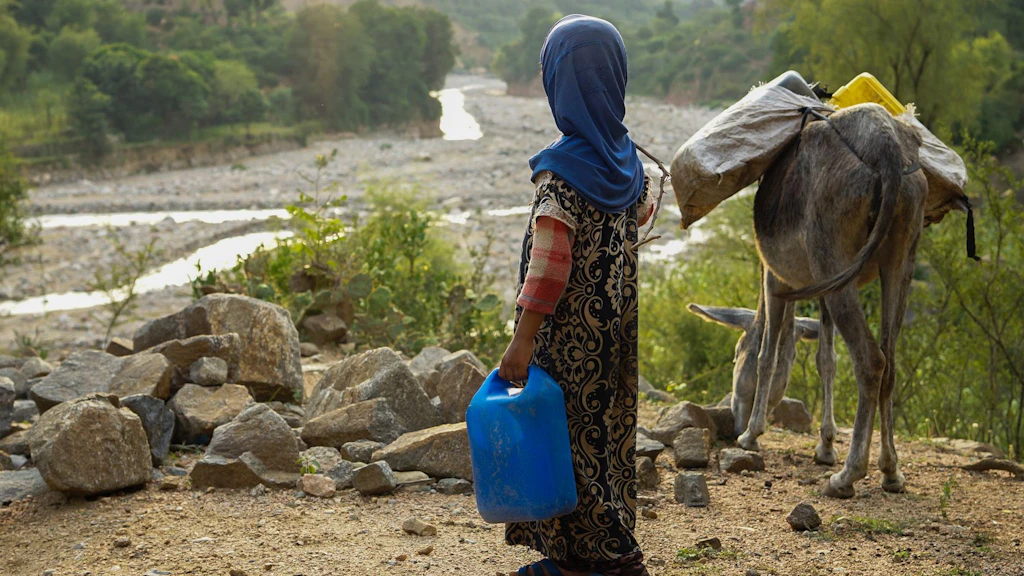
Persistent conflict and natural disasters have had devastating impacts on the population of Yemen, one of the poorest countries in the region. Switzerland is fulfilling its humanitarian responsibility, focusing its activities on needs as well as its specific expertise in sustainable water use and protection of civilians. It also works to promote the private sector and boost the resilience of the population.

Context Yemen
Yemen is the scene of various armed conflicts and is increasingly affected by climate disasters and water scarcity. There are several million internally displaced people in the country, and half of children under the age of five suffer from stunting due to malnutrition. The country’s economy has been weakened by the armed conflict and the escalating economic conflict between the Houthi-controlled north and the south, which is administered by the internationally recognised government. Against this backdrop, Switzerland is investing in solutions to promote sustainable water use, the protection of civilians and the economic resilience of the civilian population.
Improved access to drinking water, sanitation and hygiene
Yemen is one of the most water-scarce countries in the world. Owing to the lack of state structures, groundwater is often pumped out arbitrarily and public water supplies are no longer working. As well as providing emergency relief, Swiss Humanitarian Aid promotes the sustainable use of scarce water resources. Switzerland supports multilateral organisations such as the International Committee of the Red Cross (ICRC) and international partner organisations in improving access to clean drinking water and sanitation. If required, Swiss Humanitarian Aid Unit (SHA) experts are deployed to support the United Nations (UN) or the ICRC in the field, transferring skills and know-how on sustainable water use and management and the prevention of waterborne diseases.
Protecting civilians
Yemen’s population continues to suffer from armed violence despite the de facto ceasefire that has been in place since 2022. Landmines and unexploded ordnance cause numerous civilian casualties and damage to civilian facilities. In addition, local armed conflicts flare up repeatedly on the front line between north and south Yemen. Switzerland continues to call on all parties to comply with international humanitarian law. It also campaigns locally, regionally and globally against the use of child soldiers and for the prevention of mine accidents.
Promoting the private sector and economic development
Yemen has a dynamic tradition of private sector enterprise and trade. Switzerland is harnessing this to boost the economic resilience of the population and nurture talent in cooperation with local and international organisations. Together with the World Bank and the United Nations Children’s Fund (UNICEF), Switzerland is working to create pilot jobs in the technology sector and promote small businesses and microenterprises through a local microfinance institution, focusing particularly on the advancement of women.
Approach and main partners
Since the SDC’s Humanitarian Aid office in Sana’a closed in December 2014 because of the country’s deteriorating security situation, its activities in Yemen have been coordinated from the head office in Bern and supported by a two-person team in Amman. In addition, SHA experts can be seconded to support UN agencies or the ICRC, and local consultants can be called in, as required.
A proportion of Switzerland’s financial support also goes to multilateral partner organisations such as the ICRC, the UN Refugee Agency (UNHCR), the World Food Programme (WFP) and the Yemen Humanitarian Fund, which finances initiatives by local partner organisations. The priorities of the SDC transition programme (2023-2024) are in line with the objectives of the UN Humanitarian Response Plan for Yemen.

Contact
Eichenweg 5
3003 Bern