
Zimbabwe and Zambia
The Swiss cooperation programme in Zimbabwe and Zambia for the period 2023-2026 focuses on achieving food security, strengthening civil society and public institutions and providing access to high-quality services, especially healthcare.
Context Zimbabwe and Zambia
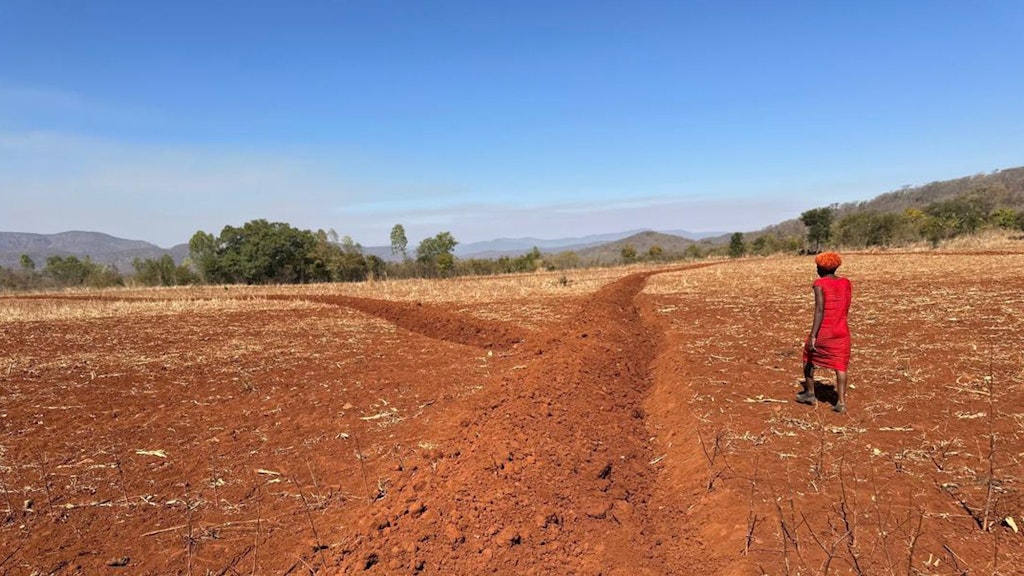
Zimbabwe and Zambia are neighbouring landlocked countries in southern Africa. Their prospects for development and capacity to compete at a global level depend heavily on regional integration and progress in neighbouring countries. Both countries are members of the Southern African Development Community (SADC). Zimbabwe and Zambia have a wealth of natural resources and a comparatively well-educated young population. However, growing inequality, poverty and climate change are undermining stability.
The Swiss cooperation programme in Zimbabwe and Zambia 2023-2026 focuses on addressing inequality and poverty as well as strengthening community resilience. It seeks to improve food security and access to public services, especially healthcare. The programme also aims to increase political participation and establish resilient public institutions.
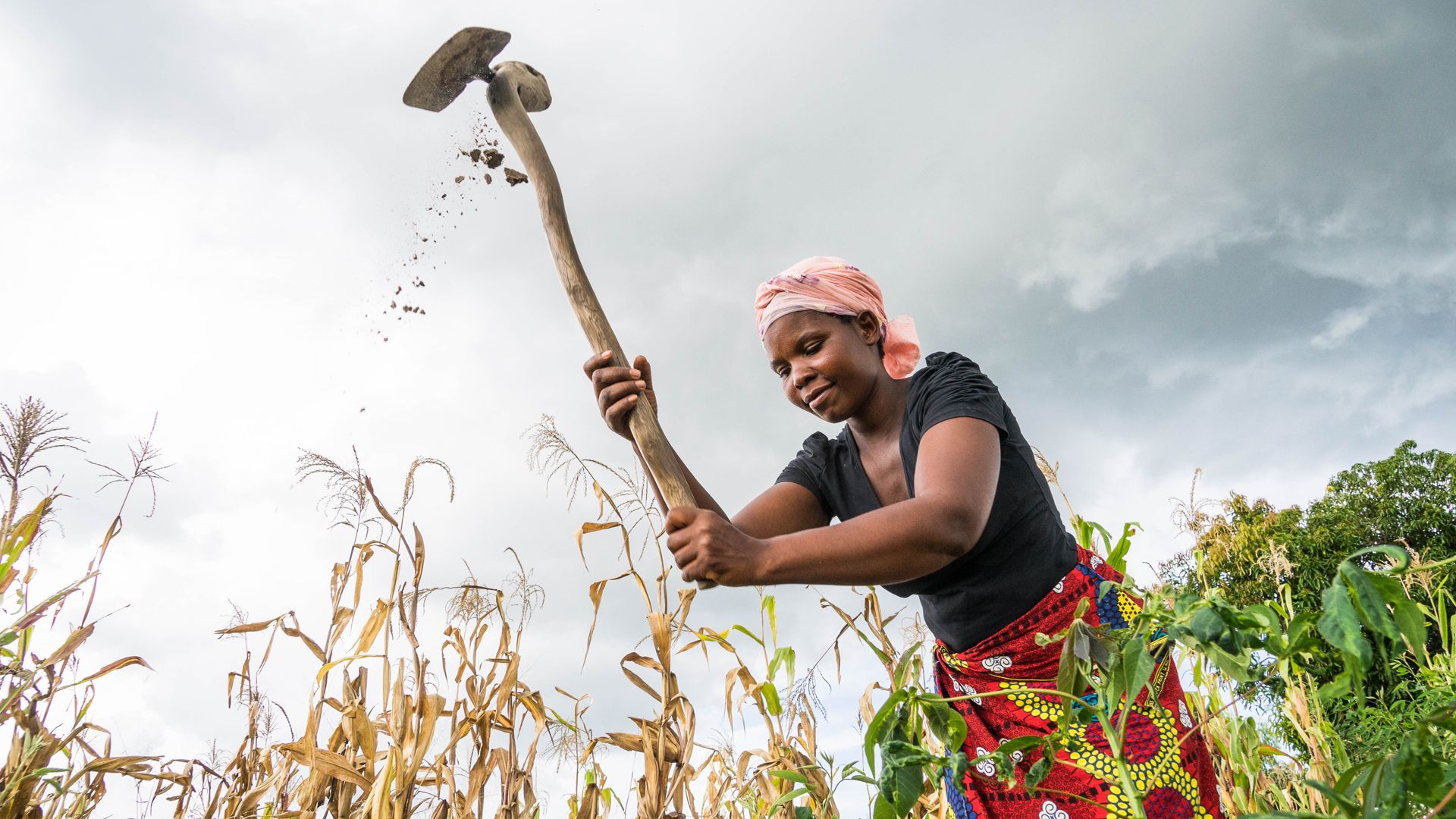
Food security and income
Switzerland aims to create better opportunities, especially for women and young people in both rural and urban areas to earn an income and become food secure. To achieve this, measures are being taken along the value chain comprising smallholder farmers and other stakeholders.
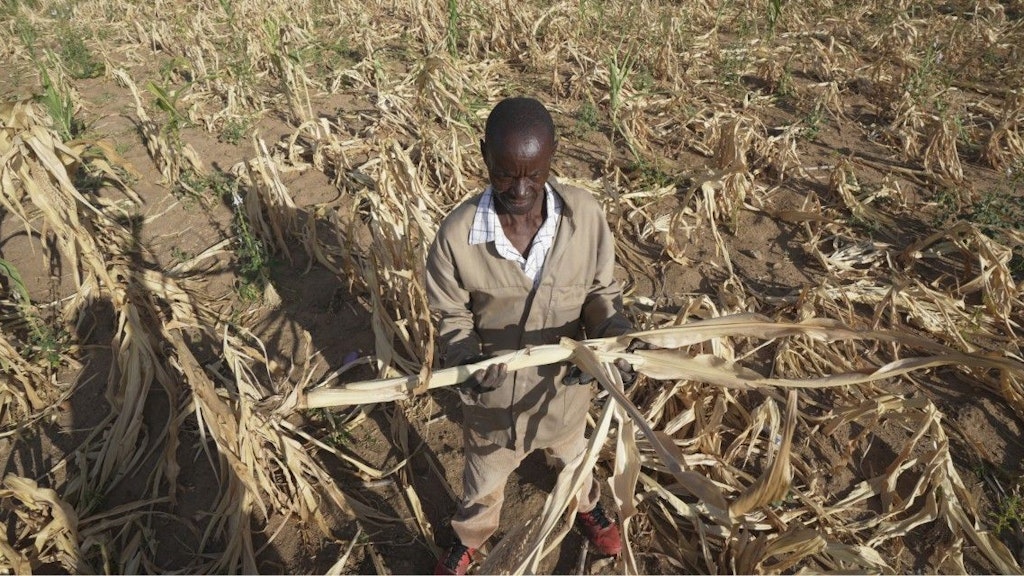
The most significant measures include facilitating access to new financial and insurance services and enhancing marketable skills. This promotes economic growth and provides a ‹safety net›, for example against climate events.
A further priority is the development, promotion and mainstreaming of climate-resistant and nutrient-rich crops and climate-smart agricultural methods.
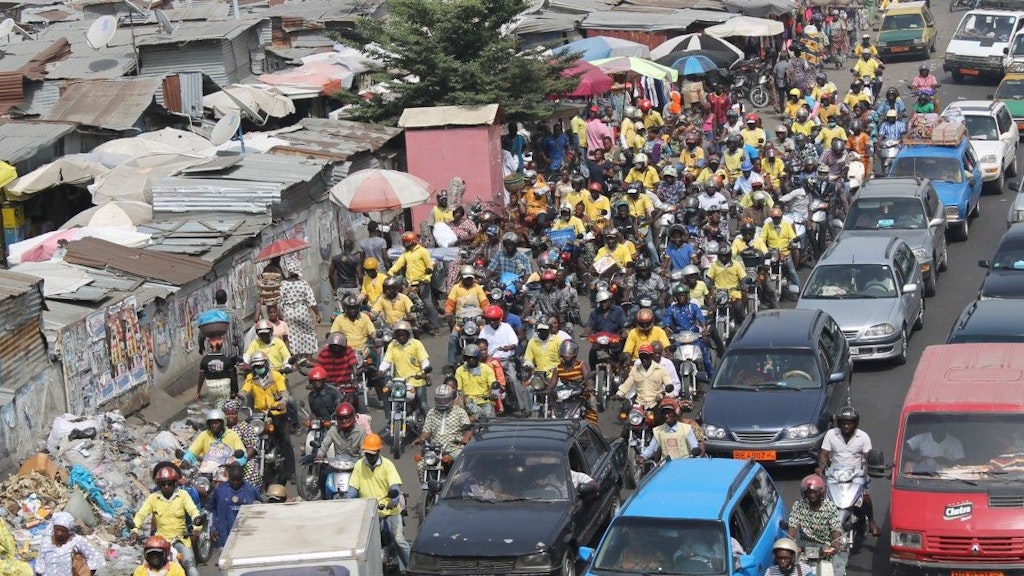
To facilitate access to markets, the integration of rural and urban areas is also promoted.
High-quality services and shock-responsive systems
High-quality services and shock-responsive systems improve health and resilience, especially of disadvantaged groups.
Protecting and advancing the right to sexual and reproductive health is an important action area. Switzerland’s interventions to date have helped both countries to reduce the incidence of HIV/Aids, which has resulted in a more comprehensive approach to healthcare. Significant measures include policy dialogue for better quality and integrated healthcare and increasing national spending on social and disaster protection mechanisms.
Switzerland promotes the development and scaling up of shock-responsive systems to strengthen the resilience of communities to disasters.
Civil society and public institutions
Human rights and democratic governance are fundamental requirements for sustainable development and peace. Countries with inefficient public institutions, widespread corruption and weak rule of law are more prone to conflicts and violence.
Switzerland is strengthening democratic governance and human rights in Zimbabwe by supporting elected national and local governments as well as independent oversight institutions in the responsible discharge of their mandates.
People’s fundamental rights form the foundation for overcoming and de-escalating conflicts, promoting economic growth and protecting human dignity. Switzerland actively promotes community participation in decision-making processes so that communities themselves take decisions about their future. It lays special emphasis on the participation of women and young people.
Approach and main partners
Gender equality and climate change adaptation are cross-cutting themes for the SDC’s activities in Zimbabwe and Zambia. An important new component in the cooperation programme 2023-2026 is the close cooperation with the central and local governments. Switzerland also works together with non-governmental organisations (NGO), academia and United Nations (UN) organisations, especially in the areas of humanitarian aid, strengthening democracy and sensitive health issues. Cooperation with the private sector is also crucial for innovations and achieving development impact.
Contact
Eichenweg 5
3003 Bern