
CommunicationPublished on 11 March 2025
Fragility: between challenges and perspectives. A closer look at three countries
Swiss cooperation in Africa is notable for its work in fragile contexts, where the challenges are numerous and complex. Three countries, three commitments, three stories: South Sudan, Burkina Faso and the Democratic Republic of the Congo, where Switzerland is providing vital support for peace, stability and development.
What is a fragile state? The term masks a complex reality, in which a country's institutions are too weak to provide security, stability or basic services for the population. This fragility often stems from internal conflicts, poor governance, chronic instability or economic crisis. In these contexts, development and prosperity are severely impeded. In Africa, the SDC works in some of the most fragile countries in the world.
What causes this fragility? How can Swiss cooperation respond to these complex challenges? To gain a better understanding of the issues involved and Swiss cooperation's approach on the ground, we spoke to SDC Heads of Cooperation in three countries that are particularly affected by fragility: South Sudan, Burkina Faso and the Democratic Republic of the Congo.
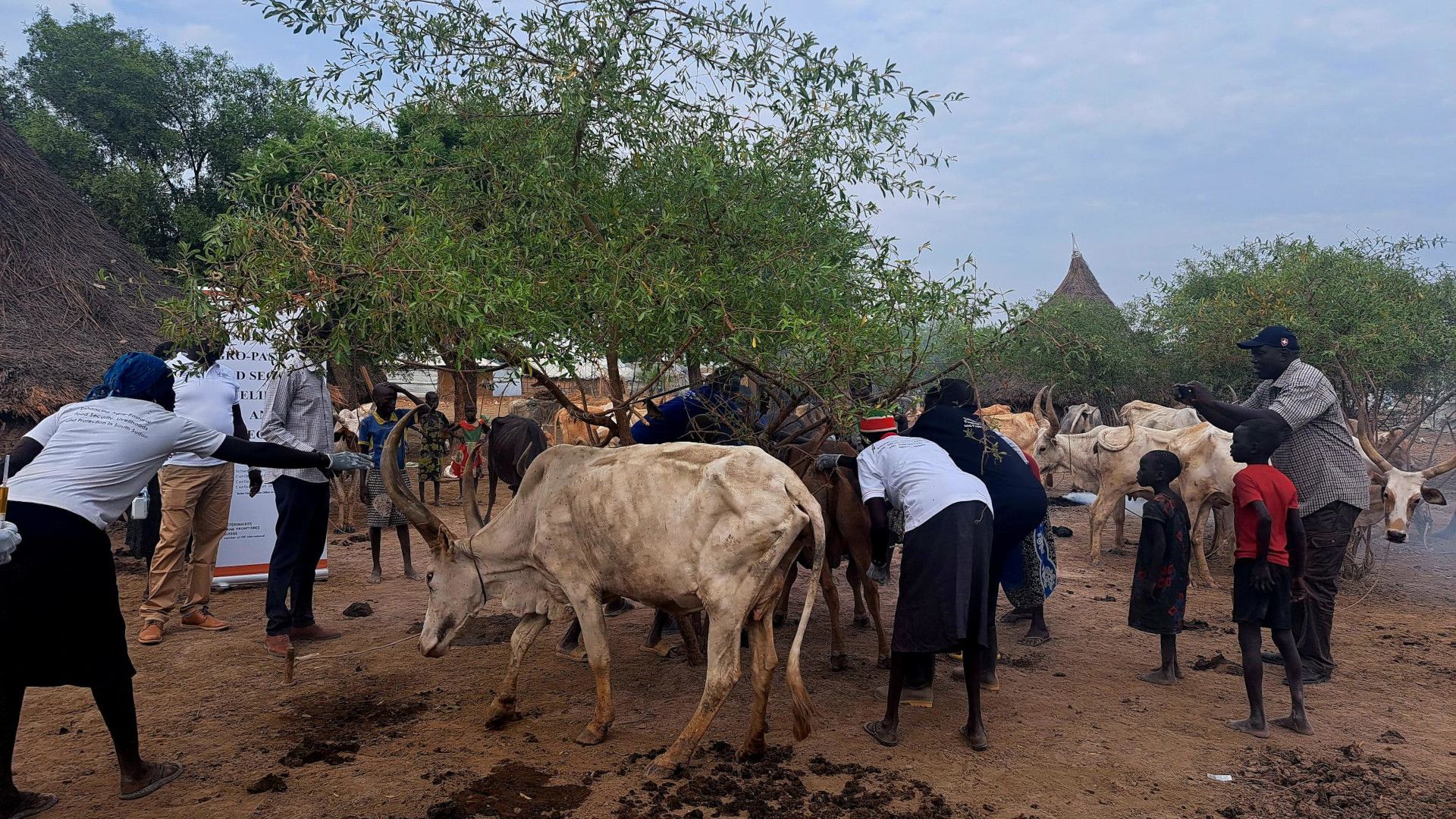
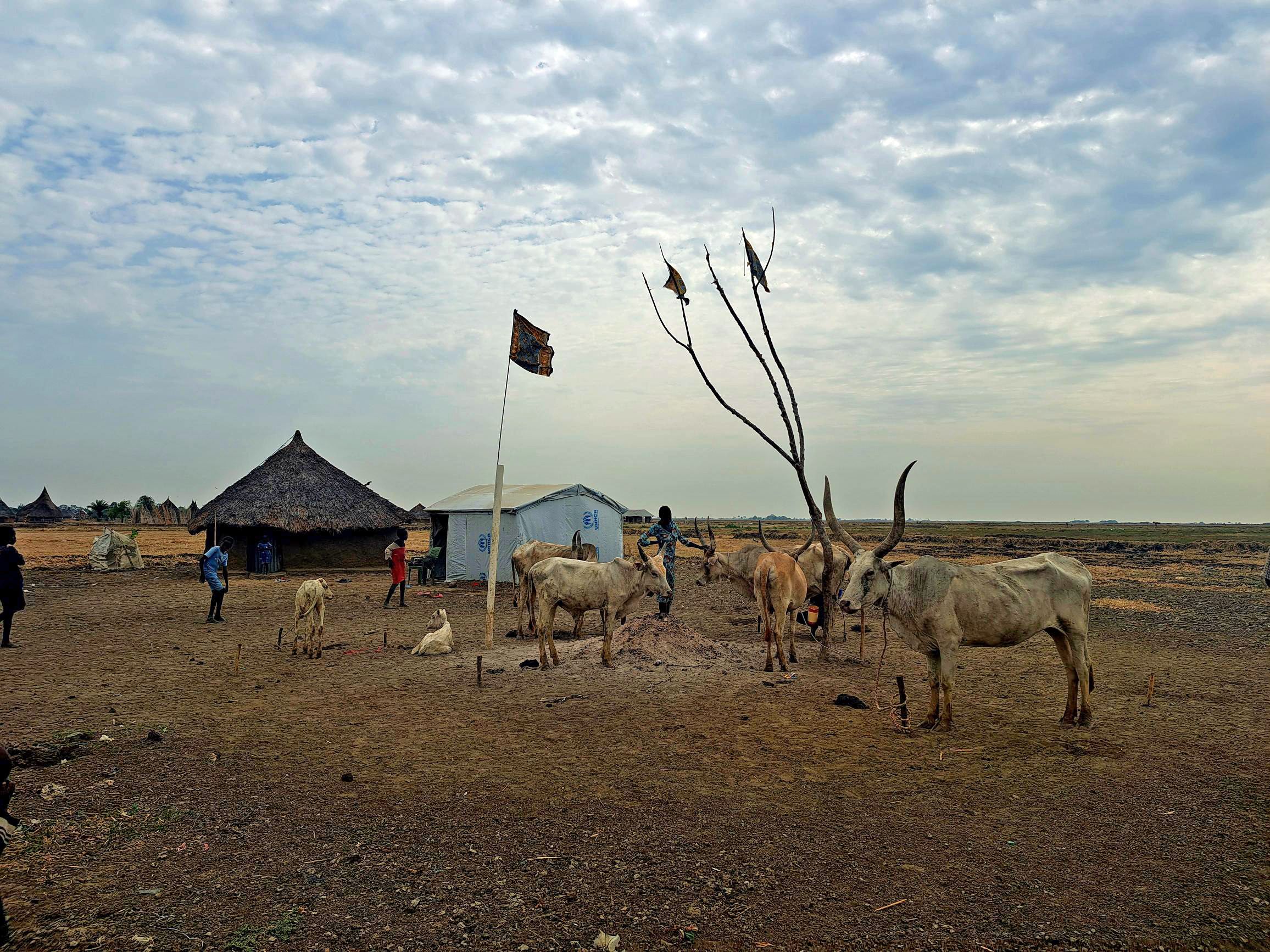
The SDC is supporting a VSF-Suisse project linking animal, human and environmental health in and around Ganyiel in South Sudan. — © SDC South Sudan is a young state still striving for stability, having gained independence in 2011 after decades of war. «It's struggling to establish its national identity, which is torn between identity-based tensions and Pan-African narratives" says Johan Gély, head of Swiss cooperation in Juba. "This makes it difficult to build a common vision for the country.» South Sudan is facing considerable economic, social, environmental and political challenges, and the search for solutions is proving slow. In a population of 13 million, 5.4 million – nearly half – required urgent humanitarian aid in 2024 (OCHA).
Beyond such emergencies, the country also needs long-term solutions to deal with fragility and poverty. Despite these critical challenges, South Sudan suffers from a lack of visibility. As Johan Gély explains, «the world's attention is focused on other crisis regions».
Switzerland's commitment
Swiss cooperation has been active in the country for ten years, and has adopted a pragmatic approach. «We put an emphasis on listening, respect and perseverance,» says Johan Gély. Switzerland carries out targeted initiatives, for example combating child marriage. "It's an important means of opening dialogue with the government,“ Johan Gély adds. Strengthening civil society is also at the heart of Switzerland's work, with a particular emphasis on women and young people as agents of change.
Switzerland's approach, which combines humanitarian aid, development and peace support, is not without its challenges. Stakeholders can have diverging views on operational or ideological issues. Nevertheless, some effective approaches have emerged, with the primacy of human rights in particular helping to rally actors around the common objective of protecting female victims of domestic violence. Pooling efforts improves flexibility and responsiveness in dealing with on-the-ground requirements. This is particularly true with regard to essential services such as legal advice, medical care, psychological support and vocational education and training.
Switzerland supports the initiative Veterinarians Without Borders, which promotes peace by working with young people in cattle camps on humanitarian aid, peace dialogues and the vaccination of cattle against serious infectious diseases. «I was particularly impressed by the project's inclusive approach,» says Johan Gély. «It weaves human, animal and environmental health together into a single One Health programme.» As well as preventing the spread of infections, improving community health and reinforcing access to healthcare, the project also works to prevent gender-based violence and provide services for victims.
Practical and empathetic diplomacy
Johan Gély believes Switzerland offers added value thanks to its practical diplomacy and empathetic partnerships. Continuous dialogue and an ability to adapt quickly to changing contexts are among the country's strengths. «I've learned to be an ‹impatient optimist›» he concludes. Change what can be changed, he advises, and accept what you cannot change.
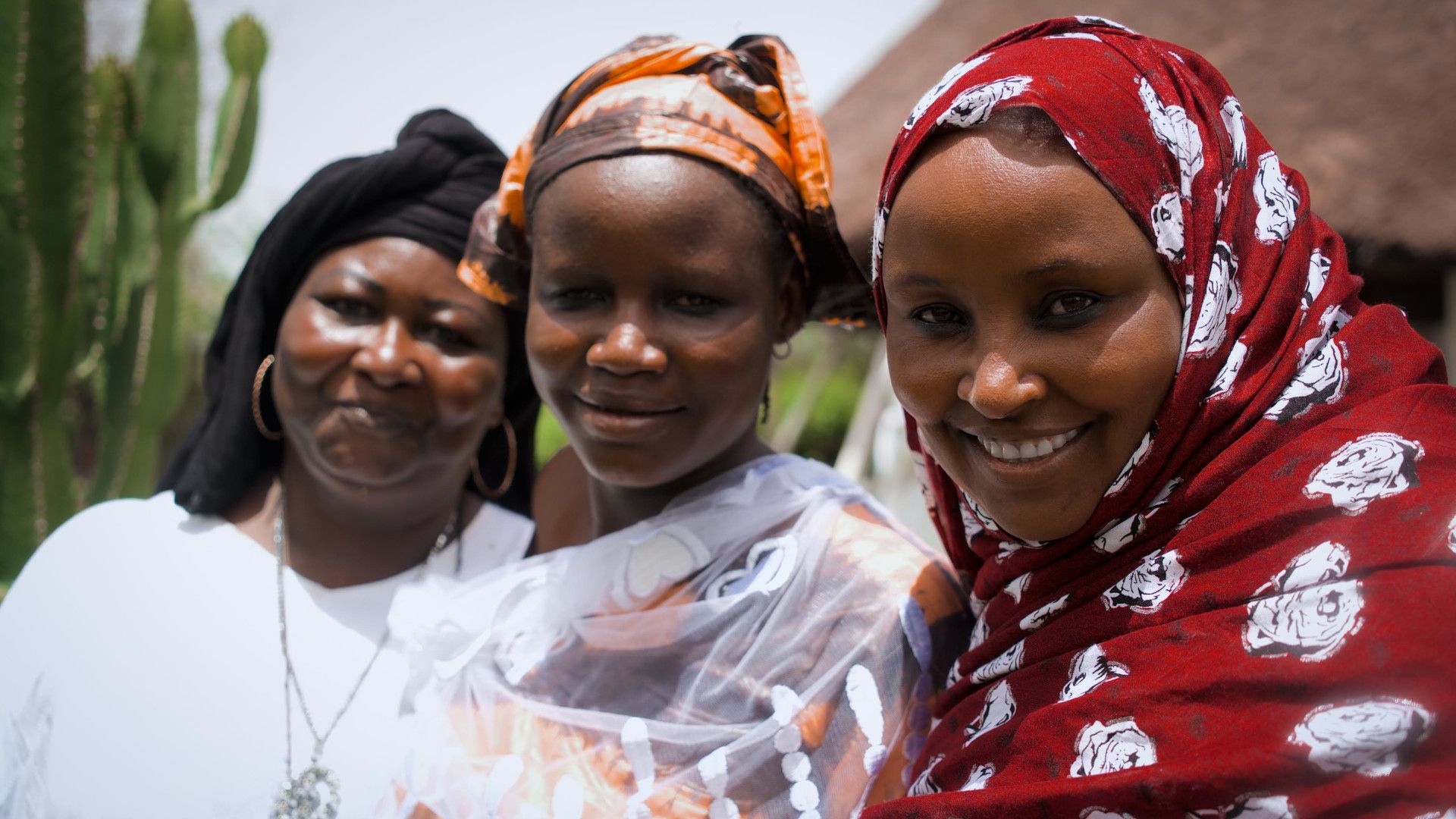
Pastoral mediation project: three female community mediators. — © Centre for Humanitarian Dialogue (HD) 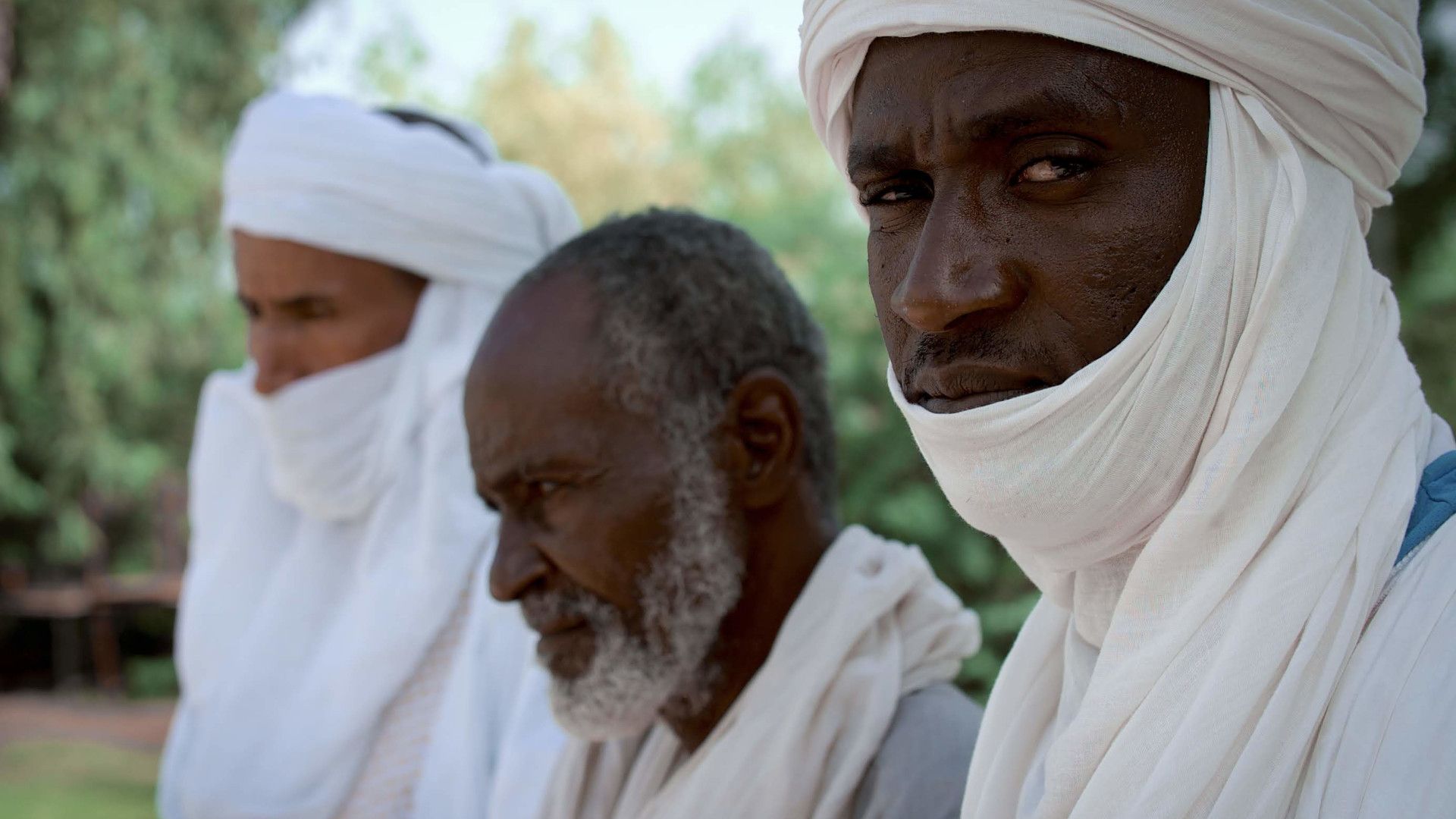
Pastoral mediation project: three male community mediators. — © Centre for Humanitarian Dialogue (HD) Burkina Faso has been in a profound crisis for several years now. Territorial integrity and fundamental rights are under threat, while the country's governance, basic services and economy are all struggling. According to OCHA, nearly a quarter of the population – some 6.3 million people – required humanitarian assistance in 2024. How can this situation be tackled without losing ground in development?
Switzerland's cooperation work
«Agility is essential in such a volatile context,» explains Christian Eggs, who is joint head of Switzerland's cooperation in Ouagadougou. To stay relevant, Swiss cooperation is constantly adapting its approach, monitoring the changing context, and evaluating its capacities and performance. Its combined approach focusing on humanitarian assistance, development and peace support remains at the heart of its work.
In Burkina Faso, where fragility affects society and its institutions as a whole, Switzerland emphasises peace, social cohesion and conflict management. «The SDC's work in the Central Sahel has evolved considerably over the past two to three years,» explains Christian Eggs. «We've reinforced humanitarian aid and peace support while incorporating development initiatives to reduce long-term needs, prevent conflicts and promote social cohesion.» This coherent approach makes it possible to address the root causes of conflicts while promoting lasting peace.
Christian Eggs tells the story of two particularly striking projects. The first, Peace and social cohesion, aims to re-establish the peaceful and stable living conditions necessary for development. The project supports local conflict management mechanisms, particularly through agro-pastoral mediation. A network of several hundred mediators with strong connections in their communities are working to prevent and defuse conflicts, often linked to the shared use of resources such as water and land. «By acting on the root causes, this project is helping to prevent violence on a larger scale,» stresses Christian Eggs.
The second project, Studio Yafa, is a partnership with Fondation Hirondelle that uses community radio stations to produce and distribute key humanitarian information to people who have fled for security reasons. «It gives a voice to displaced persons and facilitates dialogue between them and their host communities. These are modest but powerful initiatives that reinforce social cohesion and restore dignity to all,» Christian Eggs concludes.Long-term experience
«In addition to humanitarian aid, Switzerland is aiming to make a long-term, sustainable impact. It is committed to lasting, far-reaching change, based on solid relationships with local stakeholders and in-depth knowledge of the realities on the ground,» explains Christian Eggs. «Switzerland's strength lies in a clear mission, underpinned by the Sustainable Development Goals,» he concludes.
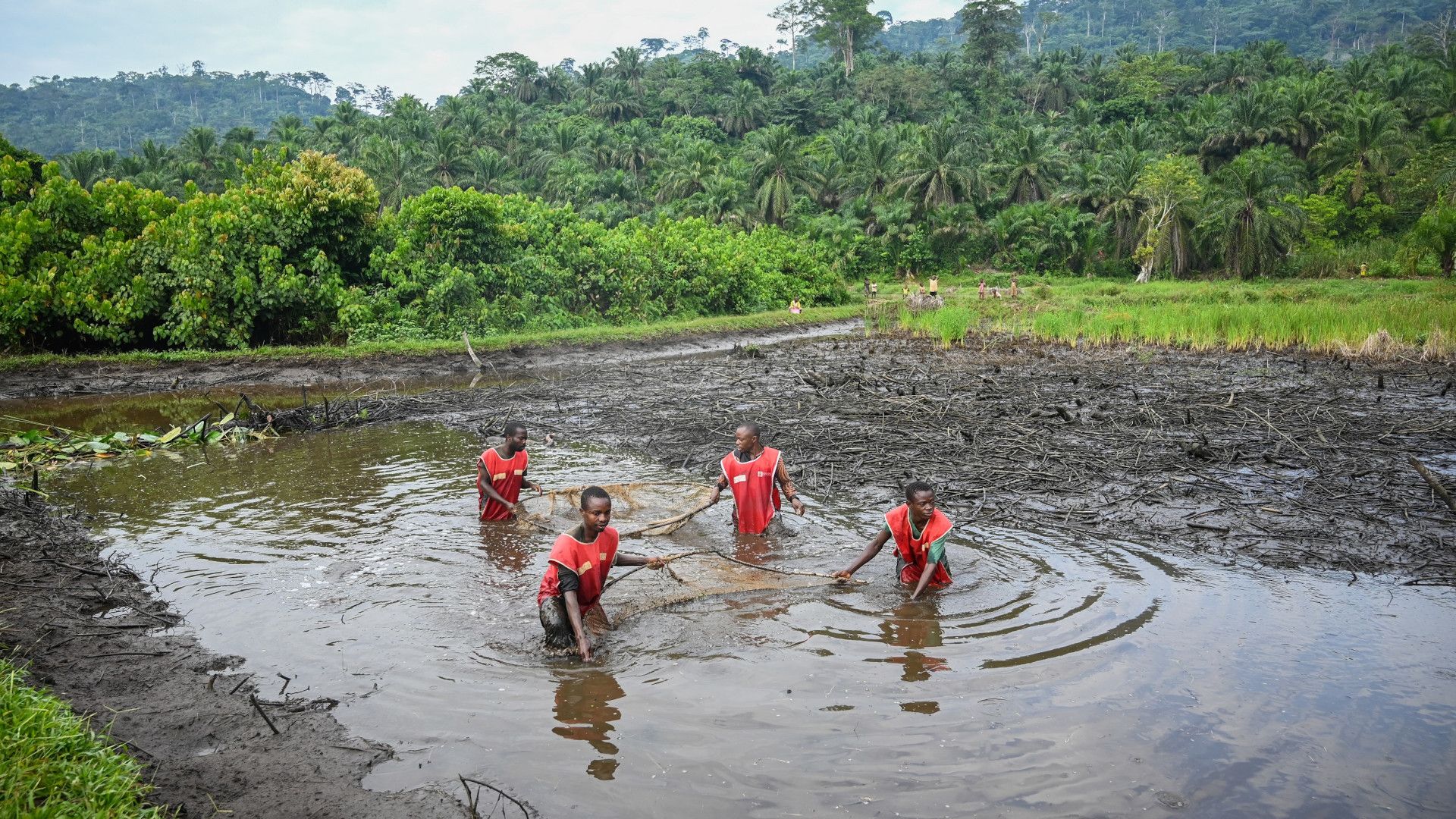
The SDC is supporting agriculture and fishing in the Kivu region of the DRC, in order to improve the living conditions of the local population and food security. — © SDC For three decades, eastern DRC has been plunged in a series of crises. Roughly 75% of the population live below the poverty line and over 7 million are internally displaced. Poor governance and conflicts fuelled by a struggle for mineral resources have caused immense suffering, and of all the regions in the world, eastern DRC remains the most afflicted by sexual violence.
Since the end of January 2025, the situation in eastern DRC has worsened due to continued fighting between Congolese forces and the armed group M23 backed by Rwanda. Since then, M23 has taken over control of Goma, the capital of North Kivu. Shortly afterwards, the M23 group also took control of Bukavu, the capital of South Kivu province. These clashes have led to massive population displacements and a further humanitarian crisis, which has worsened the suffering. This crisis also has an impact on neighbouring countries: several thousand Congolese are fleeing the violence and seeking refuge in Burundi.
Switzerland's approach
Switzerland has established itself as a flexible player in this context, combining emergency aid (protection, food, shelter, healthcare) and long-term development support. «Switzerland is contributing to humanitarian aid in the regions worst affected by the conflict and natural disasters. It is also creating jobs, strengthening the local economy and improving the healthcare system in areas where the situation is less volatile,» explains Denise Lüthi, who headed the Swiss cooperation office in Bukavu between 2020 and 2024. Switzerland is also contributing to peace support by tackling the causes of conflicts and promoting democratisation, notably by empowering local authorities and improving access to information. «We're working closely with NGOs and civil society,» adds Ms Lüthi.
The combination of these instruments – humanitarian, development and peace - has proved particularly appropriate. For example, a nutrition programme for women and children incorporates sustainable solutions involving local agricultural and economic activities. There is also a governance project that includes conflict-prevention measures. «We focus on advocacy to strengthen the impact of our work at the local, national and international levels,» says Denise Lüthi. «Our cooperation with the Swiss embassy in Kinshasa puts our priorities at the heart of diplomacy,» she adds.
During her first visit to the Great Lakes Region 20 years ago, Denise Lüthi was shocked by the situation of victims of sexual violence, which was used as a weapon of war. «Switzerland was one of the first countries to support survivors of sexual violence,» she says. Switzerland has played a key role in supporting a psychosocial approach to the issue. Although significant progress has been made, challenges remain, particularly in terms of access to justice.
The strength of Switzerland's on-the-ground presence
«Our strong presence on the ground sets us apart from other donors,» says Denise Lüthi. With its cooperation office in South Kivu and an antenna in North Kivu, Switzerland is close to the population and its local partners, allowing it to monitor projects accurately and regularly. Combining three instruments – humanitarian aid, development and peace support – under one roof sets it apart from other donors, enabling it to react quickly to changing dynamics.
Contact
Eichenweg 5
3003 Bern