

Geneva hosts the Global Platform for Disaster Risk Reduction (GPDRR)
Natural hazards are on the rise worldwide – sometimes with catastrophic consequences. Switzerland is therefore calling for international cooperation and will host the most important global conference on disaster risk reduction in Geneva from 2 to 6 June 2025. The focus will be on effective prevention, early warning systems, and resilient infrastructure.
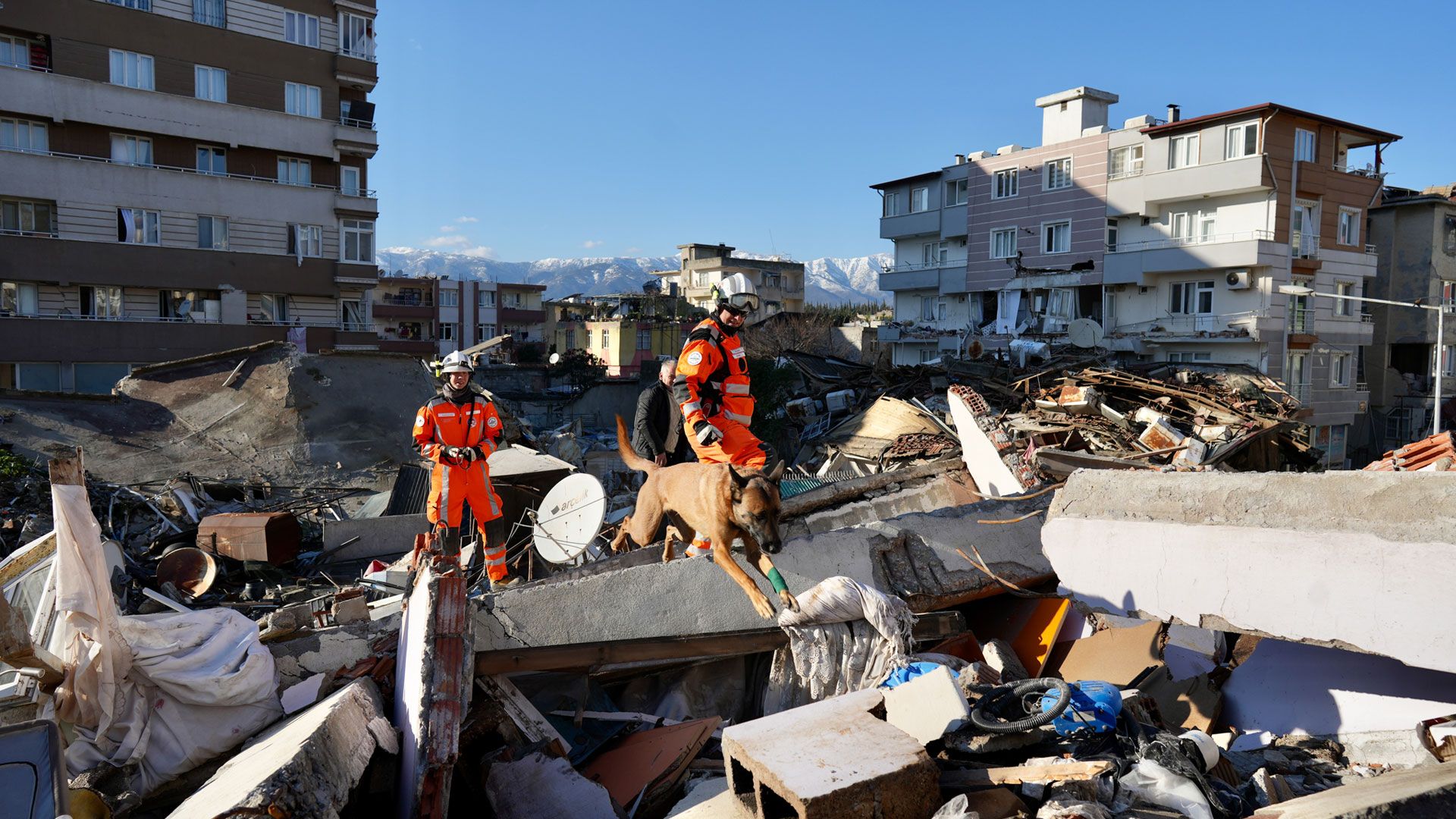
Natural hazards such as heavy rainfall, flooding, and heat waves are increasing noticeably worldwide, both in frequency and intensity. Switzerland is not immune to this development. Even though the causes are still unclear, the massive rockslide and glacier collapse that buried almost an entire village in Valais last week clearly shows how important effective early warning systems, coordinated crisis management structures and preventive measures are for protecting human lives and limiting damage – both locally and internationally.
Despite progress, such as a reduction in the number of victims, the overall situation remains alarming: extreme events cause around 200 billion US dollars in direct economic losses worldwide every year. If indirect damage such as production losses, infrastructure consequences, social and ecological impacts are added, the total amount is estimated by the UN Office for Disaster Risk Reduction (UNDRR) to be over 2.3 trillion US dollars per year. These figures make it clear that a shift in thinking towards prevention rather than reaction is urgently needed.
Natural hazards are inevitable – disasters are not
Prevention is therefore a key principle of disaster risk reduction. Whether an earthquake, storm or drought turns into a disaster depends largely on the vulnerability of societies and infrastructure. Investing in prevention pays off many times over: according to UNDRR, every franc invested in more resilient infrastructure can save up to four francs in reconstruction costs. Overall, an investment of one franc can save up to seven francs in costs following a disaster.
With this in mind, the international community adopted the Sendai Framework for Disaster Risk Reduction in 2015. This global action plan defines clear goals for reducing disaster risks. However, ten years on, the results are mixed, as only a fraction of the necessary investments in disaster risk reduction are being made worldwide.
Geneva will become the global centre for disaster risk reduction from 2 to 6 June
Federal Councillor Ignazio Cassis will open the eighth edition of the Global Platform for Disaster Risk Reduction (GPDRR) in Geneva on 3 June 2025. Switzerland is hosting this most important global forum on disaster prevention. SDC Director Patricia Danzi will co-chair the conference, which will also evaluate the implementation of the Sendai Framework, with Kamal Kishore, UN Special Envoy for Disaster Risk Reduction.
Over 4,000 participants from governments, international organisations, academia, the private sector and civil society will gather in Geneva for a week to share insights, better understand risks and discuss concrete measures. The focus will be on topics such as early warning systems, climate-resilient infrastructure, and the protection of particularly vulnerable population groups.
The 2025 GPDRR in Geneva offers an important opportunity to take stock, renew political commitments and focus clearly on effective preparedness and international cooperation – in line with this year's motto #ActForResilienceToday.
Switzerland plays a central role in this regard: thanks to decades of experience in dealing with natural hazards, it is regarded internationally as a pioneer. International Geneva, home to UNDRR, sees itself as a global centre for disaster prevention. This is where international cooperation, technological innovation, and humanitarian commitment come together. This enables Switzerland to actively shape the global agenda and creates impetus for innovation, research and sustainable development in its own country.
Specifically, as host of the GP2025, Switzerland is committed to faster implementation of the Sendai Framework. It is calling for more investment in prevention and the closing of financial gaps in risk reduction.
Switzerland also emphasises the importance of involving all affected population groups and using nature-based solutions. These concerns are to be included in the final conference document, which Switzerland is actively helping to draft.
In addition, participants will have the opportunity to visit specific disaster prevention initiatives in Switzerland. This will bring initiatives from municipalities and cantons directly to the global level and enable them to have a positive impact on the achievement of the Sendai Framework's objectives.
What Swiss development cooperation contributes
The Swiss Agency for Development and Cooperation (SDC) focuses on prevention worldwide: rather than merely responding to disasters, it seeks to identify and reduce risks at an early stage. Together with partner countries, it promotes long-term strategies to make communities more resilient to natural hazards.
The focus is on locally adapted early warning systems, climate-resilient infrastructure, the involvement of the population – especially women and disadvantaged groups – and the exchange of knowledge with local and international partners. In countries such as Nepal, Mozambique and Haiti, the SDC supports the development of emergency plans, the integration of risk analyses into urban planning and disaster response teams.
With its holistic approach, Switzerland brings together government, scientific and civil society actors, making disaster risk reduction a shared responsibility. This understanding also shapes its engagement in multilateral processes such as the GPDRR in Geneva.

Climate, disaster risk reduction and environment
The SDC’s approach on Climate, Disaster Risk Reduction (DRR), and the environment focuses on combating climate change through targeted, sustainable practices.

Satellite early warning system for natural hazards
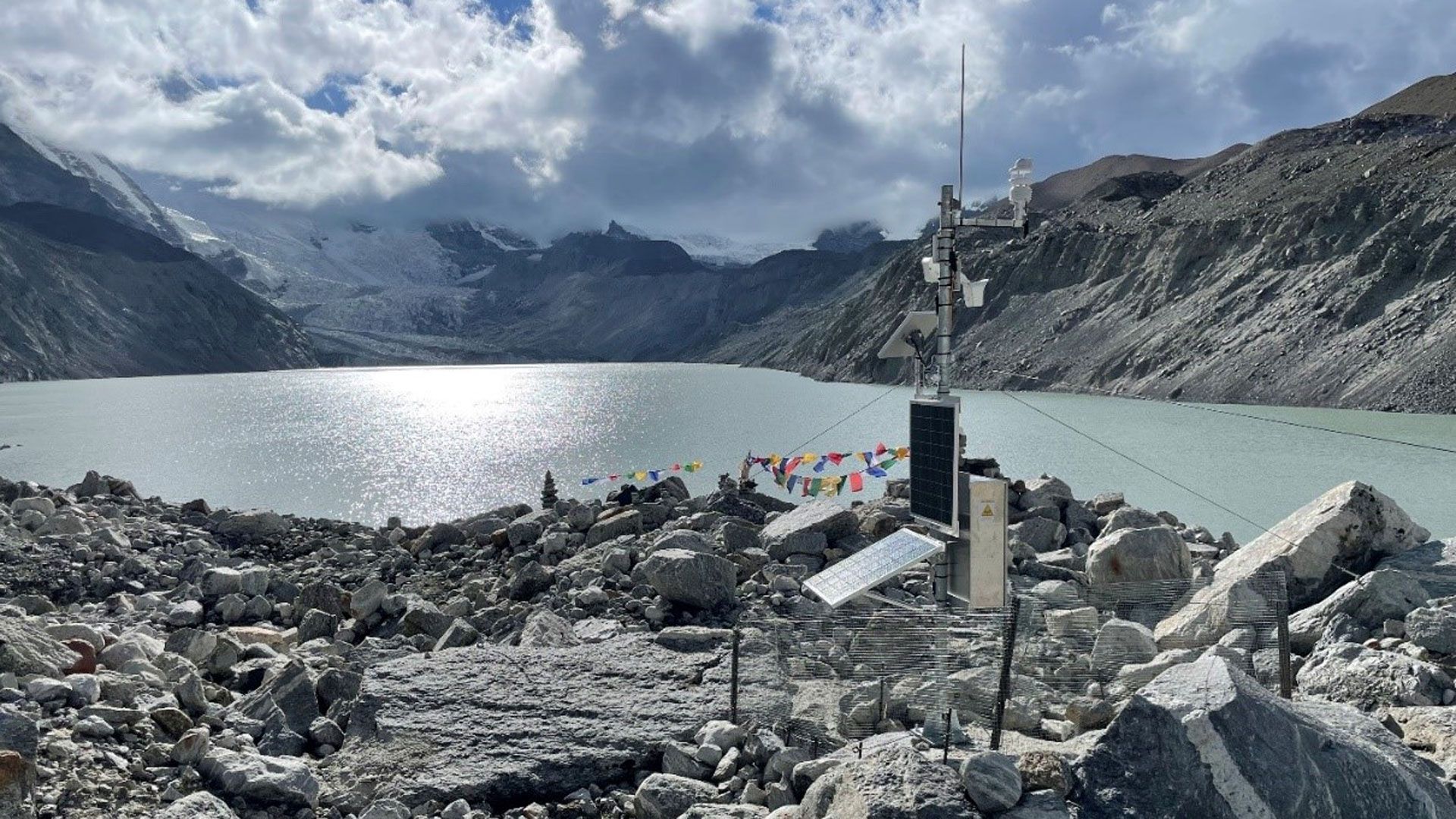
Satellite early warning system for natural hazards (as for homepage teaser or variation of this) SLF researchers are training Indian specialists to use satellite data and computer models to identify impending natural hazards and areas that could be affected. The aim is to better model natural hazard processes in the Himalayas and prevent disasters.

Where livelihoods are destroyed, people have to flee
Development cooperation protects habitats threatened by climate change. The SDC supports projects worldwide.
Contact
Eichenweg 5
3003 Bern