
"I want us to stay young"
60 years of the SDC: demanding more, improving impact measurement, strengthening networks, and remaining agile. As this anniversary year draws to a close, the Director General of the SDC, Patricia Danzi, talks about her vision for the future of international cooperation, and considers the impact of historical events such as the takeover of power by the Taliban in Afghanistan, the fall of the Berlin Wall and 9/11. Read on for the full-length anniversary interview.
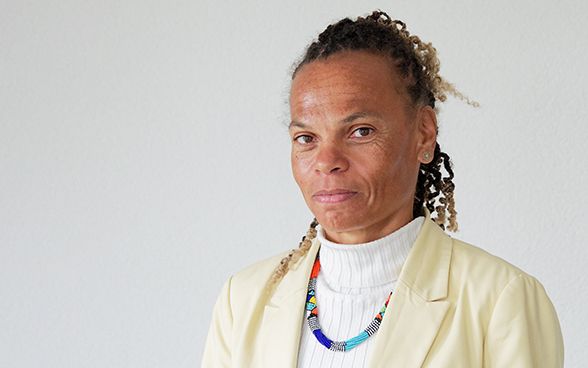
Ms Danzi, we are currently witnessing a historic event that jeopardises many years of development cooperation: the Taliban have taken power in Afghanistan, the Swiss cooperation office has had to be closed, and all its staff are back in Switzerland. The SDC is adapting its programme to the changing situation on the ground. What impact do you think these events will have on Switzerland's international cooperation? And how does international cooperation even adapt to this new reality?
This new situation has had a profound personal impact on us. As always, it is the local population who are most affected here. It has been suffering from war for decades, and is feeling the effects of climate change on top of this. Afghanistan is also undergoing a long-standing period of drought. Nevertheless, as the takeover mostly occurred without hostilities, the civilian population was spared any further warfare. It is now important that Switzerland's international cooperation stays its course, even in this uncertain context, for it is now that the population needs it most of all.
Switzerland's development cooperation has been present in Afghanistan since 2002. For almost 20 years, it has conducted a wide range of activities equivalent to CHF 30 million of support a year. A commitment in such a fragile context always comes with risks, placing high demands on our personnel and requiring considerable flexibility. But it is because Switzerland perseveres even in challenging contexts that it enjoys such high credibility. And that is worth a great deal. Switzerland's international cooperation offers a clear added value because it is a neutral yet committed country that is not engaged in warfare. Time and again, Switzerland has been able to play a peacebuilding role in such situations.
Time and again, Switzerland has been able to play a peacebuilding role in such situations.
In the future, the SDC will primarily support national and international partners who are providing aid on the ground – and will continue to do so after the Taliban have taken power. Investments in food security, education, protection and the rule of law are always worthwhile, and studies have proved they are sustainable.
Alongside the situation in Afghanistan, COVID-19 has also presented huge challenges for the SDC over the past year. What has it achieved with regard to the pandemic?
In dealing with the challenges posed by Covid-19, Switzerland has shown that it can provide targeted support with smaller issues on the ground, while also consistently making an impact through ‹major leverage› in cooperation with other countries. Switzerland – in collaboration with the Swiss private sector – provided 30,000 COVID-19 test kits, thermometers and protective equipment items for the central government and the provinces in Nepal, a country with a very poor healthcare system.
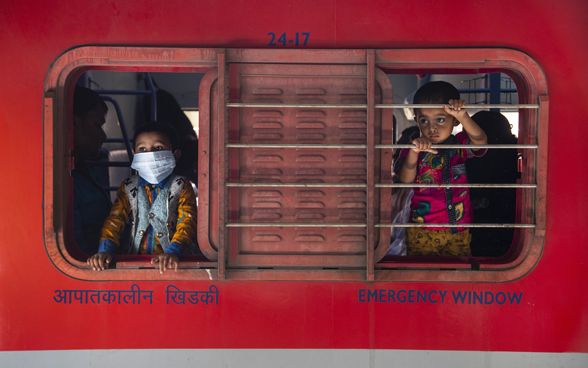
At multilateral level, it worked with ACT-A – an alliance of countries, private companies and associations – to ensure that countries such as Ghana, Côte d'Ivoire and Jordan rapidly obtained access to COVID-19 vaccines and ultimately succeeded in negotiating a price per COVID-19 test kit of a tenth of the original price. This is extremely encouraging and shows that even global issues can be tackled rapidly when various actors join forces.
We sometimes don't fully realise – Switzerland has a good reputation.
Thanks to ACT-A and the COVAX and COVAX Facility initiative launched by the World Health Organization (WHO), scientific achievements can be made accessible to all countries. In concrete terms, thanks to the initiative, everyone – regardless of their purchasing power – has access to diagnostics, medical treatment and vaccinations. ACT-A was launched in April 2020, and vaccines have only been available since December 2020. What ACT-A has achieved in this short time is huge. And Switzerland can be proud to have played its part. It was able to do this because it has made a substantial financial contribution and thus has a seat on decision-making bodies. We sometimes don't fully realise – Switzerland has a good reputation, it can provide a lot of funding and solid expertise quickly. People listen to us. So together with others, we can quickly reach millions of people. This represents a huge opportunity to tackle the big problems on planet Earth, and it gives me motivation for the SDC's future work!
LIVE: 60 years of Swiss engagement in a changing world
A plus for sustainable development – virtual event for the 60th anniversary of international cooperation: 9 September 2021, 1–3pm (CET, Bern).
Stream with simultaneous interpretations into English
Original German, French and English (without simultaneous interpretations)
From «development aid» to «international cooperation»: looking back at the SDC's 60-year history reveals how the agency has shifted from simply providing technical aid towards the close involvement of partners on the ground – a trend that has also been influenced by major events on the world political stage, including the end of the Second World War, the fall of the Berlin Wall in 1989 and the 9/11 terror attack in 2001. Which «change of era» and corresponding SDC response are you most impressed by?
The developments in our understanding of cooperation after the fall of the Berlin Wall were extremely significant.
The SDC has constantly adapted to global events and changing landscapes and has to reflect on the following questions: «Are we adopting the right approach? Are we implementing it properly? Are we focusing on the right places? Are we still well positioned and are our networking activities adequate?» After the fall of the Berlin Wall and decline of the former Eastern Bloc, we saw a momentous shift from technical aid – for example supporting bridge-building in Nepal or creating the Swiss Humanitarian Aid Unit (SHA) – towards a completely new understanding of cooperation with our partner countries. Some countries had a completely different understanding of cooperation and were accustomed to different planning horizons and objectives; they had a high standard of education and wanted to get involved.
9/11 shook the world to its core and the ramifications will be felt for a long time to come. Conflicts also last longer – sometimes for several decades – which has a huge impact on how humanitarian aid, development cooperation and peacebuilding have to work together to achieve a long-term impact. Today there are also issues such as the pandemic, migratory flows and climate change to contend with.
Since 2015, the international community has agreed on the 17 Sustainable Development Goals of the 2030 Agenda. Practically every country was involved in drafting them. They provide a set of shared guidelines that ensure everyone is on the same page.
You've been director general of the SDC for just over a year and a half now. Which of the achievements under your leadership are you most pleased with?
That we've dealt with the situation in Afghanistan in a professional manner up until this point. That we have been able to support our partners in a rapid and straightforward way during the COVID-19 crisis. That we were still able to rely on the solidarity and trust of the Swiss people and received more funding for Swiss development cooperation. And finally, that even in these challenging times and despite the fragile context, the SDC has maintained as much of an on-the-ground presence as possible in the respective countries, or remained active via partner organisations.
After COVID-19 we rapidly adapted and reprogrammed hundreds of local SDC projects to meet the new requirements. Swiftly and without unnecessary red tape, the Federal Council made available CHF 400 million to alleviate the impact of the pandemic and later pushed this through Parliament as a supplementary credit – in addition to the CHF 11.2 billion approved by Parliament as part of the International Cooperation Strategy. The Federal Council has also approved a supplementary credit of CHF 300 million to support the COVAX initiative, and this is currently making its way through Parliament. This can't be taken for granted, especially in what is also an economically challenging climate for Switzerland. It boosts Switzerland's image and reputation as a partner whose development cooperation can be relied upon, and shows that the SDC can offer rapid, unbureaucratic support even in difficult times. In Afghanistan, too, Switzerland has also quickly adapted and faced up to the new challenges.
Staff from the cooperation office in Kabul started taking on assignments at the FDFA's Crisis Management Centre (KMZ) just two days after returning from Afghanistan. They wanted to help, to get our local staff and their families, as well as the Swiss nationals who were still in Afghanistan, to safety in Switzerland.
I joined a hotbed of highly-motivated employees!
This shows the great commitment of SDC staff. I joined a hotbed of highly-motivated, proactively-minded employees. When we asked them in a survey how the IC Strategy 2021–24 could be implemented most effectively, we received hundreds of ideas. I was delighted! We're taking the suggestions and comments very seriously – we are drawing on these action areas to adapt to the new challenges and ensure that we will remain a relevant development organisation over the next 60 years.
Ms Danzi, finally let's reflect on the future: what key principles does the SDC need to adopt to ensure it continues to receive public support and carries on successfully making an impact in future?
There are five key principles. Constantly adapting to new requirements and the geopolitical situation, developing stronger networks, remaining agile, even more effective impact assessment and even greater inclusion of our partners' own contributions. We must also improve our communications, highlight the SDC's achievements and hold debates on development cooperation.
The SDC will continue to constantly adapt its international cooperation to the global context, as it has done for the past 60 years. It is now more important than ever to adopt a non-sectoral, networked approach in the spirit of the 2030 Agenda and the SDGs. This is crucial in achieving lasting success on the ground.
I want us to stay ‹young› – looking ahead, I realise that most of our management will be nearing retirement in 2030! This means we have to involve more people in project development who will be reaching their peak around then!
In the future, partner countries will bear part of the financial costs themselves.
In the future, we will be calling for greater commitments and contributions from our partners on the ground. There are a range of ways they can make their own contribution, whether this is time, work or money. The new funding models are pointing in this direction: in the future, partner countries will bear a small or large part of the financial costs themselves, depending on their resources. Even individual households can make small contributions to ensuring cooperation is more sustainable. Water, for example, is both precious and important – it has value to people. If possible, individual households are willing to make a small, symbolic contribution to their water supply. This allows them to bear some of the maintenance costs and help ensure the quality of the water.
We're going to be more demanding.
We are going to work together to set interim objectives in our projects, then jointly assess them and determine how to proceed if they are not achieved. Yes, we expect a contribution from our partners. And yes, we are going to be more demanding. This is because we no longer simply provide «development aid», but value participation and expect to actually work with our partners on bilateral cooperation.
SDC audits at times accounted for half of all federal audits.
We will also place greater emphasis on measuring the impact of our work in the future. Although SDC audits already account for half of all federal audits at times, we are nonetheless aiming to reinforce traditional tools such as audits and evaluations. To that end, we have set up a compliance office at the FDFA where third parties will be able to submit complaints. We will listen to them, take them seriously and learn from them.
In this day and age, it is also important that our communication is of a high standard and continues to improve. People still don't know enough about the valuable international cooperation the SDC has been involved in over the past 60 years, as well as its effectiveness and the depth of its impact. I want to publicise what we're doing here more widely and not shy away from debates either!
Thank you very much for the interview, Ms Danzi.
Key aspects of Swiss cooperation
The SDC is celebrating its 60th anniversary this year. To mark the occasion, we are looking at various aspects of international cooperation – including how it developed historically. International cooperation aims to alleviate need and poverty worldwide, to foster respect for human rights, to promote democracy and to protect the environment. The following thematic priorities were set for the period 2021–24:
- Creating decent jobs locally
- Continuing to combat climate change
- Reducing the causes of displacement and irregular migration
- Working to ensure the rule of law
A total of CHF 11.25 billion has been earmarked for 2021–24 as part of financial planning. The International Cooperation Strategy is aligned with Switzerland's Foreign Policy Strategy 2020–23.
60 years of Swiss engagement in a changing world
Switzerland's IC is active in many areas. It's a story peppered with countless challenges that demand an unswerving spirit of adaptation and innovation.
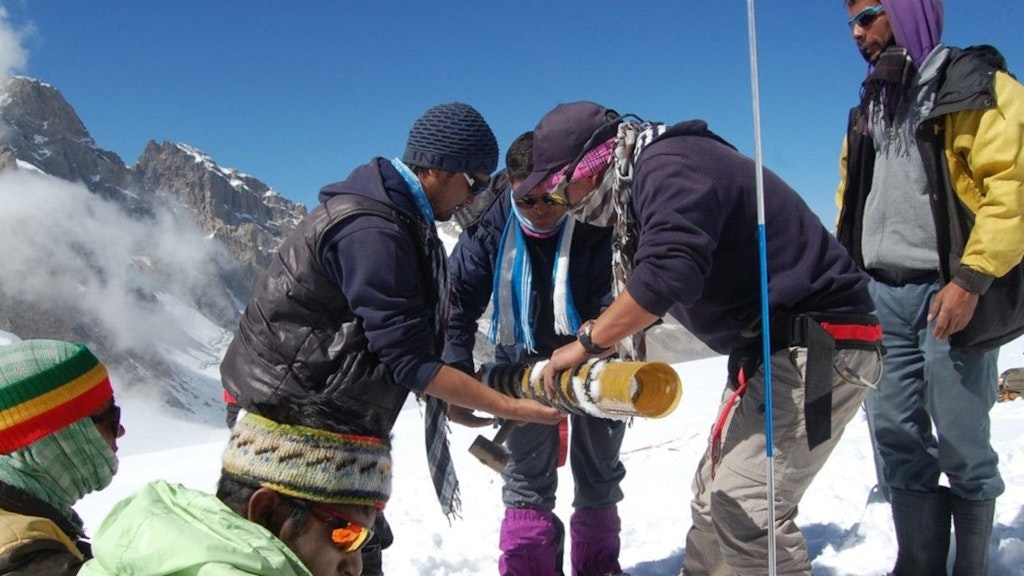
"How to talk about international cooperation today"
An interview with SDC Director General Patricia Danzi on the added value of Swiss international cooperation, including a glimpse into its future.
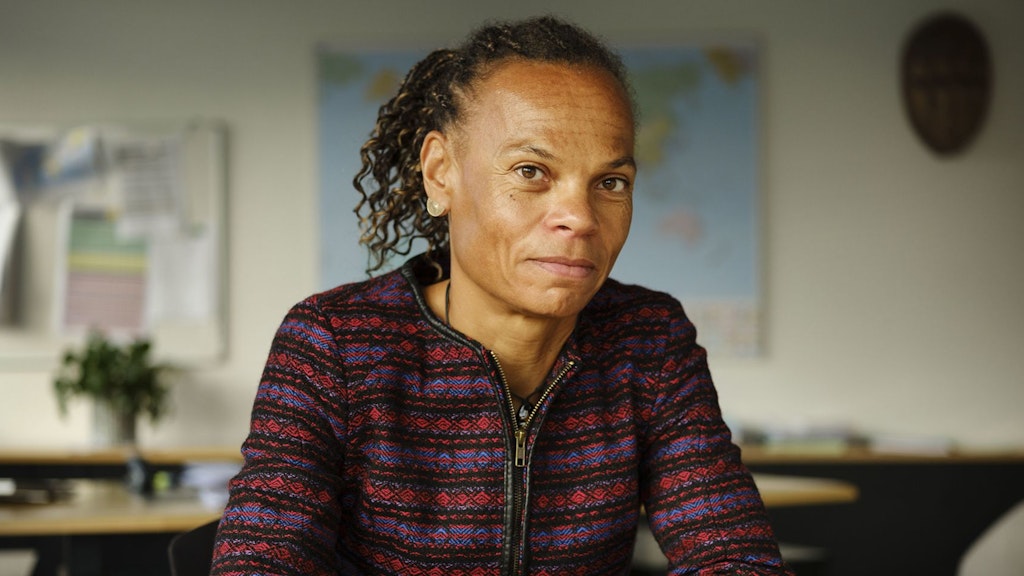
«Sustainable development would not be possible without business»
SDC Director General Patricia Danzi talks about the role of the private sector in international cooperation, about ending poverty and about human dignity.
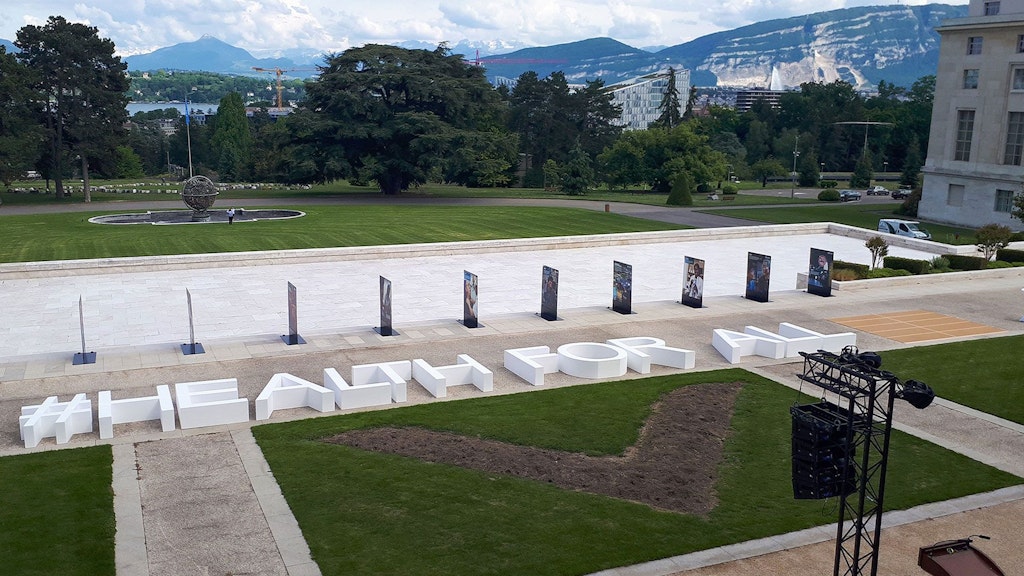
Equitable access to diagnostics, treatments and vaccines: three pillars of a global response
Equitable access to diagnostic, treatment and vaccines: an SDC priority in response to the pandemic. Learn more about it on World Health Day.
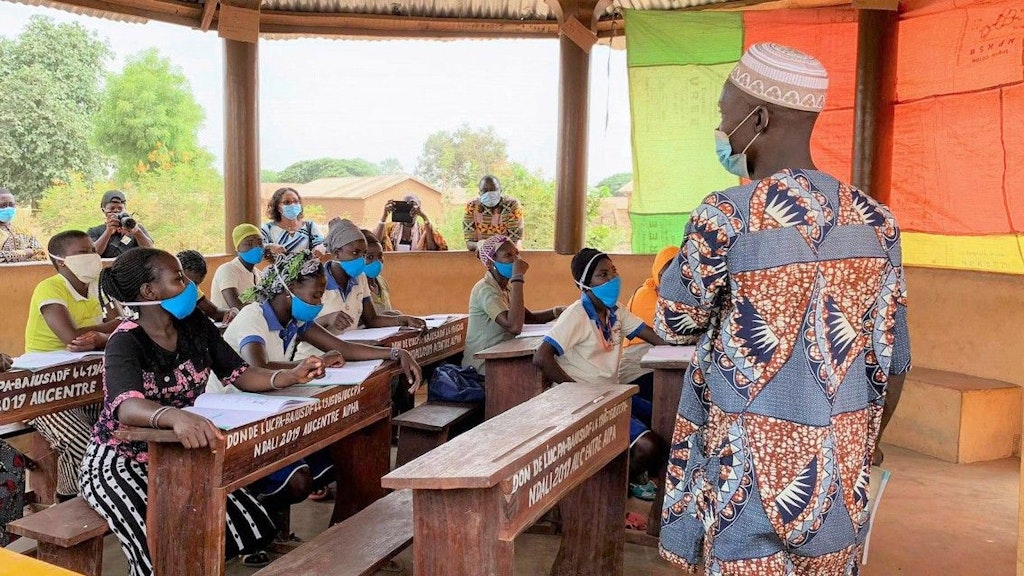
Education: the key to sustainable development
Since 2008, Switzerland has supported the Global Partnership for Education. Learn more about Switzerland's related work in Afghanistan and Benin.
Contact
Eichenweg 5
3003 Bern