
Millions displaced by conflict and insecurity
Increasing conflict and insecurity are forcing many people, especially women and children, to flee their homes. In Syria and the wider region, Kenya and West and North Africa, the Swiss Agency for Development and Cooperation (SDC) is working to protect displaced people and ensure that they have safe and decent living conditions.
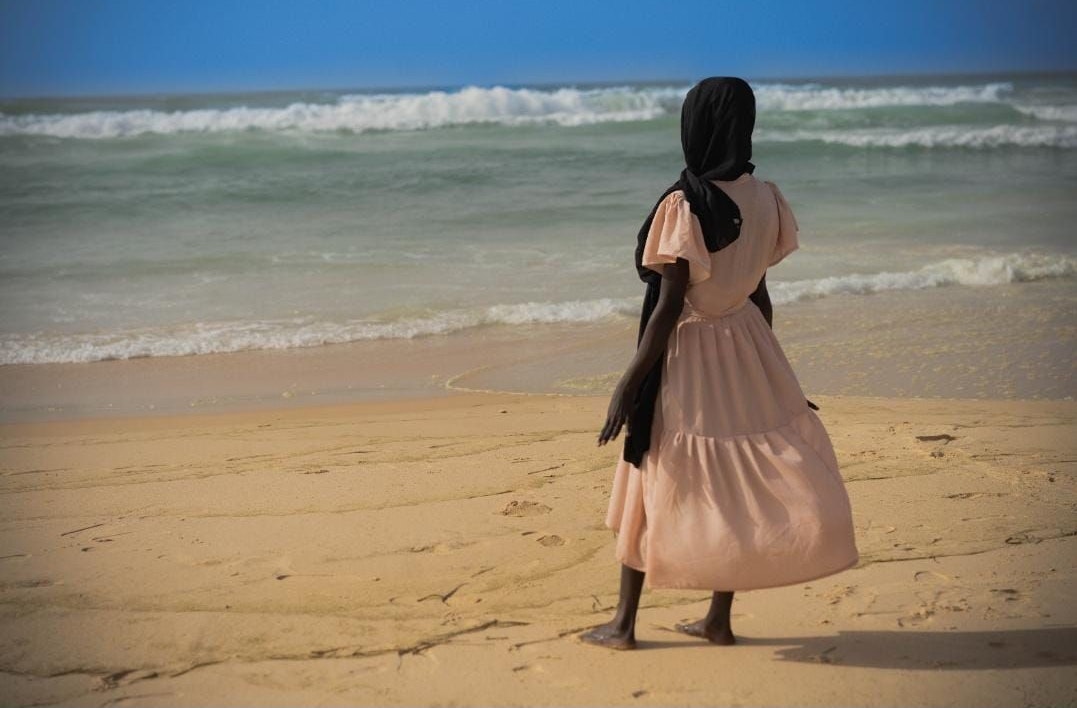
Armed conflict is one of the main causes of forced displacement worldwide. By working to safeguard the rights of displaced persons and ensure safe and decent living conditions in host regions, Switzerland is helping to strengthen global stability, in keeping with its humanitarian tradition.
The number of people forced to flee their homes is rising. According to UNHCR, the UN Refugee Agency, over 117 million women, men and children are currently forcibly displaced worldwide. The majority of them (75.9 million) are displaced within their own country, according to the Internal Displacement Monitoring Centre (IDMC). Of those displaced beyond their own borders, most (70%) find refuge in a neighbouring country. Three quarters of refugees live in low- to middle-income countries.
In light of this situation, Switzerland, through its international development cooperation and humanitarian aid, is actively engaged in finding solutions to sustainably improve the living conditions and protection of displaced populations in their regions of origin and reduce the risk of further displacement, thereby helping to stabilise the affected regions. Through its long-term commitments, Switzerland's international cooperation also contributes to conflict prevention, peace promotion and peacebuilding, as well as strengthening democratic institutions and the rule of law in fragile states.
Below you will find some examples of specific Swiss initiatives: supporting education for refugee populations in Jordan and Lebanon who have fled the conflict in Syria; promoting entrepreneurship in the Dadaab refugee camp in Kenya; and protecting children and young people on migration routes in West and North Africa.
Syria: support for refugee populations in the region
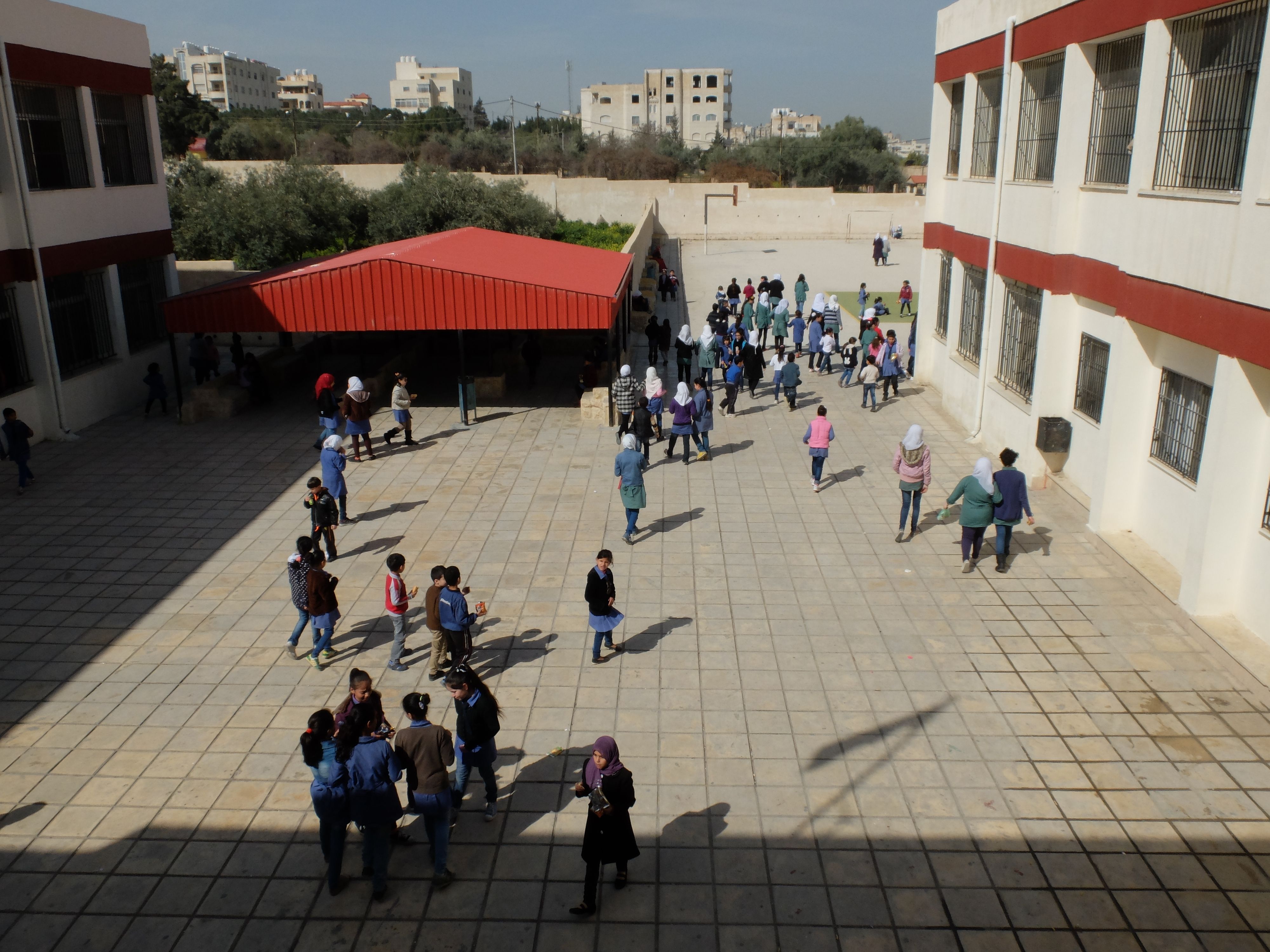
The conflict in Syria has triggered one of the world's biggest displacement crises. Since 2011, over 7 million people have been displaced within Syria, while around 6 million have fled to neighbouring countries such as Lebanon and Jordan, where socio-economic and political conditions are deteriorating rapidly. This forced relocation makes people particularly vulnerable and poses major challenges for the host communities.
By means of a regional cooperation programme, Switzerland is working to improve the security situation and living conditions for conflict-affected and vulnerable people. The programme, with its focus on protection, education and water, provides a vital basis for safe and peaceful coexistence. Civil status documents and rights to housing, land and property remain among the most pressing legal needs. Without them, it is harder to access services such as education, and the risk of statelessness, abuse and exploitation increases, especially for women and children. Switzerland therefore works with the Norwegian Refugee Council and local actors, pursuing a regional approach including prevention measures and legal advice and support.
In Jordan, an average of 12% of Syrian refugee children do not attend school. To help address this, the SDC is actively supporting the ongoing reform of the education sector through a UNESCO programme with the Jordanian Ministry of Education and through education programmes for refugee and host communities. It also supports inclusive education in Lebanon through partner organisations and works with UNICEF to strengthen the education system and promote a child-friendly justice system. In Syria, the SDC is working with Save the Children to ensure that displaced children have access to education.
The SDC also addresses water issues in the region, with a view to preventing distribution-related conflicts. For example, it supports a water and sanitation project with UNICEF in Syria and ensures access to clean water in Lebanon and in Jordan's Azraq refugee camp.
Kenya: a life of dignity for refugees in the Dadaab camp
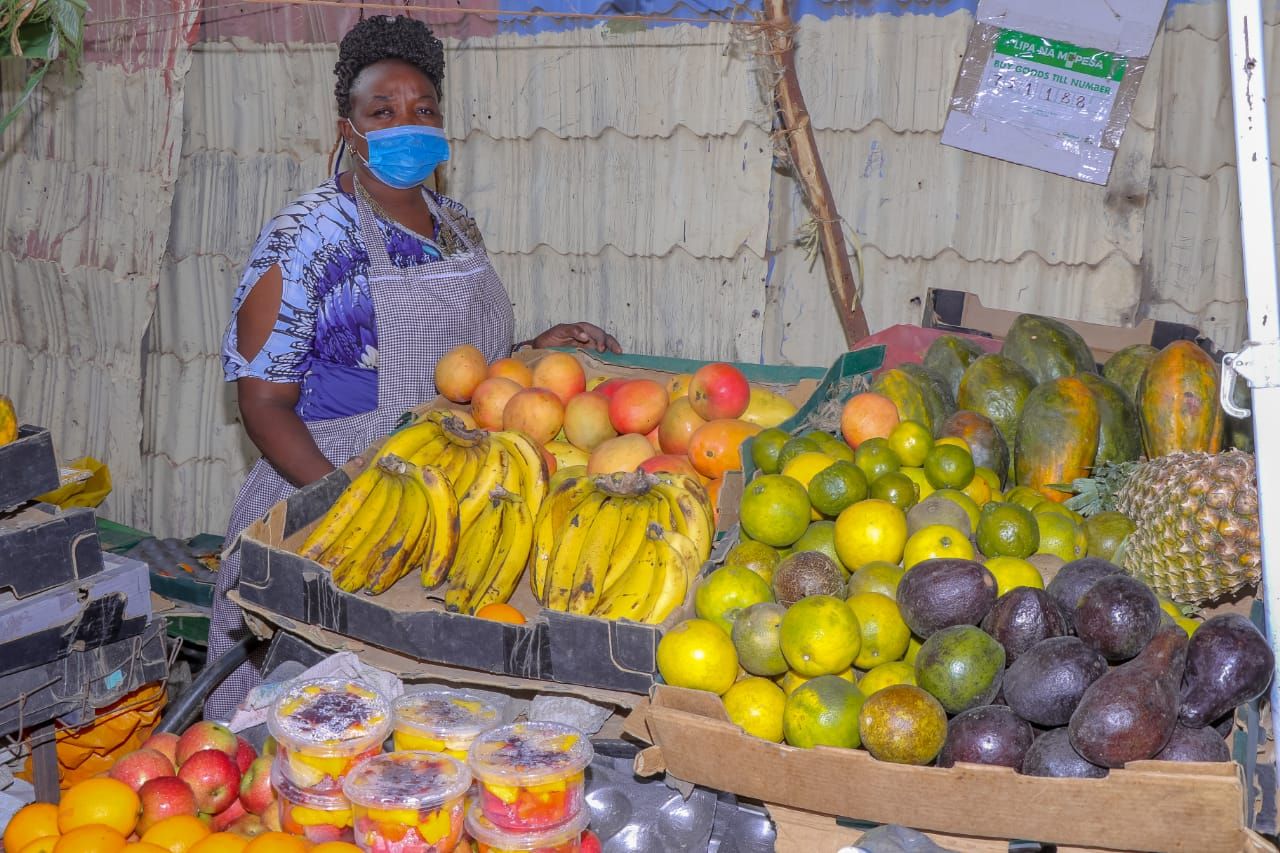
Kenya is one of the world's leading refugee-hosting countries. Many refugees in Kenya live in large camps. The biggest of these is the Dadaab refugee camp in eastern Kenya, which is home to 385,000 people, mainly from Somalia. Living conditions in the camp are difficult. Its residents are highly dependent on international aid organisations and live in relative isolation from the rest of Kenyan society.
The Shirika Plan launched by the Kenyan government aims to change this situation by pursuing an integrated settlement policy for refugees. While progress remains limited so far, the reform has provided the impetus to invest more in long-term development projects for refugees in the camps (known as 'durable solutions').
The SDC is involved in a project promoting the social integration and economic independence of refugees in Dadaab, for which it is supporting the organisation Inkomoko. Through start-up financing and advisory services, Inkomoko aims to provide entrepreneurs in the camp with the capital and knowledge they need to develop their business independently. While the integration of refugees into Kenyan society is progressing slowly, the Dadaab project is a key step towards boosting the local economy by creating income and jobs. As such, it offers refugees hope for a better future and a life of dignity.
West and North Africa: protecting children and young people on migration routes
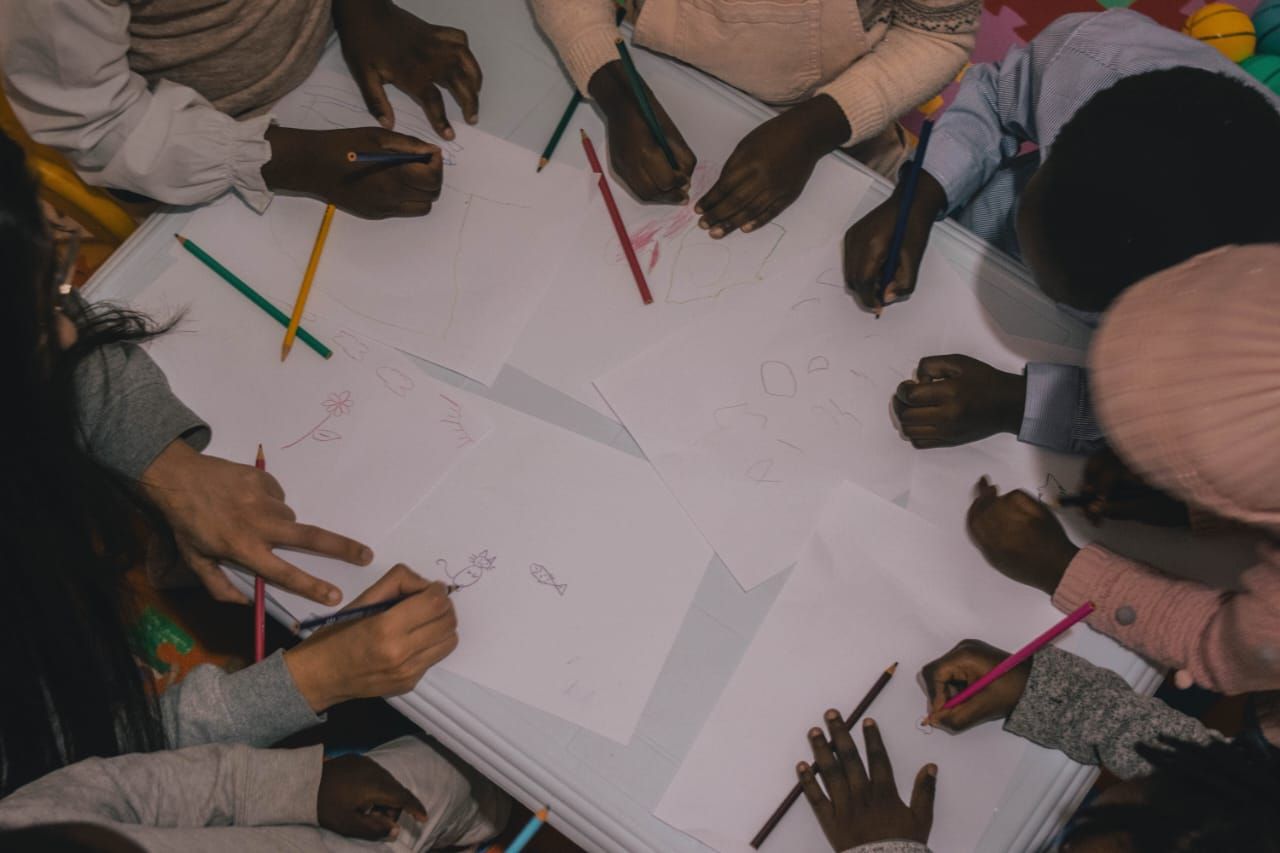
More than 5 million children and young people find themselves, for various reasons, on migration routes in West and North Africa. This mobility is driven by a range of factors, including insecurity, armed violence, political and climate crises, and the degradation of natural resources, as well as family traditions and the search for socio-economic opportunities. Being on the move has some advantages but also poses many risks.
In response to these challenges, the SDC launched the ‹Children and Youth on Migration Routes› project in 2022 to ensure safer mobility and to protect these groups, who are exposed to various types of vulnerability, particularly in the case of girls. Implemented by Helvetas, Terre des Hommes and the German Agency for International Cooperation (GIZ), the project covers six countries: Tunisia, Morocco, Guinea, Mali, Niger and Senegal.
As part of its protection component, the project has, for example, set up one-stop shops to act as reception centres for migrant children and youth. Mobile teams identify young people and refer them to these centres, where their situation is assessed. They are then directed to appropriate facilities, where they receive personalised support, including medical care, psychosocial support, educational and vocational guidance and socio-economic integration services. Food kits are also handed out to those in urgent need. Last but not least, the project arranges family reunification with parents when conditions allow.
As the countries concerned often lack appropriate services to support these young migrants, the SDC is also engaging in dialogue with national and local authorities to strengthen their capacity to provide basic services and better integrate migration issues into public policy.
By providing a coordinated response to the needs of children and young people, this project protects a vulnerable group while strengthening local and national capacities to manage migration.
Contact
Eichenweg 5
3003 Bern