
Nature Conservation and Local Development: It’s a Match!
Nature conservation is often understood to be in contradiction with the utilisation of natural resources for economic and social purposes. However, landscapes can be managed to serve multiple purposes at the same time. The «Nature Conservation Programme» in North Macedonia has convincingly demonstrated how nature conservation and local development can mutually reinforce each other.
Home to over 16,000 wild species, North Macedonia is a European biodiversity hotspot. The Bregalnica region in particular has an extraordinary biodiversity richness that needs to be preserved while ensuring economic benefits for the local population.
The project «Nature Conservation Programme» (NCP) began in 2012 and was successfully completed in 2023. It applied a so-called landscape approach, which is a useful tool for managing multiple demands in a participatory manner. This resulted in partnerships with 15 municipalities, the private sector, and government as well as civil society. Helvetas Swiss Intercooperation undertook the coordination role for the first 4 years, after which it was handed over successfully to the local company Farmahem.
Landscape Approach
With growing pressure on landscapes around the globe, the landscape approach has gained momentum in sustainable development. It recognises the interconnections between people and nature in places of productive land use and aims at reconciling the interests between various groups of users and biodiversity conservation. The landscape approach builds on ten principles: adaptive management, common concern, multiple scales, multiple uses and needs, equitable management, transparent change, clear rights and responsibilities, participatory monitoring, resilience, and strengthened capacity.
Laying the Basis
Before 2012, little was known about the biodiversity of the eastern region of North Macedonia. The project conducted an Ecological Gap Analysis to identify the richness of biodiversity and the presence of rare species and habitats. The result was visualised in an Ecological Sensitivity Map.
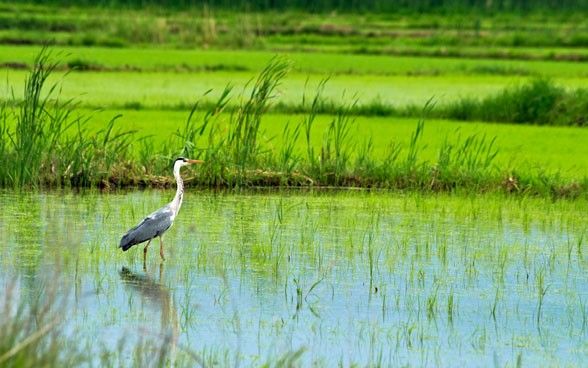
In the course of implementation, the landscapes of Osogovo Mountains and Maleshevo were officially recognized as protected areas, arising the country's territory under protection from 8,9% to 11,2%. Furthermore, three new sites were identified under the European Natura 2000 network of protected areas. Additionally, a 15 km strip of riparian vegetation was restored, which reduces the risk of flooding and soil erosion, and allows the preservation of riparian biodiversity.
Common Interests
Nature conservation was not a common point of interest when the programme began; however, the depopulation of the Eastern region - especially rural depopulation - united different groups. This trend may largely be attributed to a lack of well-paid jobs and opportunities, resulting in younger people moving away and leaving an increasingly older population behind. Furthermore, with old ways of labour-intensive land management declining, the patchwork of different land uses, habitats and their associated biodiversity was deteriorating, whilst vulnerability to landscape fires, floods and soil erosion was growing.
The challenge was to develop the project to support rural livelihoods through sustainable natural resource management. The awareness that nature conservation and economic prosperity are mutually reinforcing each other, led to greater readiness of stakeholder to engage.
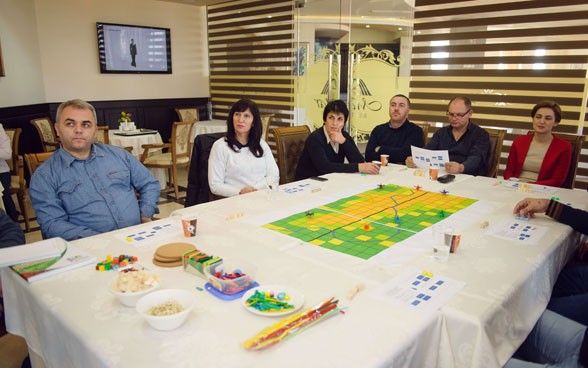
The project sought to cultivate stakeholder engagement not only through the workshops and capacity building activities, but also through a steady public awareness campaign about the importance of the natural environment and its potential link to jobs in tourism and sustainable agriculture. It piloted a small competitive grants scheme related to nature conservation, sustainable natural resource management and energy efficiency. 36 initiatives were awarded, out of which 5 received project funding for upscaling. Moreover, learning exchanges between students, professors, and practitioners from Switzerland fostered the integration of biodiversity topics into the curriculum of forestry faculty in North Macedonia. Lastly, an Educational Centre for Nature Conservation was established, which collaborates with schools, faculties, private sector and citizens’ associations. This has measurably increased awareness of the value of nature and the sustainable use of resources in the Bregalnica region.
Additional Development Opportunities
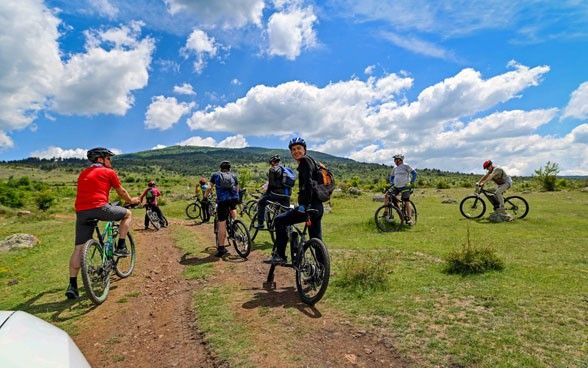
Prosperous biodiversity lays the basis for new forms of economic activity. Eco-tourism was promoted as one of the project’s interventions in the newly established protected areas. This supports the continuation of local traditions and cultural heritage and helps to mitigate outmigration, offering jobs and economic opportunities. The demand for eco-tourism in the Bregalnica region still continues to grow steadily.
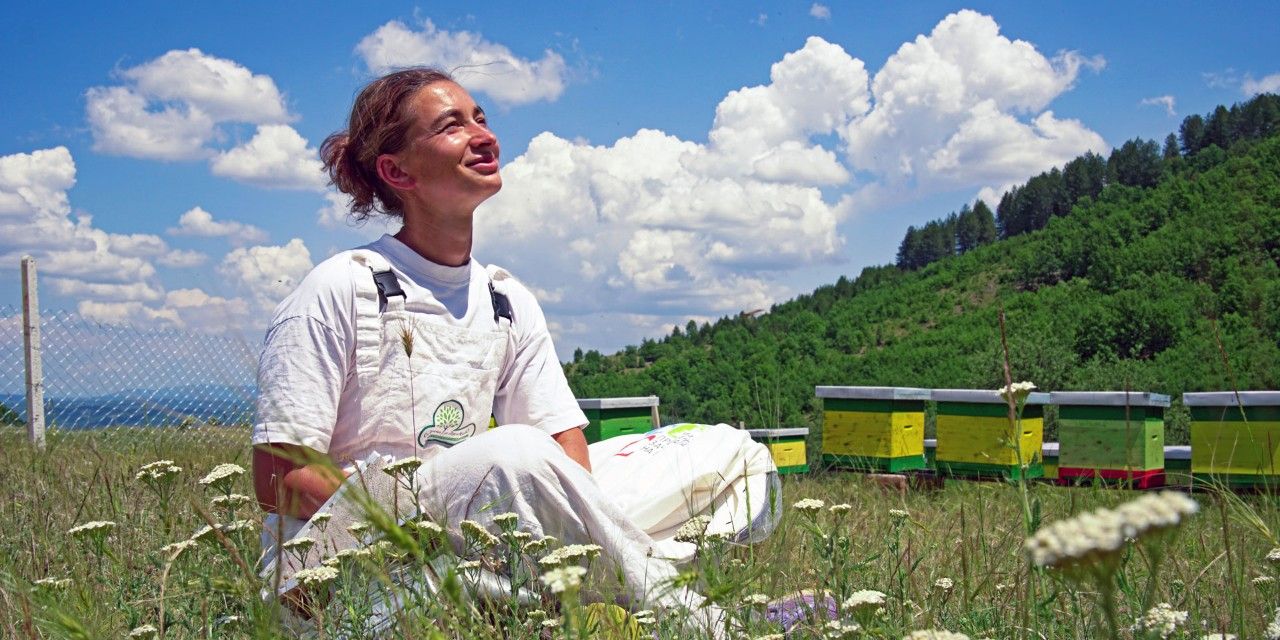
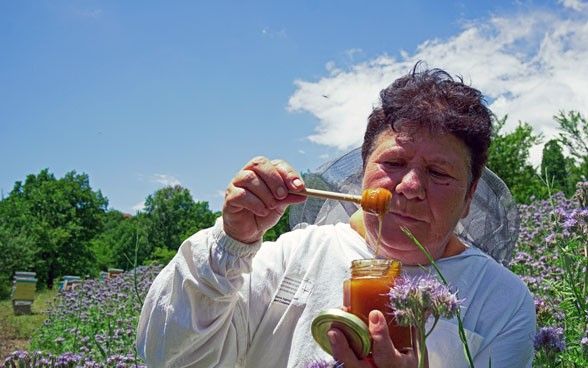
In addition, 36 young unemployed people (30% of whom women) were trained for sustainable beekeeping, and a core group «Honey East» with 30 members was established. This core group developed the first certified sustainable beekeeping educational program in the country with an apiary and a training center. So far, 49 young people have completed the training and are applying sustainable beekeeping practices. A certification brand for sustainable bee products with an internal control system was issued to the Honey East Association. Promotional events like Honey Days and the International Bee Day were organized in the region.
«Honeyland»
One example for the project’s public awareness-raising activities is the documentary movie «Honeyland», which captures the life of the last woman «wildbee-keeper» in Europe. It won more than 40 prizes across the globe and was nominated for an Oscar in two categories.
A solid Basis for Future Prosperity
By establishing a multi-stakeholder dialogue at every level - from local to national and vice versa -and involving more than 150 different stakeholders, the NCP has contributed to good relations, mutual understanding and improved stakeholder capacities. Hence, even after its completion, it allows for an optimistic outlook for cooperation in the Bregalnica region serving the richness of biodiversity and providing economic benefits for the local population.
Switzerland remains committed to nature and biodiversity protection in North Macedonia, focusing on addressing climate change impacts and enhancing ecosystem resilience.
Links
Contact
Eichenweg 5
3003 Bern