
Published on 12 March 2025
Red Cross Movement, international funds and networks
Switzerland works together with a number of international organisations, funds and networks, such as the Red Cross Movement. It supports these through financial contributions, participation in strategic decision-making and collaboration at the country level.
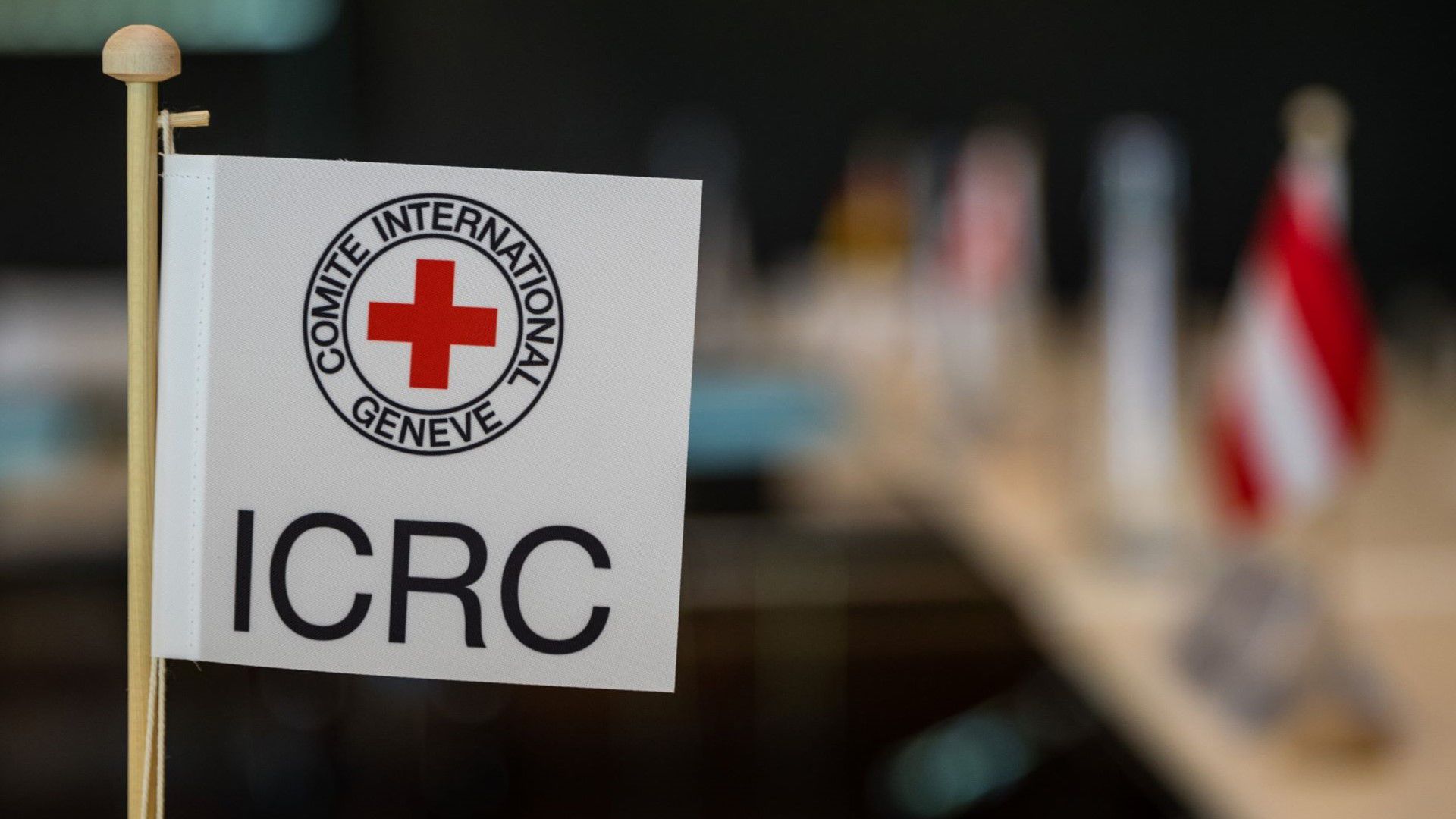
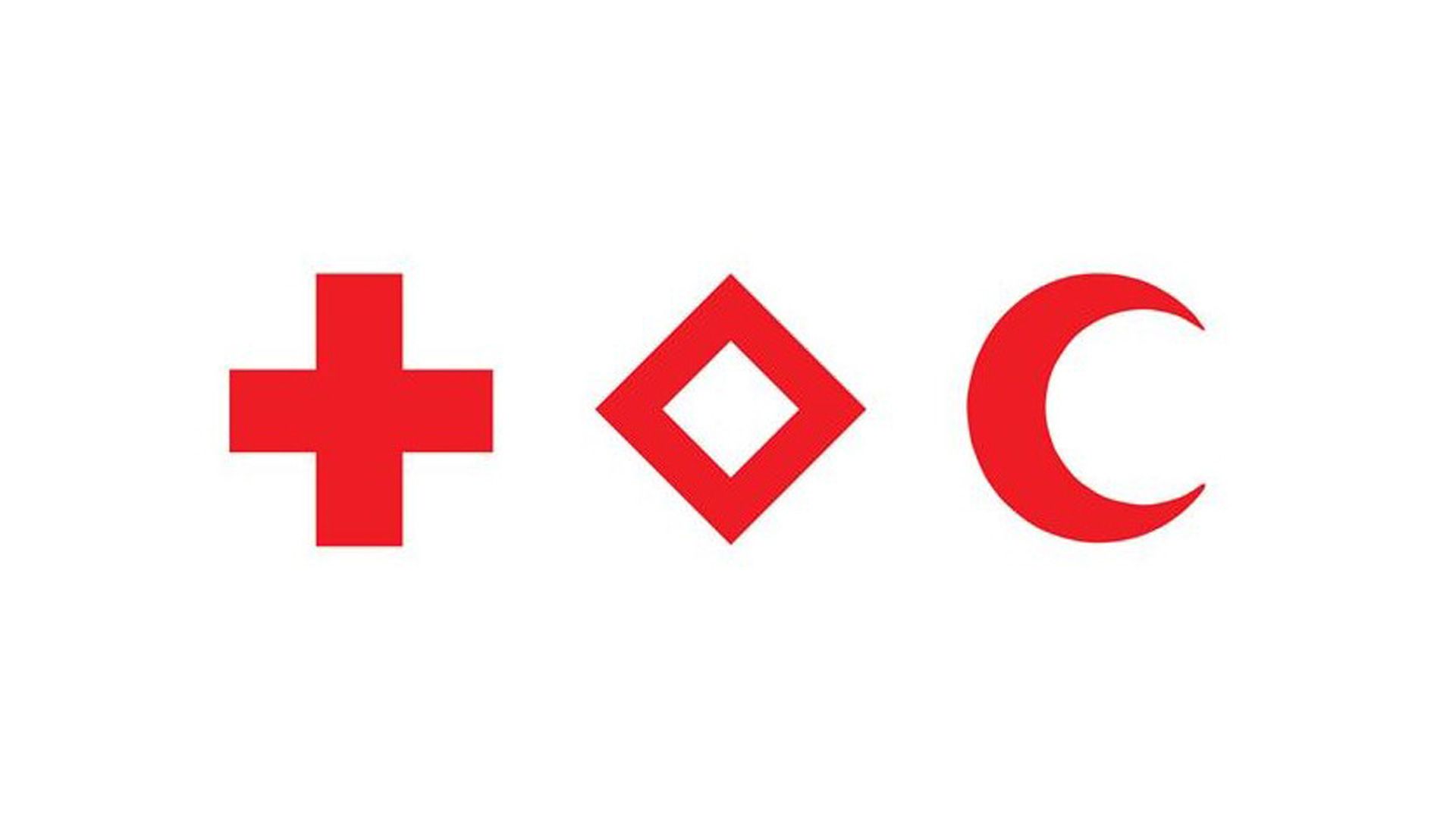
© ICRCM The International Red Cross and Red Crescent Movement is a global humanitarian network with 80 million members that helps those facing conflict, violence and disasters. It consists of the International Committee of the Red Cross (ICRC), the International Federation of Red Cross, and Red Crescent Societies, and 191 National Societies (NS), among them the Swiss Red Cross. Every four years, the Movement holds deliberations with representatives of the signatory states to the Geneva Convention during the International Conference of the Red Cross and Red Crescent. The Conference is the highest deliberative body of the Movement and influences the global humanitarian agenda.
© ICRC The ICRC is an impartial, neutral and independent organisation, whose exclusively humanitarian mission is to protect the life and dignity of victims of armed conflict and other violence and to provide them with assistance. The ICRC is represented in over 90 countries. It also works to prevent suffering by promoting and strengthening international humanitarian law and the universal humanitarian principles. Under the Geneva Convention, the ICRC has a permanent mandate to visit prisons, organise relief operations, reunite separated families and undertake other humanitarian activities during armed conflicts. Switzerland is the depositary state (custodian) of the Geneva Convention and the host state of the ICRC. As one of the ICRC’s largest donors, Switzerland provides funding to support the organisation at its headquarters and for its operational activities, and is thus able to advance the implementation of its own foreign policy objectives in keeping with its humanitarian tradition.
© IFRC The IFRC is an umbrella organisation of the 191 National Societies, which it supports through a global secretariat. It safeguards the integrity of its members and protects the interests of the National Societies. The IFRC carries out relief operations for the victims of natural disasters and in the process helps to develop and strengthen the National Societies of its members.
© GCF The GCF is the world’s largest climate fund. The GCF functions under the guidance of the Conference of the Parties (COP). With more than 250 projects in developing countries totalling USD 13.9 billion, the GCF delivers impactful climate action, both for mitigation and adaptation. Switzerland has committed USD 150 million for the second replenishment of the Fund and has a seat on the board.
© GPE The GPE is the world’s largest and most significant fund in the education sector. The multi-stakeholder partnership aims to improve access to gender inclusive quality education for children in need of support worldwide. The GPE supports governments in more than 90 partner countries that are affected by extreme poverty or conflict to strengthen the resilience of their education systems.
© GLOBAL FUND The Global Fund to fight AIDS, tuberculosis and malaria was founded in 2002 in Geneva. It is an independent, not-for-profit foundation, that brings governments, civil society, the private sector and people affected by HIV/AIDS, tuberculosis or malaria together on one platform. Its mission is to mobilise, manage and invest financial resources to support the implementation of local programmes to fight epidemics of any disease and to strengthen health systems. Switzerland is a founding member of the foundation and is represented on the board in a voting constituency with Canada and Australia.
© CGIAR The CGIAR has a presence in over 80 countries, making it the largest global research network that focuses specifically on the needs of smallholder farmers in developing countries. The CGIAR innovations significantly contribute to enhancing agricultural productivity, improving nutrition and alleviating poverty in developing countries, while promoting more sustainable agricultural practices.
© OECD The OECD is an international organisation headquartered in Paris. It has 37 member countries. It provides member states with a platform for policy deliberation, evaluation and improvement and comprises various committees. One of its key committees for development policy is the Development Assistance Committee (DAC), which has 30 member countries.
© ECW The ECW is the first global fund for education in emergencies and protracted crises. The ECW provides a bridge between humanitarian assistance and development cooperation to ensure that children and young people affected by conflicts, natural disasters or forced displacement are able to safely access inclusive and high-quality education. The ECW brings together public and private partners for this purpose. Switzerland has been supporting the Fund since 2019.
Links
Contact
SDC / Multilateral Affairs and Non-Governmental Organisations
Eichenweg 5
3003 Bern
Eichenweg 5
3003 Bern