
Remembering the 2015 earthquake and Nepal's road to recovery
Ten years ago, a magnitude 7.8 earthquake hit Nepal, claiming almost 9,000 lives. Former migrant worker Dilli Gubaju could only watch as the violent earthquake totally destroyed his home on 25. April 2015. Five million other Nepalese were also made homeless, resulting in a dire humanitarian situation. The Swiss Agency for Development and Cooperation (SDC) launched an immediate response to assist those affected. Since then, it has continued to support long-term reconstruction efforts in Nepal.
Nepal earthquake: SDC provides emergency relief
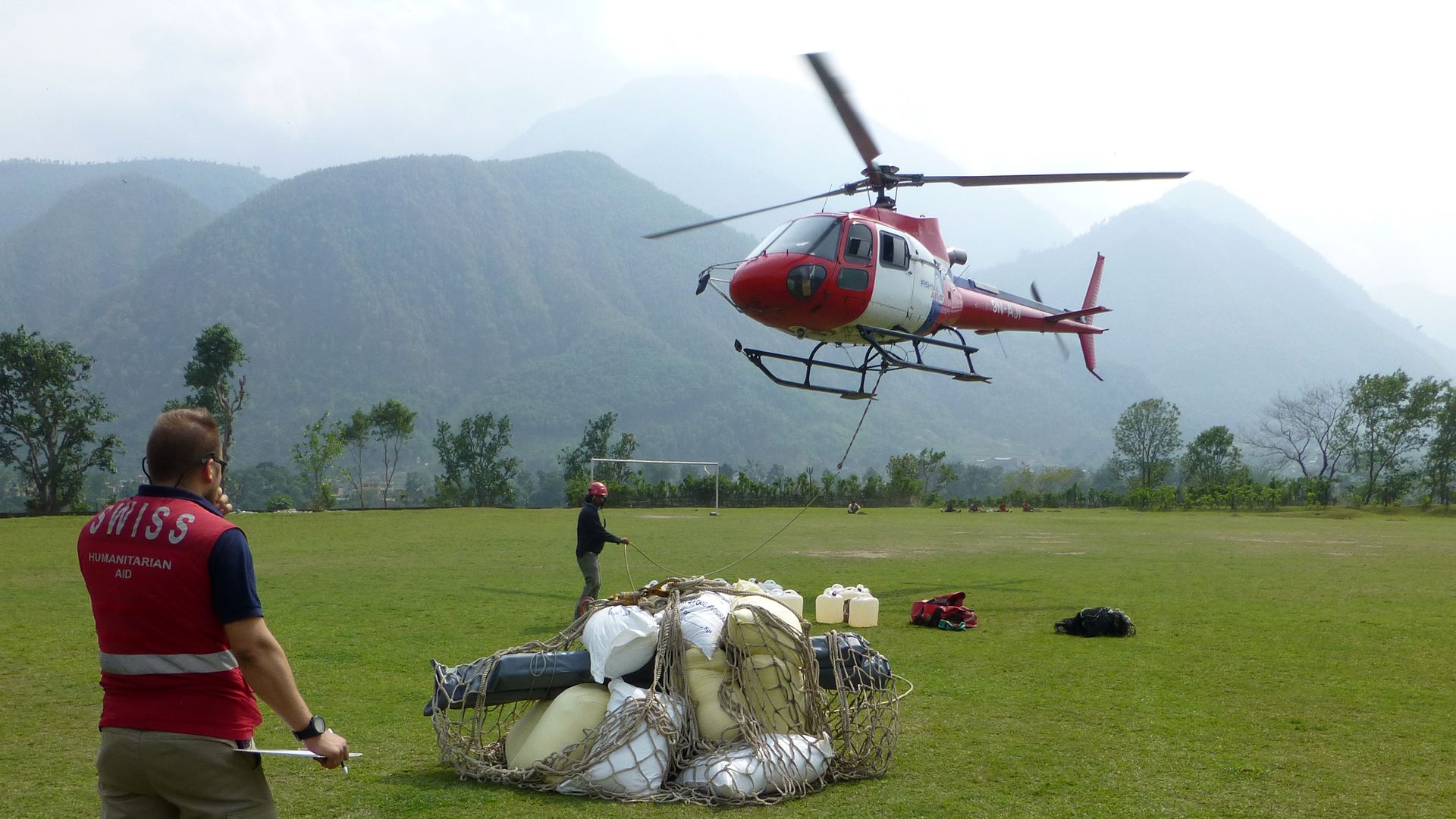
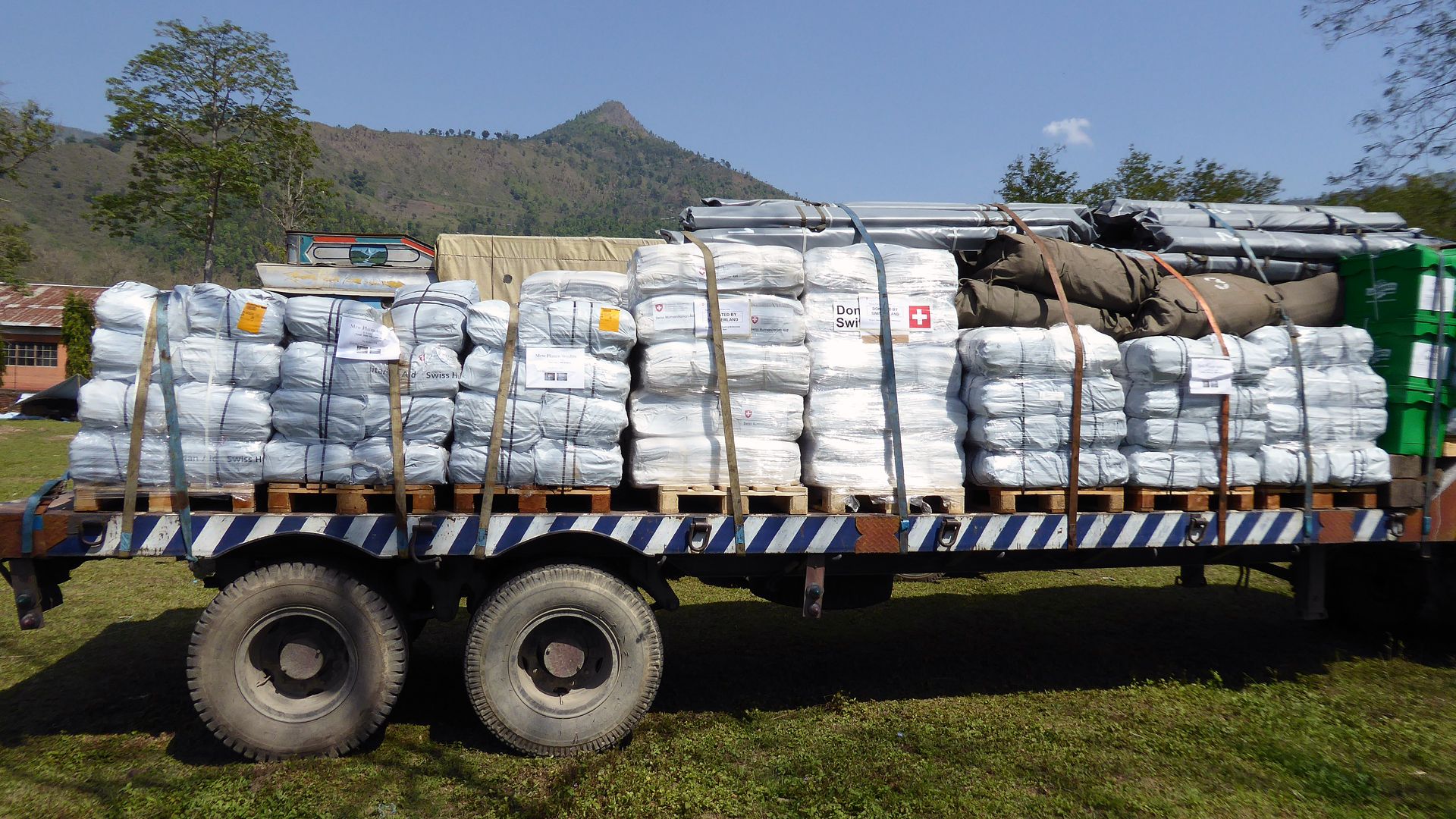
The SDC supplied humanitarian aid immediately, sending seven specialists to Nepal the day after the earthquake struck. Over 200 tonnes of relief supplies were distributed, benefiting some 40,000 families. This mainly consisted of tarpaulin shelter kits, rope and wood for emergency shelters, and hammers and shovels to help people dig through rubble to find essential possessions. The SDC prioritised this aid, along with medical supplies for mothers and children. The ‘mother and child module’, which was deployed to the hospital in Gorkha, ensured ongoing access to routine medical care such as maternity services.
The prompt action taken was key to ensuring the survival of impacted individuals by addressing their urgent need for temporary housing and basic healthcare. Alongside the rapid humanitarian response in Gorkha – the epicentre of the earthquake – the Swiss embassy supplied emergency aid to the wider region, especially in areas where projects were already under way. Close cooperation between the various actors allowed aid to be distributed efficiently and adjusted to meet people's most pressing needs. Seventy Swiss Humanitarian Aid Unit (SHA) specialists were deployed during the initial 40-day emergency phase.
SDC provides long-term support
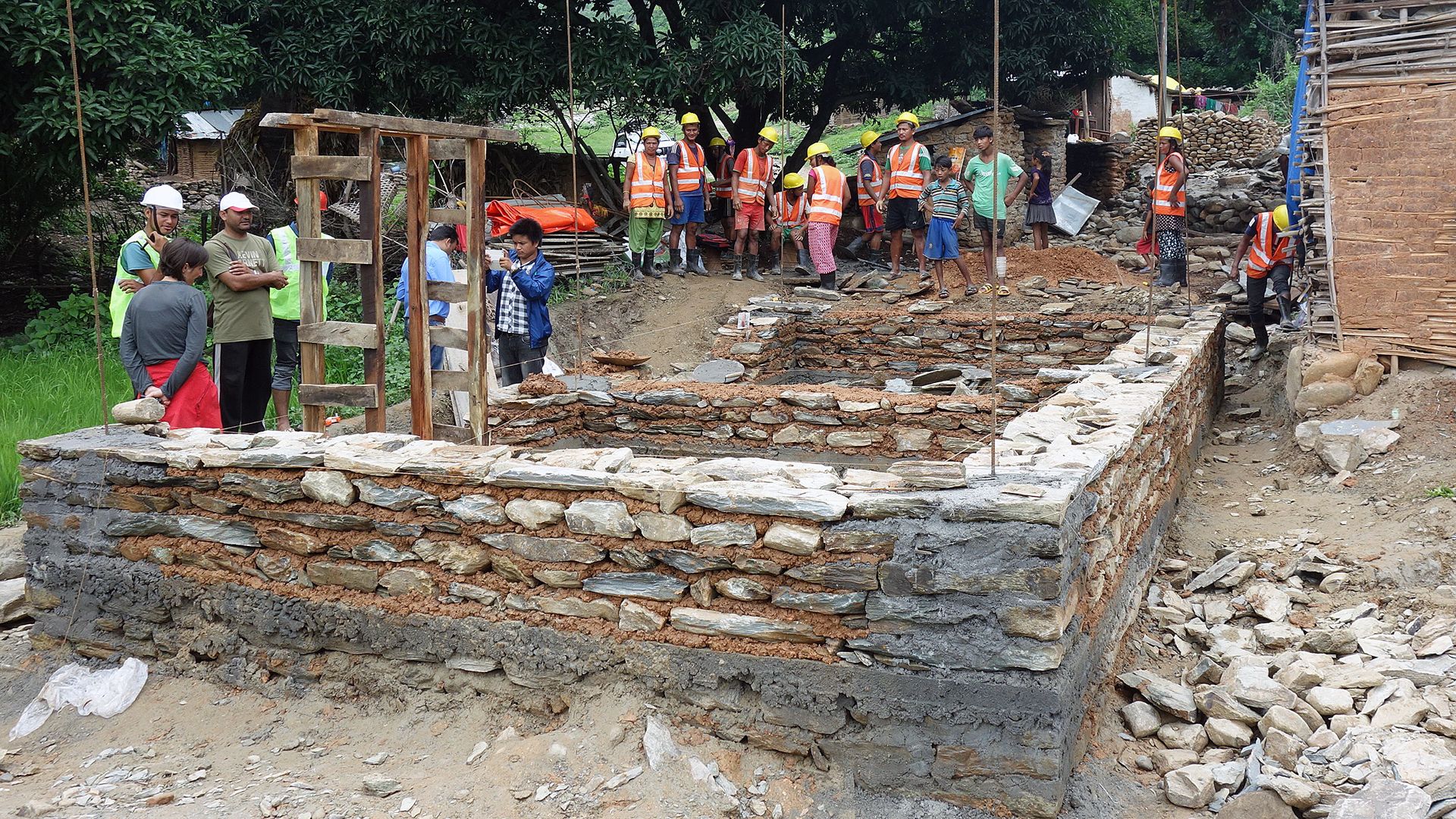
Switzerland's action extended beyond the emergency phase. The SDC has since provided CHF 25 million in funding for medium- to long-term reconstruction programmes. Switzerland's long-standing presence in Nepal has helped these reconstruction efforts. Over the years, the SDC has supported projects to improve infrastructure, construct earthquake-resistant buildings, and promote disaster preparedness. Work has focused primarily on rebuilding schools, healthcare facilities, key infrastructure, and cultural monuments. In addition, disaster prevention and management training has been provided to the Nepalese authorities, helping them prepare for future disasters.
The devastating earthquake in 2015 demonstrated the value of long-term partnerships. Switzerland was able to bring its humanitarian aid expertise to its local networks and development projects in a targeted manner. More specifically, we have helped with reconstruction efforts, for example by training local specialists and promoting earthquake-resistant construction methods.
Switzerland's cooperation work in Nepal is currently prioritising three areas. Firstly, it is assisting the government in implementing the new constitution, which is based on a federal system of governance. Secondly, it is focusing on economic development generally and, in particular, developing the private sector by promoting SMEs and vocational education and training. Thirdly, it is helping Nepal to address major challenges in connection with labour migration. All activities include key transversal themes such as social justice and integration, gender inclusion as well as climate change issues.
In the aftermath of the 2015 earthquake, Switzerland effectively combined its extensive prior experience in Nepal with its humanitarian aid expertise. Our strong local presence and existing projects allowed us to support the reconstruction efforts efficiently and effectively. We our proud of our sustainable contribution in developing local capacity to construct earthquake-resistant buildings.
Earthquake hits Myanmar, 28 March 2025
The latest earthquake to strike Myanmar on 28 March reminds us how important it is to respond to natural disasters through rapid, coordinated relief efforts. The Nepal experience shows that emergency disaster relief and sustainable development work must go hand in hand. Due to the protracted conflict in Myanmar, the Swiss embassy was already crisis-tested, with Switzerland's humanitarian aid on standby.
FDFA provides additional funds for humanitarian aid in Myanmar
Links
Contact
Eichenweg 5
3003 Bern