
Skills development for Tanzania’s vulnerable youth
Every year millions of Tanzanians are entering the workforce. The Swiss Agency for Development and Cooperation (SDC), through its partner Swisscontact, supports the development of professional skills for these young people so that they can find gainful employment. The SDC met with two young women whose training enabled them to start a small business selling flowers as well as a vocational education trainer teaching fish farming.
Tanzania has witnessed steady economic growth since the turn of the century, advancing to lower-middle income country status. However, this growth has not significantly reduced poverty levels, particularly among the youth, who face high rates of unemployment or underemployment. The population continues to grow at a rapid pace, with millions of young people entering the workforce every year. Approximately 77 percent of the population is under 35 years old and 34.7 percent between 15 and 35. To address these challenges, the SDC is supporting vocational education and skills development programmes aimed at ensuring that both demographic and economic growth contribute to poverty alleviation. Through the Skills for Employment Tanzania (SET) project, Switzerland contributes to improving access and quality of professional education, aligning it with the labour market needs in Tanzania.
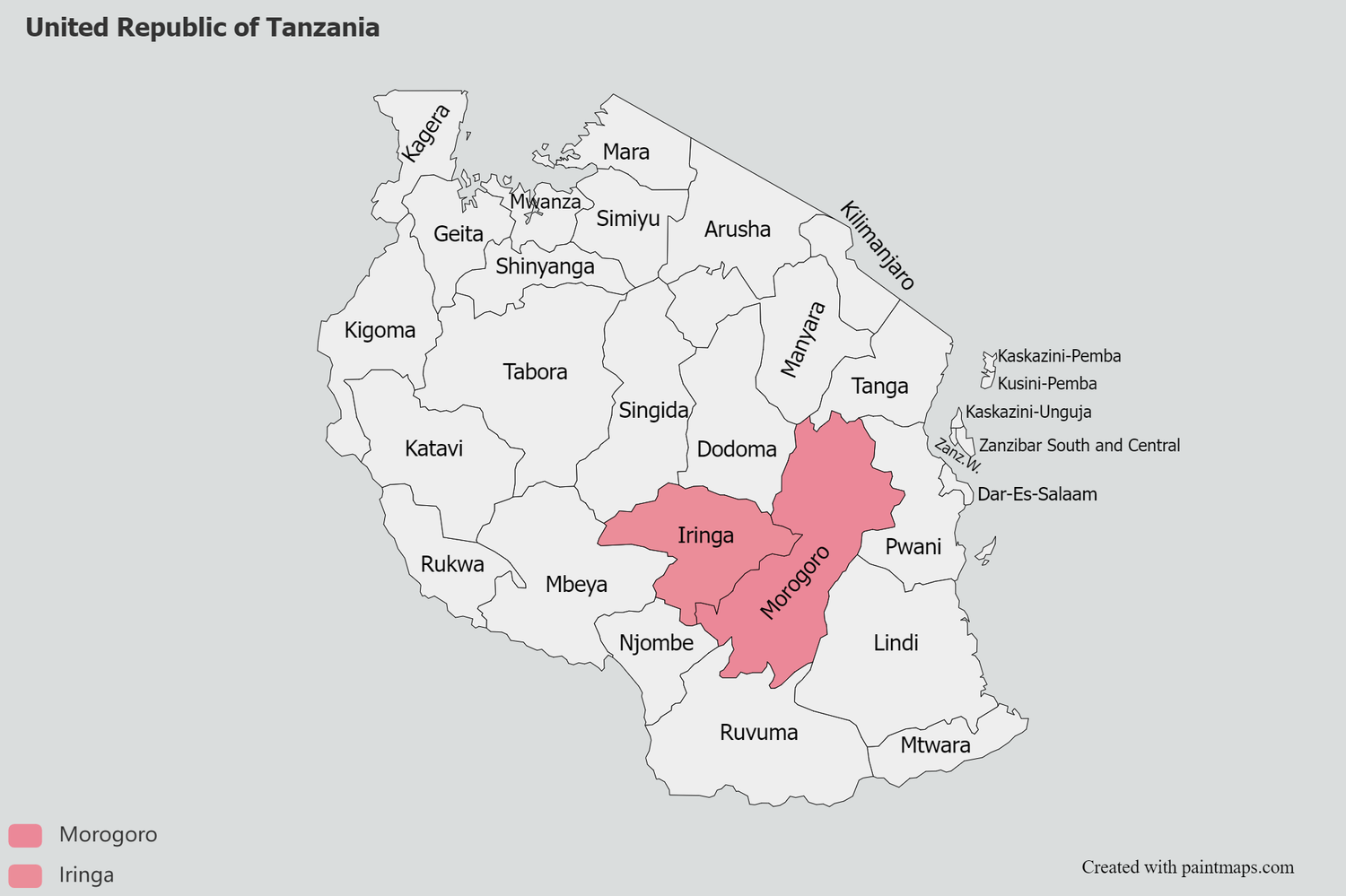
The SET project, implemented by the Swiss non-governmental organization Swisscontact, is active in Morogoro and Iringa Regions. Located just a 90-minute train ride from Dar es Salaam, Morogoro has become Tanzania’s national breadbasket, thanks to its fertile lands that yield a variety of fruits and vegetables, sugar and opportunities for fish and livestock farming. Even with its urban environment, which has a population of more than 450,000 inhabitants, agriculture remains a principal source of revenue as the city expands into the surrounding lush countryside. The Iringa Region to the west of Morogoro is also home to fertile land, with over 80 percent of households engaged in agricultural activities. However, the region’s agricultural potential is underutilized, with less than 40 percent of the available arable land actually used for crop cultivation or livestock farming. The SET project aims to integrate youth into local economies by providing young people with opportunities to develop new skills.
The 54 Folk Development Colleges (FDCs) spread across Tanzania serve as the main public providers of non-formal skills development training. These Colleges play an important role for vulnerable youth - those who have not completed their secondary education due factors such as teenage pregnancies and poverty. One of SET’s priorities is to establish an inclusive vocational education system that includes these young people. Recognising that women are disproportionately affected by economic vulnerability, there is a distinct focus on supporting them in their efforts to develop skills.
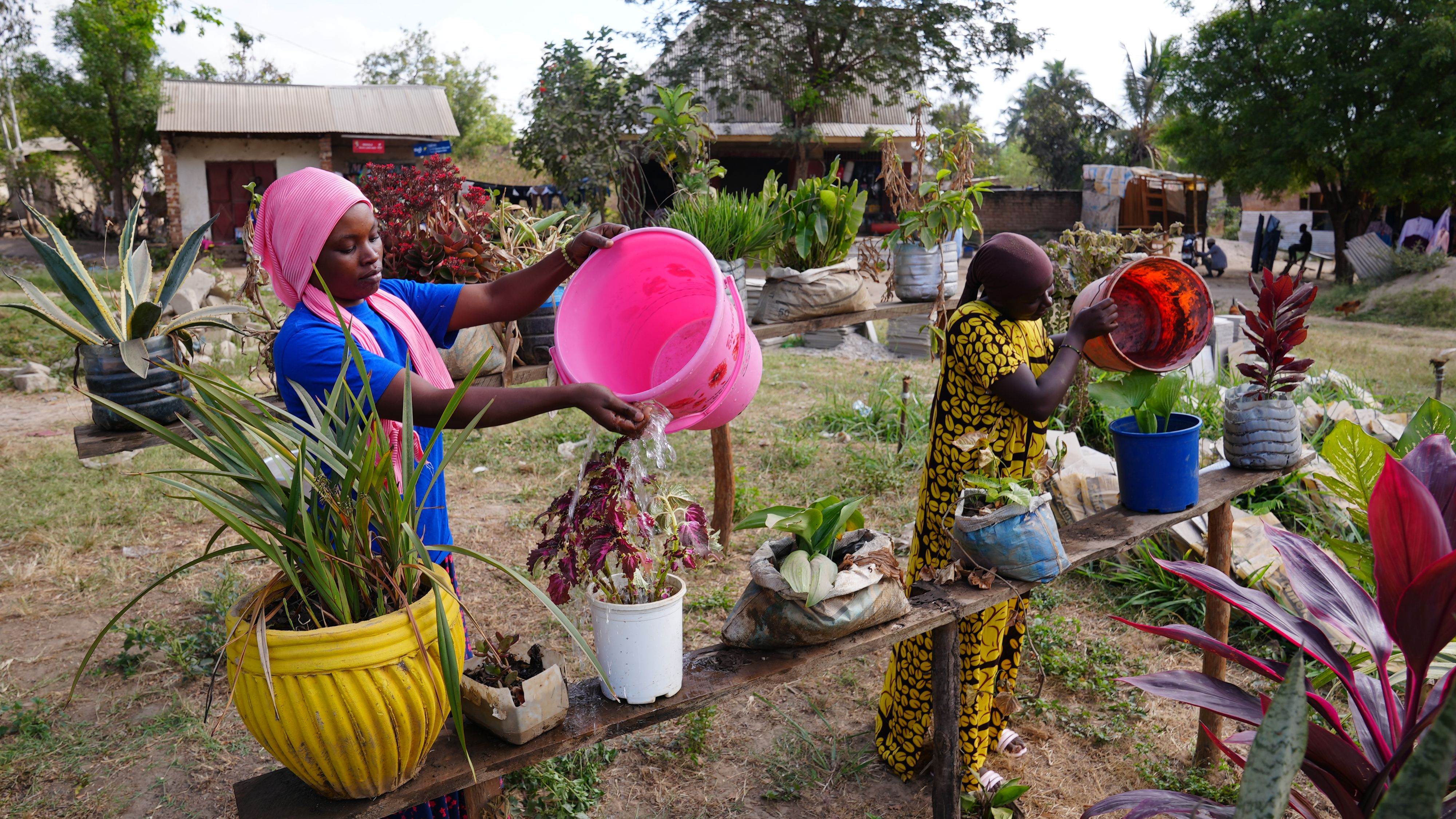
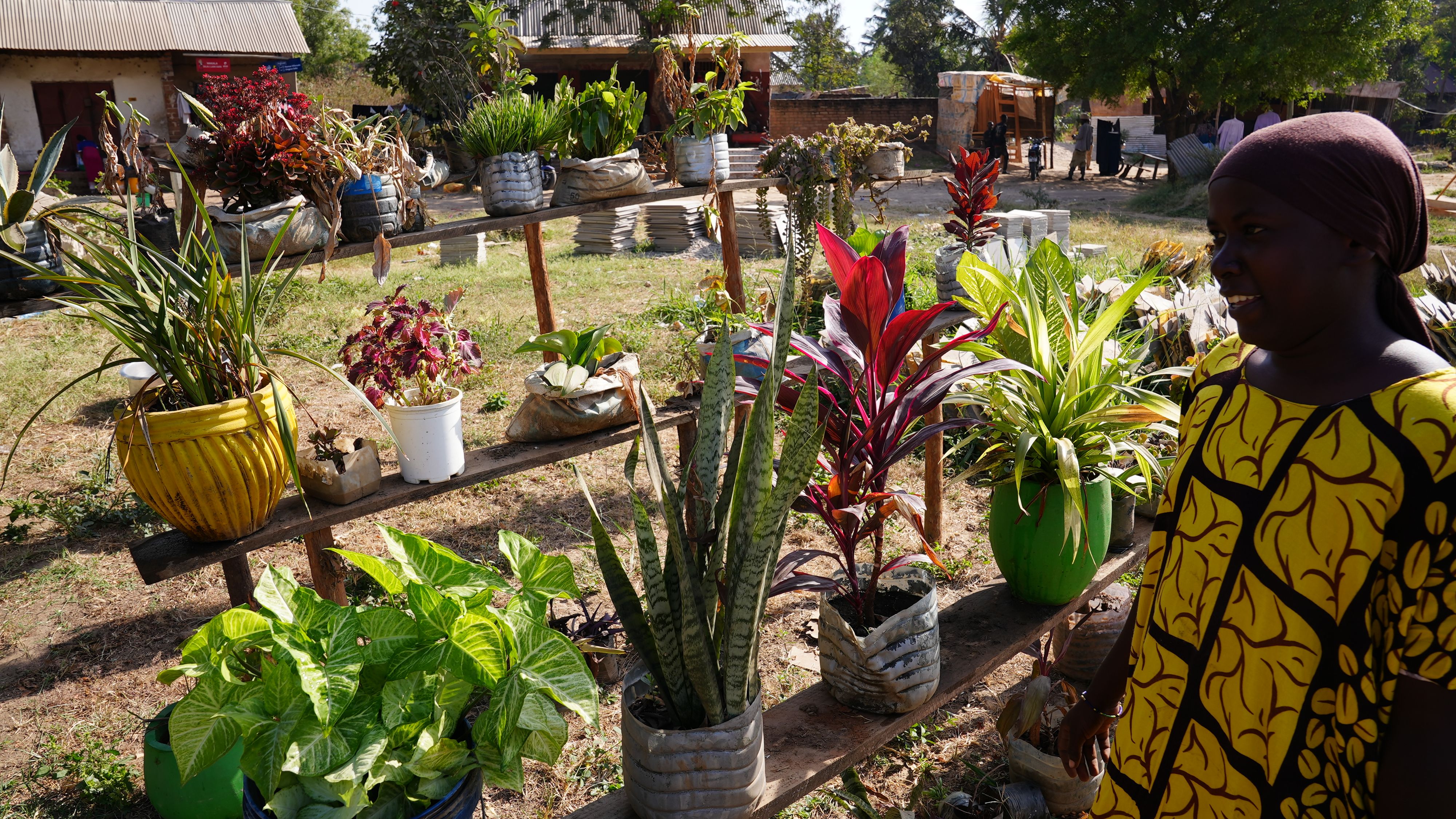
The SDC met two women, Happy David and Zuhura Ally, who are enrolled in non-formal skills training at Morogoro’s Sokoine University of Agriculture. They have been practicing floristry, enabling them to take care of their own flowers and plants, and start a small business as flower vendors. Together, Happy and Zuhura are working to secure their financial future, although they still face challenges due to fluctuating sales each month. Thanks to their certification from the university, they have been able to earn supplemental income as gardeners.
In another part of town, fish farms have been set up. The large ponds are home to fish which, after a period of farming, are harvested and brought to market. The ponds also serve as a site for SET’s professional skills training. Omary Omary, one of the trainers, is teaching vulnerable youth how to care for various types of fish and how to transform fish farming into a viable business. This includes lessons on making marinades and adding spices to increase the value of the products.
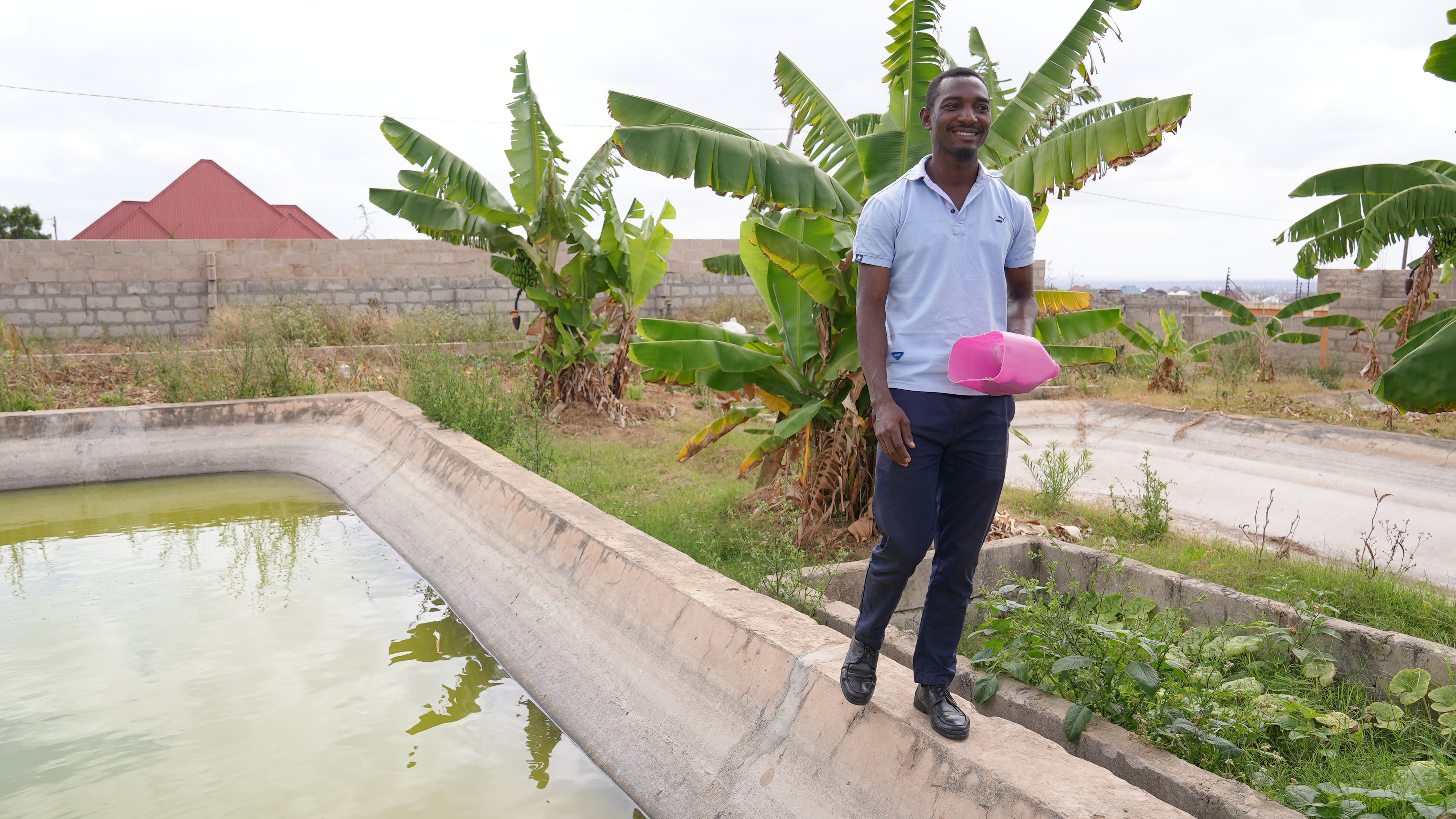
Improving access to professional education for vulnerable youth is a key pillar of SET’s intervention. A second intervention focuses on improving teaching materials and the quality of the educators. SET is committed to institutionalizing formal trainings for teachers. By providing a platform for teachers to exchange and network, they can collaboratively address the challenges they face and propose improvements to the vocational education system in Tanzania.
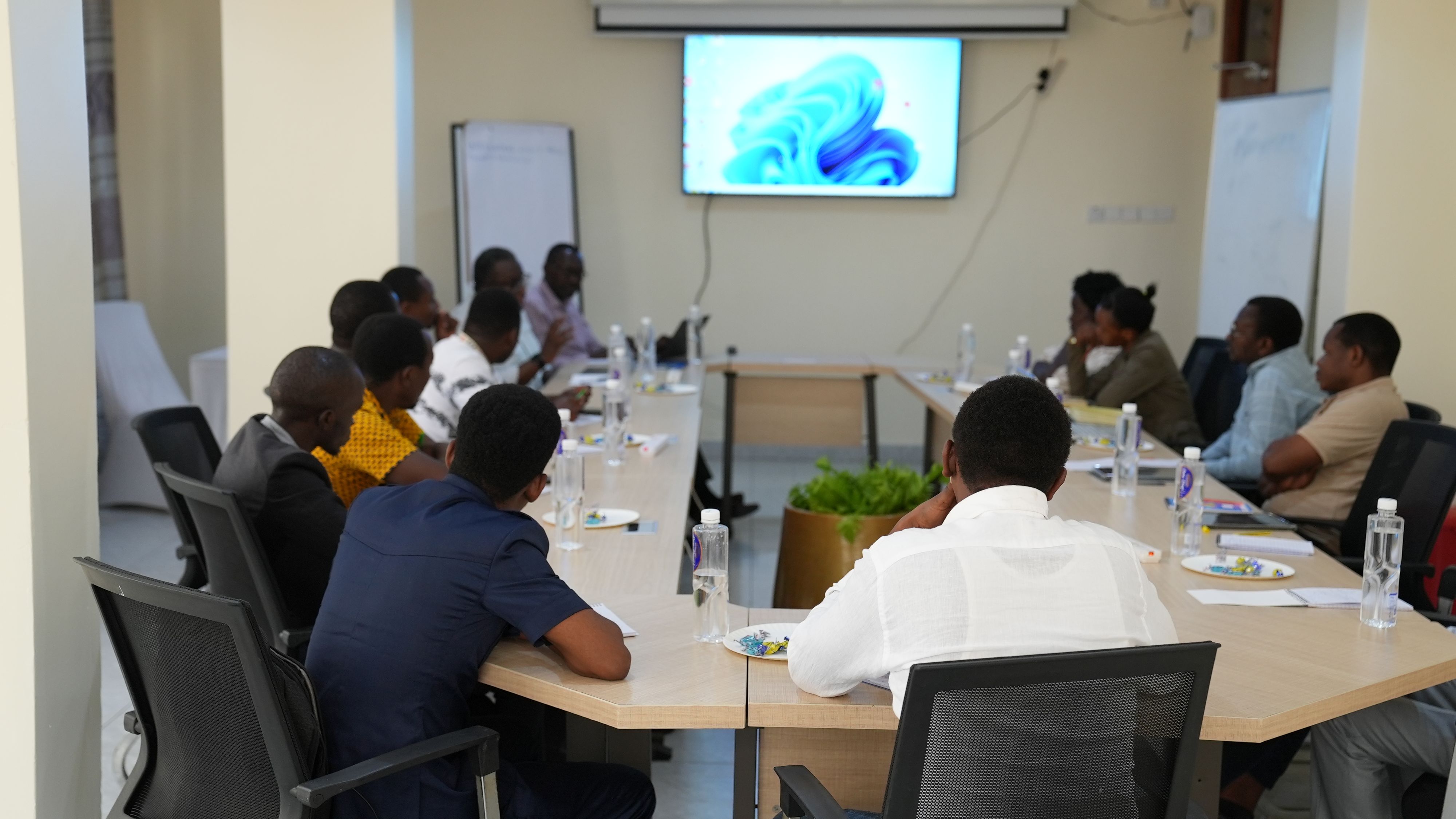
In Morogoro, where the project is primarily concentrated, significant progress has been made. During the first phase, more than 10,000 young people participated in training courses, 13 new programmes were developed, and 17 labour market analyses were completed. Additionally, the project has fostered technical collaboration with the Tanzanian Ministry of Education, Science, and Technology. While these results are promising, collaboration with national institutions is essential for achieving systemic improvements in the livelihoods of Tanzanian youth.
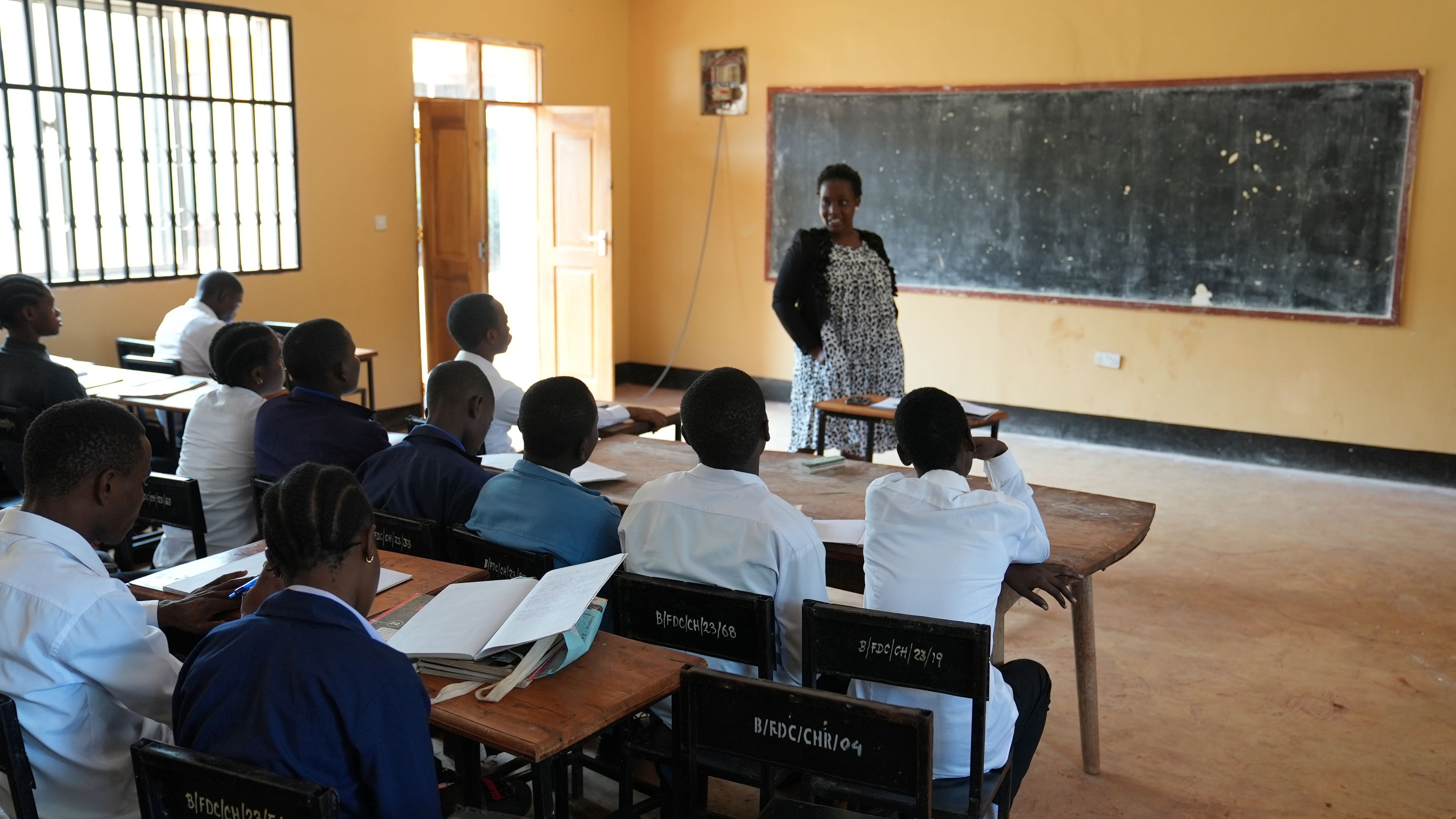
Through the Safeguard Young People (SYP) programme, the SDC in partnership with UNFPA also actively promotes holistic education on Sexual and Reproductive Health Rights (SRHR) for young Tanzanians. Tanzania faces a high fertility rate. While young people may have some knowledge of contraceptives, actual usage remains low due to inadequate sex education and misinformation. Many young mothers who have had to drop out of school often find their way to FDCs supported by the SDC where SRHR courses have been included in the curriculum. SYP aims to improve sex education and reproductive health among Tanzanian youth. The teaching materials and SRHR manuals developed through the project are designed to combat widespread misinformation about sexual and reproductive health. The project thus empowers young people, particularly young women, to make informed decisions about their lives.
Contact
Eichenweg 5
3003 Bern