
Small steps, big impact – development cooperation in everyday life
As local programme officer for health at the Swiss Embassy in Harare, Matewe Rumbidzai Praise navigates between politics, society and development cooperation on a daily basis. Her everyday work shows that small steps can have a big impact – despite limited resources, digital hurdles and growing challenges, she remains optimistic and committed to improving healthcare in Zimbabwe and Zambia.
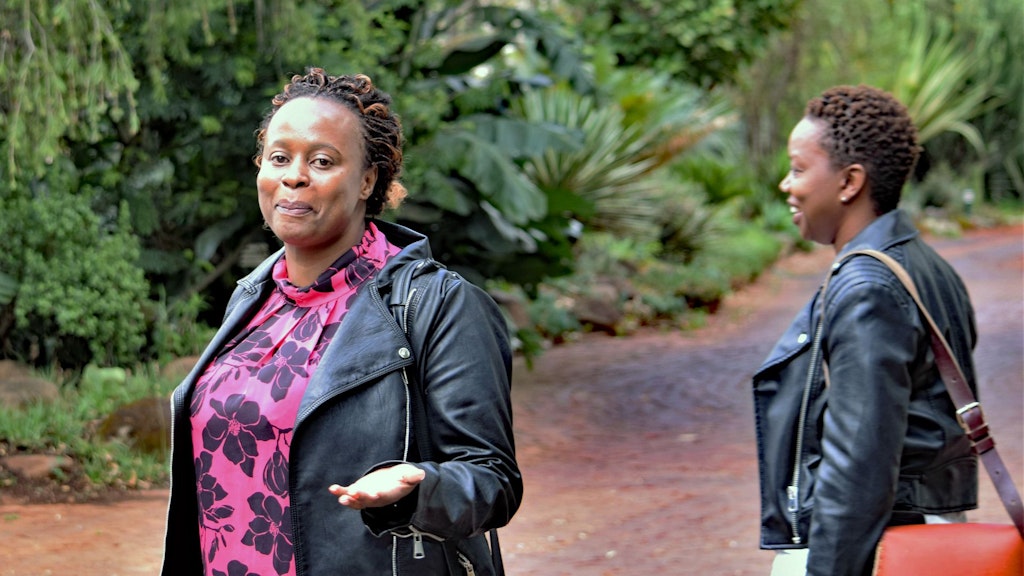
For Matewe Rumbidzai Praise, the day starts early. She listens to French podcasts on her way to work, getting in the mood for the French lesson that's first on her agenda for the day. She doesn't find the language easy, but learning French helps to keep her mind sharp. It takes almost an hour to drive through Harare's morning rush hour traffic. As soon as she arrives at work, she's become so immersed in her French podcast that the first thing she says to everyone is a loud 'Bonjour tout le monde'!
Rumbi works as a local health programme officer for the Swiss Agency for Development and Cooperation (SDC) at the integrated Swiss embassy in Harare, Zimbabwe. She is the SDC's only officer responsible for health in the whole of the country as well as neighbouring Zambia. The job is exciting, and comes with a great deal of variety as well as responsibility.
Her office is right by the entrance to the embassy. No sooner has she got to her desk than the first colleagues come over to say hi. It's a lively environment to work in, and one that's full of openness, support and exchange. Before heading off to her meetings, Rumbi starts by structuring the day ahead. There's a lot of admin in development cooperation. Rumbi has to prepare meetings with partner organisations, coordinate with governments and go through reports. Often, it's the big issues she has to deal with: poverty, public health services, access to diagnostics as well as universal health coverage.
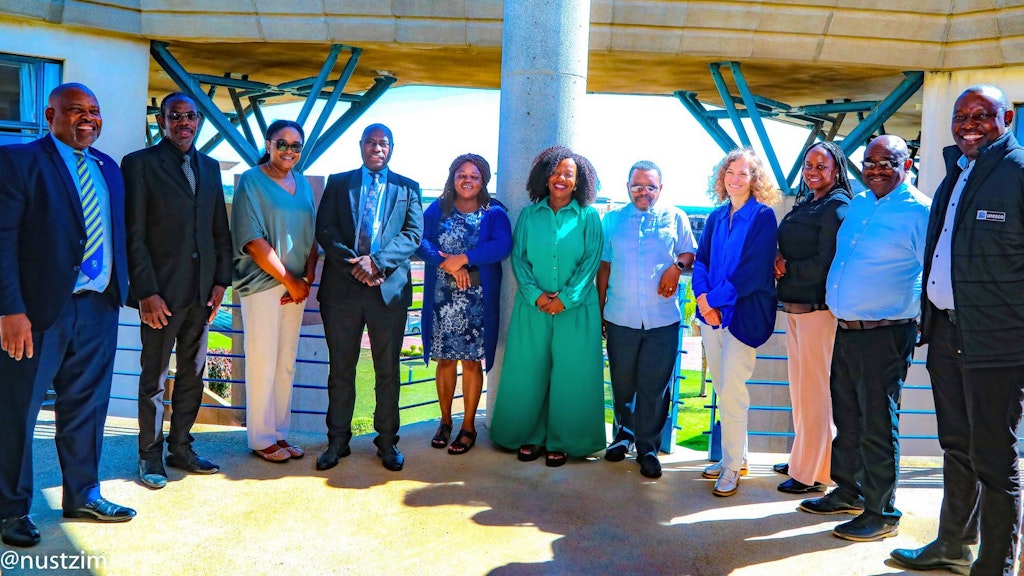
A promising appointment has been scheduled for this afternoon: a first meeting between the head of international cooperation and Harare's mayor to discuss the potential for future collaborative efforts. Exchanges like these provide valuable insight into government needs – where is support needed and how do government systems work? This is just one example of the complex position Rumbi holds, working at the interface between health, politics and society.
Every fortnight there is a meeting of the Health Forum, a hub for all partners in Zimbabwe and Zambia working on health issues, where they can openly share ideas, challenges and solutions. Discussions are direct, sometimes critical, and always constructive – an openness that Rumbi values highly.
I really appreciate being able to work in an innovative and creative way, to think outside the box – it's the most challenging part of my job, as well as the most exciting!
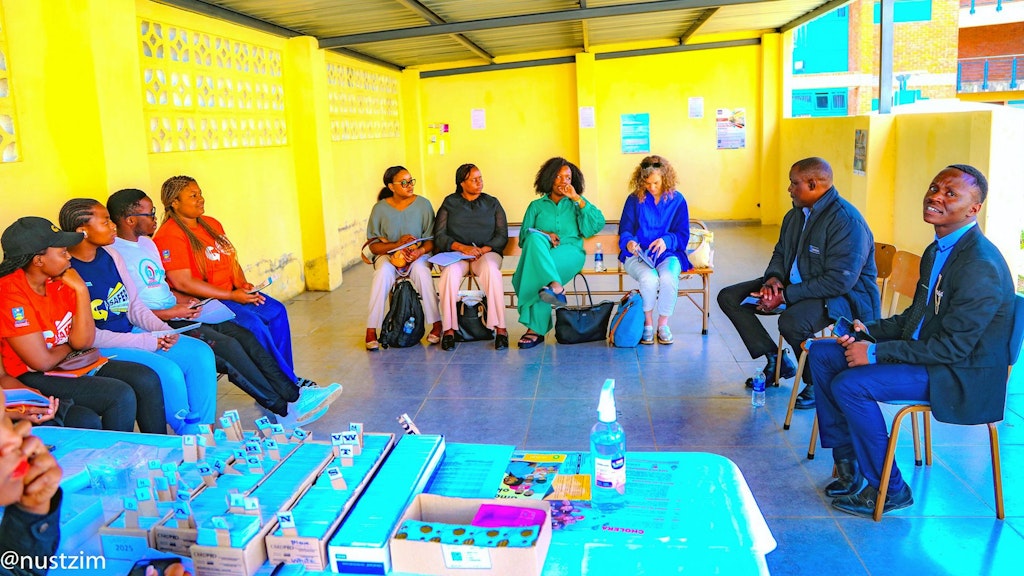
And there are many challenges indeed. Both Zimbabwe and Zambia are feeling the pinch from decreasing bilateral funding. A number of donor countries are reducing their contributions, and while this is leading to local governments become increasingly aware of their responsibilities, there is still a huge gap between coming to this recognition and acting on it. Growing reliance on digital working methods is also a challenge in an environment where internet access isn't a given.
In spite of all the challenges, Rumbi is optimistic. While Zimbabwe and Zambia are coming under increasing pressure from climate change, natural disasters and frequent health crises, the social environment is at least stable. Awareness is also growing and, with it, the willingness to break new ground.
When she shuts down her computer at the end of the day, Rumbi reflects on the many conversations, decisions and small steps forward that were made today. Although her job is challenging – at an intellectual, personal and organisational level – she also gets a lot back: meaning, drive, and a sense of being part of something bigger. As she makes her way home, Rumbi relaxes to the country's favourites ‘urban grooves’, an ode to everyday Zimbabwean life in word and sound.
Contact
Eichenweg 5
3003 Bern