
Published on 2 March 2026
Speakers
Political figures, representatives from the world of international cooperation and academia, representatives from the economy and youth participated at the IC Forum. Federal Councillors Ignazio Cassis and Martin Pfister, as well as the United Nations Under-Secretary-General for Humanitarian Affairs, Tom Fletcher and Mirjana Spoljaric, president of the ICRC, attended the 2026 edition.

Speakers plenaries
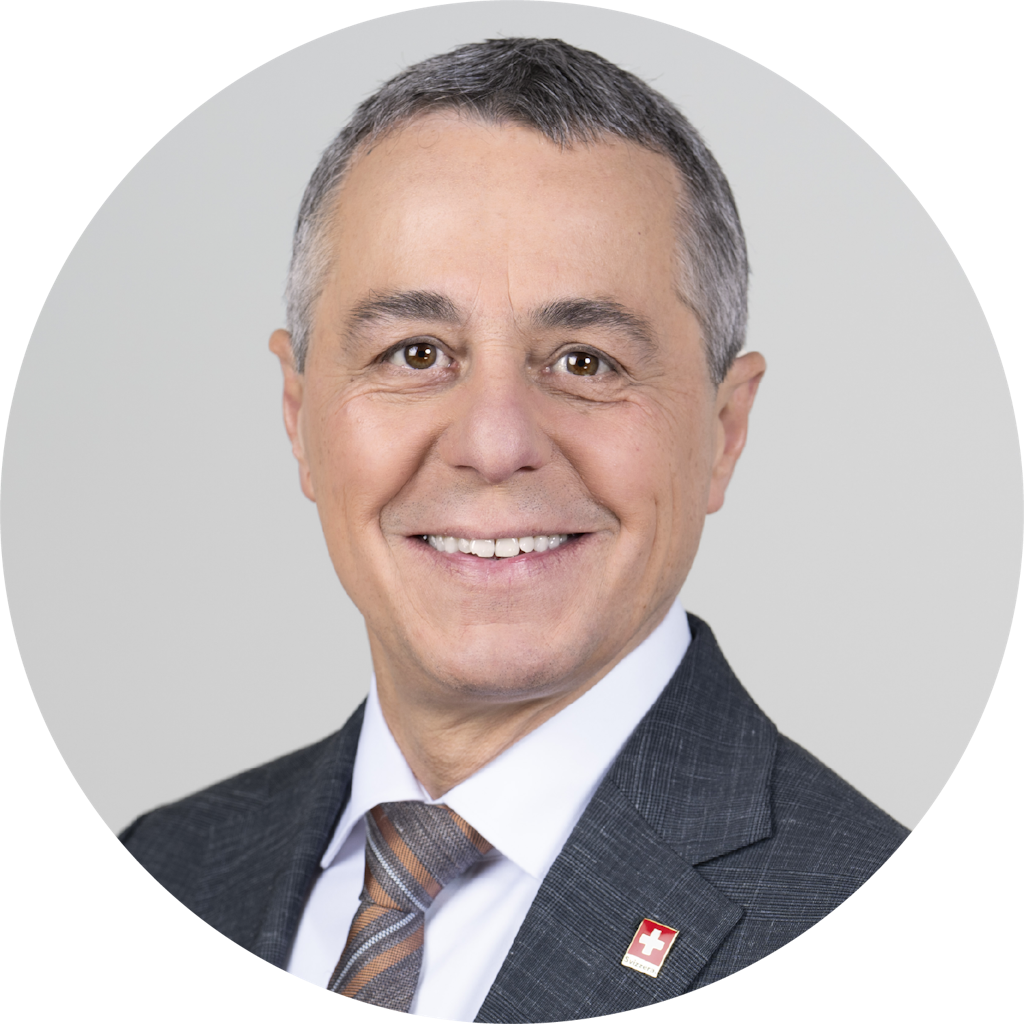
Federal Councillor; Head of the Federal Department of Foreign Affairs
Ignazio Cassis (FDP), elected by the United Federal Assembly on 20 September 2017, took up his post as head of the Federal Department of Foreign Affairs (FDFA) on 1 November 2017.
For two years prior to his election to the Federal Council, Mr Cassis was president of the parliamentary group of the FDP. The Liberals, of which he was a member since his election to the National Council in 2007. From 2015, he chaired the National Council's Social Security and Health Committee. He was also vice-chair or chair of various parliamentary groups. His political career began in 2004 with his election to the legislative authority of the Ticino municipality of Collina d'Oro.
After graduating in medicine from the University of Zurich in 1987, Ignazio Cassis obtained a doctorate from the University of Lausanne in 1996 and a master's degree in public health from the University of Geneva the same year.
From 1988 to 1996 he worked as a doctor, specialising 1998 in internal medicine and in prevention and public health. From 1997 to 2008 he was cantonal physician for the Canton of Ticino. From 2008 to 2012 has held the office of Vice-President of the Swiss Medical Association and since 2012 has held the office of various organisations in the health sector (Curafutura, CURAVIVA, EQUAM, RADIX, etc.).
His university teaching activities (in charge of courses) have taken him to various universities, such as Università della Svizzera italiana, Université de Lausanne, Universität Bern and Universität Zürich.
Ignazio Cassis was born 1961 in Sessa, in the Malcantone region (TI), and is married.
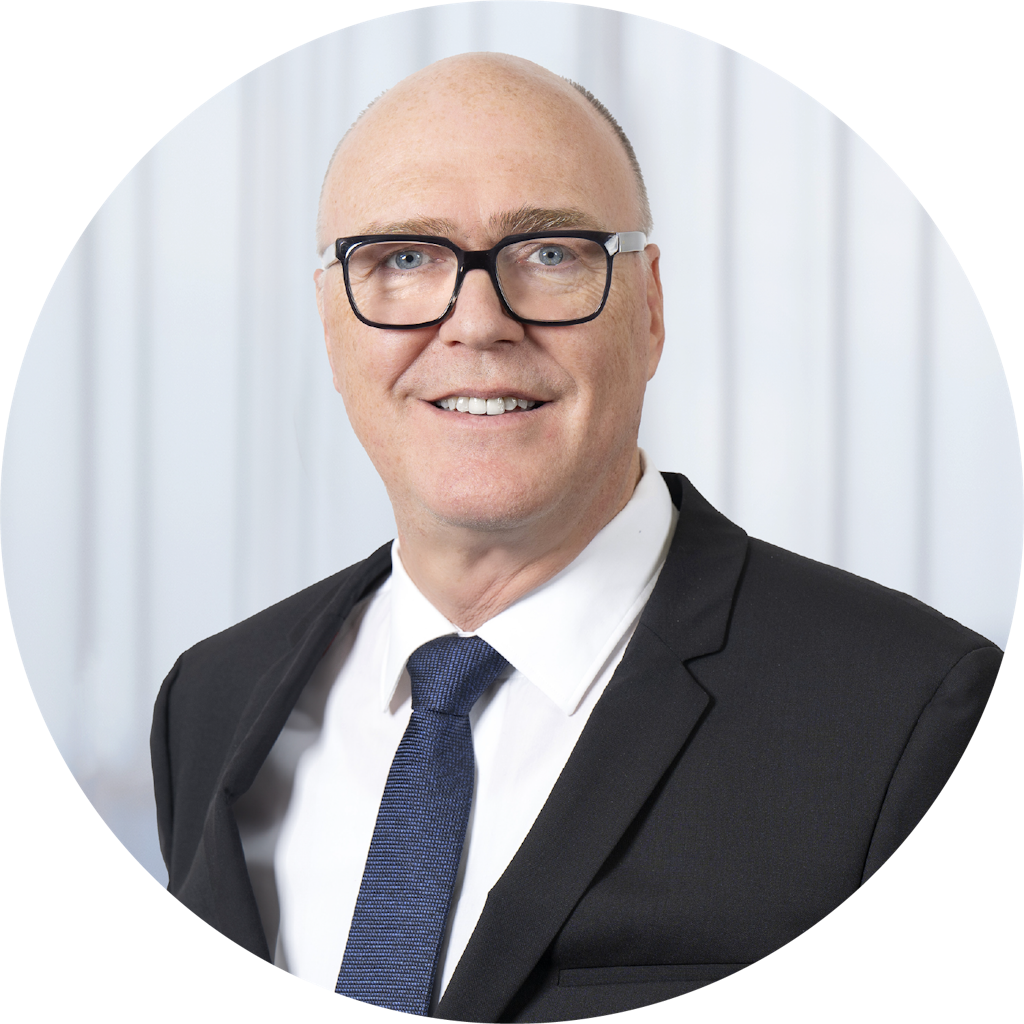
Federal Councillor; Head of the Federal Department of Defense, Civil Protection and Sport
- Since April 2025: Member of the Federal Council, Head of the Federal Department of Defence, Civil Protection and Sport (DDPS)
- 2016 – 2025: Member of Zug Cantonal Council, Head of the Health Department. 2021/2022: President of Zug Cantonal Council. 2019/2020: Vice President of Zug Cantonal Council
- 2012 – 2016: President CVP Canton Zug
- 2010 – 2016: Pfister Frei Partner GmbH in Zug, managing partner for association management, supervision of consulting dossiers for non-profit organisations, including the following mandates: feu suisse, College for Naturopathy and Homeopathy (hfnh), Conference of the Colleges for Alternative Medicine (hfam)
- 2008 – 2010: Büro Pfister in Baar, self-employed consultant in association management, management of consulting dossiers for non-profit organisations, management of book publications
- 2002 – 2008: Employment as managing director of associations, including the following mandates: energie-agentur-elektrogeräte (eae), swiss automotive aftermarket (SAA), Küche Schweiz
- 2003: Lecturer at Contemporary History Dept., University of Fribourg
- 1997 – 2000: Academic at Contemporary History Dept., University of Fribourg (Prof. Urs Altermatt)
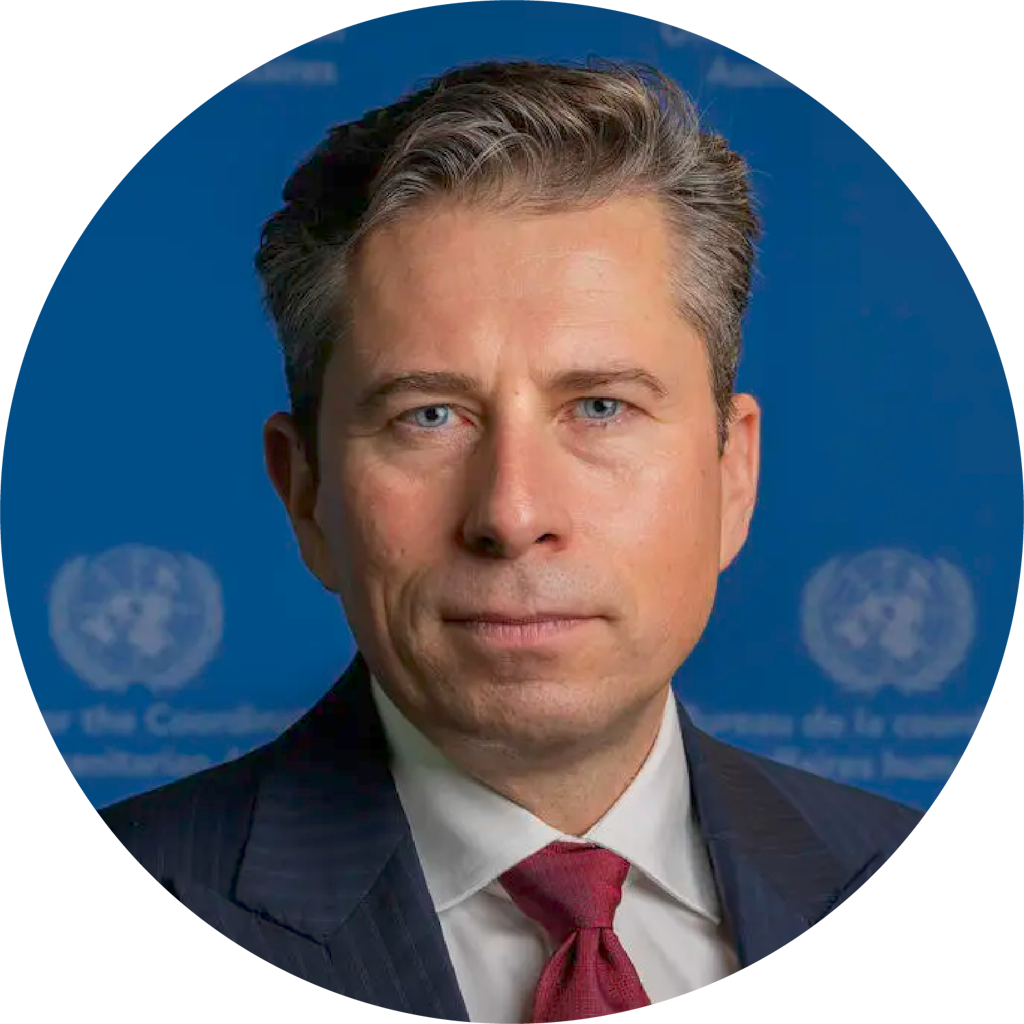
Under-Secretary-General for Humanitarian Affairs and Emergency Relief Coordinator, Office for the Coordination of Humanitarian Affairs (OCHA)
United Nations Secretary-General António Guterres announced on 9 October 2024 the appointment of Tom Fletcher of the United Kingdom as Under-Secretary-General for Humanitarian Affairs and Emergency Relief Coordinator, Office for the Coordination of Humanitarian Affairs.
Mr. Fletcher, the Principal of Hertford College, Oxford (2020-2024) and Vice-Chair of Oxford University’s Conference of Colleges (2022-2024), has strong experience of leading and transforming organizations and bringing an understanding of diplomacy at the highest levels. He previously served as Global Strategy Director, Global Business Coalition for Education (2015-2019) and led work for former Prime Minister Gordon Brown on refugee education. He also served as United Kingdom’s Ambassador to Lebanon (2011-2015), as Foreign and Development Policy Adviser to three United Kingdom Prime Ministers (2007-2011), and as the Prime Ministers’ mediator on Northern Ireland.
An internationally recognized communicator, through his books and media work across the fields of development, diplomacy, technology and democracy, with a blend of technocratic expertise and public diplomacy, Mr. Fletcher has worked closely with the United Nations during his diplomatic career in Africa, the Middle East, and Europe. He served as Head, Middle East Peace Process, Foreign and Commonwealth Office, London (1997-1998), as Second Secretary, Nairobi, Kenya (1998-2002), Chief of Staff for Africa, Caribbean and Commonwealth, Foreign and Commonwealth Office, London (2002-2004) and First Secretary, Paris, France (2004-2007).
Mr. Fletcher holds a Master of Arts degree in modern history (Oxford, 1998) and a Bachelor of Arts in modern history (Oxford, 1997). He served as Visiting Professor at New York University (2015-2020) and Emirates Diplomatic Academy (2016-2019). He is fluent in English and French and has a good working knowledge of Arabic and Swahili.
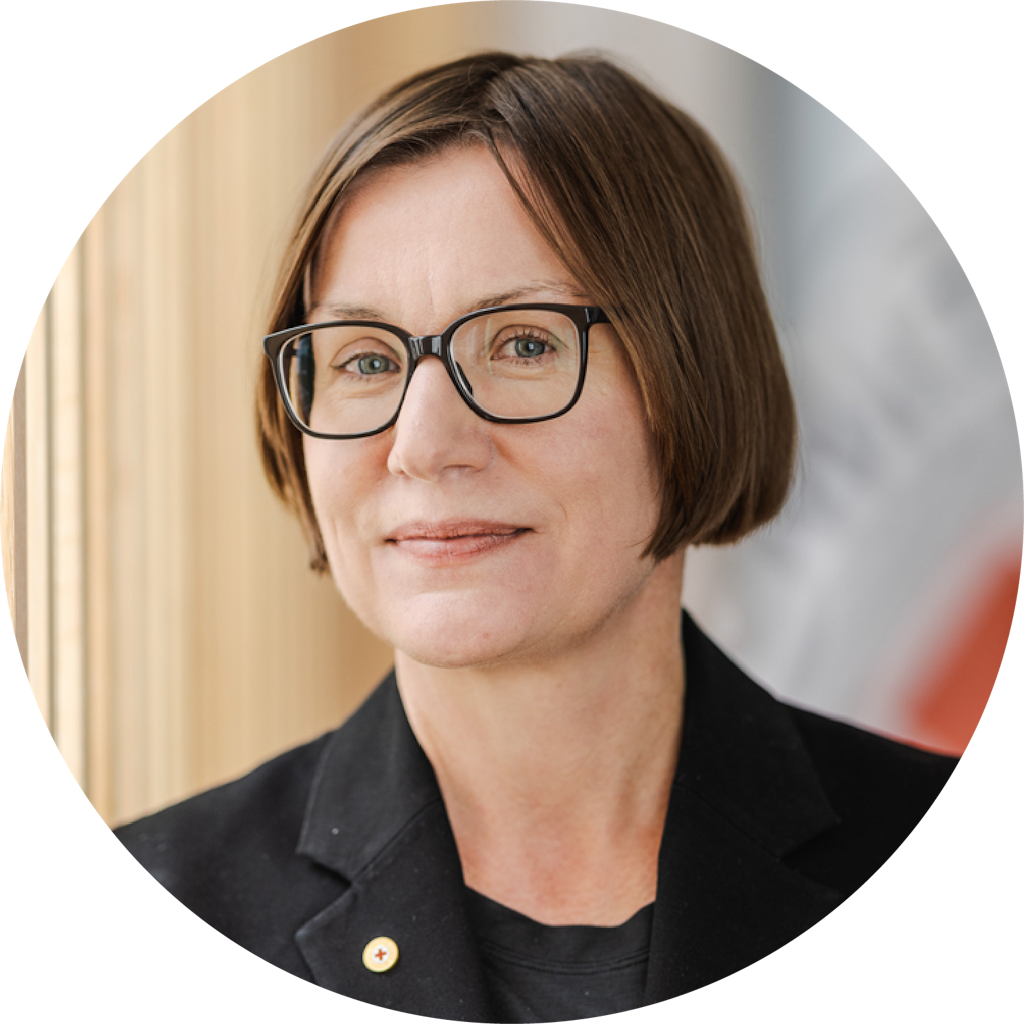
President of the ICRC
Mirjana Spoljaric Egger has served as president of the ICRC since October 2022.
Between 2018 and 2022, Ms Spoljaric served as the United Nations (UN) assistant secretary-general, assistant administrator of the UN Development Programme and director of the regional bureau for Europe and the Commonwealth of Independent States.
Ms Spoljaric previously had many years of distinguished service with the Swiss diplomatic corps. More recently, she served as ambassador and head of the Swiss foreign affairs department’s division for the UN and other international organizations, where she was instrumental in shaping coherent Swiss policies and priorities in the main UN organs and conferences and representing Switzerland in multilateral processes. She also had responsibility for International Geneva and Switzerland's host country policy.
Ms Spoljaric served in several assignments in the Swiss foreign affairs department in Bern and was counsellor and head of the political team at the Permanent Mission of Switzerland to the UN in New York.
From 2010 to 2012, Ms Spoljaric was seconded to the Office of the Commissioner-General of the UN Relief and Works Agency for Palestine Refugees in the Near East as senior adviser; her remit included organizational development, management reforms and external relations.
Earlier in her career, Ms Spoljaric worked in the Swiss embassy in Cairo, Egypt, and was desk officer at the Foreign Economic Affairs Directorate (International Finance Institutions) of the Swiss State Secretariat for Economic Affairs.
Ms Spoljaric studied philosophy, economics and international law at the Universities of Basel and Geneva and holds a master's degree. From 2004 to 2006 she was part-time lecturer on global governance at the University of Lucerne.
Ms Spoljaric speaks fluent English, French, German and Croatian. She is married and has a son and a daughter.
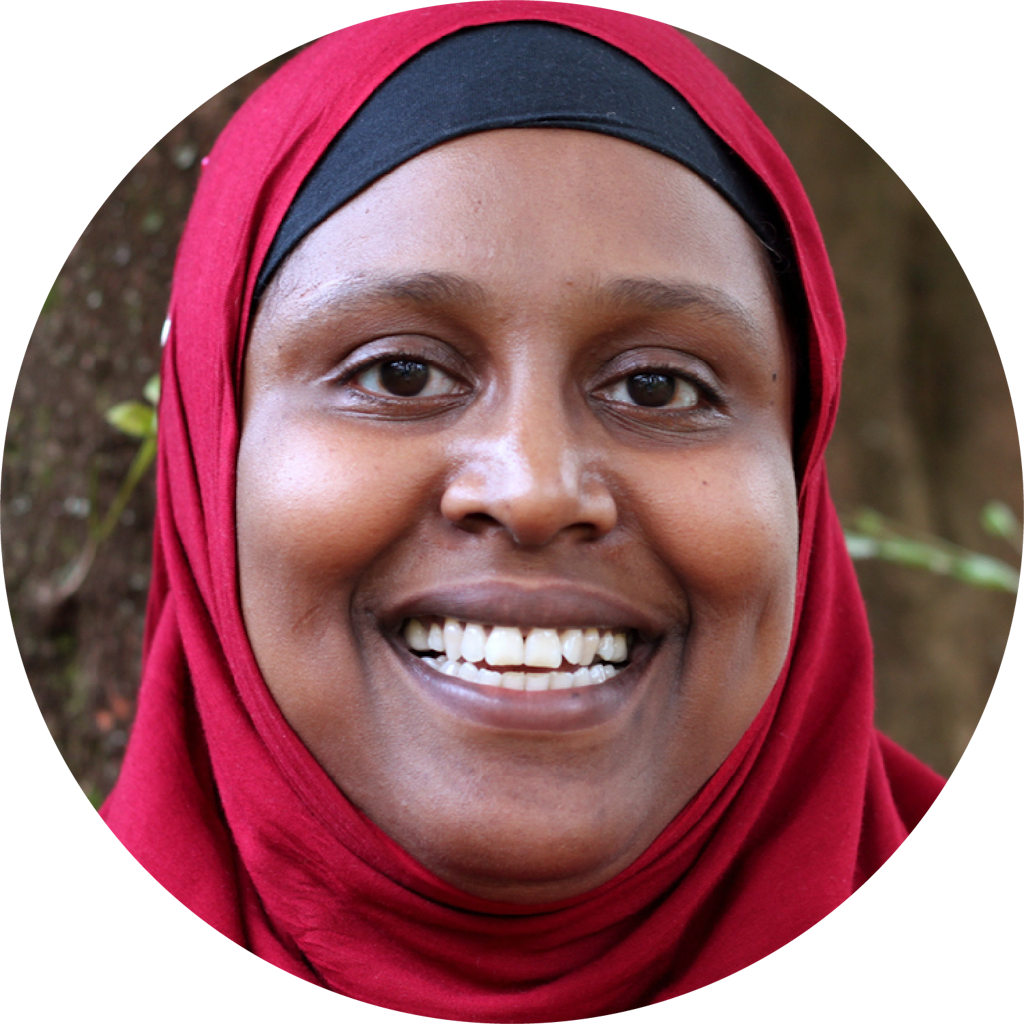
CEO of Adeso
An internationally-renowned humanitarian leader and organizational development consultant. A pioneer in the global movement to decolonize aid and rethink humanitarianism. For over twenty years, Degan has lived in Kenya leading innovative humanitarian and development programming in her role as Executive Director of Adeso, as well as founder of the Network for Empowered Aid Response (NEAR). Degan is a key leader of the shifting power and “localization” movement including establishing the 25% Grand Bargain target and advocating for its commitment to local organizations. Degan is known as an expert and visionary in the global movement to remove barriers for local community action.
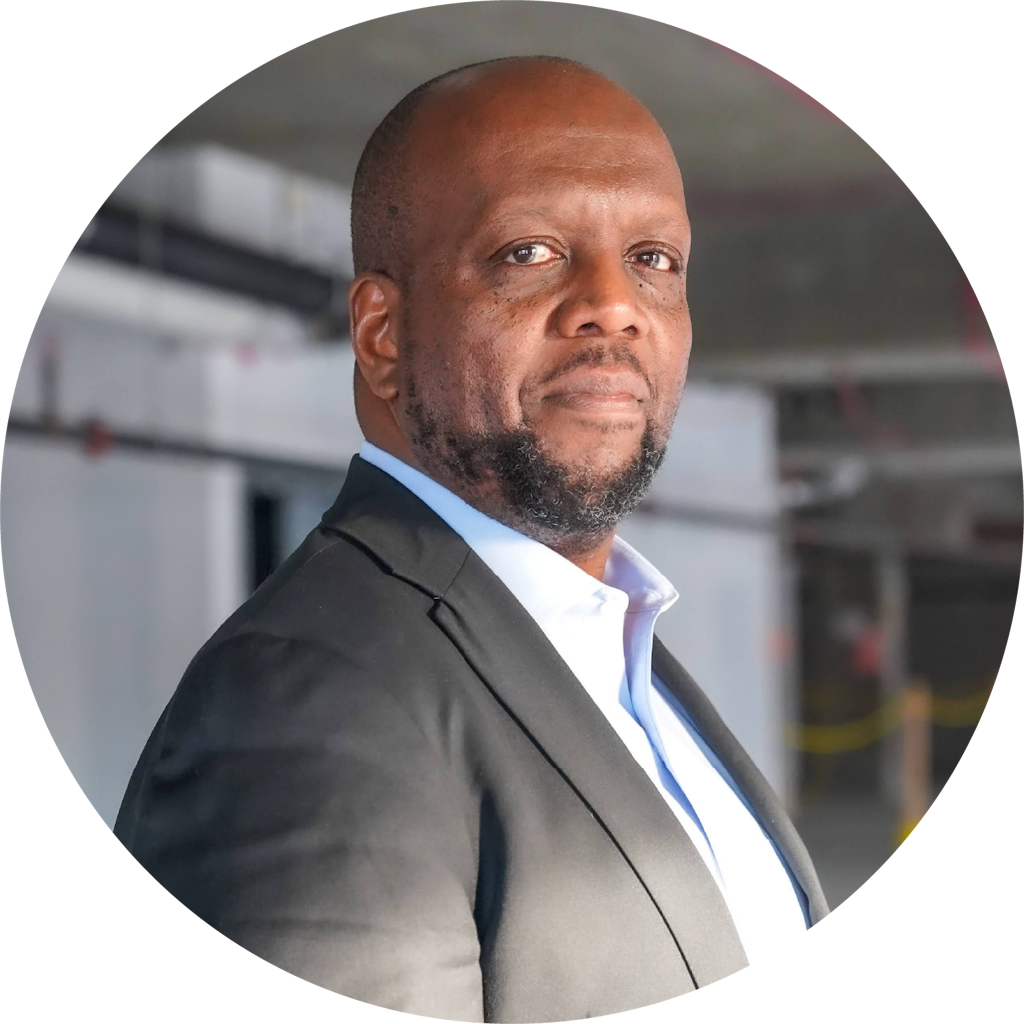
President and CEO of The Africa Center
Ambassador Martin Kimani is the President and CEO of The Africa Center in New York City. He is also a Diplomat-in-Residence at the Anwar Gargash Diplomatic Academy (UAE) and a Distinguished Fellow at Columbia University’s Institute for Global Politics.
Previously, he served as Kenya’s Permanent Representative to the United Nations, where he led the Kenyan delegation on the Security Council (2021–2022). He was President of the Security Council in October 2021 and chaired key groups on climate, conflict prevention, and Africa. In 2023, he served as President of the Executive Board of UNDP, UNFPA, and UNOPS.
Ambassador Kimani has held senior national roles including Director of Kenya’s National Counter Terrorism Centre and Special Envoy for Countering Violent Extremism. He has advised three Kenyan presidents on crises spanning conflict resolution, post-election recovery, and wartime evacuations.
His earlier diplomatic work includes serving as Kenya’s Ambassador to UNEP and UN-Habitat. In the private sector, he has worked in political risk analysis and global financial markets.
He holds a BA in Philosophy (University of New Hampshire) and an MA and PhD in War Studies (King’s College London), with doctoral research on the ideology behind the 1994 Rwanda genocide.
Ambassador Kimani is a Fellow of the African Leadership Initiative, a member of the Aspen Global Leadership Network, and a recipient of Kenya’s Chief and Elder of the Order of the Burning Spear. In 2022, he was honored by the German Africa Foundation.
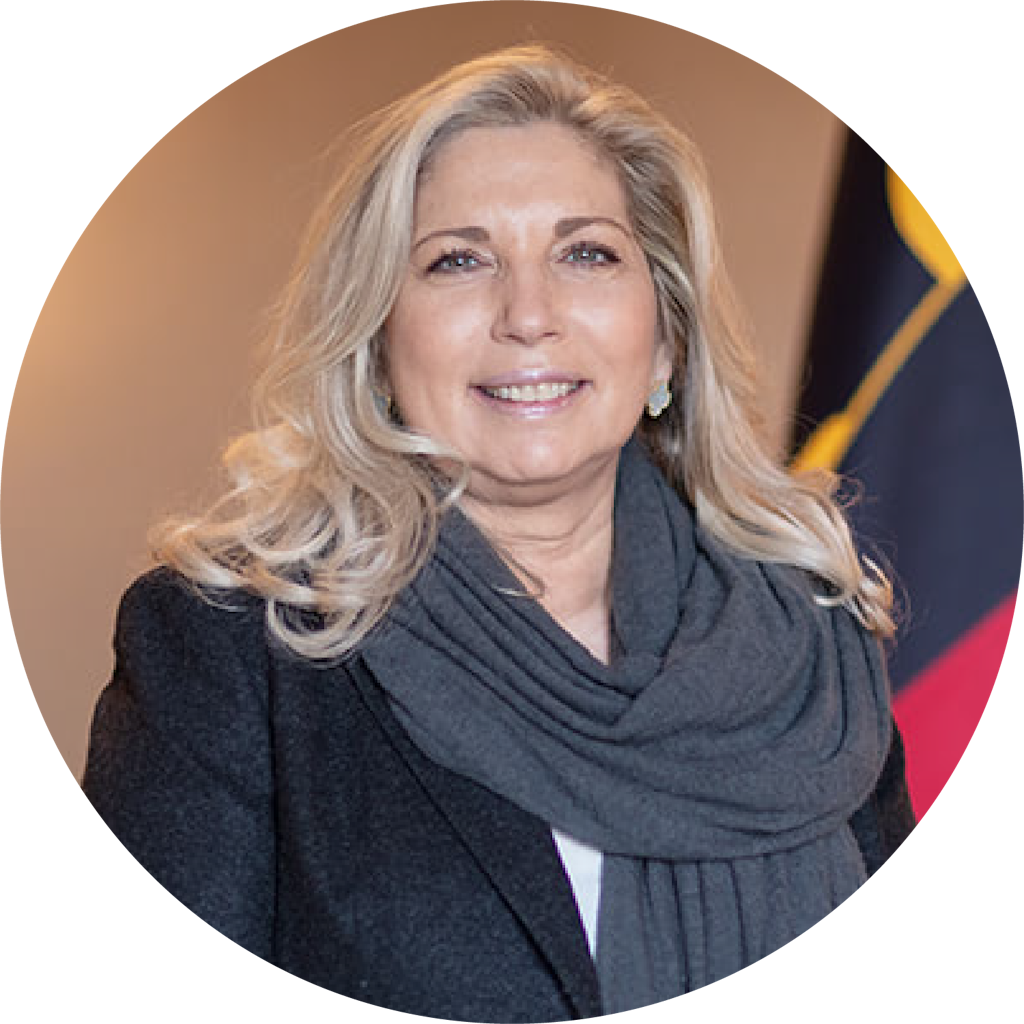
Conseillère d'État, responsable du Département des Finances, des Ressources Humaines et des Affaires Extérieures
Nathalie Fontanet est née le 8 janvier 1965. Elle a grandi à Genève et y a suivi toute sa scolarité. Mariée en 1985, elle s'est consacrée à l'éducation de ses trois filles nées en 1985, 1988 et 1991. En 1999, après son divorce, elle entreprend des études de droit à l’Université de Genève. Elle obtient sa licence en droit en 2003, puis son brevet d’avocat en 2005.
Au niveau professionnel, Nathalie Fontanet a travaillé en tant que directrice adjointe au sein du service juridique d'une banque suisse de 2006 à 2018.
L'engagement politique de Nathalie Fontanet débute en 2003, date à laquelle elle adhère à l’ancien Parti Libéral. Elue conseillère municipale en Ville de Genève la même année, elle y siège jusqu’en 2009, notamment dans les commissions de la sécurité, de l’aménagement et des finances.
Elle a été Vice-présidente du parti en 2005, membre de la présidence en 2008 et à nouveau Vice-présidente en 2010.
En novembre 2007, elle entre au Grand Conseil en cours de législature. Elle est réélue en 2009, puis en 2013. Elle siège dans les commissions de la santé, de l'enseignement, de la culture et des sports et judiciaire. Elle a également été cheffe du groupe PLR de septembre 2015 à 2017.
Nathalie Fontanet s'est en particulier engagée en faveur de la complémentarité des modes de gardes (crèches et maman de jour) et pour que le canton applique le droit fédéral en matière de libre choix de l'hôpital. Elle s'est également battue pour l'amélioration de la sécurité dans le canton.
En 2018, elle est élue au Conseil d'Etat et prend la tête du département des finances et des ressources humaines. Brillamment réélue en 2023, avec pour charge le département des finances, des ressources humaines et des affaires extérieures, elle accède à la présidence du Conseil d’Etat un an plus tard, pour une durée de douze mois.
Nathalie Fontanet, enfin, s'engage activement dans la vie associative. Elle a été membre du conseil de la Fondation du conservatoire de musique de Genève de 2014 à 2018, ainsi que du conseil de la Fondation pour le dépistage du cancer de 2013 à 2018. Elle a également été membre du comité de la ligue internationale contre le racisme et l'antisémitisme (Licra Genève) dès 2015 et Vice-présidente de 2016 à 2018.
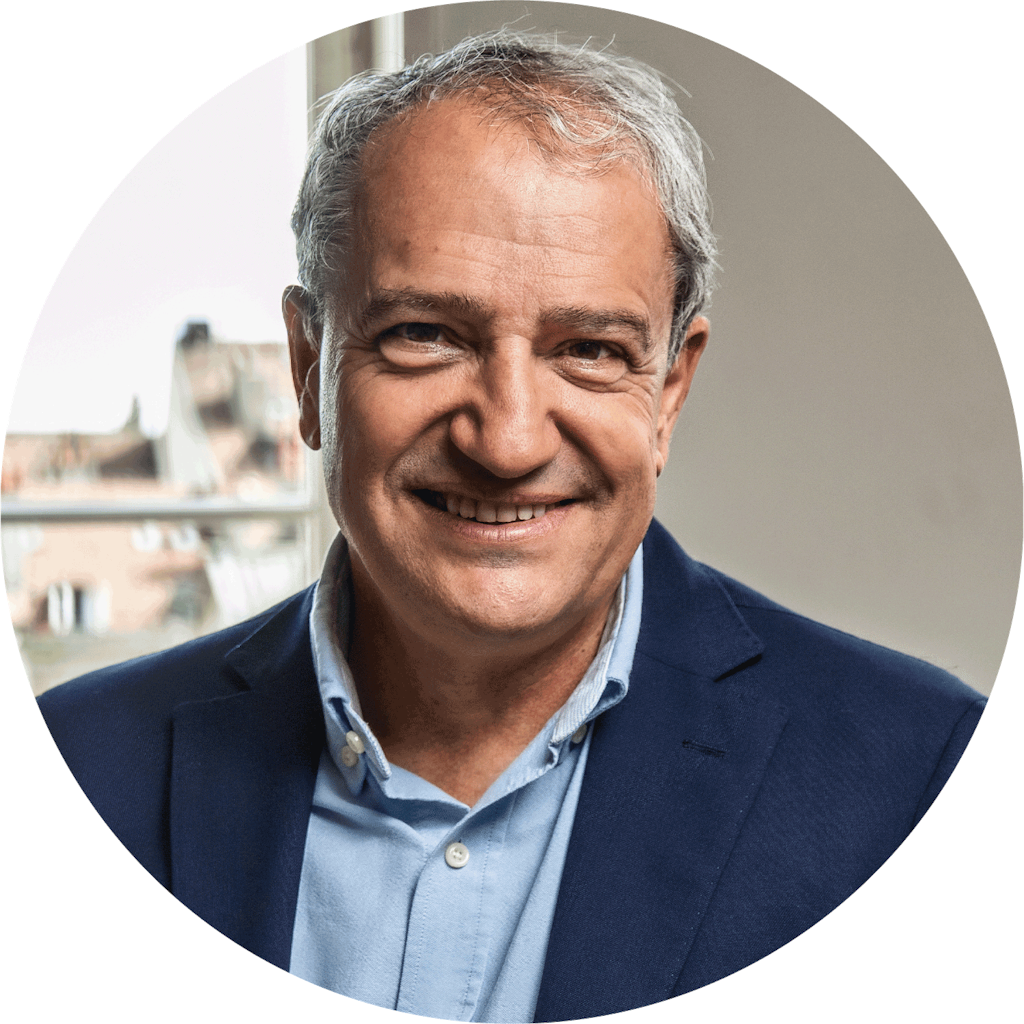
Maire de Genève
Alfonso Gomez est un homme politique suisse, d’origine galicienne, actuellement Maire de Genève.
Né le 27 juillet 1960 en Espagne, Alfonso Gomez arrive à Genève à l’âge de 14 ans. Après avoir obtenu une Licence ès sciences économiques et sociales, il travaille brièvement comme auditeur bancaire, puis s'oriente vers l'humanitaire en rejoignant le Comité International de la Croix-Rouge (CICR). Délégué-administrateur de 1989 à 2004, il est notamment envoyé en mission en Iran, au Soudan et en ex-Yougoslavie. En 2004, après avoir complété sa formation par un master en gestion administrative, il intègre l’Etat de Genève, où il occupe pendant six ans la fonction de Directeur administratif et financier au sein du Département de l’instruction publique. En 2010, il devient Directeur-adjoint du Conservatoire populaire de musique, danse et théâtre, poste qu’il occupe jusqu’en mai 2020.
Alfonso Gomez rejoint les Verts genevois en 2004. Conseiller municipal de la Ville de Genève de 2013 à 2020 et membre de la commission des finances, chef de groupe au Conseil municipal et membre de la direction du parti cantonal, il a co-présidé, puis présidé, la section ville de Genève entre 2012 et 2016. Élu au Conseil administratif de la Ville de Genève le 7 avril 2020, puis réélu le 13 avril 2025, il gère le Département des finances, de l'environnement et du logement (DFEL). Il a été Maire de Genève en 2023-2024 et l’est à nouveau depuis le 1er juin 2025 jusqu’au 31 mai 2026.
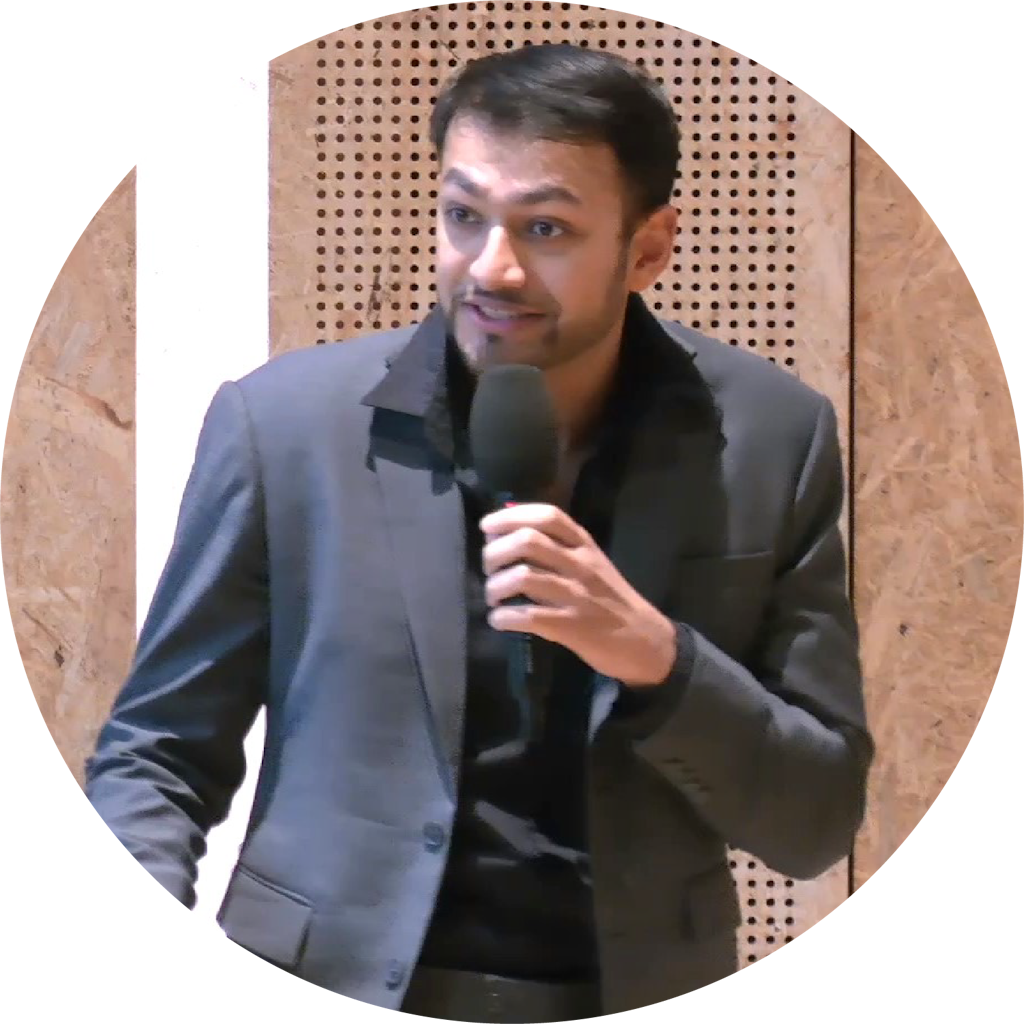
Founder and CEO Ageospatial
Maaz Sheikh is a Geospatial engineer and recently founded Ageospatial, a Swiss geospatial AI startup based at EPFL Innovation Park. Winners of the IC Award 2024, Ageo builds Geospatial AI Agents to support decisions. Previously, Maaz served in various government and international organizations.

Head of Information management, Geneva International Centre for Humanitarian Demining (GICHD)
Luan Jaupi joined the GICHD in August 2025. As Head of Information Management (IM), he is responsible for maintaining a forward-looking vision for the division’s work and ensuring that the Centre remains at the cutting edge of IM developments relevant to the Mine Action sector. This includes leading a team of IM experts to deliver capacity development and technical development programs to ensure that Mine Action actors are enabled to leverage information towards evidence-based operational and strategic decision-making.
Luan Jaupi has over 20 years of experience in information management within Mine Action. Before joining the GICHD, he served as Head of Information Management at HALO Trust, overseeing and coordinating IM in more than 30 countries. His earlier roles include Head of Information Management at the Albanian Mine Action Center, Information Management Officer for the Landmine Impact Survey in Afghanistan with the Survey Action Center, and Lecturer in Computer Science at the Agriculture University of Tirana.
Luan Jaupi holds a Masters in Computer Science from the University of Tirana, and a Masters in Business Informatics from the European University of Viadrina.
Marie-Laure Salles
Professor and Director Geneva Graduate Institute
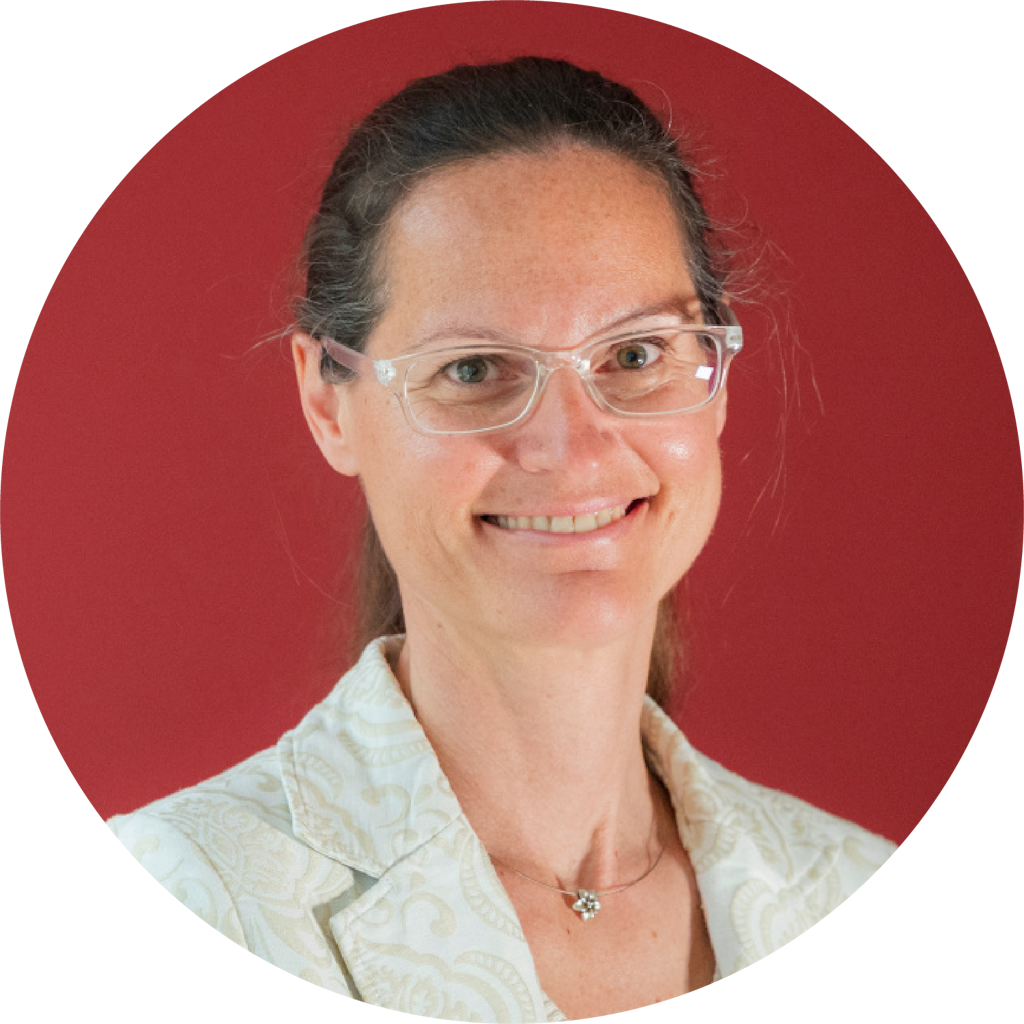
Director of HEKS/EPER
Karolina Frischkopf has been Director of HEKS since March 2024. She has extensive management experience at national and international level. As a Swiss diplomat, she worked for ten years in Mexico, Geneva, Beijing and Bern. Before joining HEKS, she was Deputy Director at the Swiss Red Cross (SRK). Early in her career, she was particularly committed to racism prevention, child protection and youth participation. She holds an Executive Master's degree in Business Administration (MBA) and studied international relations, intercultural communication, economics and political science.
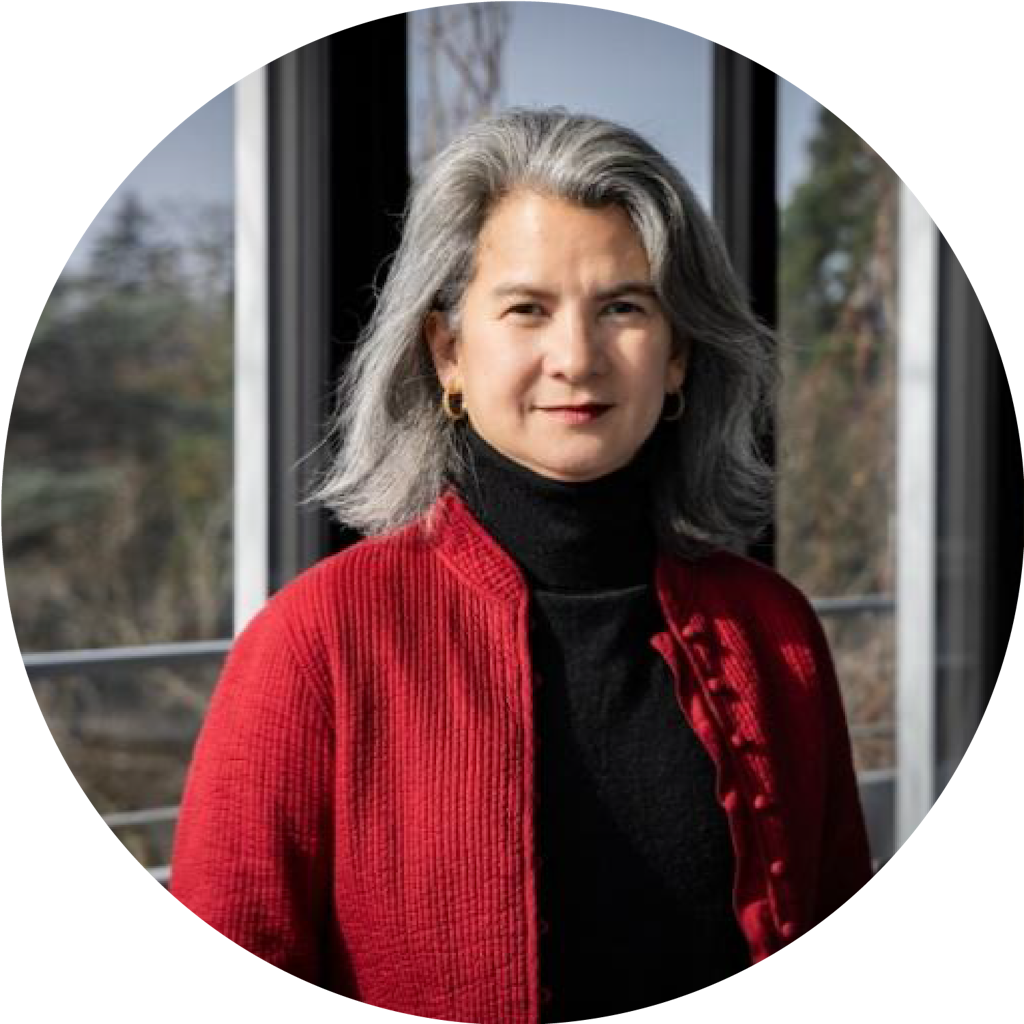
Deputy General. Director, MSF Switzerland
Ms. Lai-Ling Lee Rodriguez serves as Deputy General Director, External Affairs, at MSF Operational Centre Geneva (OCG). In addition to leading external relations for MSF Switzerland, she oversees OCG’s presence in Mexico City, Dakar, Amman, Kampala and Kuala Lumpur, ensuring strategic alignment and effective representation across regions.
A seasoned humanitarian and management professional with over twenty-five years of experience, she has led donor stewardship and advanced the development of medical, emergency and community-based programming across Africa, Asia and Central America with Médecins Sans Frontières and the Canadian Red Cross. Her leadership assignments have included senior roles in the Republics of Georgia and Congo, as well as Indonesia and Haiti, where she supported complex operations in challenging environments.
She holds an Executive MBA from McGill–HEC Montréal, with a focus on cross-sector strategic alliances and partnership brokering. A Canadian citizen of Venezuelan and Chinese heritage, she is the mother of two young adults. Outside of her professional commitments, she enjoys hiking in Switzerland, which she values as a source of balance and renewed perspective.
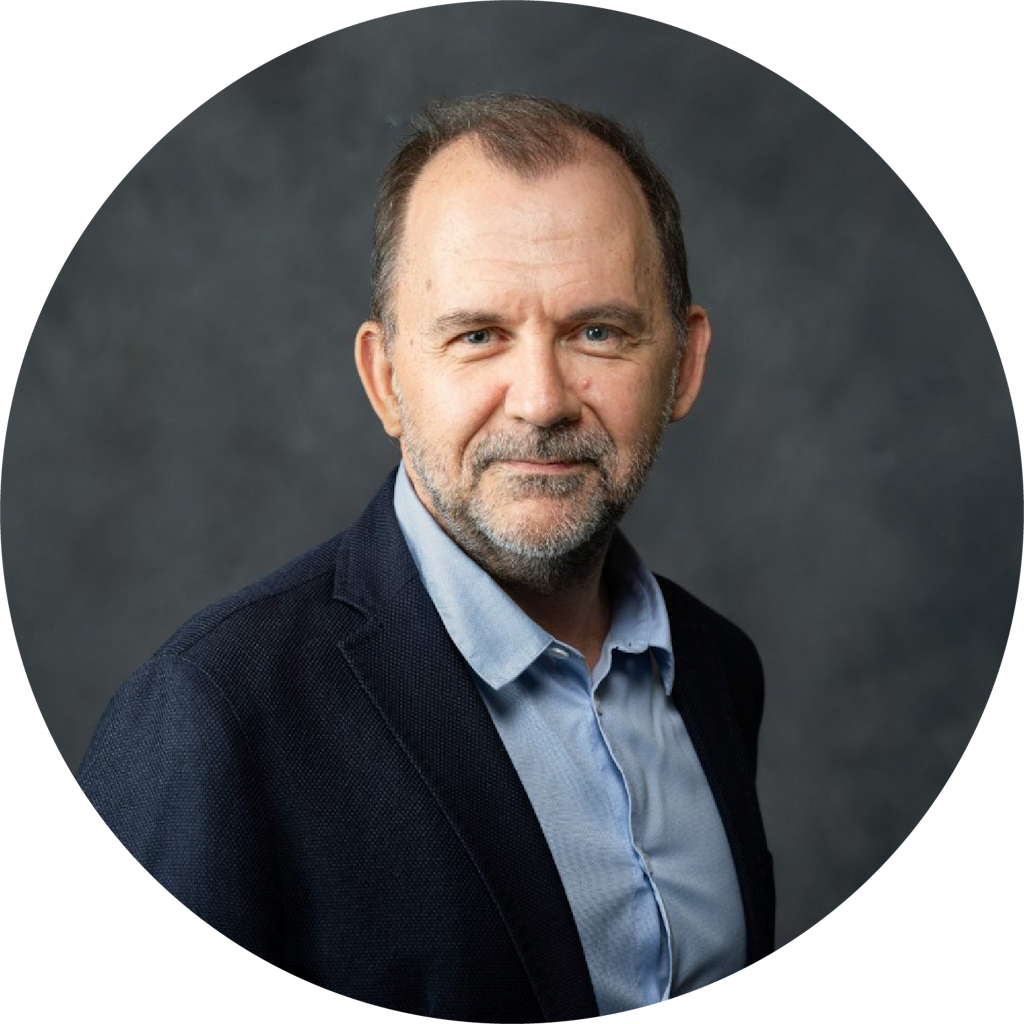
Prof., President Fondation EPFL Innovation Park and Vice-President for Innovation and Impact
Prof. Edouard Bugnion is a Full Professor in the School of Computer Science and Communications at EPFL. His primary focus in both teaching and research lies in the field of datacenter systems. Before joining EPFL in 2012, he spent 18 years in the US, during which he earned his PhD from Stanford University and co-founded two startups: VMware and Nuova Systems (acquired by Cisco). He served as VMware’s first CTO and was later the VP/CTO of Cisco’s Server, Access, and Virtualization Technology Group. Prof. Bugnion is an ACM Fellow, a member of the Swiss Academy of Technical Sciences (SATW), and a recipient of the ACM software systems award. Prof Bugnion served as EPFL Vice President for Information Systems between 2017 and 2020 and as a Director of InnoSuisse from 2017 until 2024. As of January 2025, he holds the position of Vice President for Innovation and Impact at EPFL. He additionally serves as an independent Director on the boards of Logitech and the International Committee of the Red Cross (ICRC).
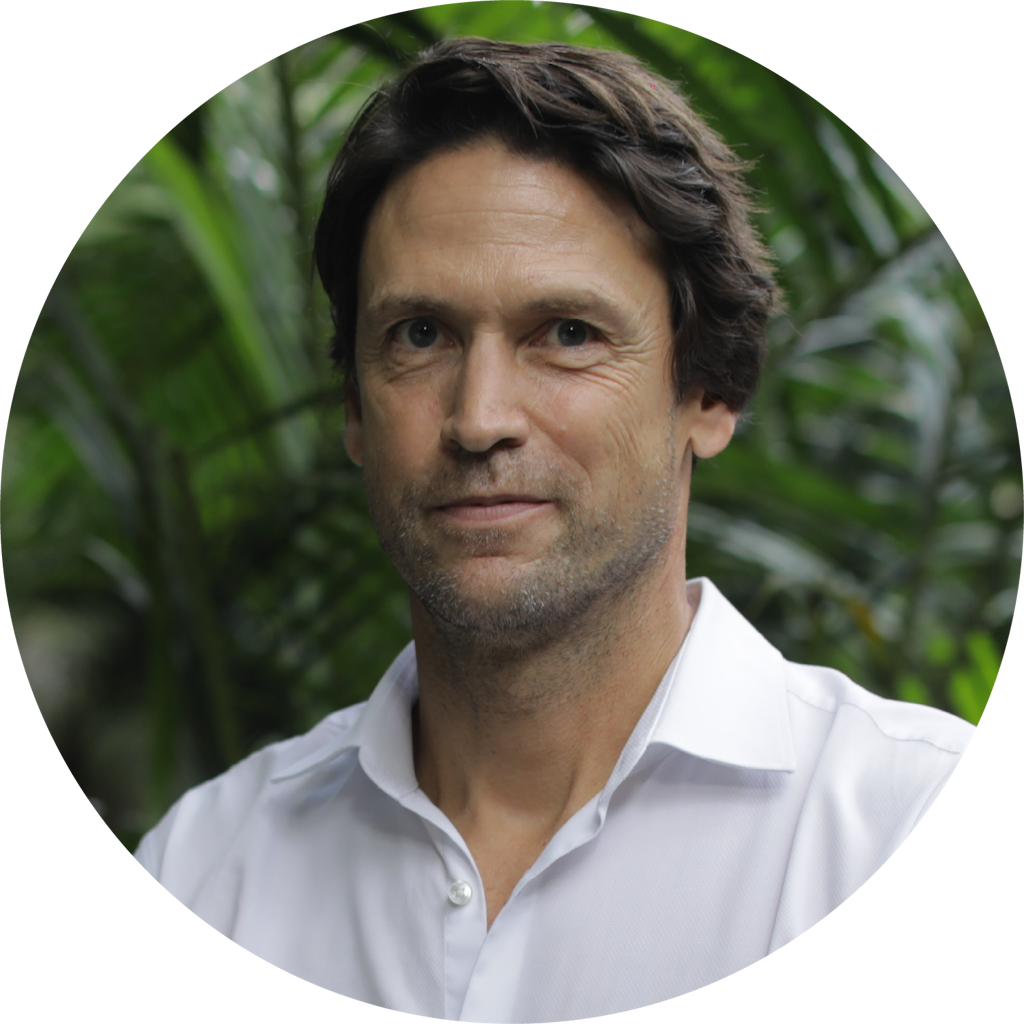
CEO iGravity
Patrick works at the intersection of finance and global development. He is the CEO and founder of iGravity, a specialized impact investment management and advisory firm committed to building a more equitable and sustainable world. He is a board member of the Refugee Investment Facility and Balim Investments, two impact-focused investment companies that finance “missing middle” SMEs in emerging markets through private debt. He also serves as co-chair of the Impact-Linked Finance Fund (ILFF), which rewards high-impact enterprises for their positive outcomes. Previously, Patrick worked at BlueOrchard and Credit Suisse. Before that, he spent many years in Mozambique, Tanzania, and Madagascar, first managing the private sector development portfolio of SECO and later establishing and managing microfinance banks on behalf of public and private investors. Patrick holds a Master’s degree in International Affairs from the University of St. Gallen and a Master’s degree in Developing Countries from the Swiss Federal Institute of Technology Zurich.
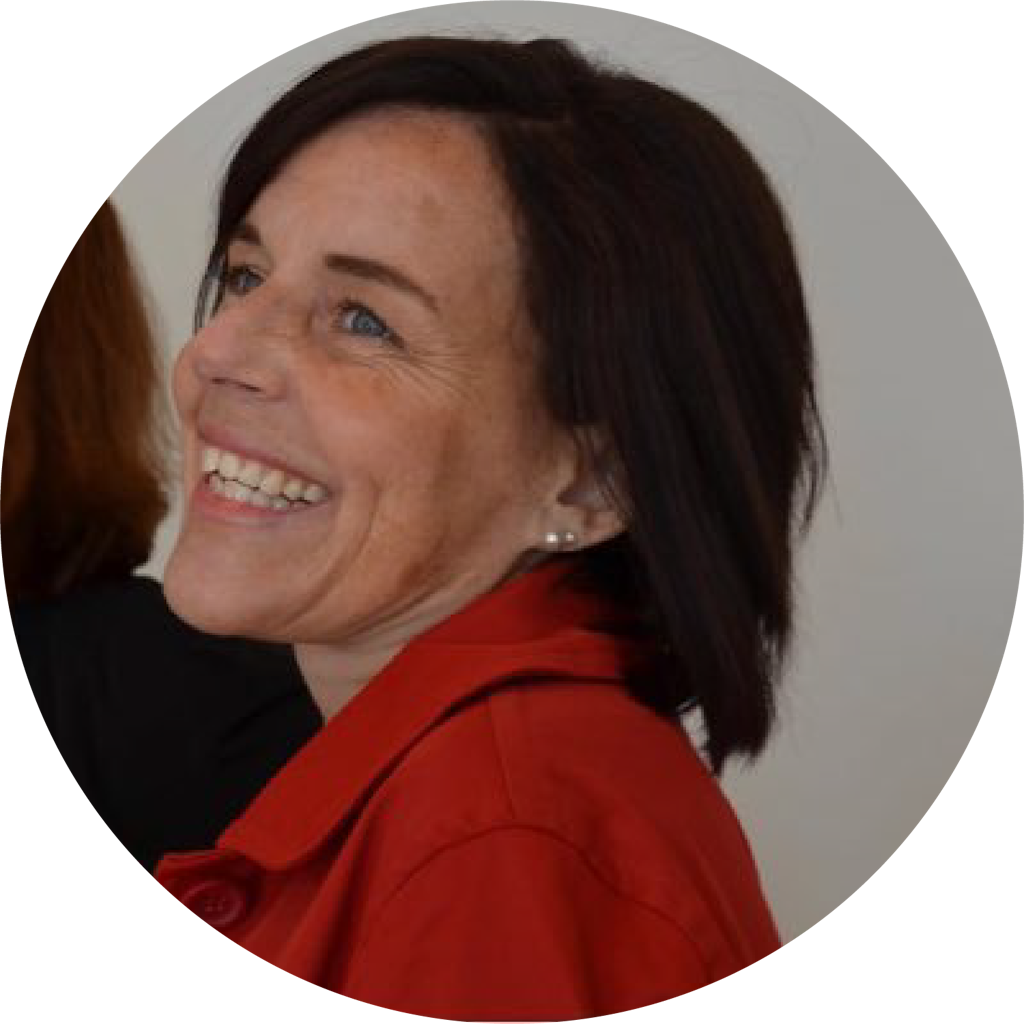
Head of Section Swiss NGO, SDC
Is currently the Head of Section for Swiss NGO within the Multilateral and NGO Division of the Swiss Agency for Development and Cooperation.
She has over 20 years of work experience in humanitarian and development cooperation as well as in peace building and the protection of human rights.
Within the FDFA she served amongst others in different management positions in the Middle East, Central Asia, Africa, and Berne.
Before joining the FDFA she worked as a human rights advisor for international organisations in OPT&Israel and Afghanistan.
Pia holds a master degree in Social Anthropology from the University of Berne.
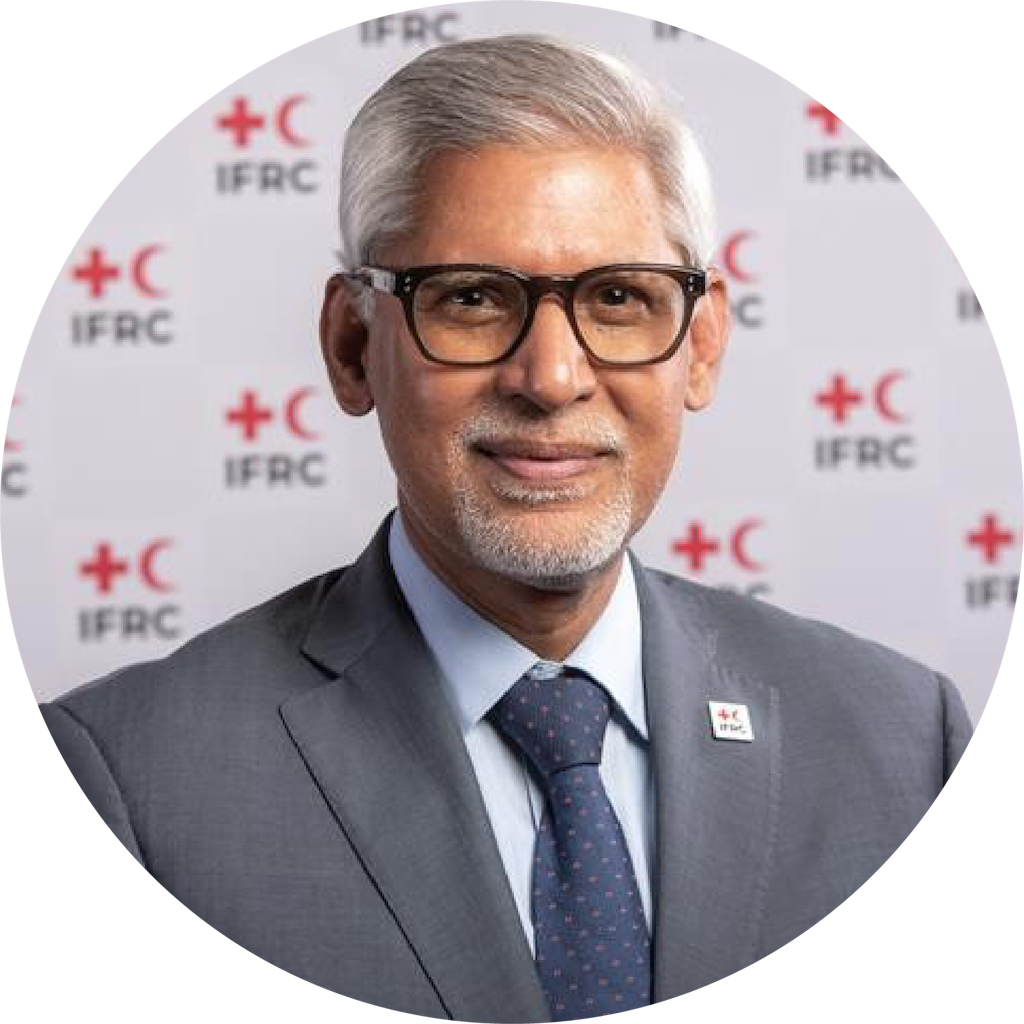
Chief Executive Officer and Secretary General of the IFRC
Jagan has extensive experience in leading effective and principled humanitarian response around the world and has dedicated his life to helping empower local communities.
He brings decades of experience in building and leading inclusive teams and forging trustful partnerships to address global challenges, ranging from climate to health, and from migration to protection, gender, and inclusion. He has also championed policies and programmes that promote youth engagement and volunteering, and that strengthen localization and accountability in humanitarian action.
He began his humanitarian journey as a youth volunteer with the Nepal Red Cross and has extensive experience in, and broad knowledge of, the International Red Cross and Red Crescent Movement.
Prior to being appointed Secretary General, he served as Under Secretary General for Programmes and Operations at the IFRC. He was also previously Chief of Staff and Regional Director for Asia Pacific, where he provided leadership during large-scale humanitarian crises and built resilient communities alongside National Societies and other partners.
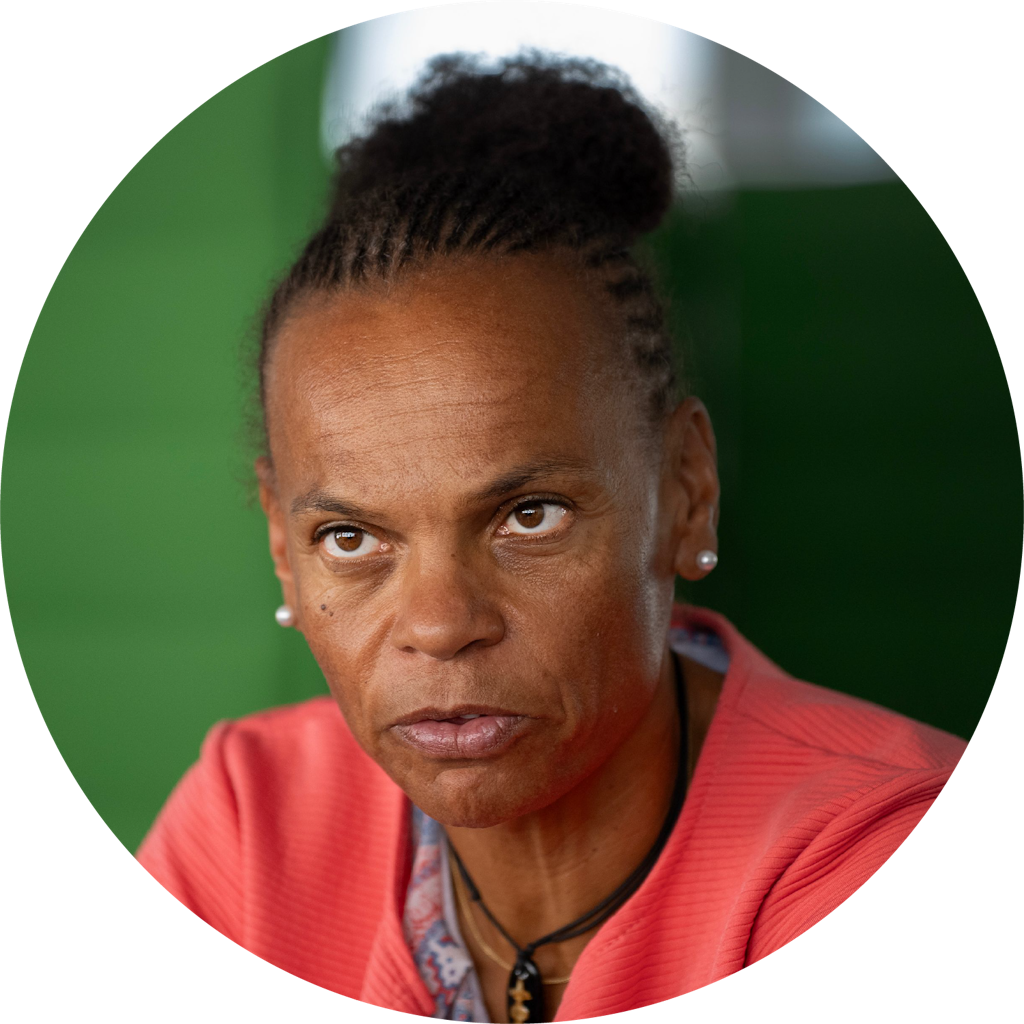
Ambassador, Director General SDC
Patricia Danzi has been with the International Committee of the Red Cross since 1996, serving as a delegate, with increasing responsibilities, in the Balkans (Bosnia, Serbia, Montenegro, Kosovo), Peru, the Democratic Republic of the Congo and Angola. At head office, she was appointed Deputy Head of Operations for the Horn of Africa and Political Advisor to the Director of Operations. She served as Head of Operations for America between November 2008 and April 2015 and has been Regional Director for Africa from May 2015 until she assumed the post of director general of the SDC on 1 May 2020.
Patricia Danzi studied in Lincoln, Nebraska and in Zurich and holds a master’s degree in agricultural economics, geography and environmental science. She undertook postgraduate work in development studies in Geneva. She speaks seven languages. Born in Switzerland, she is the daughter of a Swiss German secondary school teacher and a Nigerian diplomat and the eldest of six siblings. In her student days she taught mentally challenged children and spent time teaching in a township in South Africa just after Nelson Mandela was elected President. Patricia Danzi represented Switzerland in athletics at the 1996 Summer Olympic Games. She has two adult sons.
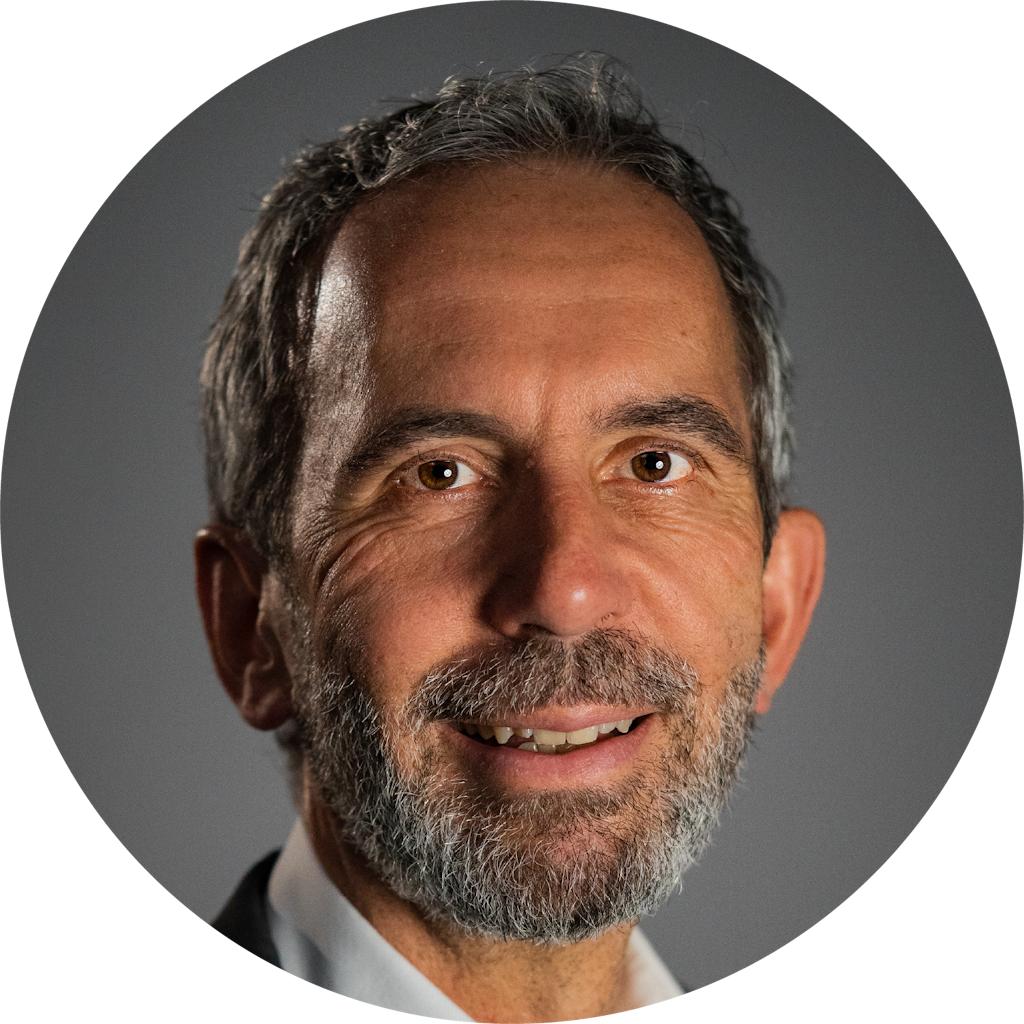
Ambassador, Deputy Director General and Delegate of the Humanitarian Aid
Dominik Stillhart holds a master’s degree in economic sciences from the University of St Gallen and a Master of Science in Social Policy and Planning from the London School of Economics. He worked for over 30 years with the International Committee of the Red Cross (ICRC). Following assignments in Africa, Central Europe and the Middle East, he was appointed deputy head of the Assistance Division in Geneva from 2000 to 2003. From 2003 to 2006, he served as country director in Sudan, and in Israel and the occupied Palestinian territory. In January 2007, he took up the global role of deputy director of operations in Geneva, with a particular focus on security and crisis management. From 2011 to 2014 he led the organisation’s human resources transformation and was then appointed director of operations.
In December 2022, the Federal Council appointed him as its new delegate for humanitarian aid and head of the Swiss Humanitarian Aid Unit (SHA). He took up this role on 1 March 2023 and became also deputy director general of the SDC. He is married with four children.
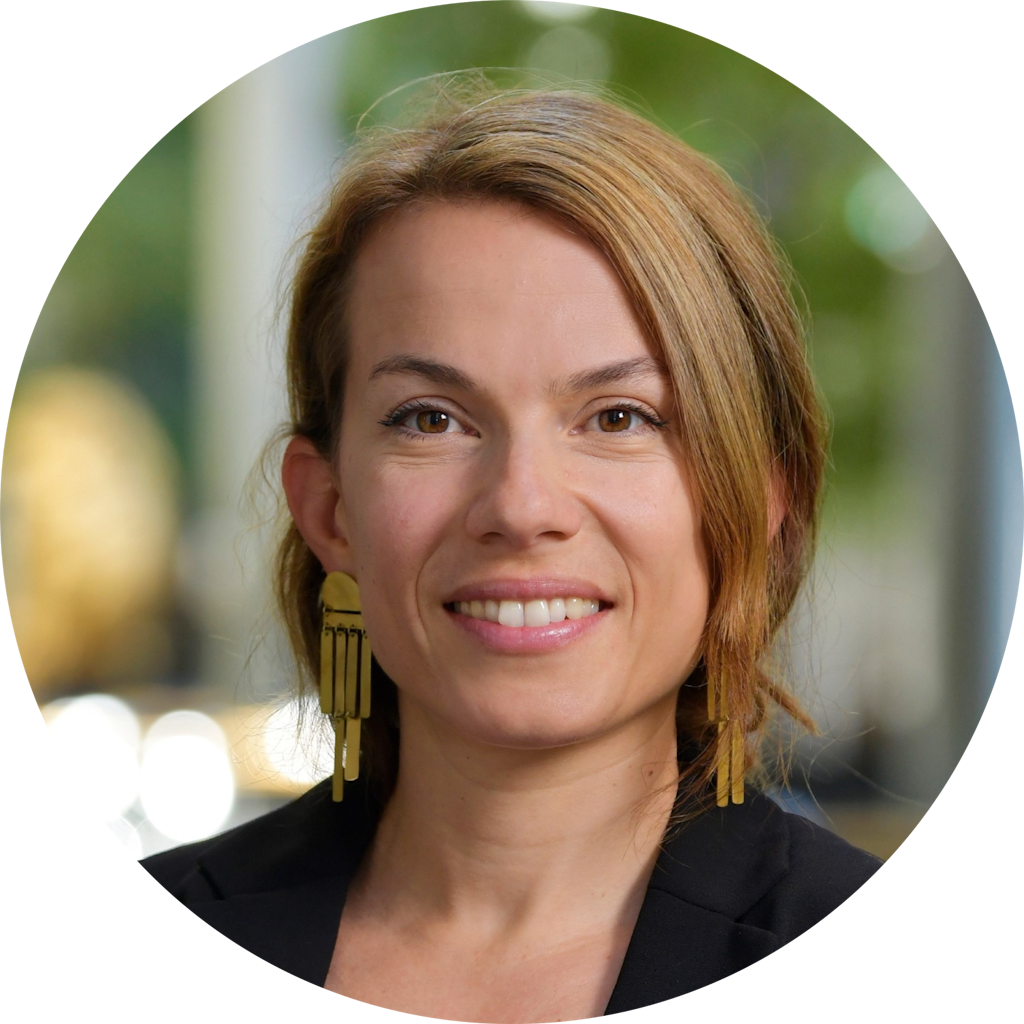
Executive Director of ETH for Development (ETH4D)
Dr. Adina Rom serves as the Executive Director of ETH for Development (ETH4D). She completed her PhD at the ETH Development Economics Group in 2018 studying renewable energies in Sub-Saharan Africa and specialising on impact evaluations and randomised control trials. As the founder of Policy Analytics, an ETH Spin-Off, she helps organisations to use and generate data to increase their social impact. She is a co-founder of the Graduate Applications International Network (GAIN) that supports prospective graduate students from across Africa applying for MA and Doctoral programs in social sciences internationally and serves on the board of the NGO SOS Mediterranée European, a humanitarian organisation for the rescue of life in the Mediterranean, Together-Against-Malaria Africa, an evidence-based NGO fighting malaria and NCBI Switzerland.
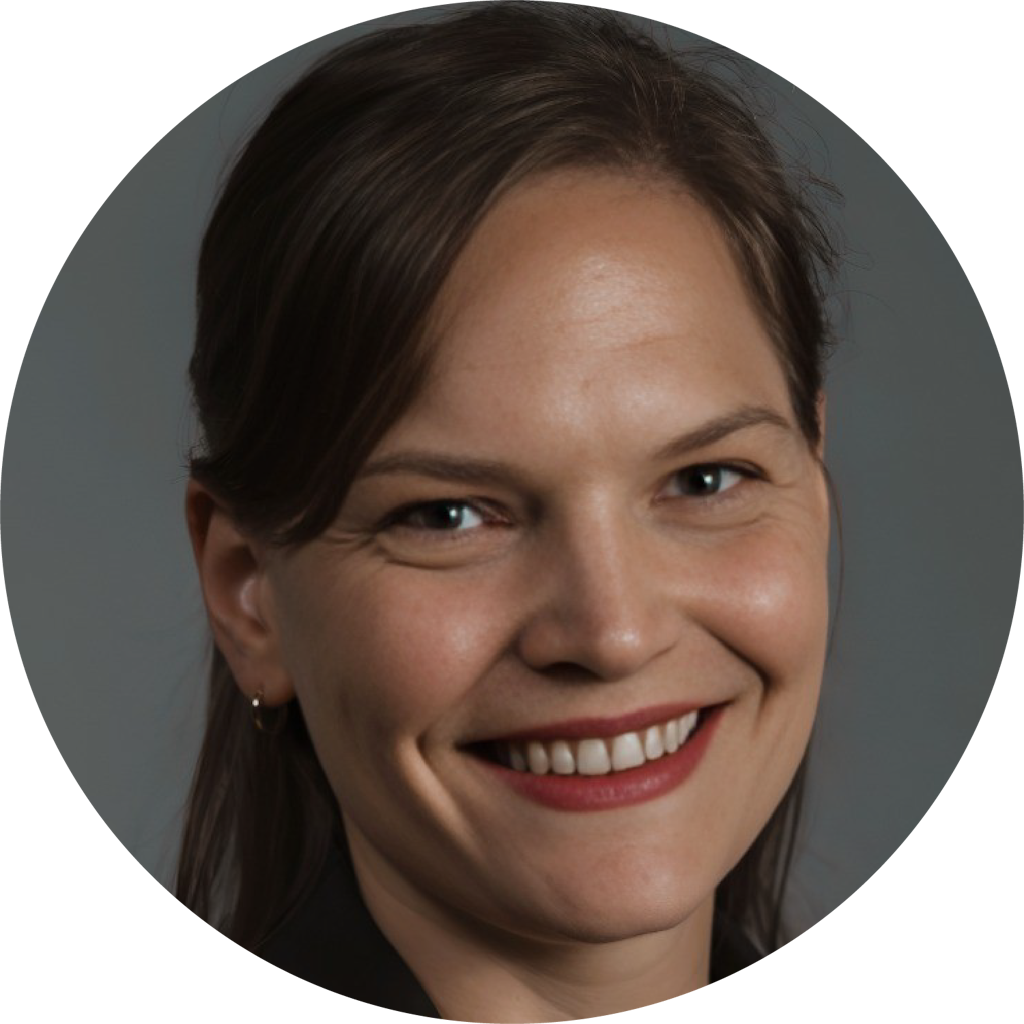
Moderation
Larissa Seemann is a Humanitarian Policy Advisor and Deputy Chief of Staff of the Humanitarian Aid Division at the Swiss Agency for Development and Cooperation (SDC). With a passion for innovation and moderation, she previously held various roles within Swiss foundations before joining the Federal Department of Foreign Affairs (FDFA).
Moderation
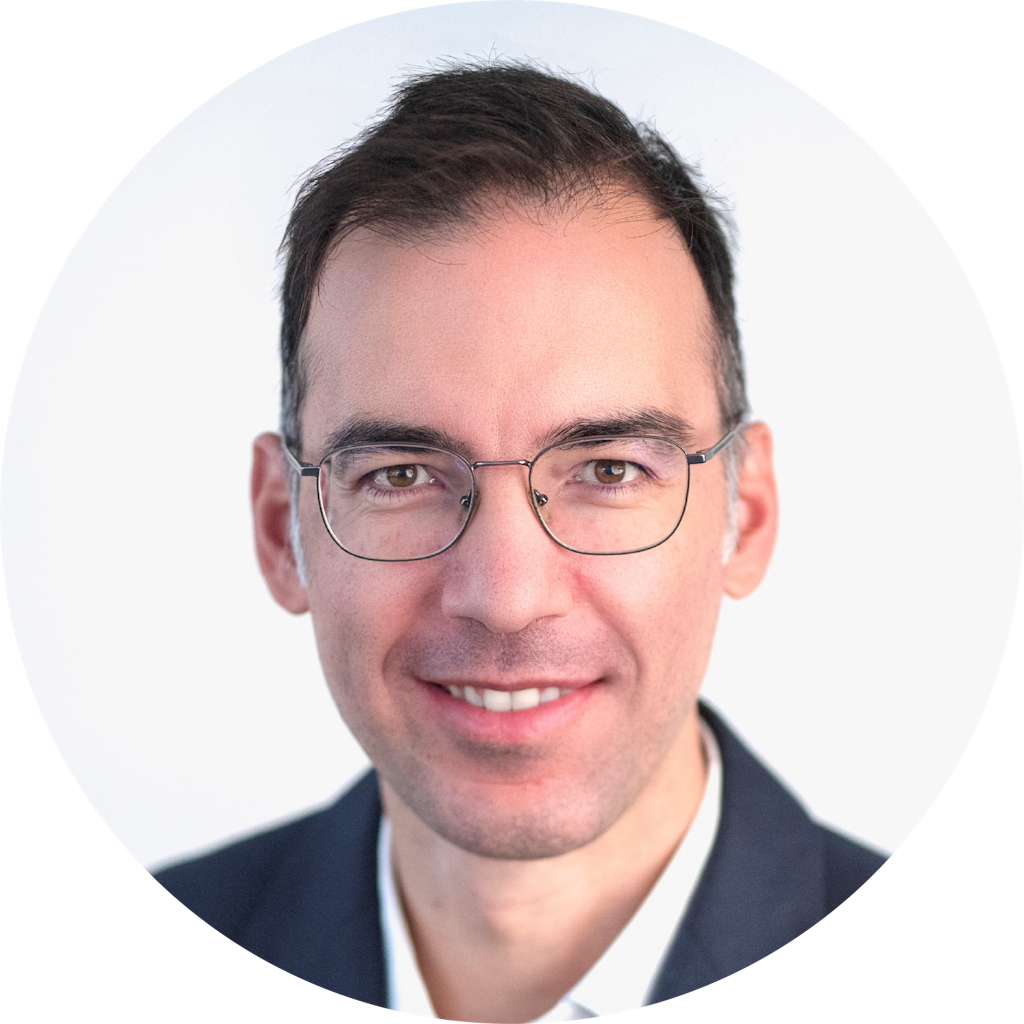
Özgür Ünal is the communication officer of the Humanitarian Aid Division at the Swiss Agency for Development and Cooperation (SDC). He moderates SDC’s internal and external events related to humanitarian aid.
Session 01
Head of unit for the ICRC’s Global Initiative to galvanize political commitment to international humanitarian law
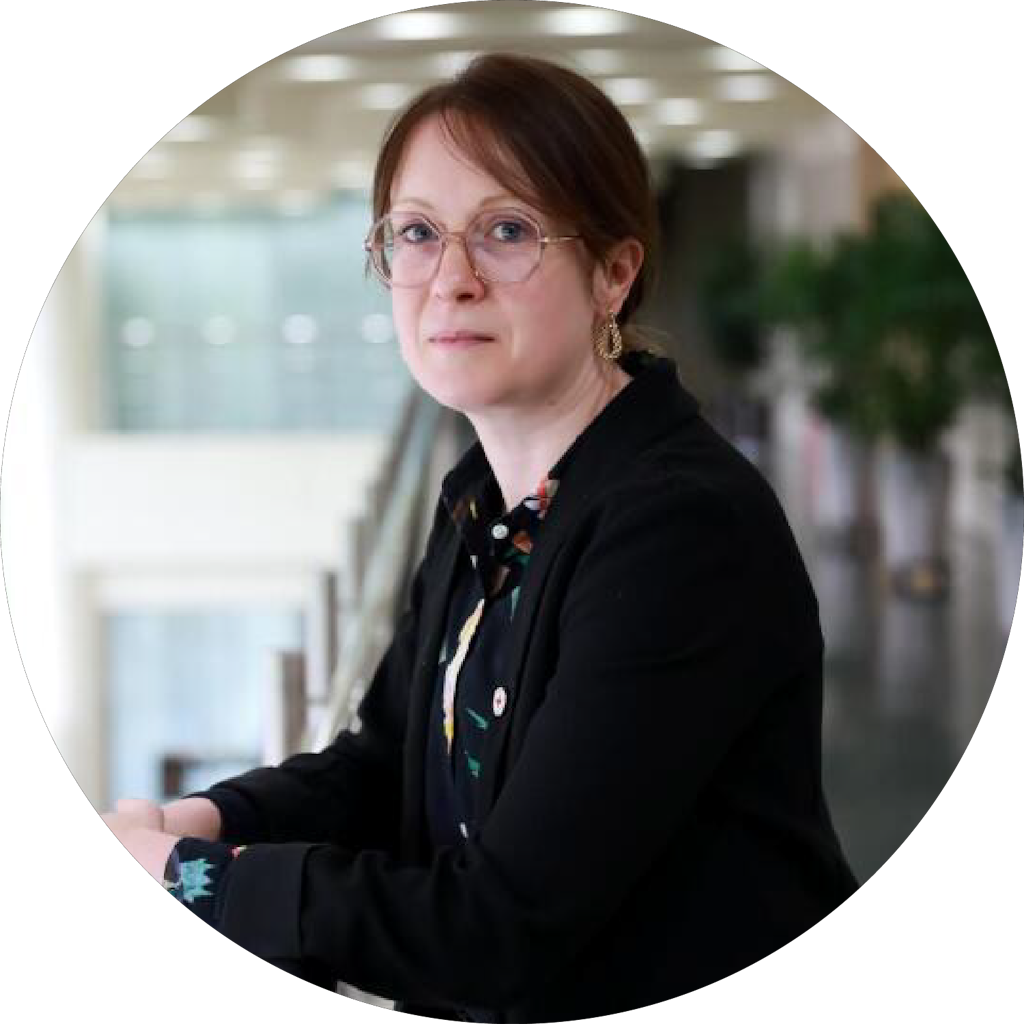
Dr Anne Quintin is the head of the Global Initiative to galvanize political commitment to international humanitarian law (IHL), at the International Committee of the Red Cross (ICRC). In that capacity, she oversees the work on the seven thematic workstreams of the Initiative as well as the diplomatic engagement on the initiative. Before this, she was the head of the ICRC’s Advisory Service on IHL for six years, during which she led a team of lawyers based across the globe and supporting sates in the promotion and implementation of IHL at the domestic level.
Since 2008 when she first joined the ICRC, she has held various legal positions, both at headquarters in Geneva and in the Washington, DC delegation. Before joining the ICRC, Dr Quintin worked for the Geneva Academy of International Humanitarian Law and Human Rights and for the San Remo Institute. She has also held academic positions, including as a visiting lecturer at the Paris School of International Affairs (Sciences Po Paris) and at the Elliott School of International Affairs at George Washington University, and as a visiting scholar at the Asia Pacific Centre for Military Law at the University of Melbourne.
Anne is the author of The Nature of International Humanitarian Law (Elgar, 2020) and of numerous articles, and is the co-author of the online casebook How Does Law Protect in War, alongside Marco Sassòli, Antoine Bouvier and Julia Grignon.
Dr Quintin holds a PhD in IHL from the University of Geneva, a degree in politics, philosophy and economics from the University of Kent, England, a master’s degree from the Institut d’Études Politiques in Lille, France, and an LLM in international humanitarian law from the Geneva Academy of International Humanitarian Law and Human Rights.
Ambassador, Director General, Directorate of International Law
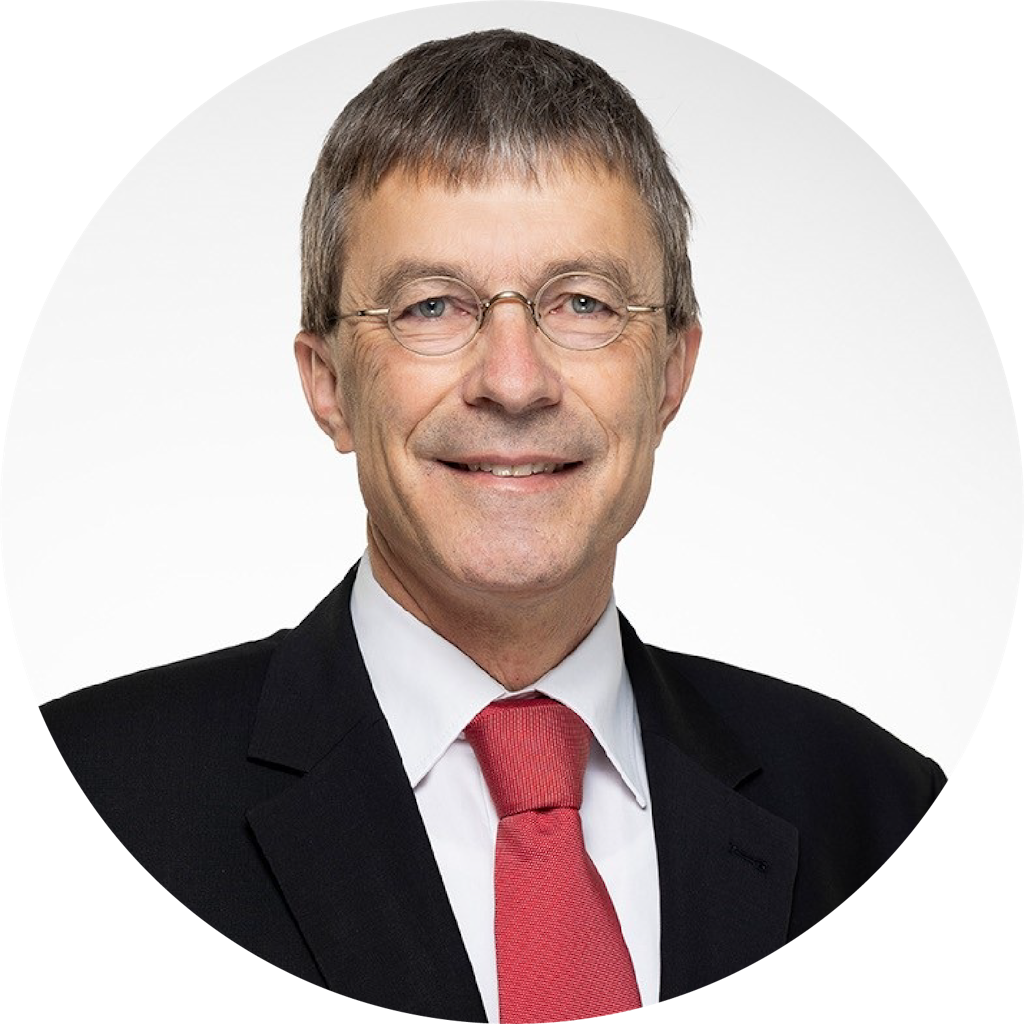
Franz Perrez is Switzerland’s Legal Advisor and Head of the Directorate of International Law at the Swiss Federal Department of Foreign Affairs. From 2010 to 2023, he was Switzerland’s Ambassador for the Environment and Head of International Affairs at the Federal Office for the Environment, leading the Swiss delegations in climate change, biodiversity, chemicals and waste, and sustainable development. Previously, he held positions at SECO and the WTO. He is teaching international environmental law at the University of Bern since 2008. He earned a J.S.D. and an LL.M. from NYU.
Retired Air Force Brigadier General, Colombia
Brigadier General (Ret.) Juan Carlos Gómez Ramírez is a Professor at the Inter-American Defense College and an Adjunct Professor at the William J. Perry Center of the National Defense University in Washington, D.C., where he teaches strategic leadership, defense policy, and ethics. He brings more than 40 years of experience in security, defense, and the responsible use of force, grounded in Human Rights and International Humanitarian Law. He served 33 years in the Colombian Air Force, accumulating over 3,000 flight hours in combat, intelligence, and transport missions, and held senior positions at the Ministry of Defense as Director of Human Rights and IHL. As a Delegate of the International Committee of the Red Cross, he led engagements with armed forces and groups across the Middle East, Africa, and the Americas. He has also been a guest lecturer for DCAF and the Swiss Federal Department of Foreign Affairs in Ukraine and Geneva.
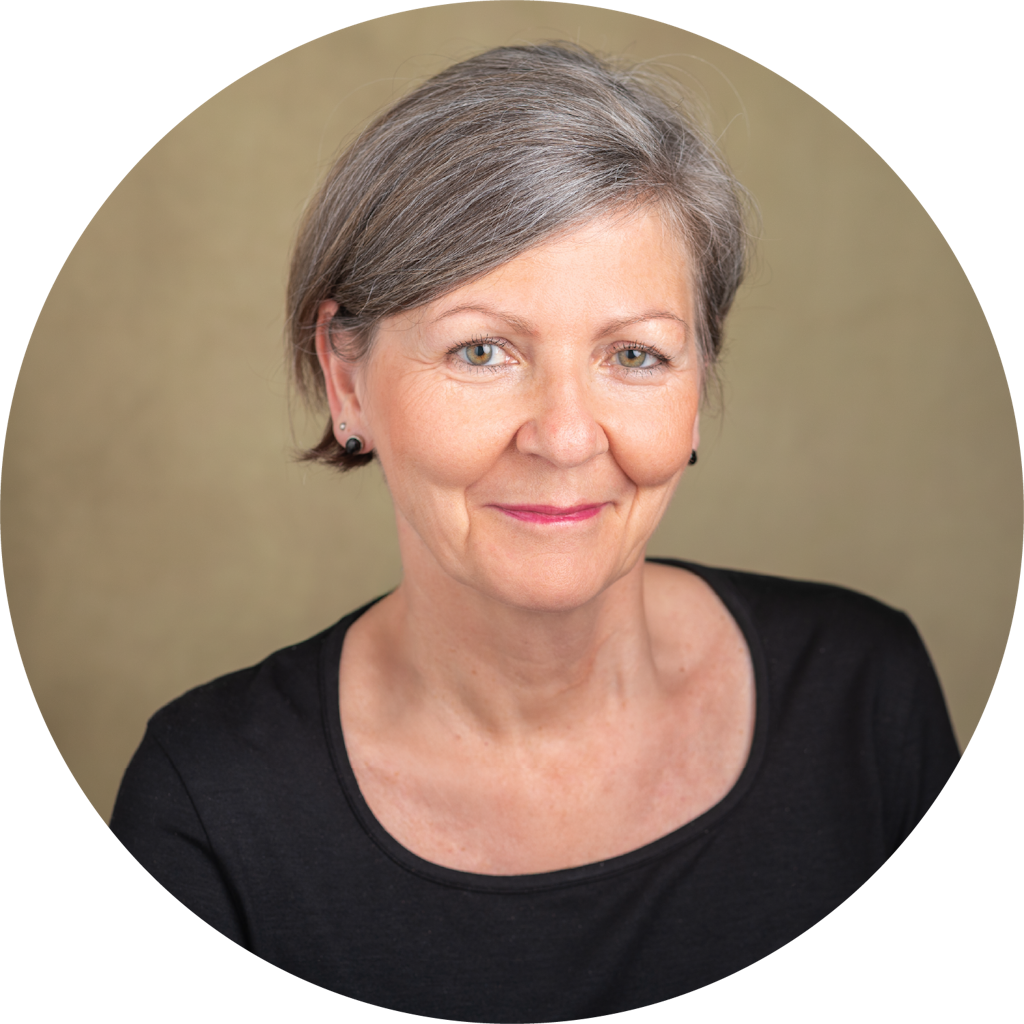
Director General, Terre des Hommes
During her 20 years with the International Committee of the Red Cross (ICRC), both in the field and at headquarters, Barbara Hintermann has acquired an in-depth knowledge of humanitarian action and its ecosystem. She has worked in various countries in the Middle East, Africa and Latin America and hold several senior leadership positions at the Headquarters in Geneva. Afterwards, for five years, she has headed the Initiatives of Change Switzerland foundation, which is active in reconciliation and promotion of peace. Since January 2020, Barbara Hintermann is the Director General of the Terre des hommes Foundation in Lausanne, which works for the wellbeing of children and the promotion of children's rights. Throughout her career of 25 years and more in the humanitarian sector, she has advocated for justice, respect and human rights, as well as for the protection of the most disadvantaged. She is passionate about setting the benchmark in child protection and providing meaningful and responsible solutions to improve the lives of children, their families and their communities.
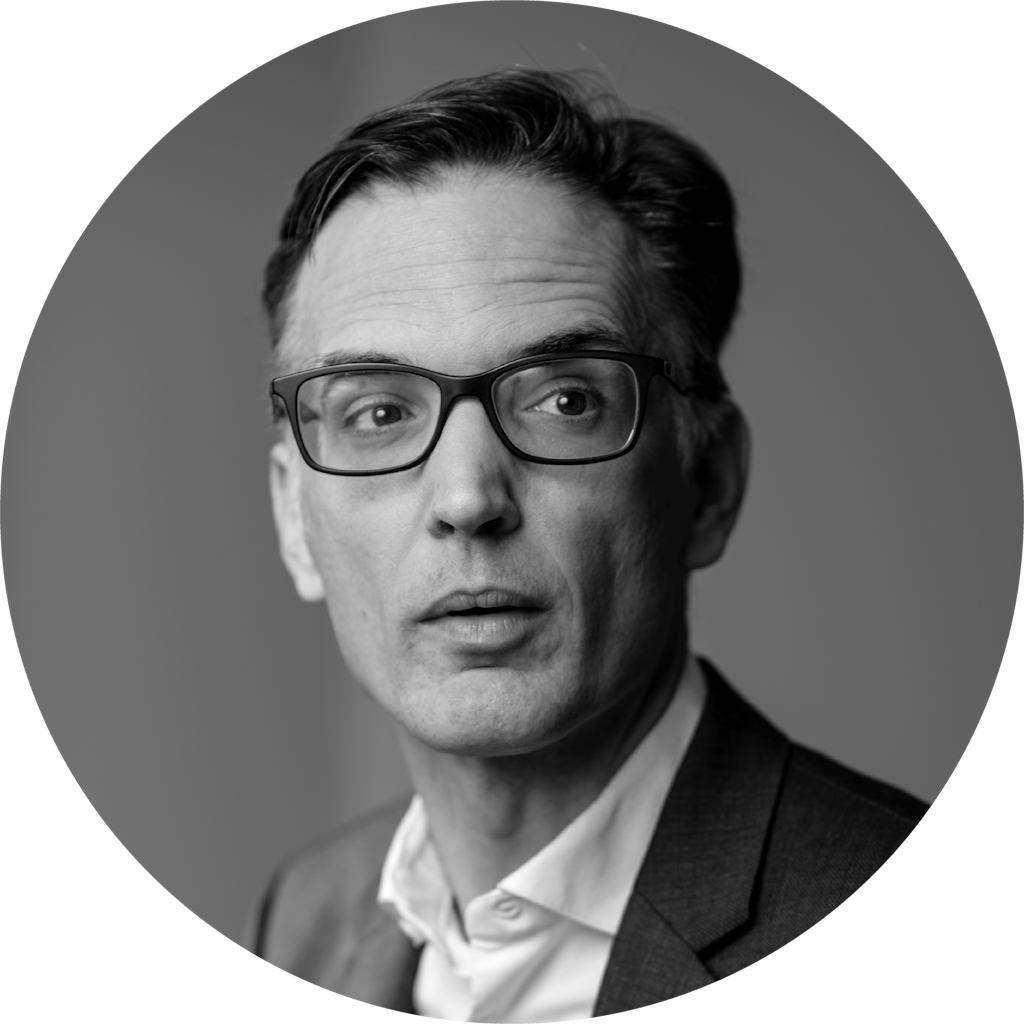
Civitas Maxima
Alain Werner is a lawyer registered with the Geneva Bar. He holds an LL.M from Columbia University. He worked for the prosecutor of the Special Court for Sierra Leone in Freetown and in the Hague (2005-2008, 2010, 2012). He participated in the trial of former Liberian president Charles Taylor, the first trial of a former head of state by an international tribunal since the WWII.
Mr. Werner represented victims of the Khmer Rouge at the trial of “Duch” before the Extraordinary Chambers in the Courts of Cambodia in Phnom Penh, Cambodia (2009-2010). He also worked for Chadian victims of former Chadian President Hissène Habré before the Extraordinary African Chambers in Dakar, Senegal (2015–2017).
In 2012, he founded Civitas Maxima in Geneva and represented several Liberian victims in the first case for war crimes and crimes against humanity in Switzerland in front of the Swiss Federal Criminal Court (2020 to 2023).
In 2019 Mr. Werner received the “Bâtonnier Michel Halperin Prize for Excellence” of the Geneva Bar Association and in 2020 he was granted a full Fellowship by Ashoka.
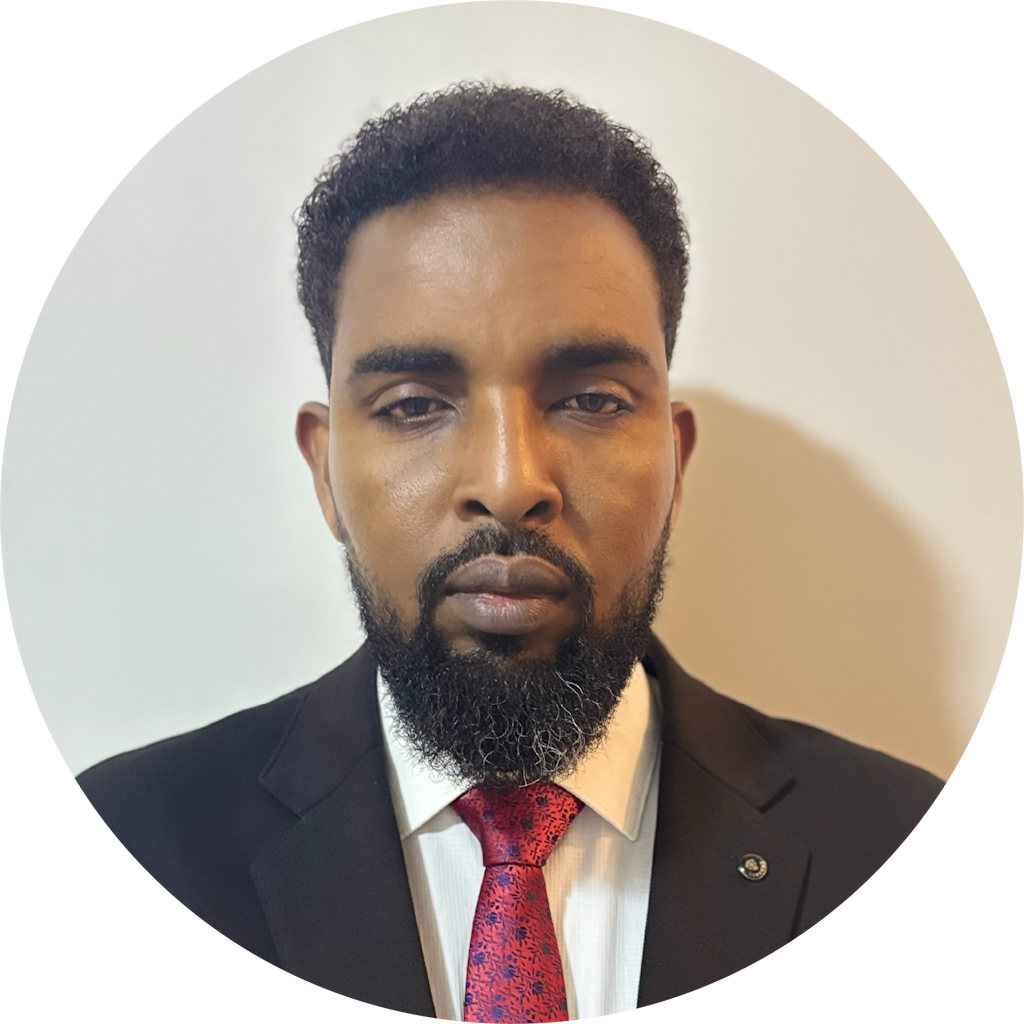
Acting Country Director, Yemen, Geneva Call
Daud Hirmoge is the Head of Program and Acting Country Director for Geneva Call in Yemen, where he has been leading the promotion of IHL compliance and protection of civilians through collaboration with armed actors, civil society, and communities in the last two years. With 14 years of continuous experience in the humanitarian sector, Daud has built a distinguished career across Kenya, Uganda, Ethiopia, and Yemen, focusing on program leadership, education, protection, and crisis response. Daud has also worked with other reputable international organizations like NRC, Save the Children and Education Development Trust in key management roles including overseeing NRC humanitarian operations in Tigray region of Ethiopia before and during the conflict and leading NRC’s South Area Office in Yemen.
Before entering the humanitarian sector, Daud worked as a high school teacher in Kenya, where he developed a strong foundation in education and leadership that continues to shape his humanitarian work today. Daud has a degree in Education, Arts and master’s in educational leadership and management.
Session 02
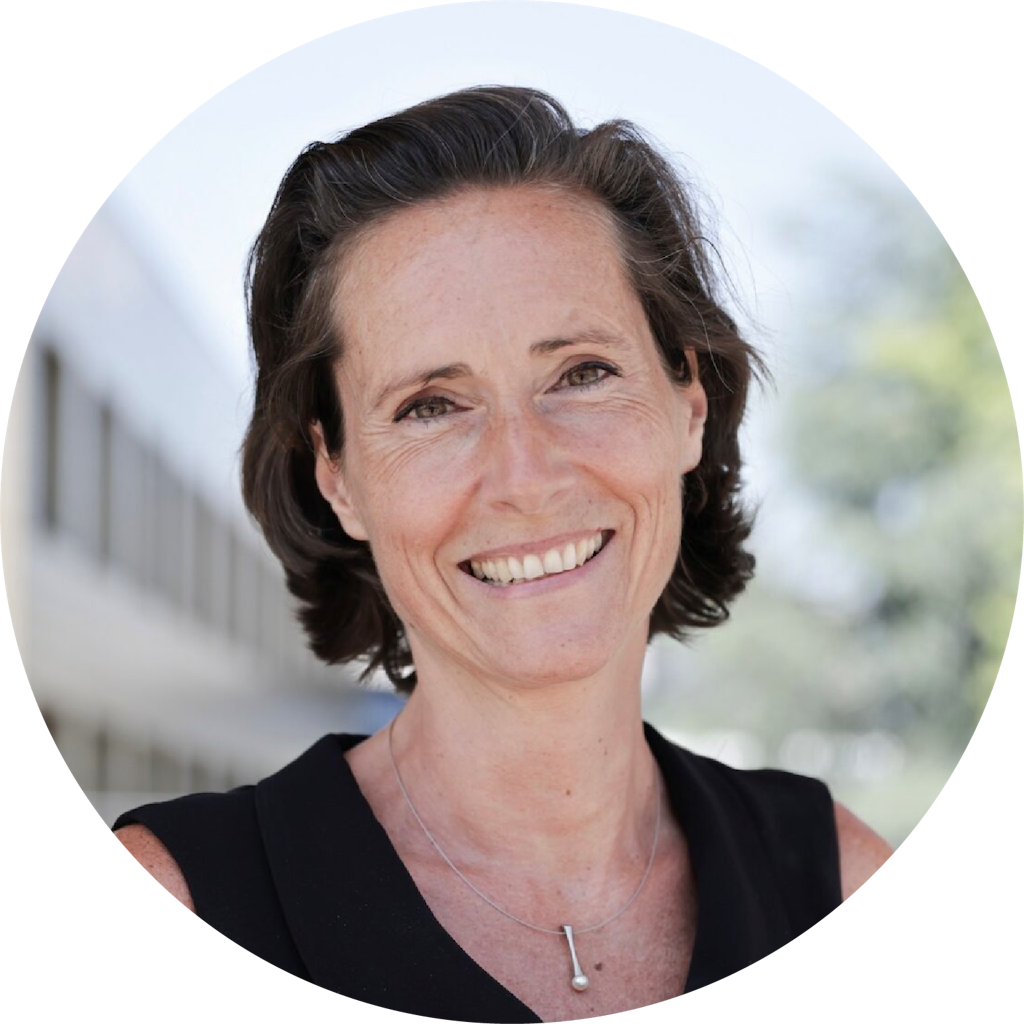
Directrice Générale de GESDA
Trained as a physicist, Marilyne Andersen has been conducting pioneering work at the interface between science and engineering, design, society and culture. A leading expert in the field of daylight in relation to neuroscience and psychophysics, Full Professor and Head of the LIPID lab at EPFL, she has been Dean of the School of Architecture, Civil and Environmental Engineering (ENAC) from 2013 and 2018 and carried the development of the EPFL Fribourg associate campus (Smart Living Lab). She initiated and led from 2022 until 2025 a Swiss-wide research consortium on the energy transition with a focus on the future of living and working, involving 10 academic institutions and 30 partners from the public and private sectors. Before joining EPFL, she was a Professor at the Massachusetts Institute of Technology (MIT) and a Visiting Professor at the Lawrence Berkeley National Lab (LBNL) in California and at the Singapore University of Technology and Design (SUTD). She was a member of the Board of the global Holcim Foundation for Sustainable Construction from 2015 to 2024 and an expert to the Innovation Council of InnoSuisse from 2018 to 2024. She has also been on the Boards of the ArtTech and Culture du Bâti Foundations, and leverages her research in practice through OCULIGHT dynamics, a start-up she co-founded that offers specialised consulting services on daylight and its psycho-physiological effects on building occupants. In parallel, she has been actively engaged in bridging the gap between art and science, notably since 2021 as co-curator of the exhibition entitled Lighten Up! On Biology and Time and as author of the Circa Diem immersive installation and policy-oriented fiction Droit au Jour; these works have been on display in diverse venues such as the Seoul Biennale, the EPFL Pavilions, the Gewerbemuseum Winterthur, the Museum of Contemporary Design and Applied Arts (mudac) in Lausanne, and the MIT Museum.
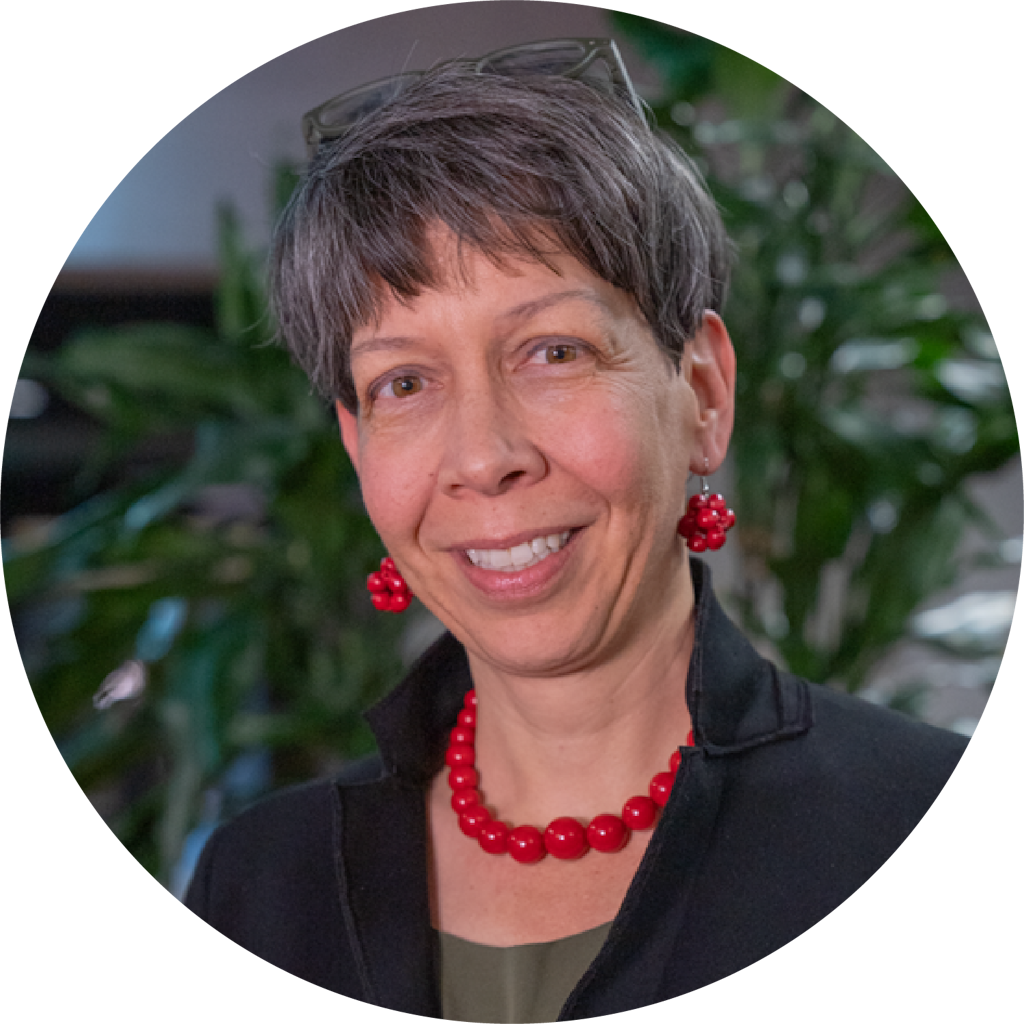
Ambassador, Assistant Director General, SDC
Nicole Ruder studied earth sciences at the University of Bern. Her master’s thesis in the Sultanate of Oman sparked her interest in international relations. In 2000, she joined the Federal Department of Foreign Affairs (FDFA), which, after an introductory period in Bern, led her to a secondment to the United Nations (UN) in Lebanon. This was followed by assignments for the Swiss permanent mission in New York and the Swiss embassy in Islamabad. In 2010, she joined the team of former Federal Councillor Joseph Deiss during his term of office as president of the UN General Assembly. She then took on management roles in Bern, as the head of the Humanitarian Aid Staff Office and as head of the Global Institutions Division. In 2019, she was posted to Kyiv as head of international cooperation.
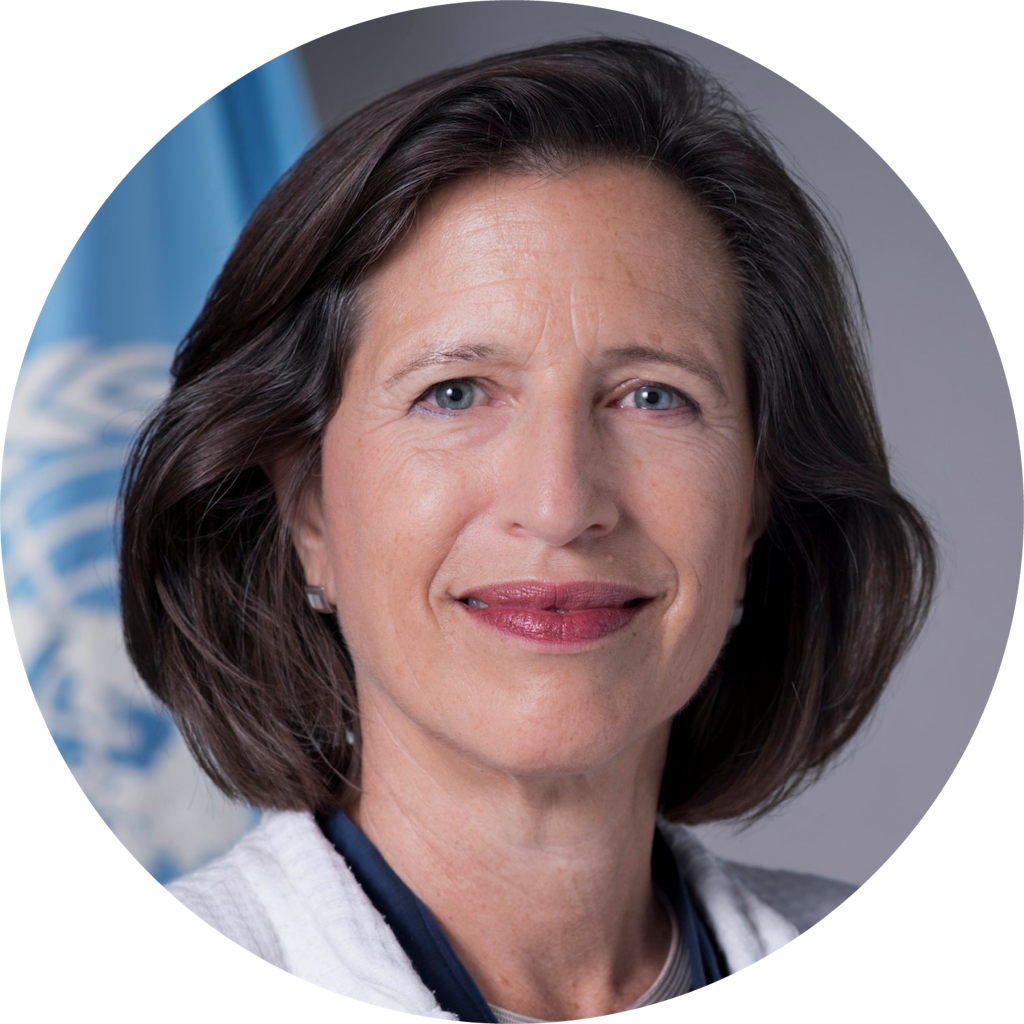
Under-Secretary-General for Global Communications United Nations (DGC)
Melissa Fleming is the UN Under-Secretary-General for Global Communications, leading an international team to inform audiences about the state of the world and build support for the work and goals of the United Nations. She oversees strategic and crisis communications, multilingual news and digital media platforms, information integrity, and global campaigns. Her career includes senior communications roles at UNHCR, IAEA, OSCE, and RFE/RL.
She is the author of the book, A Hope More Powerful than the Sea and hosts the award-winning UN podcast, Awake at Night. She holds degrees from Boston University and Oberlin College.
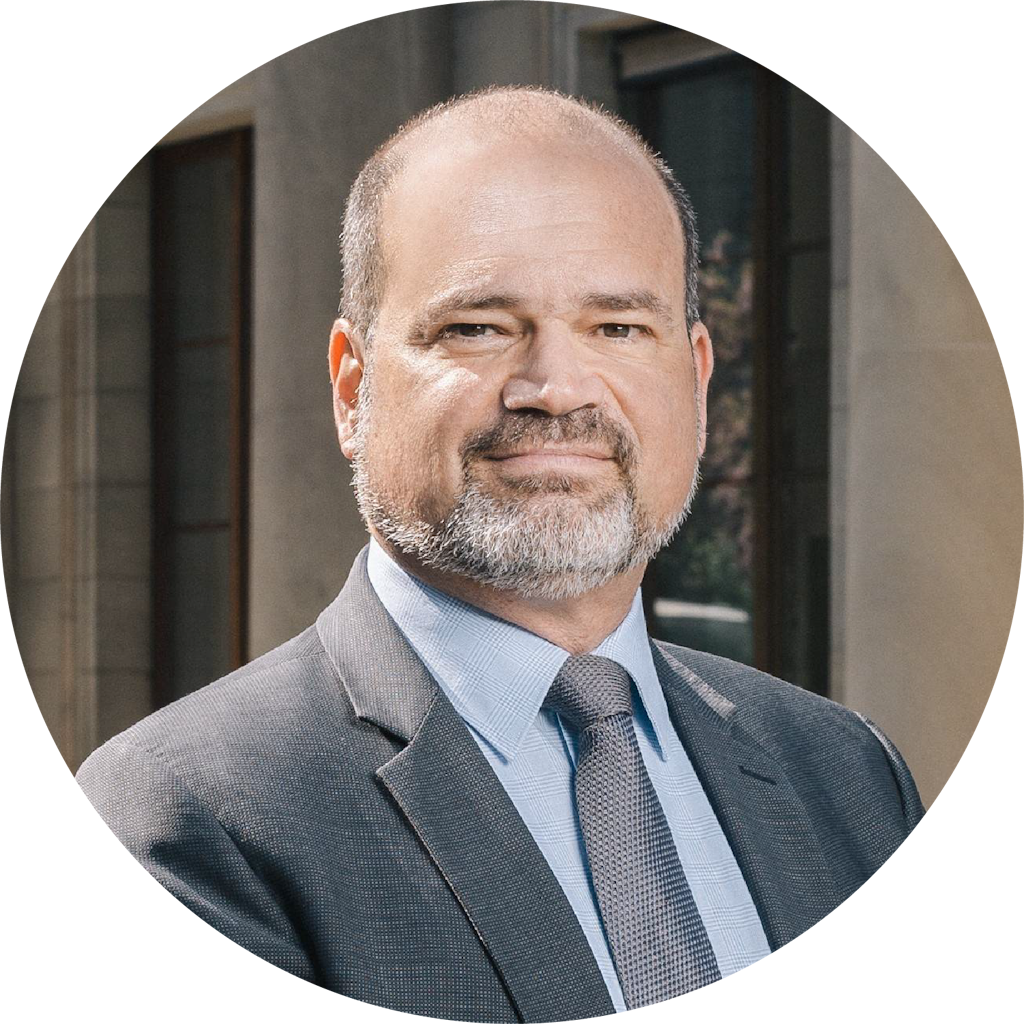
Chairman of the Federal Commission for Childhood and Youth and GESDA Board Member
Sami Kanaan holds a master degree in physics from the ETHZ (Federal Institute of Technology in Zurich) and a master degree in political science from the University of Geneva in 1995. Professionally, he has a track record in independent consulting and senior management in public affairs. At political level, he served in various councils and entities. In June 2011 he got elected in the Executive Council of the City of Geneva for three mandates, until May 2025, and was Mayor of Geneva three times (2014-15, 2018-19, 2020-21). Culture and sport were part of his fields of responsibility; in 2020 he took over responsibility over digital affairs, implementing a proactive, effective and comprehensive digitalisation policy for the City with an independent certification. He was in charge of international affairs for the City during the last years, in close cooperation with the Canton of Geneva and the Swiss Confederation. As such he initiated the constitution of the “Global Cities Hub” in 2020 as a new platform in Geneva aiming at developing effective and sustainable interaction between local and regional governments and the multilateral institutions. He also chairs since 2016 the Federal Commission for Childhood and Youth, a consultative body of the federal authorities.
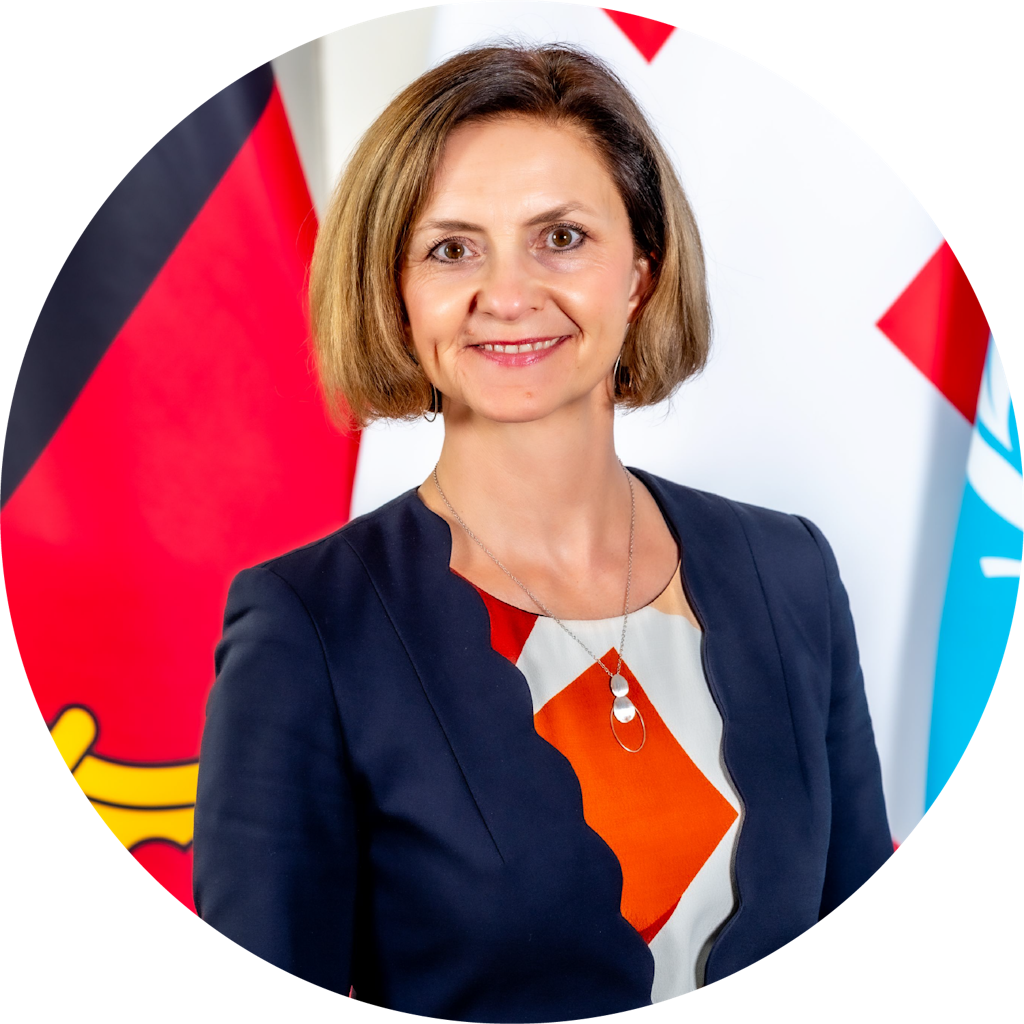
Ambassador, Cheffe de la Division Etat hôte, Mission Permanente de la Suisse auprès de l’ONU
Ambassador Anna Ifkovits Horner is Deputy Permanent Representative of Switzerland to the United Nations Office and to the other international organisations in Geneva and Head of the Host State Division at the Swiss Mission. She has more than 20 years of experience in diplomacy and international affairs, having held various positions within the Swiss Ministry of Foreign Affairs (FDFA), the Swiss Defence Ministry and the United Nations. She has previously served as Director for Eurasia at the FDFA, as Adviser and Team Leader for the Swiss chairmanship of the OSCE in Vienna and as Diplomatic Adviser to the President of the Swiss Confederation.
Ambassador Ifkovits Horner holds a Bachelor’s degree in sociology from the University of Geneva and a Master's degree in International Relations from the Ortega y Gasset University Research Institute at the Complutense University of Madrid.
Session 03
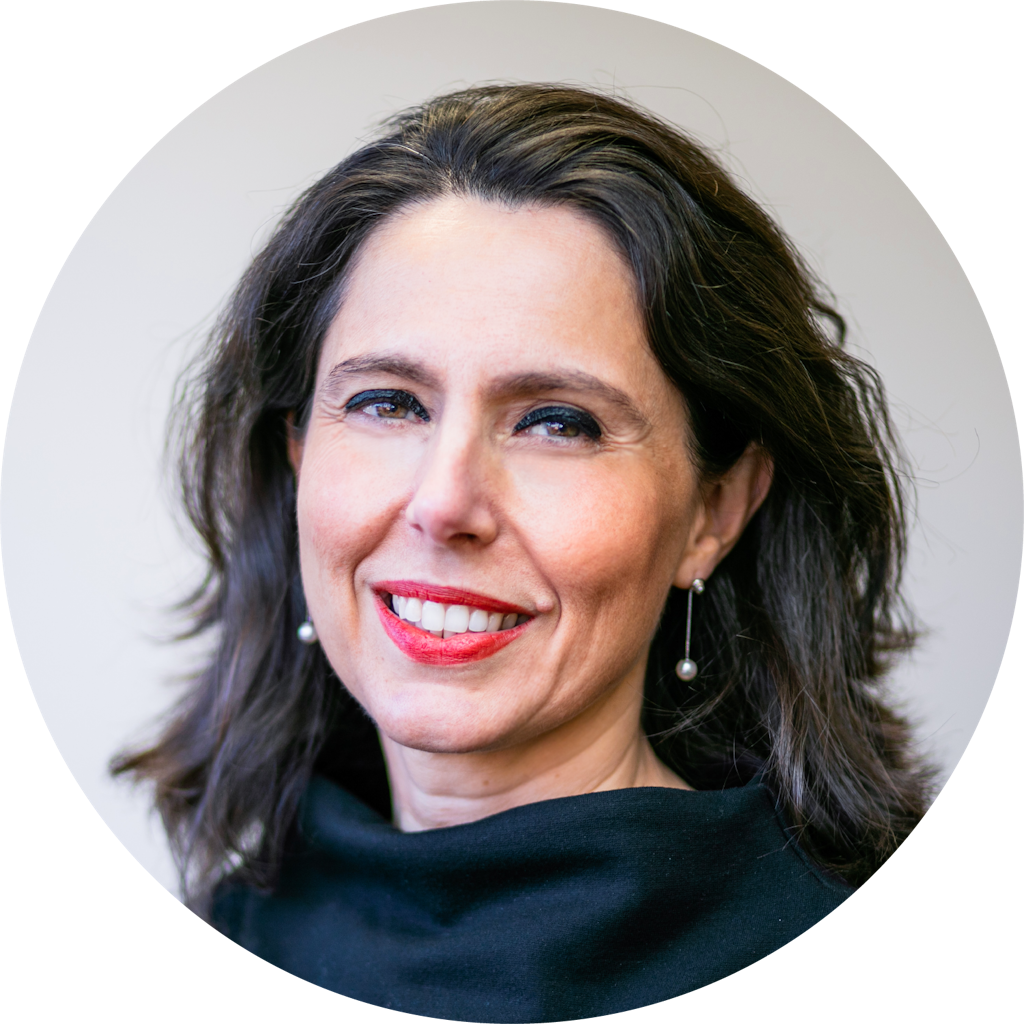
Chief Executive of ODI Global and a leading expert on humanitarian affairs, conflict, and peacebuilding
Sara Pantulino is Chief Executive of ODI Global, where she was previously Managing Director. She has been appointed by the UN Secretary-General as an Independent Eminent Person for the 2025 peacebuilding architecture review and previously chaired his Seventh Advisory Group of the UN Peacebuilding Fund. She chairs the World Economic Forum’s Global Future Council on Reimagining Aid and serves on its Humanitarian and Resilience Investing High-Level Group. She is Managing Editor of Disasters journal, a trustee of Muslim Aid and the Centre for Disaster Philanthropy, and Chair of British Fencing. Sara led a high-profile UN response in Sudan’s Nuba Mountains, observed the IGAD Sudan peace process, and lectured at the University of Dar es Salaam. She has served on a range of executive and advisory boards, including The New Humanitarian, SOS Sahel, Oxford’s Refugee Studies Centre, the UN Association UK and UNFPA’s ICPD25 High-Level Commission. She holds a PhD from Leeds, has written extensively on conflict and humanitarian affairs, hosts ODI’s Think Change podcast, and is a CMG honoree.
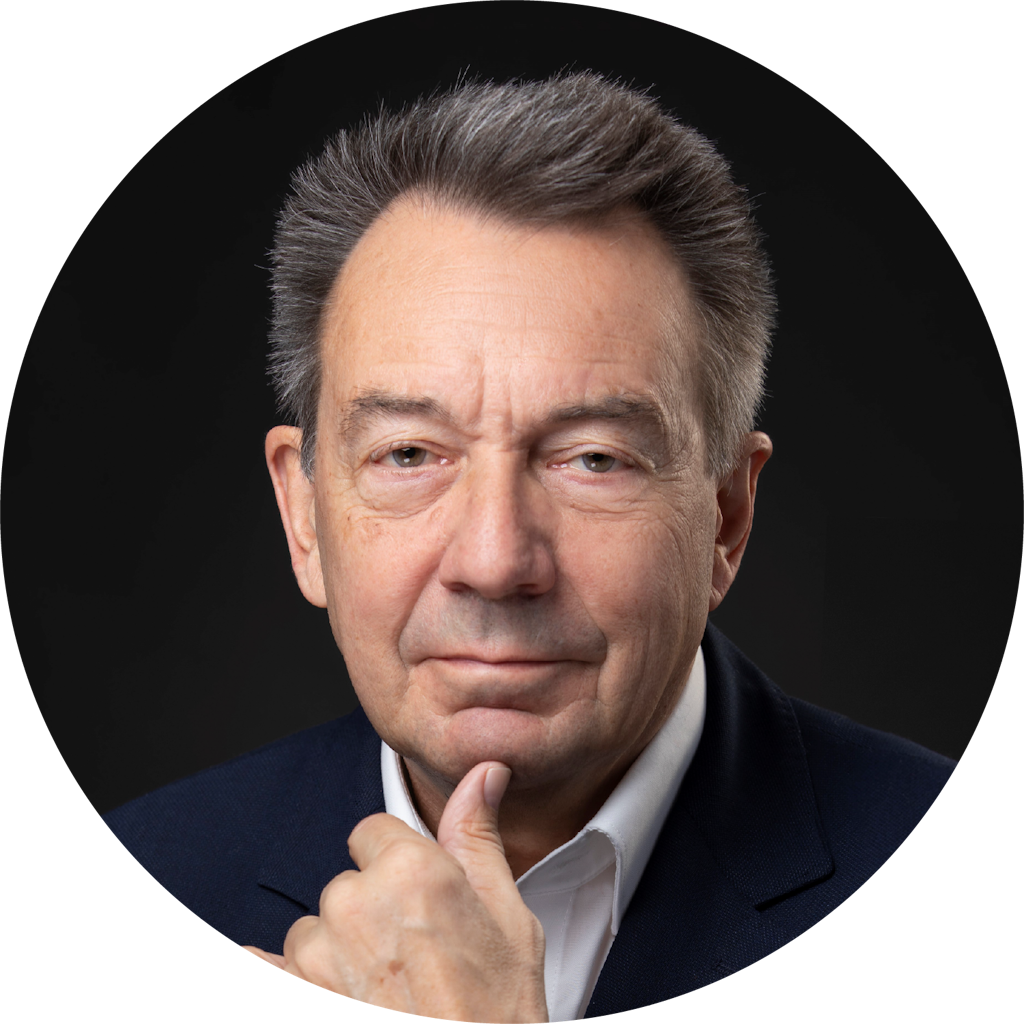
President of the Basel Institute on Governance and Board President of the Centre of Competence on Humanitarian Negotiations (CCHN)
Peter Maurer is President of the Basel Institute on Governance, a member of the Board of Directors of Zurich Insurance, a Senior Fellow at the Graduate Institute of International and Development Studies in Geneva, and a member of the Board of Trustees of the Vontobel Foundation. He also holds a range of advisory functions, including for the International Institute for Strategic Studies and the GSG-Impact (The Global Steering Group for Impact) in London, as well as for the Elea Foundation and the Stars Initiative in Zurich. He is also President of the Center of Competence on Humanitarian Negotiations (CCHN). During his career, Peter Maurer served as President of the International Committee of the Red Cross from 2012–2022, as State Secretary in the Swiss Federal Department of Foreign Affairs from 2010–2012, and as Switzerland’s Permanent Representative to the United Nations in New York from 2004–2010. He began his diplomatic career in 1986, holding posts in South Africa, Bern and the United States. He studied history, constitutional and international law at the University of Bern and holds a doctorate in modern history.

Coordinator of the Yemeni National NGOs Forum
Marwa Mohsen is a Computer Programming graduate and an MBA candidate with solid experience in the humanitarian sector since 2020. She is currently the Coordinator of the Yemeni National NGOs Forum, where she leads coordination efforts and strengthens the engagement of national NGOs. Her previous roles include serving as the Executive Director’s Assistant at NMO, a Yemeni national organization, and working as an HR Assistant at NMO. She is dedicated to advancing localization and improving the impact of humanitarian action in Yemen. Since 2024 she is part of the Centre of Competence on Humanitarian Negotiation (CCHN)’s worldwide community of practice.
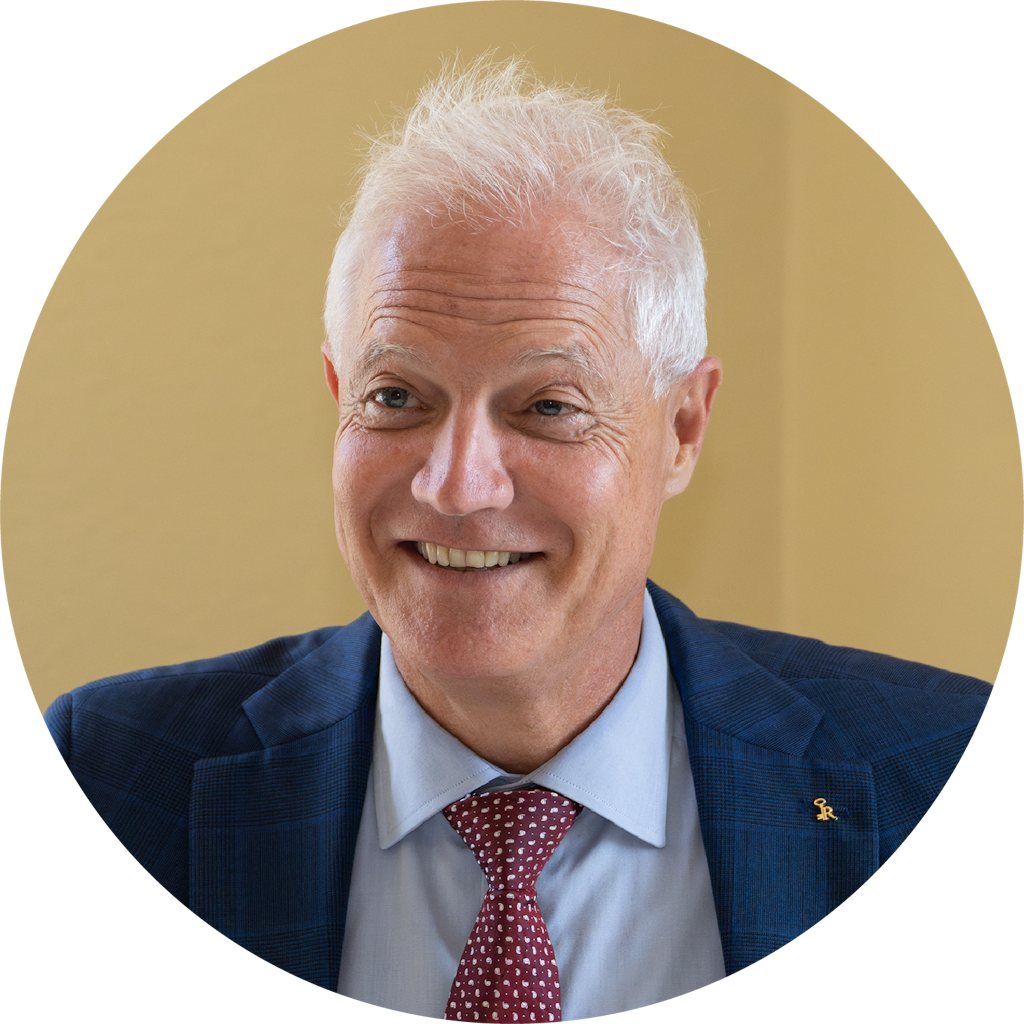
Ambassador, Head of the Peace and Human Rights Division, Swiss Federal Department of Foreign Affairs
Ambassador Tim Enderlin assumed office as head of the Peace and Human Rights Division (PHRD) of the Federal Department of Foreign Affairs (FDFA) on 19 August 2024. He grew up in Scuol GR and completed his law studies in Zurich. Since he joined the diplomatic service in 1997, his positions have included Deputy Head of Human Resources of the FDFA, Diplomatic Advisor to the President of the Swiss Confederation, Regional Director of the Swiss Agency for Development and Cooperation in Laos, and Ambassador of Switzerland to Myanmar.
Tim Enderlin is married and has two children.
Session 04

Chief Executive Officer & Founder, Trust Works
Josie is the Chief Executive Officer and founder of TrustWorks. She specialises in responsible business in conflict-affected and high-risk areas; Josie holds a PhD from the University of Oxford on the role of licit and illicit business actors in the dynamics of conflict and peace.
Josie's professional expertise includes: undertaking conflict-sensitivity and heightened human rights due diligence assessments of MNCs business activities in conflict contexts; providing training, mentoring and accompaniment to operational staff on conflict-sensitivity; mediating/facilitating between companies and key stakeholder groups on contentious issues; and, advising companies on policies, governance processes and practices. The majority of her work with companies has taken place in sub-Saharan Africa and the Middle East.
Josie has also provided tailored support to diverse DFIs, impact and commercial investors. For example, as part of the ongoing partnership with Geneva-based equity investor, De Pury Pictet Turrettini in the context of their Cadmos Peace European Engagement Fund, Josie leads all TrustWorks’ engagements with portfolio companies on issues related to international humanitarian law, heightened human rights due diligence and conflict-sensitivity.
Josie’s academic work has focused on the role of licit and illicit business actors in conflict contexts, with a particular focus on understanding their negative and positive impacts on peace and conflict dynamics, and the implications for peace mediation processes. Formerly, she worked for five years as the Assistant Director of Columbia University’s Center for International Conflict Resolution (CICR), a Staff Associate of Research and an adjunct Professor at the School of International and Public Affairs, also at Columbia University.
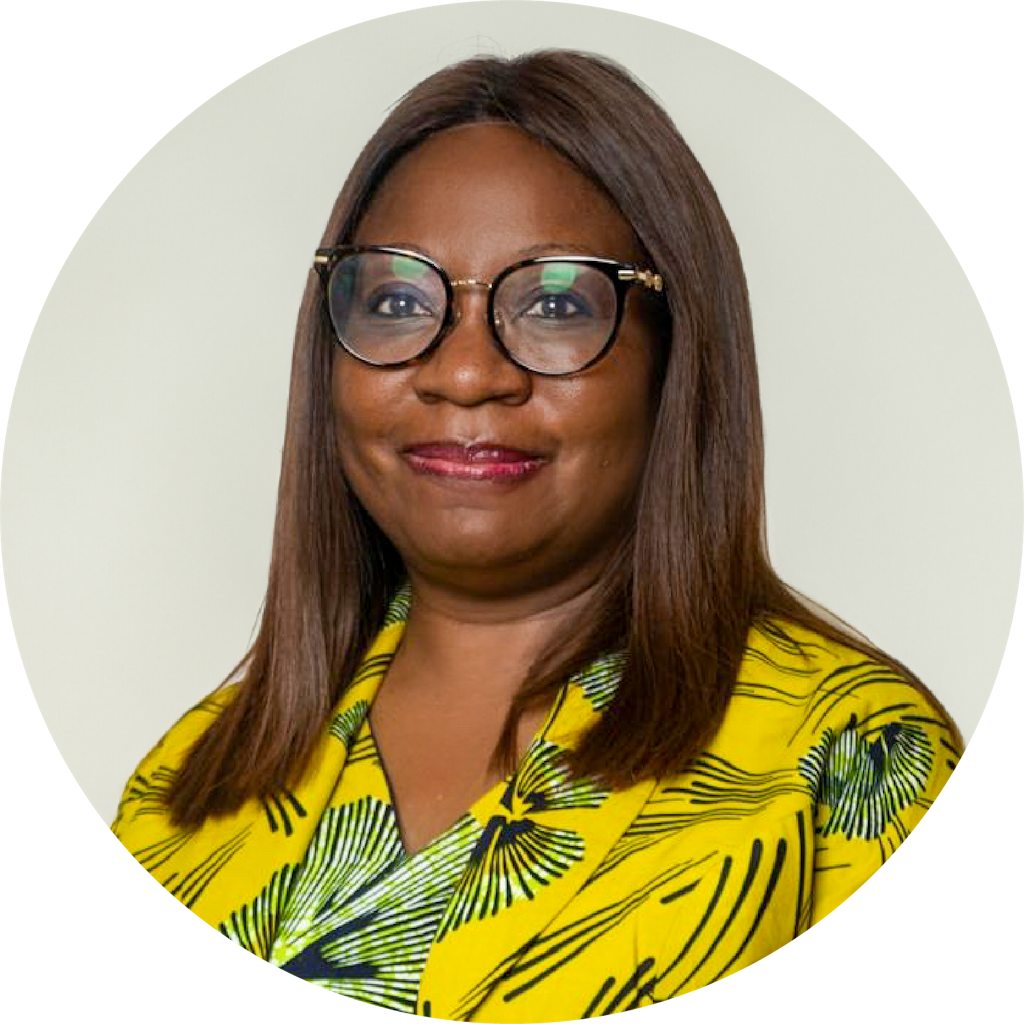
Senior Vice President, African Development Bank
Mrs. Marie-Laure Akin-Olugbade currently serves as the Senior Vice President of the African Development Bank Group. Reporting directly to the Bank Group President, she plays a pivotal role in coordinating the institution’s overall work program in alignment with the Bank’s long-term strategy and its operational priorities. In her role, she oversees the Bank’s operational lending program and manages key administrative functions critical to the Bank’s efficiency and effectiveness.
A highly accomplished and results-driven executive, Mrs. Akin-Olugbade brings over 32 years of experience spanning technical, managerial, and strategic leadership. Her expertise covers a wide array of areas including capital markets, treasury, asset management, product development, debt and policy management, and business delivery at both country and regional levels.
Mrs. Akin-Olugbade holds a Master’s degree in Applied Economics from Université Paris-Dauphine, and a Postgraduate Diploma in Management from Université Panthéon-Sorbonne, France.

Expert for Business and Development, Alliance Sud
A lawyer by training, Laurent Matile worked at the Swiss State Secretariat for Economic Affairs (SECO) on WTO negotiations as well as on the Switzerland–EU negotiations. He then served on the Board of Directors of the Asian Development Bank (ADB) in Manila, before joining the UN/WTO International Trade Center, where he focused on the implications of trade negotiations for companies. He contributed to the work of the former GATT Director-General at the IDEAs Center, advising developing country governments on trade and development issues. Mr. Matile is also a Lecturer in Law at HEG – Geneva. He is currently Senior Advisor for Business and Development at Alliance Sud, a member of the Advisory Board of the SDG Impact Finance Initiative (SIFI), and a member of the Advisory Board of the Swiss National Contact Point on the OECD Guidelines for Responsible Business Conduct.
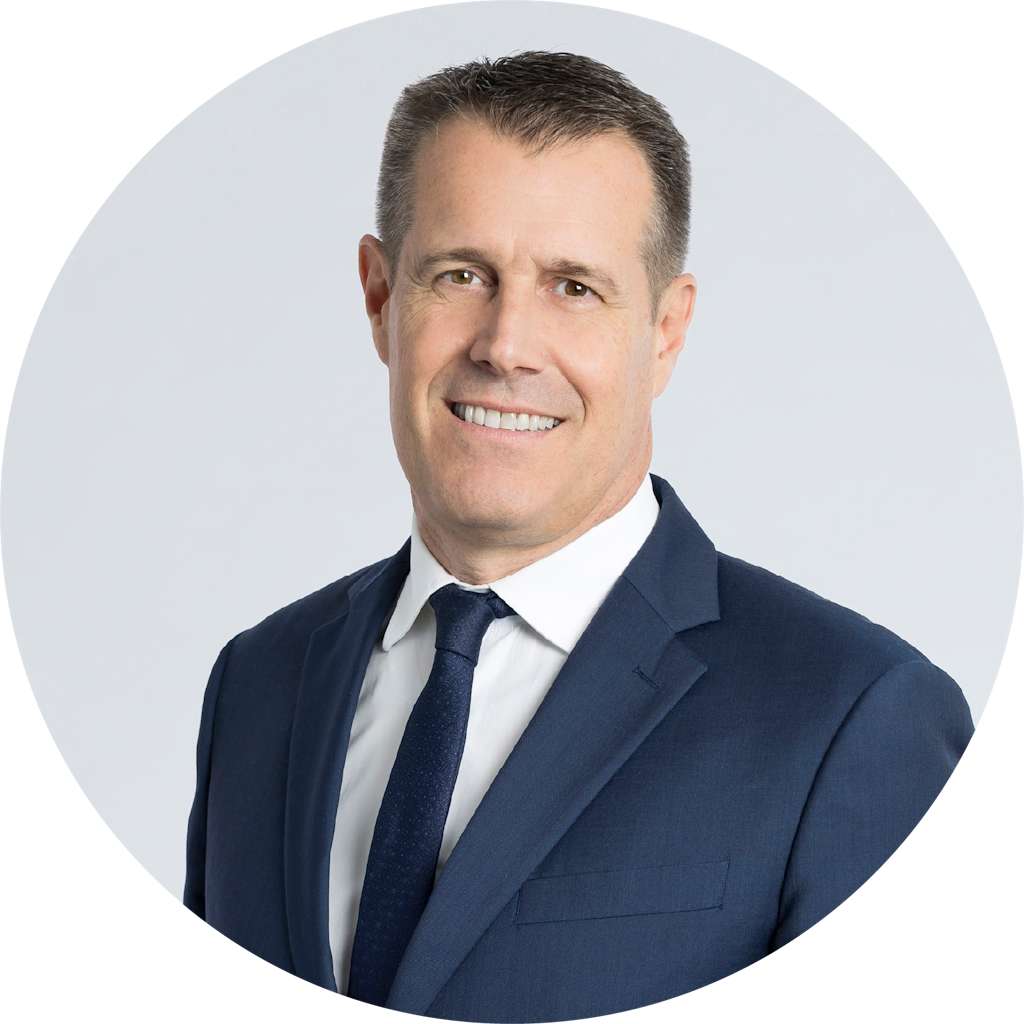
Ambassador, Head of the Economic Cooperation and Development Division at the Swiss State Secretariat for Economic Affairs (SECO)
Ambassador Pietro Lazzeri (*1973) has been Head of the Economic Cooperation and Development since 1 September 2025 and Delegate of the Swiss Government for Trade Agreements. He was the Swiss Ambassador to Brazil from 2021 to 2025 and to Cameroon, the Central African Republic and Equatorial Guinea from 2017 to 2021. From 2013 to 2017, he was deputy head of mission in Italy and, between 2011 and 2013, he held the same position in Venezuela. Between 2007 and 2011, he was deputy head of the Section for Humanitarian Policy and Migration within the Peace and Human Rights Division of the Federal Department of Foreign Affairs (FDFA). He worked from 2004 to 2007 as deputy head of mission in Guatemala, El Salvador and Honduras and from 2002 to 2003 in Vietnam. Between 1997 and 2002, he held various positions within the Swiss Agency for Development and Cooperation (SDC), at the United Nations Mission in East Timor (UNAMET), as well as a delegate of the International Committee of the Red Cross (ICRC). Pietro Lazzeri holds a degree in history and economic history, and a master’s degree in international relations.
Session 05
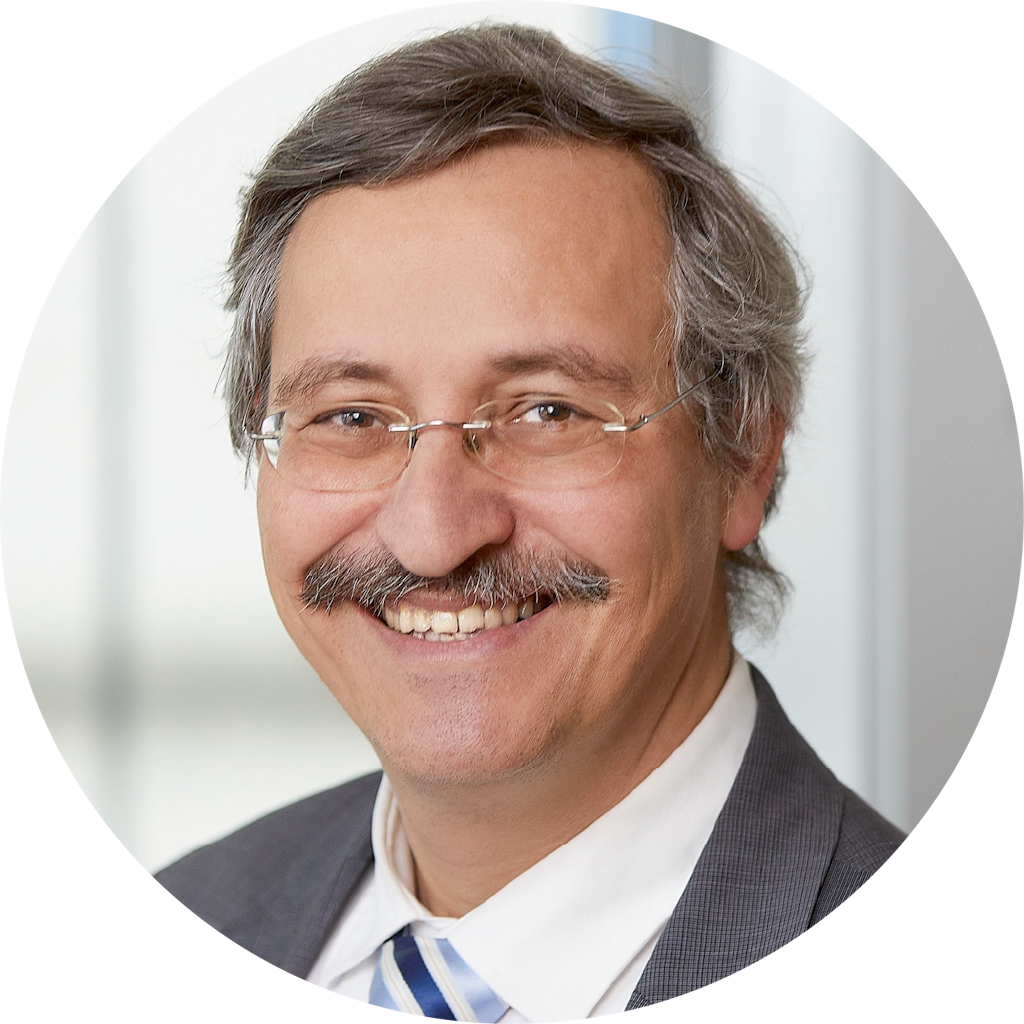
President of the ETH Board
Michael Hengartner is President of the ETH Board and Chairman of the Executive Committee of the ETH Domain. The Swiss-Canadian citizen, born in St. Gallen, Switzerland, grew up in Québec City, Canada, and studied biochemistry at the Université Laval. After his PhD studies at MIT with Nobel laureate H. R. Horvitz, he led a research group at the Cold Spring Harbor Laboratory in the USA for seven years. In 2001, he became the first occupant of the newly founded Ernst Hadorn Endowed Chair for molecular biology at the University of Zurich. From 2009 to 2014, he was dean of the Faculty of Science, and from 2014 to 2020 president of the University of Zurich. From 2016 to 2020, he served as president of swissuniversities, the Swiss Rectors' Conference.
Michael holds an Executive MBA from IMD, Lausanne and is the recipient of several awards for his research on the molecular basis of apoptosis, among them the Swiss National Latsis Prize, Josef Steiner Cancer Research Award, and an honorary doctorate from Sorbonne Université. In 2010, Michael received the Credit Suisse Award for Best Teaching at the University of Zurich.
He founded and/or was a member of the board of directors of a number of start-up companies, including the biotech company Devgen NV, in Belgium (co-founded in 1997) and the scientific consultancy company EvalueSCIENCE SA, in Switzerland (co-founded in 2008) and is an independent board member of the Kudelski Group (since 2020). In 2022 he became a board member of GESDA.
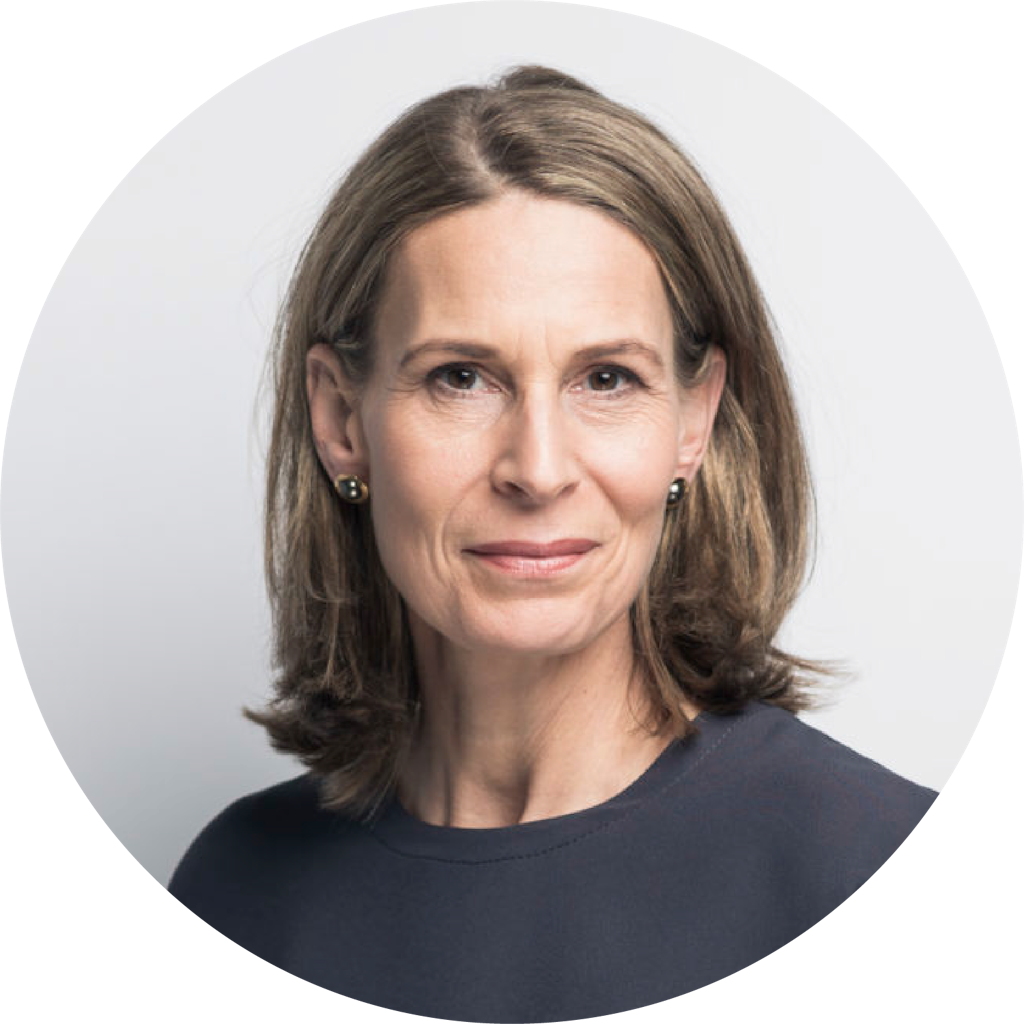
Dr., political philosopher and advisor, chair of the Geneva Graduate Institute, member of the ICRC
Dr Katja Gentinetta is a Swiss political and economic philosopher. Since 2011, she has worked as an independent author, op-ed-writer, university lecturer, and strategic leader.
She studied in Zurich and Paris and received her PhD for her work on the limits of tolerance in plural societies. She deepened her management knowledge and leadership skills in executive education in Salzburg, Harvard and at INSEAD. As head of the Schlossplatz Forum in Aarau, project manager of Expo.02 for the Canton of Aargau, head of the Strategy and External Relations Department of the Canton of Aargau and Deputy Director of the Think Tank Avenir Suisse, she can look back on a long career as a leader in culture, politics and business. Katja Gentinetta has published a series of non-fiction books on social and economic policy issues. She has also been a TV moderator for many years, as host of “Sternstunde Philosophie” and co-host of NZZ Standpunkte at Swiss TV.
Katja Gentinetta has an extraordinary broad background of experience and in-depth knowledge of business, politics and society. She is familiar with the demands of the corporate world, knows the logic of politics and is aware of the sensitivities in society. Philosophy is her tool with which she assesses the world.
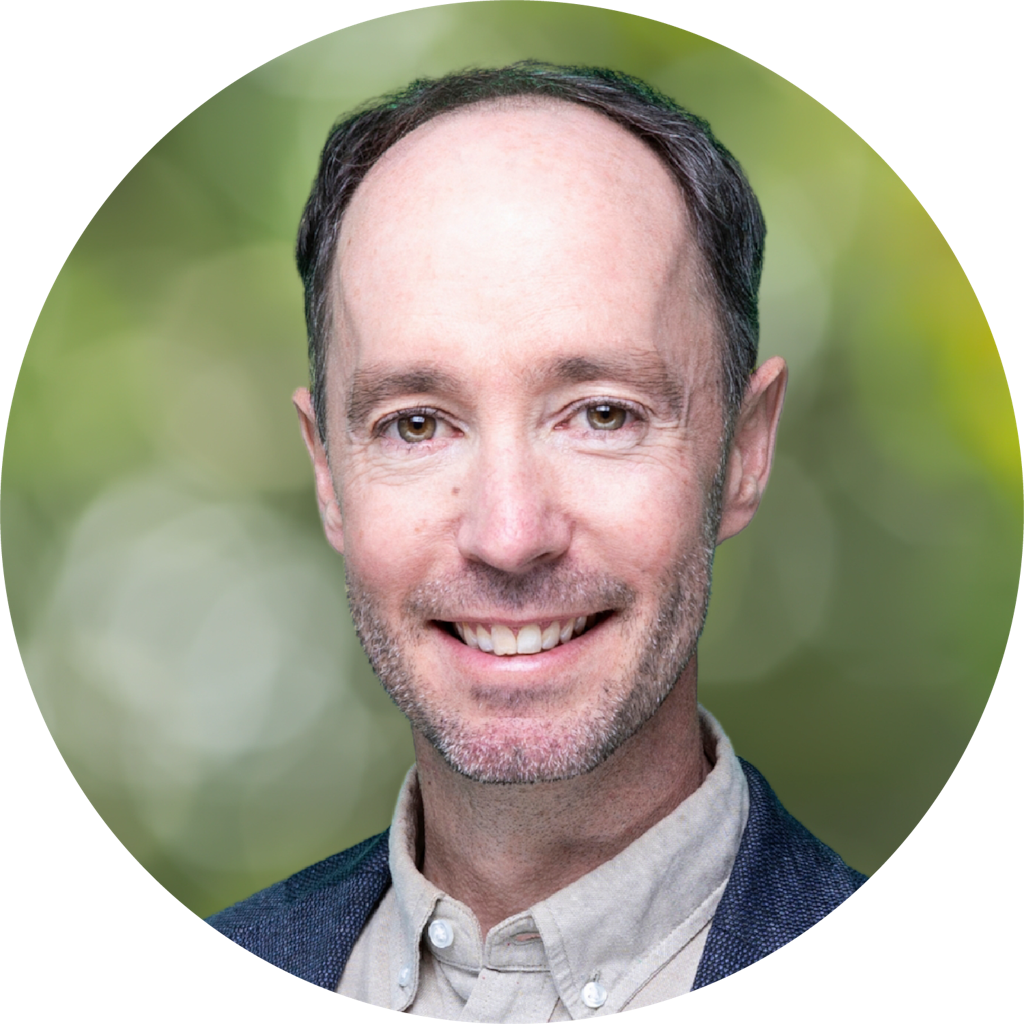
Professor of urban public health at the Swiss Tropical and Public Health Institute
Mirko Winkler is professor of urban public health at the Swiss Tropical and Public Health Institute. By pursuing trans- and interdisciplinary research approaches, he aims to contribute to priority-setting from a public health perspective in spatial development, health systems planning, and protracted conflict settings. Impact assessments and impact evaluations are an integral part of his research in the field of applied sciences.

Prof., Secretary Sampark, Visiting Faculty, Indian Institute of Management, Ahmedabad
Smita Premchander is a development practitioner, consultant, and teacher, and has done extensive work on poverty reduction, entrepreneurship, microfinance, gender equality, women’s economic and social empowerment, gender-based violence, informal and migrant labour, elimination of child labour and bonded labour, crafts development, social inclusion, social protection and sustainable development.
She is a founder member of Sampark, of a 34-year-old highly accredited NGO with operations in India and Nepal, reaching cumulatively over 100,000 women, children, and migrant workers. Sampark engages in grassroots work, forms and strengthens people’s organizations, and advocates for rights of the most marginalized social groups. She serves on the boad of several Indian NGOs engaged in sustainable development and education.
Smita holds several advisory and board positions internationally, including those on the boards of institutions of the United Nations University (Tokyo and Bonn), and the University of Berne. She serves on the review panels of programmes of Swiss Agency for Development Cooperation (SDC/DEZA), and the Swiss National Science Foundation (SNSF). She has evaluated and designed international programnes for agencies including SDC, UNDP, ILO and others, covering over 18 countries.
She is a Visiting Faculty at Indian Institute of Management in Ahmedabad (IIMA), where she teaches courses on Microfinance Management and Gender and Development Policies and Programmes.
Smita trained as an economist at the Lady Sri Ram College and Miranda House, University of Delhi, completed her Master’s in Business Administration from IIMA, and PhD from Durham University, UK with support from Centre for Development and Environment, University of Berne, Switzerland. She is a Certified Associate of the Indian Institute of Bankers.
Smita has devoted her career to bridging the gap between grassroots and policy, with the objective of enabling positive policy response to practical realities of those excluded from the mainstream, due to their gender, caste, poverty or disability.
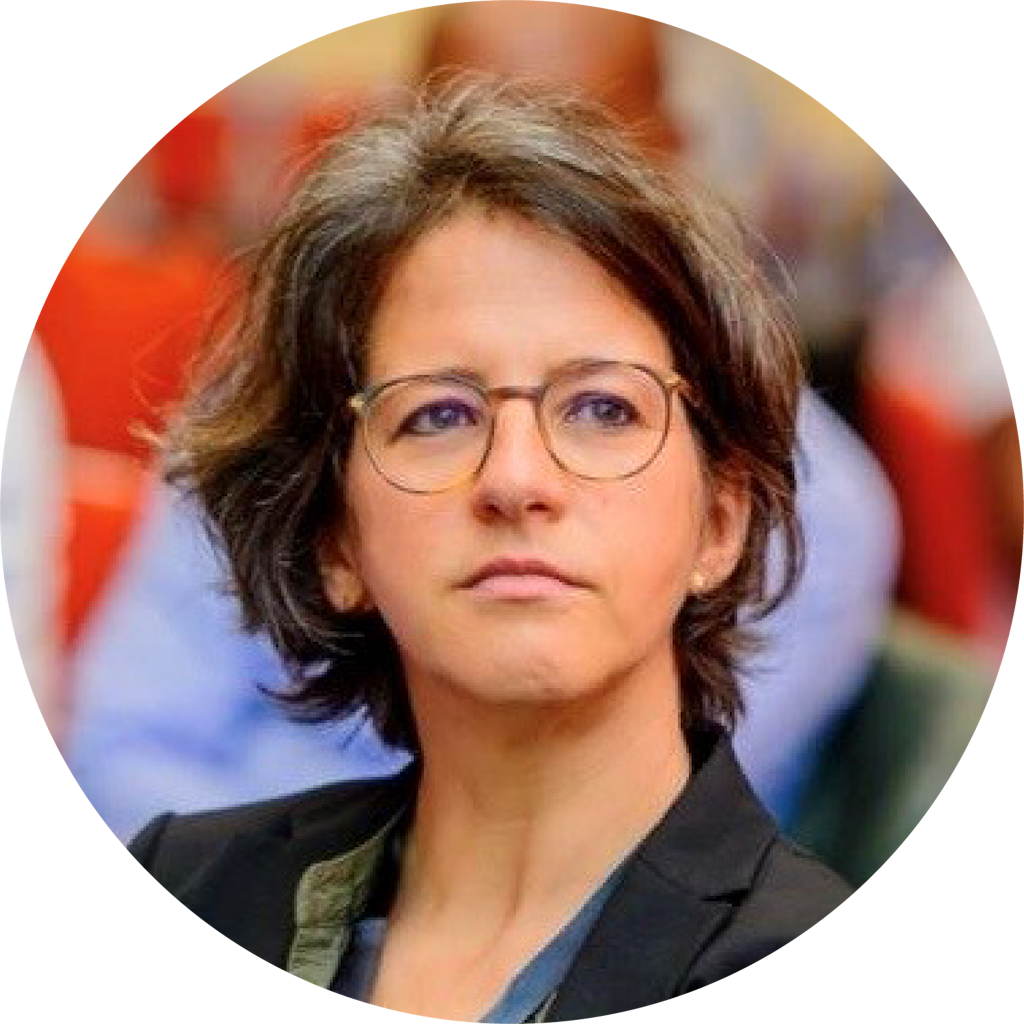
Focal Point for transformative research at the Swiss FDFA, SDC
Ms. Martina Schmidt currently serves as the focal point for transformative research in international cooperation at the Swiss Agency for Development and Cooperation (SDC). Throughout her career, she has demonstrated a strong commitment to human rights standards, particularly in the fields of international cooperation, conflict transformation, and peacebuilding. Her work is consistently guided by the pursuit of lasting societal impact grounded in sound scientific evidence.
Ms. Schmidt has extensive experience collaborating with civil society organizations as well as within the Swiss Federal Administration, both domestically and abroad. With deep familiarity with the multilateral UN system in Geneva and New York, she has continually advanced a human‑centered approach within Switzerland’s cooperation efforts. Before joining the FDFA, she worked with a variety of civil society organizations. Ms. Schmidt holds a MAS in Social Anthropology, Media, and International Law from the University of Basel.
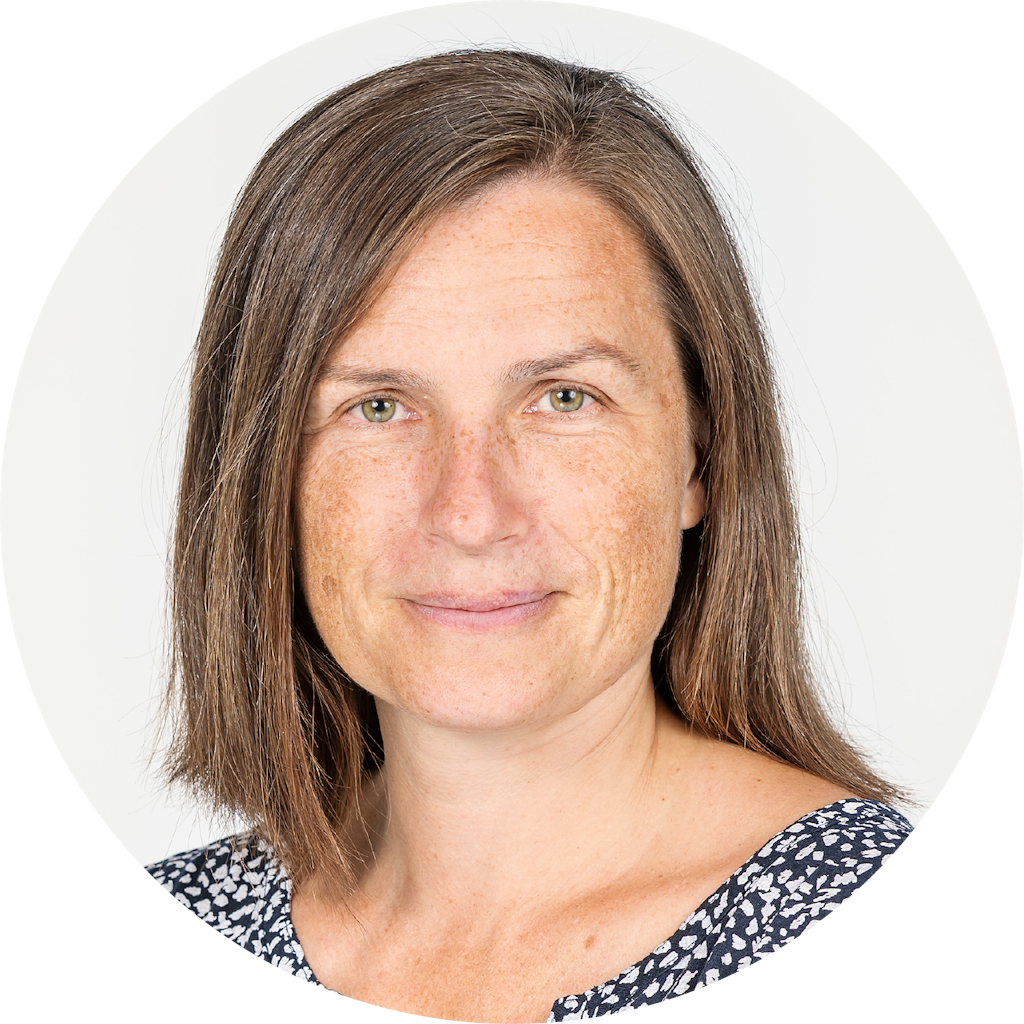
Dr., Senior Lecturer at the School of Life Sciences, University of Applied Sciences Northwestern Switzerland (FHNW)
Dr. Maryna Peter is an applied research scientist and environmental engineer specializing in drinking water, sanitation, and hygiene (WASH) in development and humanitarian contexts. She holds a PhD in Environmental Engineering from ETH Zurich (2010) and a Master’s degree in Chemical Engineering from the National Technical University of Ukraine.
She is currently Group Leader WASH and a Senior Lecturer at the School of Life Sciences, University of Applied Sciences Northwestern Switzerland (FHNW), where she has worked since 2014. Dr. Peter and her team lead a broad portfolio of international projects across East and West Africa, Central Asia, and Palestine. Their work focuses on needs-driven applied research with national authorities and international and local NGOs; piloting and evaluating innovations and technologies; supporting practice-oriented education with universities and Policy Dialogue. They also advance system-level improvements to expand equitable access to WASH services in schools, health care facilities, and communities. Her team combines applied research, implementation, and capacity strengthening, with a strong emphasis on building resilient WASH systems, enhancing education and professional training, and fostering networks among regional universities, international organizations, and national stakeholders. She also supports the Expert Group WASH at Swiss Humanitarian Aid and SHA work in Ukraine as a backstopper.
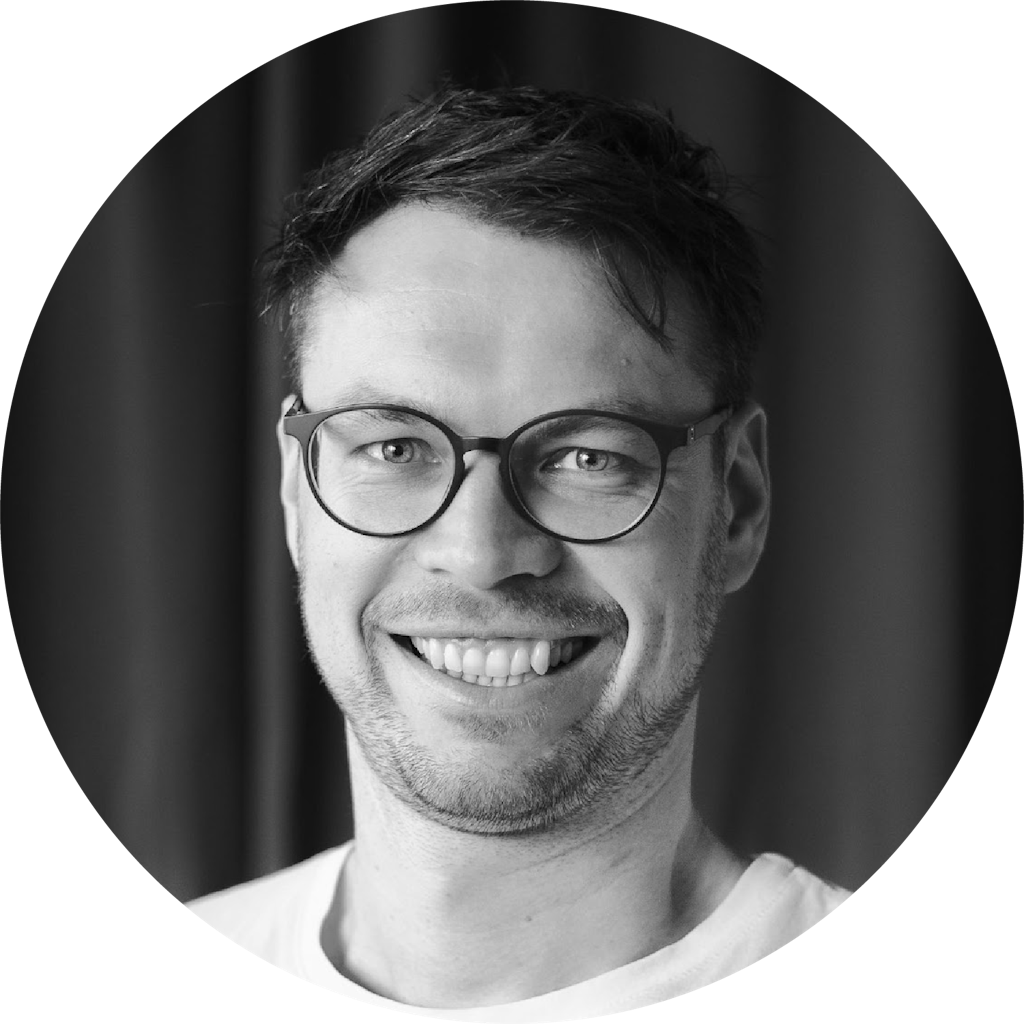
Medair, Global Emergency Response Team Shelter/NFI & CVA Officer
Markus Zorn is a passionate architect and philanthropist, enthusiastic about research & innovation, collaborative design, connecting with people and photojournalism. He considers himself a continuous learner, with skills in a wide range of domains, including sustainable development, storytelling, disaster risk reduction, participatory design, serious games, humanitarian project management, and intercultural leadership.
ONGOING: MA in Intercultural Leadership, Columbia International University, USA/Germany
2021: MSc in Architecture, Vienna Technical University, Austria
2020: Architecture and Planning Beyond Sustainability (Erasmus Scholarship), Chalmers University of Technology, Sweden
2017: Architecture & Urban Planning (Erasmus Scholarship), Catalonia Technical University, Spain
2012: Technical College for Wood Technology and Design; HTBLA Hallstatt, Austria
Session 06
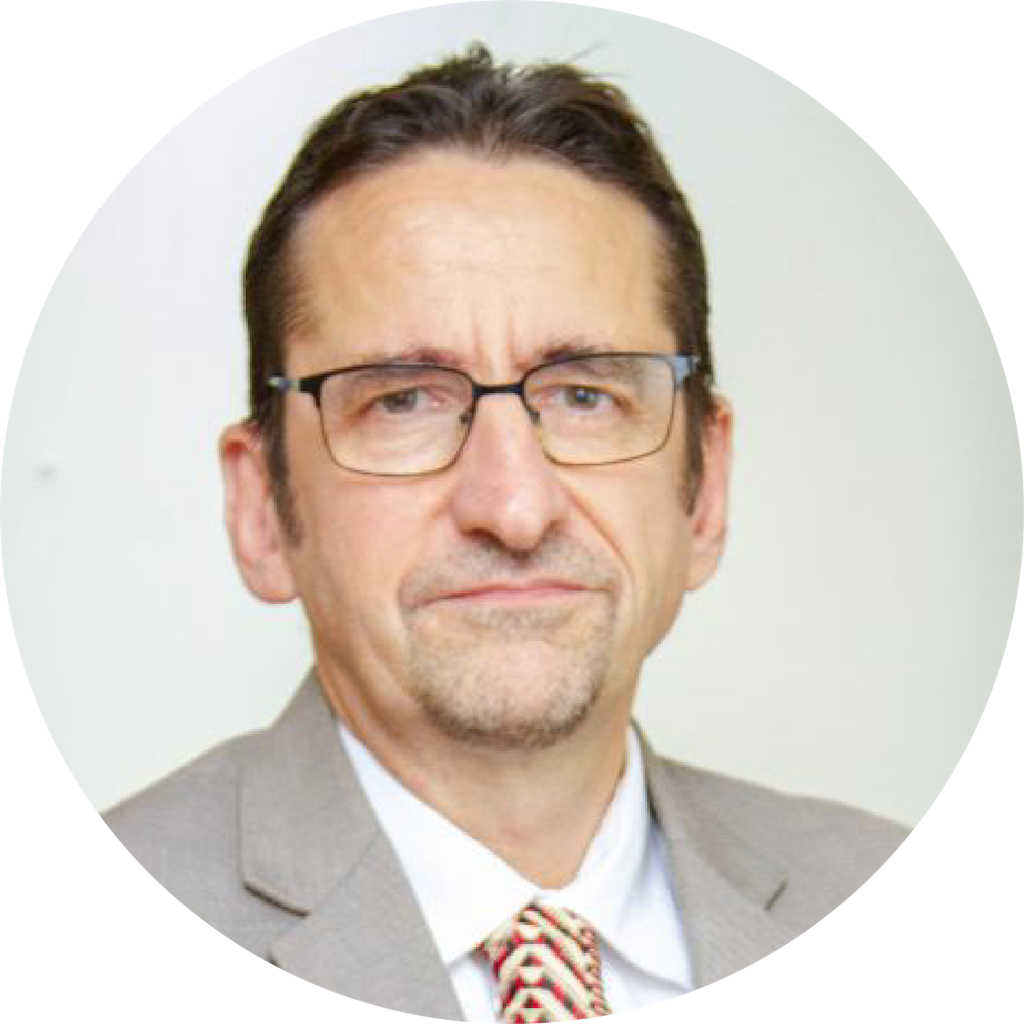
Deputy Special Representative of the Secretary-General for MONUSCO, Resident Coordinator and Humanitarian Coordinator (DSRSG/RC/HC) in the Democratic Republic of the Congo
Mr. Bruno Lemarquis (France) has over 35 years of experience in development cooperation, humanitarian action, stabilization and peacebuilding in LDCs, post-conflict and crisis countries. He is currently serving as Deputy Special Representative of the Secretary-General for the United Nations Organization Stabilization Mission in the Democratic Republic of the Congo, Resident and Humanitarian Coordinator in the Democratic Republic of Congo since March 2022.
Prior to this position he served as Deputy Special Representative of the Secretary-General for the United Nations Integrated Office in Haiti, Resident and Humanitarian Coordinator in Haiti from 2020 to 2022.
Mr. Lemarquis joined the United Nations in 1992 and has both field and Headquarters experience. At HQ he worked in various positions with the United Nations Development Programme (UNDP), as Deputy Assistant Administrator and Deputy Director of UNDP’s Crisis Bureau (2018-2020) and UNDP’s Crisis Response Unit (2014-2018) and under various senior capacities for UNDP’s Bureau for Crisis Prevention and Recovery (2009-2014). He also worked for UNDP’s Regional Bureau for the Arab States (2002-2006), as senior advisor for countries in crisis and transition.
In the field, he served as Country Director for UNDP in Somalia (2006-2009), Assistant Resident Representative in Haiti (1998-2002), with a focus on transition, rule of law and security, Head of Unit in UNDP Programme of Assistance to the Palestinian People (1996-1998), with a focus on economic development and local governance, and Programme Office in Cambodia (1993-1996), with a focus on refugees reintegration and local economic development.
In his earlier career, he worked for a non-government organization in Haiti (1986-1988) and Ethiopia (1988-1990).
He holds an engineering degree in tropical agronomy from the Centre National d'Etudes des Régions Chaudes in Montpellier, France. He is fluent in English and French and proficient in Haitian Creole. He is married and has two daughters and two sons.
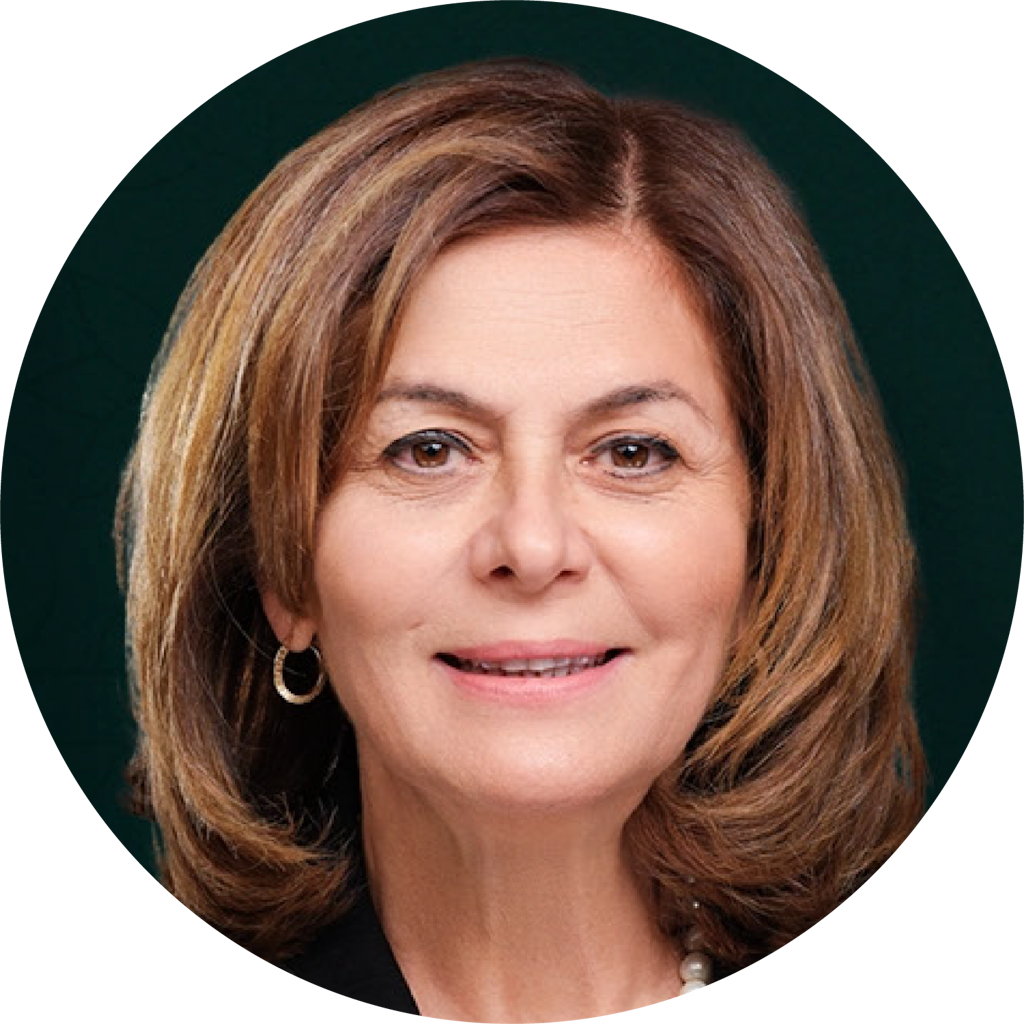
Minister of social affairs and labor, Syria
H.E. Hind Aboud Kabawat is the Minister of Social Affairs and Labor in the Syrian Arab Republic, recognized for her commitment to social justice, peacebuilding, and institutional reform.
She holds a Bachelor's degree in Economics from the University of Damascus, a Certificate in Conflict Resolution and Arbitration from the University of Toronto, and a Master's degree in Law and Diplomacy from the Fletcher School at Tufts University in the United States. She has also served as a Visiting Fellow at the Negotiation Program of Harvard Law School.
As Minister, she has led reforms to strengthen social protection systems, rehabilitate care institutions, and launched Syria's first national strategy for social protection linked to the Sustainable Development Goals. She has prioritized orphans, the elderly, and persons with disabilities, and addressed challenges such as begging and the plight of children of detainees. She has also aligned Syrian labor laws with international standards, introduced the National Labor Market Information Platform, and advanced programs supporting rural women and small-scale entrepreneurs. In September 2025, she also participated as a speaker in the Geneva peace talks, highlighting the importance of women, dialogue, and justice. Her leadership has been highlighted in The New York Times and LeMonde, which described her as one of the most prominent female leaders in the Syrian government.
Moreover, Hind Kabawat was the Deputy Head of the Syrian Negotiation Commission in Geneva from 2015 to 2017, playing a key role in international peace efforts. She previously directed the Peacebuilding and Interfaith Dialogue Program and taught at George Mason University in the United States. She is also the founder and president of Tastakel, a Syrian organization for peacebuilding and education that has trained thousands of students across the country.
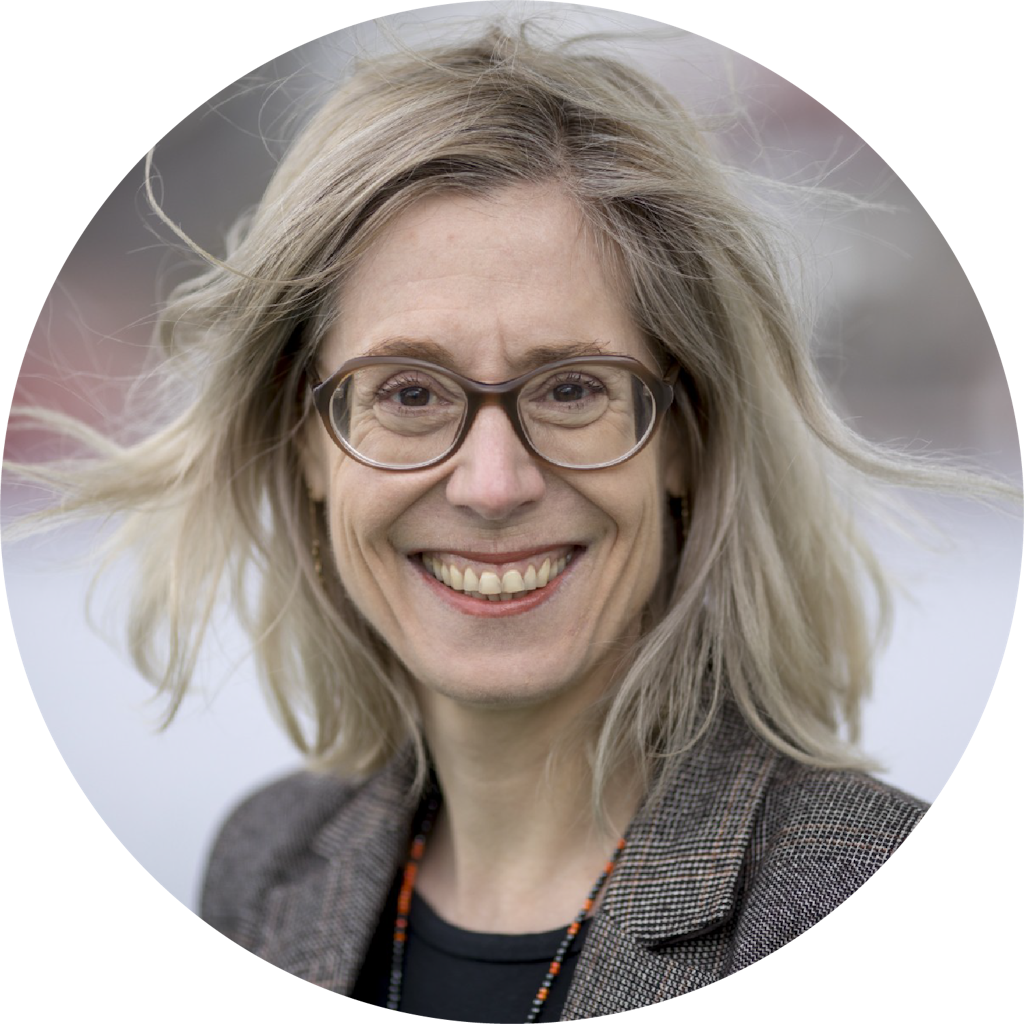
Ambassador, Director DCAF (Geneva Centre for Security Sector Governance)
Nathalie Chuard did her studies in Arts and Political Sciences in Switzerland and Russia. In 2000, she started her career at the Swiss NGO Terre des hommes and took on a variety of postings abroad, including in Afghanistan, Indonesia, Iran, Russia, Madagascar, and the Middle East.
She joined the Swiss Federal Department of Foreign Affairs in 2005 and, as a Swiss Diplomat, served among other positions as Deputy Head of the Human Rights Section in Berne and Political Coordinator at the Mission of Switzerland to the United Nations in New York.
From 2018, she headed the Middle East and Northern Africa Division (Humanitarian Aid) of the Swiss Agency for Development and Cooperation. From 2020 to 2023, she was the Ambassador of Switzerland to Bangladesh.
She speaks French, German, English, and Russian. Joining DCAF in March 2023, Ambassador Nathalie Chuard is the first woman appointed as Director of the organization.
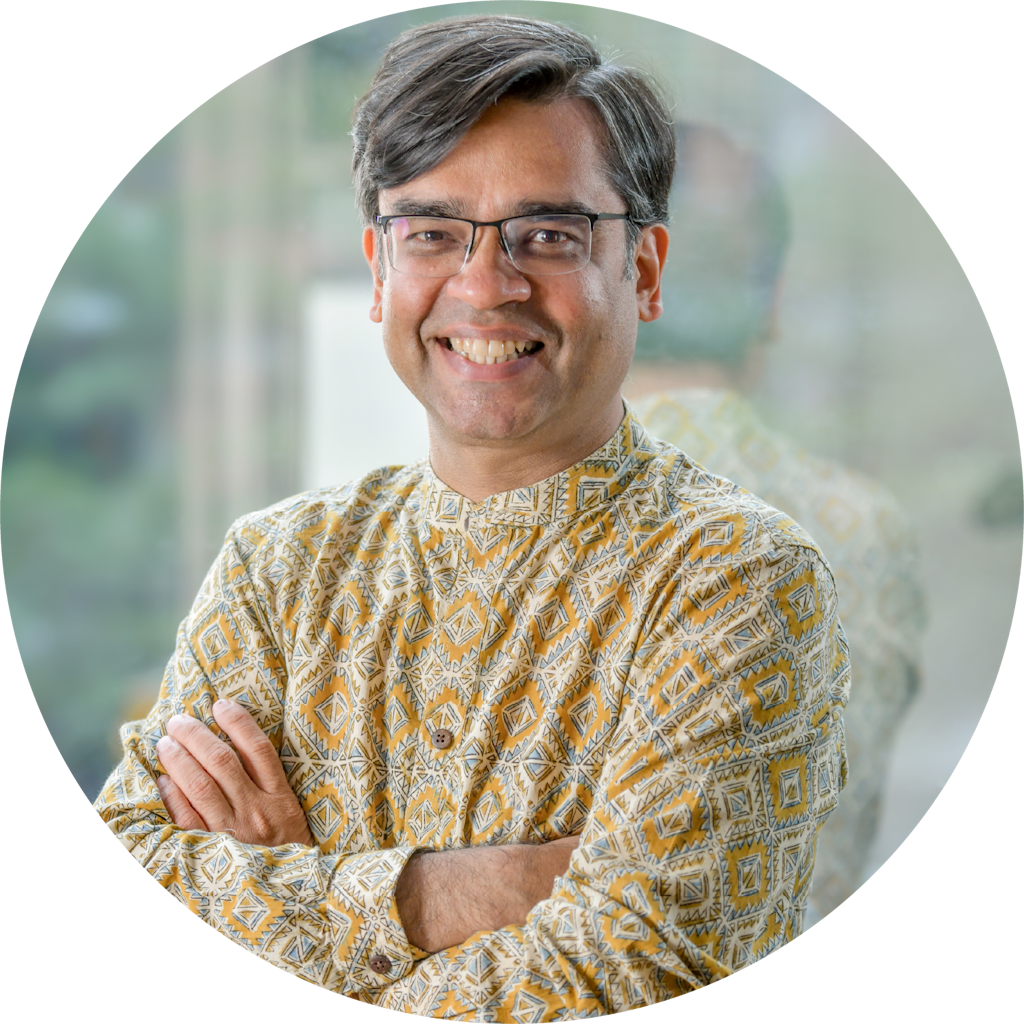
Executive Director of Oxfam International
Amitabh Behar, Executive Director of Oxfam International, is a global civil society leader, with decades of experience in human rights, economic inequalities, governance accountability, philanthropy, democracy, social justice and building citizen participation. Prior to this role, he was the Chief Executive Officer of Oxfam India.
Mr. Behar was the Vice Chair of the Board of CIVICUS, a global alliance of civil society organisations and activists dedicated to strengthening citizen action and civil society across the globe. He has also served as the Chair of Navsarjan (Ahmedabad) and the President of Yuva in Mumbai, and board member of the Global Fund for Community Foundation. He currently serves on the boards of several other organizations, including the International Civil Society Centre and the Norwegian Human Rights Fund, and also holds the position of Chair at the International Civil Society Centre.
Prior to Oxfam, Mr. Behar was the Executive Director of National Foundation for India and served as the Convener of National Social Watch Coalition and the Co-Chair of Global Call to Action Against Poverty, a network of over 11,000 civil society organisations.
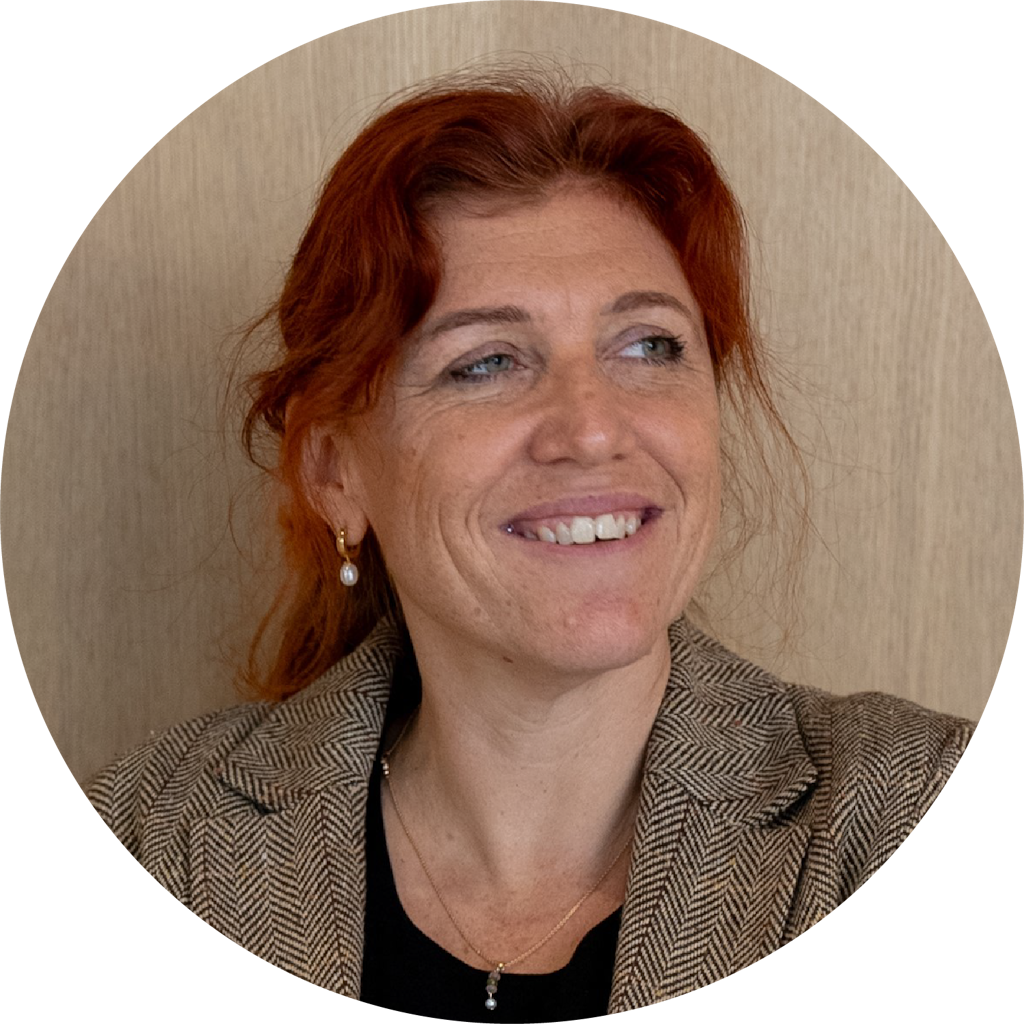
Senior Policy Advisor Fragility, Conflict and Human Rights (FCHR) and Moderation Session 06
Sidonia Gabriel is a critical observer of the geopolitical evolution and an innovative nexus thinker. For over 20 years, her focus lies in conflict analysis, supporting peace processes, dialogue facilitation, mediation as well as conflict sensitive programme management. She is working across different approaches and sectors towards peace and conflict prevention.
She has developed strategic networks for political thinking and for bringing local experiences to the policy level and back as a Director of the Swiss Peacebuilding Platform KOFF (2013-2017) at swisspeace and as a former Board member of the European Peacebuilding Liaison Office (EPLO).
She has worked as a Human Security Advisor for the Peace and Human Rights division at the Swiss FDFA in Sri Lanka and Mozambique; prior to that she had advisory functions for the European Union, the United Nations as well as for local and international civil society organisations in Liberia, Mali, Guinea, Sierra Leone, Lebanon, Iraq and Afghanistan, but also in New York and Brussels.
Her training modules, both online and live, have gained international recognition.
She is currently a Senior Advisor for Fragility, Conflict and Human Rights at the Peace, Governance and Equality section of the Swiss Development Cooperation and member of the network Swiss Women in Peace Processes (SWIPP).
The images on this page have been made available to the FDFA by the speakers.
Contact
Eichenweg 5
3003 Bern