
Switzerland remains committed to support Ukraine in winter
Targeted attacks on energy infrastructure and basic supply systems have aggravated the situation for civilians in Ukraine. Since September, the SDC has prepared an action plan to help the population to cope this winter. This plan, in the amount of CHF 100 million, includes the reprogramming of SDC-supported activities, the delivery of winter equipment and the rehabilitation of housing and energy infrastructure.
Around 18 million people in Ukraine – some 40% of the population – are dependent on aid due to the war. The winter is aggravating the situation, with over 30% of Ukraine's energy infrastructure damaged. The targeted attacks have left many places without access to drinking water and have also disrupted the power supply and telecommunications.
By September, the SDC had started preparing its winter aid action plan. This includes the reprogramming of SDC-supported activities to meet new needs, the delivery of winter equipment (generators, heating systems, etc.), and the rapid rehabilitation of housing and energy infrastructure.
Below are some examples of SDC-supported projects that have been adapted to meet winter needs.
Having suffered its eighth missile attack in eight weeks, an estimated 50% of Ukraine's energy infrastructure is reported to have suffered damage. With the cold snap and severe weather conditions well underway, millions of civilians are suffering from prolonged lack of heat, electricity and water.
Emergency cash assistance and winter support
Countless people in Ukraine are traumatised by the horrors of war and an estimated 6.5 million remain displaced across the country. «Having suffered its eighth missile attack in eight weeks, an estimated 50% of Ukraine's energy infrastructure is reported to have suffered damage. With the cold snap and severe weather conditions well underway, millions of civilians are suffering from prolonged lack of heat, electricity and water,» says Lukáš Voborský, Director of Ukraine Crisis Response.
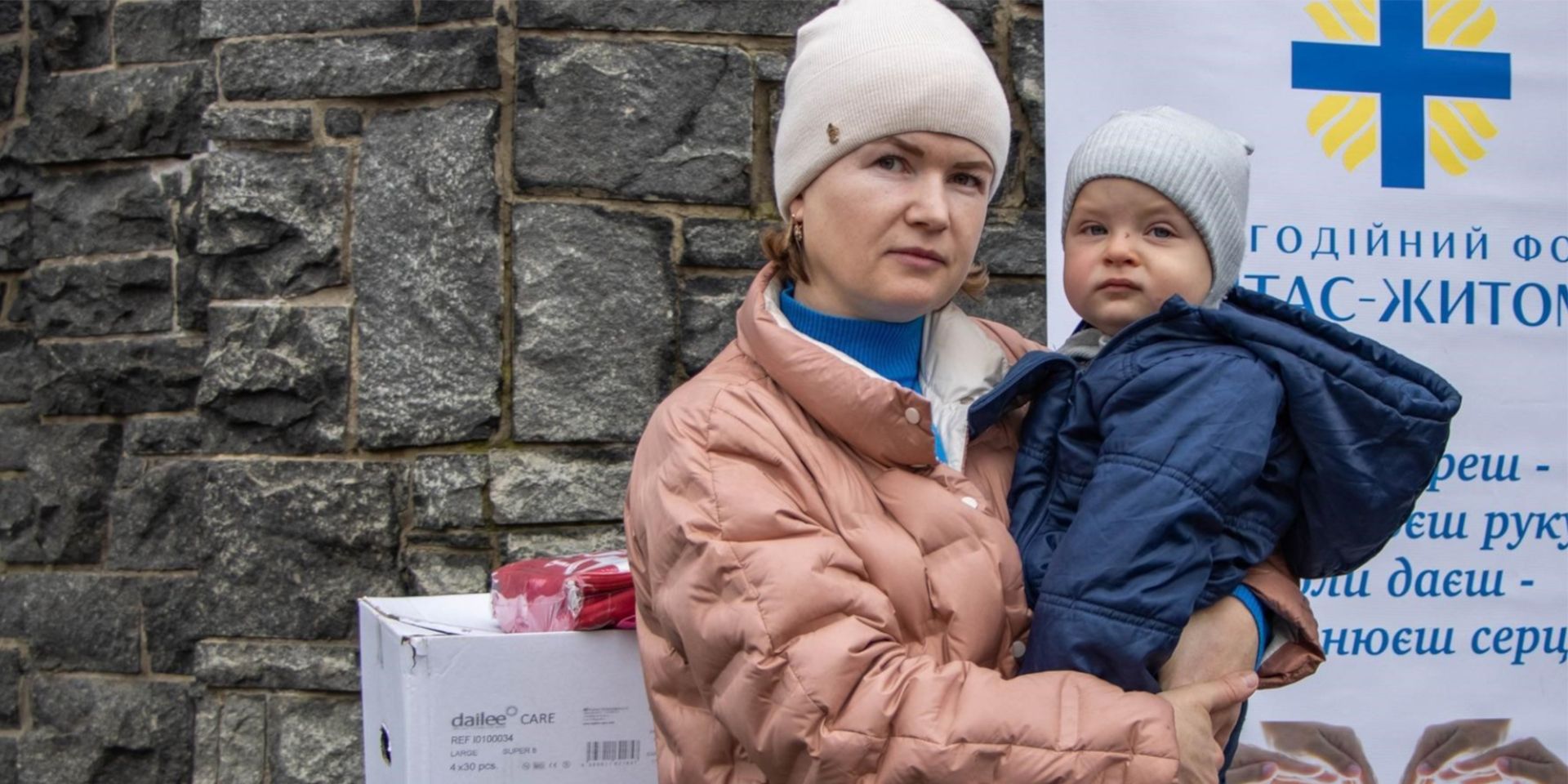
For this reason, Caritas Ukraine, with support from Caritas Switzerland, is implementing a targeted winterisation project to support the population through the winter period. The programme is funded by the SDC and is primarily focused on cash assistance. This enables affected people to receive the financial means to cover their needs. For example, they can pay for the high cost of fuel and utilities. Caritas also supports the rehabilitation of collective centres where displaced people are living on a temporary basis. It also provides psychological support for people living in frontline areas of Ukraine.
Repairing homes and energy infrastructure
Since September 2022, the SDC has been working with partner organisations to make destroyed houses and flats habitable again. This includes replacing windows, doors and utility pipes. The insulation of buildings is also being improved. In addition, the SDC supports the renovation and maintenance of centres for people who have been forced to leave their homes. The aim is to make them resilient to winter conditions. Specialists from the Swiss Humanitarian Aid Unit (SHA) deployed by the SDC are on-site to coordinate this work. They can count on the spirit of solidarity and initiative of the Ukrainian population in carrying out all these activities.
Switzerland supports projects to rapidly rehabilitate Ukraine's energy infrastructure. It is also helping Ukrainian energy companies to purchase energy and spare parts. It also contributes to the repair of rail fastening systems (for the transport of heavy goods such as grain).
Mobile psychosocial teams in Lviv, Vinnytsia, Kirovohrad and Dnipropetrovsk oblasts
Because of Russia's military aggression against Ukraine, almost 5,000 children in the Vinnytsia oblast alone have become internally displaced. Today, these children must overcome personal trauma: nightmares, difficulties expressing their thoughts, fear of loud noises, and tremors. All these issues are a small part of what psychologists must work through during a meeting with children affected by the ongoing war.
People in Need (PIN) is a Central European NGO that provides humanitarian aid, targets education and helps people living in social exclusion. In Ukraine PIN set up four mobile teams that provide psychosocial support, mainly to internally displaced persons (IDPs).
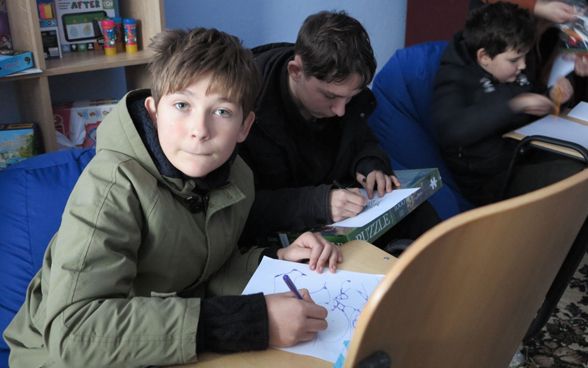
Since September 2022, the teams have worked in seven settlements in Lviv, Vinnytsia, Kirovohrad and Dnipropetrovsk oblasts and reached 580 individuals (178 males and 402 females by November).
PIN psychologists say that many children affected by the war are no longer motivated to strive for their goals. «What can I do with my life if I can't even ensure my own safety?» says one boy. After several group meetings with a psychologist, the children feel better. They have new desires and goals. Some of them now want to enter professions related to rescuing people in crises.
Protection mobile teams and winter support to populations in Sumy and Chernihiv oblasts
The NGO Right to Protection (R2P) provides assistance to residents in Sumy and Chernihiv oblasts to get through the winter. Both regions suffered from the fighting and were partly occupied. Many villages and small towns have experienced serious destruction – including heating systems, public transportation. People are living without access to basic services.
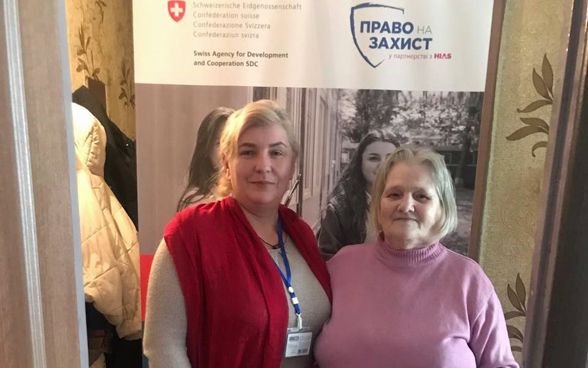
In partnership with the SDC, Right to Protection's team supplies vulnerable citizens with electrical heaters and fuel briquettes to cope with winter conditions. Heating supplies will be distributed to 4,000 households. Tetyana and her 12-year-old granddaughter are among them. They live in Mnyov village, Chernihiv oblast, and have received an electrical heater for this difficult winter. R2P also provides psychological support for Tetyana, whose father is in captivity and whose mother is working at the nuclear power plant far from home. Rogova Nina is another example. The 71-year-old woman from Halyavyn village in Chernihiv oblast stayed in her village during the occupation. She experienced a terrible shock when a mine exploded near her house, breaking all the windows. Nina only survived because she hid in a cellar. She received a heater to warm her home to cope with winter.
R2P has mobile teams that meet people in need in rural areas of Sumy and Chernihiv regions to provide help. These teams include lawyers, social workers, psychologists, and health advisers who travel throughout the region on a daily basis.
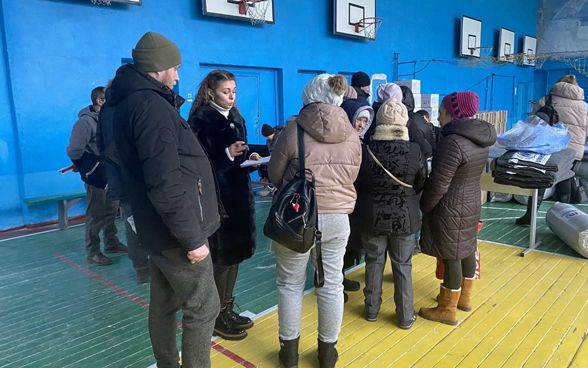
Mobile protection teams to support populations in hard-to-reach frontline areas
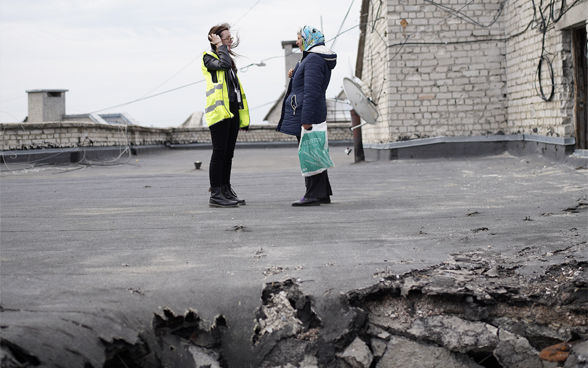
Nonviolent Peaceforce (NP) is an international NGO that aims to protect civilians in conflicts through unarmed strategies. In Ukraine, NP has been able to serve frontline and hard-to-reach areas where the protection needs of civilians are most urgent and severe. NP is working in various areas in Ukraine. Its activities include:
- Hosting and connecting the largest gathering of local and international humanitarian responders in Ukraine’s south since the escalation in February;
- Accompanying hundreds of people in need of identity documents to get through checkpoints they would otherwise be unable to cross in order to access legal support;
- Supporting the evacuation of hundreds of civilians in de-occupied areas of Kharkiv and Kherson, training local responders in safety and security and equipping them with essential protective equipment (PPE) to safely respond to communities in need.
In addition, NP's timely analysis and advocacy snapshots – such as the rapid assessment of needs in Kherson – provides essential guidance to the wider humanitarian community and authorities as they grapple with their own responses.
Delivery of equipment
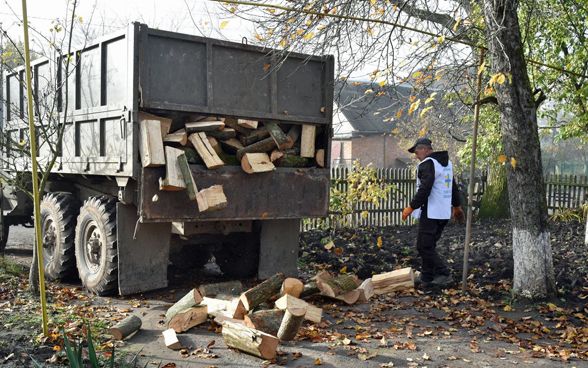
At the beginning of December, the SDC delivered 30 generators for energy production to Ukraine. In addition, 40 mobile heaters, including accessories and generators, were purchased and will be delivered to Ukraine before the end of 2022. The dispatch of additional relief goods is under consideration.
Impressions of the aid delivery to Ukraine (video in German).
Strengthening Ukrainian civil society to better protect vulnerable women and marginalised groups
Since the beginning of Russia's full-scale invasion, Ukraine's civil society has continued to provide a range of vital services and assistance to affected people, including vulnerable groups. With the financial support of the SDC, the East Europe Foundation has provided 12 grants to Ukrainian civil society organisations for projects that help and integrate internally displaced persons (IDPs). The grants are also allocated for initiatives providing counselling and support to women and children, the LGBTQ+ community, vulnerable groups, shelters, psychological and legal assistance, and projects to combat gender-based violence.
In addition, civil society organisations receive training and mentoring support to strengthen their capacities to continue working in the crisis. These include financial management, project and team management, fundraising, volunteer management, communications, etc.
Contact
Eichenweg 5
3003 Bern