
Syria: The SDC remains fully committed
In response to this grave situation, Switzerland is continuing to support Syria. Caroline Tissot is the Regional Head of International Cooperation, also covering Syria, and is based at the Swiss Embassy in Amman, Jordan. Dana Aljarah is a local employee at the SDC’s humanitarian office in Damascus. They share insights into the current situation in Damascus and the ongoing and future activities of the SDC in Syria.
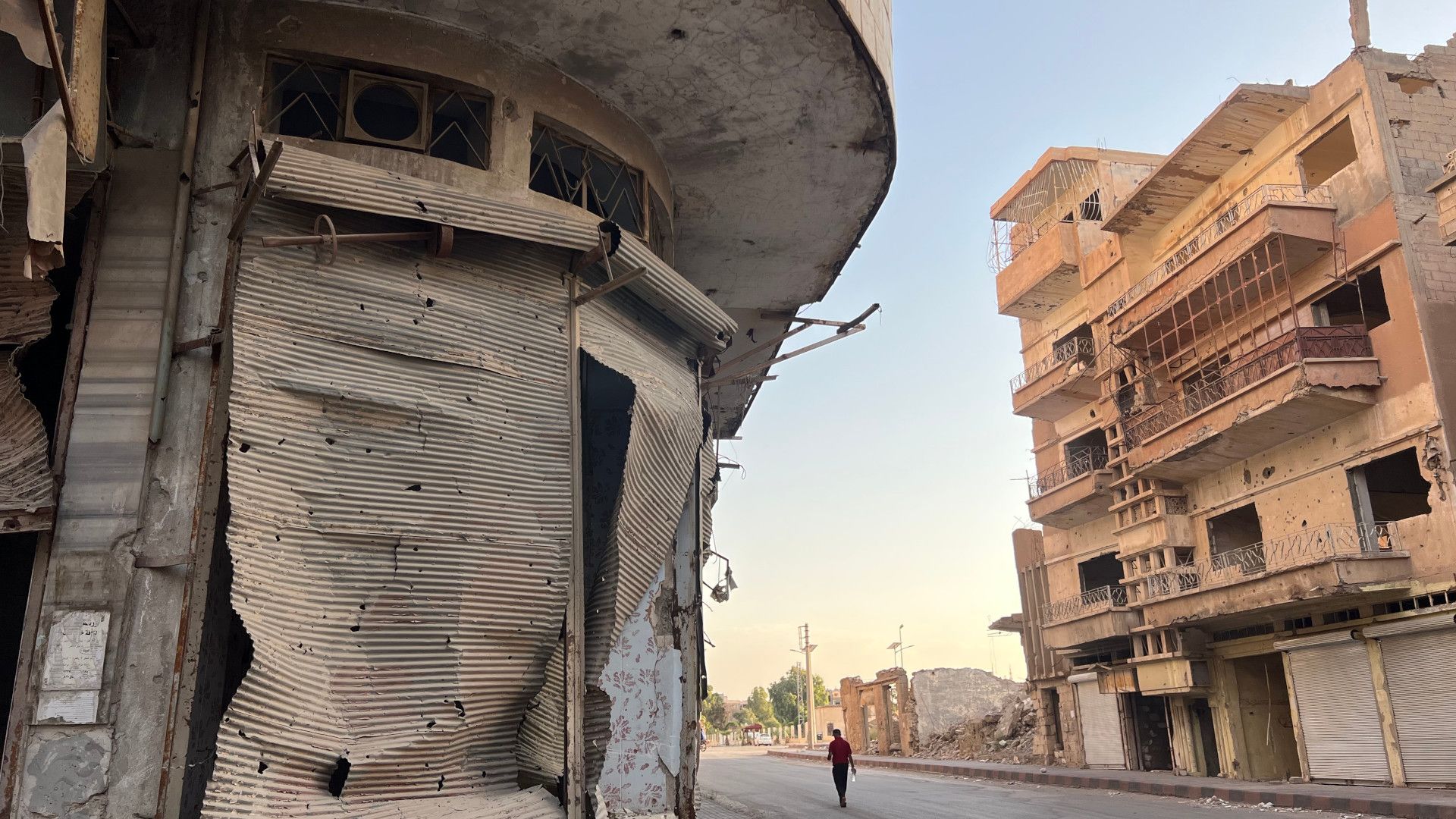
Following 13 years of war and the recent events, Syria remains severely affected by the consequences of armed conflict. In response to this grave situation, Switzerland is continuing to support Syria by contributing CHF 60 million. In doing so, it is responding to the needs of the populations in Syria and neighbouring countries, and stands ready to respond to any new needs that may arise. This funding will be allocated to Switzerland's multilateral and bilateral partners, as well as to Swiss expert missions and projects. In the interest of ensuring consistent support, this amount matches the amounts allocated in 2023 and 2024.
Since the Syrian crisis began, Switzerland has provided assistance throughout the country based on the population's needs, regardless of conflict lines. The scope of this assistance makes it one of the largest humanitarian operations in the SDC's history, which has had a humanitarian office there since 2017. The SDC is continuing its activities in close collaboration with international and local actors.
Caroline Tissot is the Regional Head of International Cooperation, also covering Syria, and is based at the Swiss Embassy in Amman, Jordan. Dana Aljarah is a local employee at the SDC’s humanitarian office in Damascus. They share insights into the current situation in Damascus and the ongoing and future activities of the SDC in Syria.
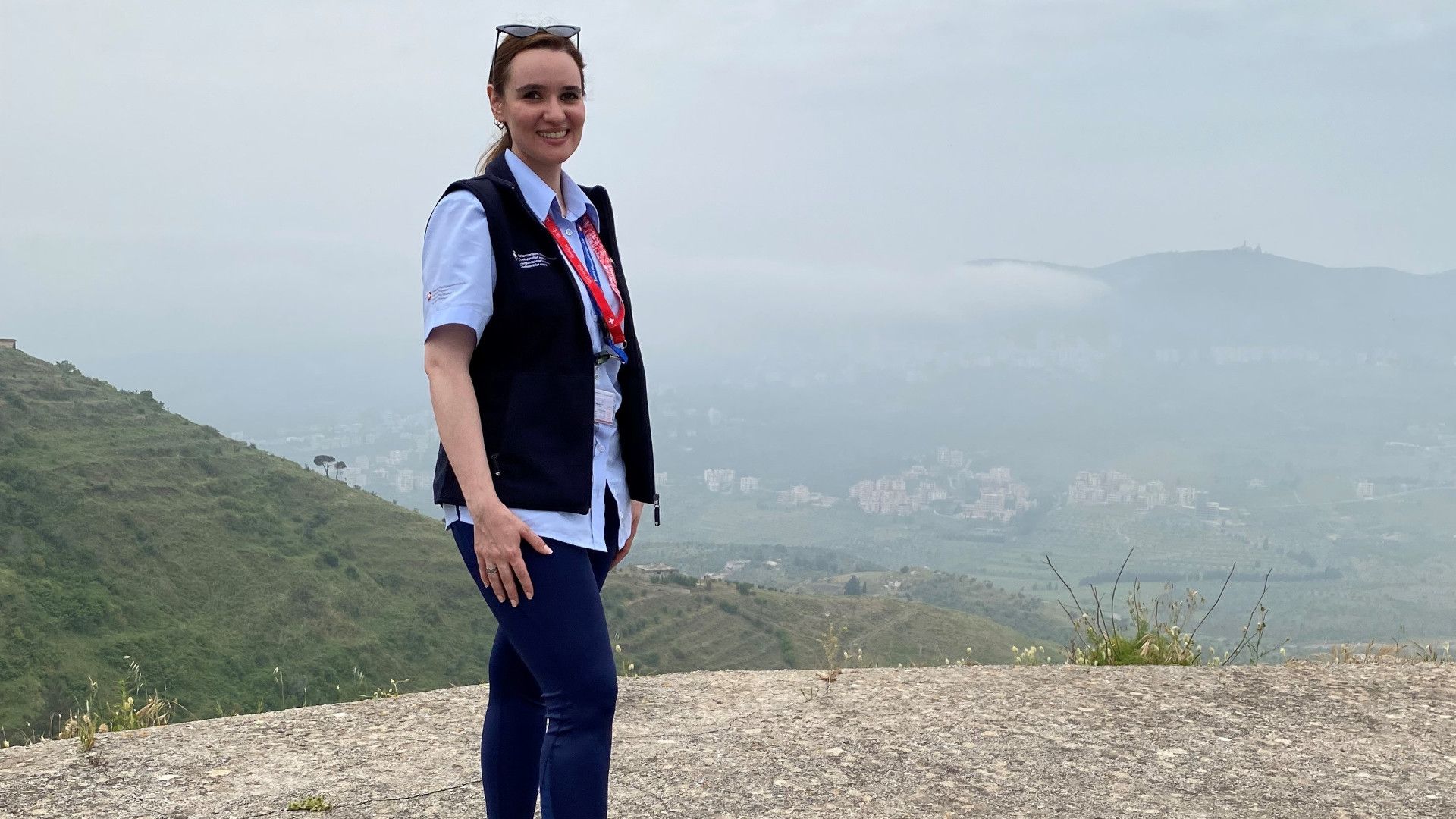
Dana, could you describe the situation in Damascus and are there particular needs that emerged since the fall of the Assad regime?
The major challenge lies in restoring public services and supporting economic recovery. Key public services, such as issuing passports and managing transportation, have not resumed. The central bank of Syria holds all the country’s reserves in Syrian pounds, which has led to a shortage of cash and a significant drop in purchasing power. Basic needs, including food and shelter, remain largely unmet, with increasing demand across the country.
We have been anticipating the lifting of sanctions, but no changes have materialized so far. Daily life remains difficult, with ongoing electricity cuts — in some areas, electricity is available for only one hour per day. This has also affected water supply, as the pumps rely on electricity and are no longer functioning properly.
What has changed in the work of our humanitarian office? Any adaptations to our existing humanitarian portfolio?
Our humanitarian office remains fully operational. In terms of adaptations, we launched an early recovery program at the end of 2024, in partnership with a consortium of four international NGOs and five UN agencies. The program addresses key development needs, including income generation, sustainable livelihoods, housing, water, sanitation, hygiene, and social enterprises. This positions Switzerland as a committed partner in supporting early recovery and building resilience in Syria.
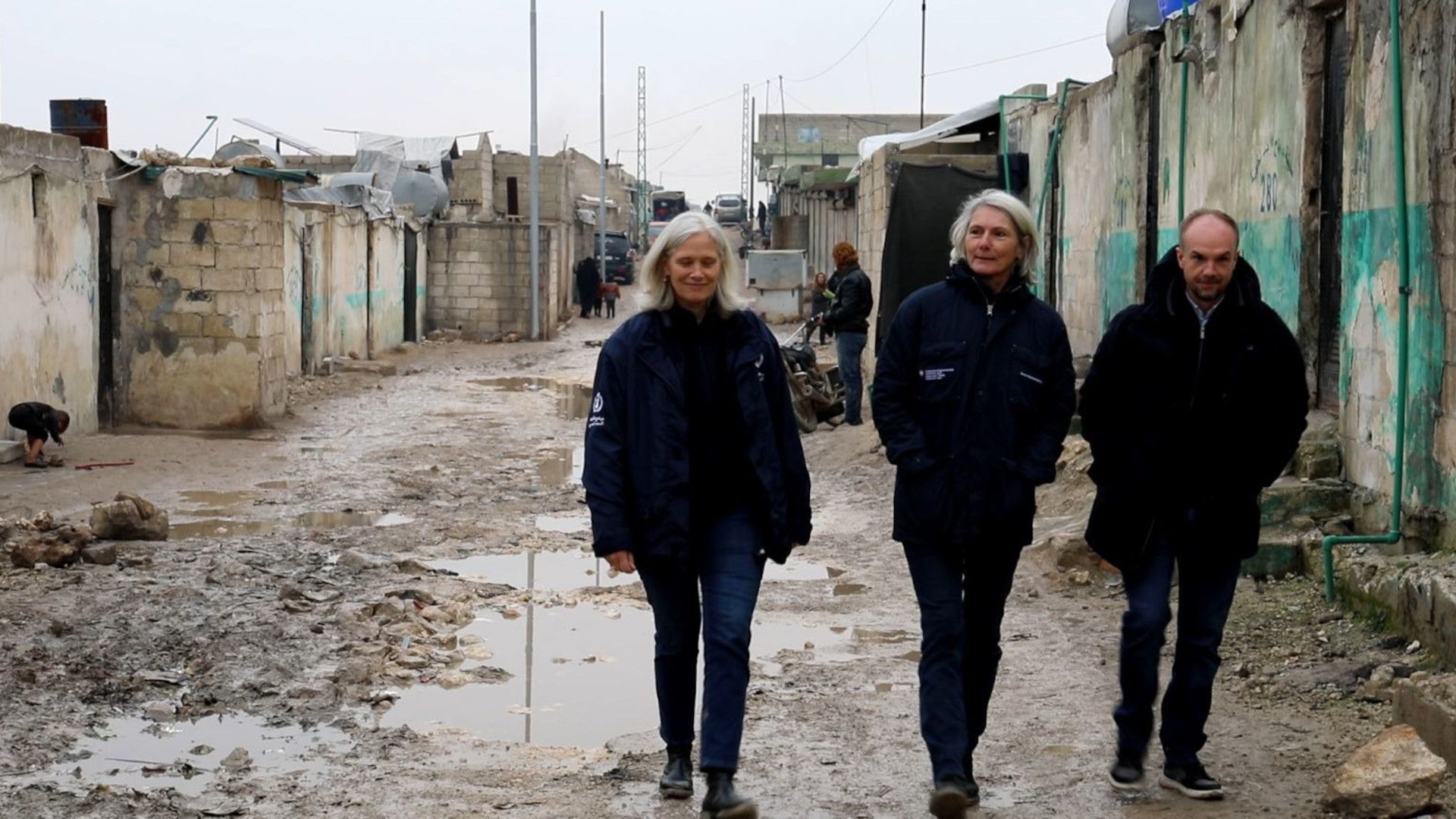
Caroline, you travelled twice to Syria since the beginning of the year and you visited Idlib for the very first time. What were your impressions?
In January, we met with the new head of humanitarian aid from the caretaker authorities to explain our needs-based humanitarian engagement, which covers the entire country. This principled approach was well received. We also discussed the critical needs in sectors such as water, sanitation, hygiene, education, and livelihoods.
In February, I visited projects in camps in the Idlib region for the first time, together with the World Food Programme and the UN Office for the Coordination of Humanitarian Affairs (OCHA), as well as the NGO People in Need (PiN). Idlib hosts the largest population of internally displaced persons (IDPs), many of whom fled from severely damaged areas. Humanitarian needs remain high, and the population heavily relies on aid for essential services such as healthcare and education. I also visited Homs and Daraa with a Swiss delegation from Berne. A key challenge now is how to restore basic services across the country.
What are the prospects of the future activities of SDC in Syria?
Switzerland is already supporting Syrians beyond emergency assistance — something Syrians have consistently asked for to eventually be able to get by without humanitarian aid. The country’s services and infrastructure are in poor condition, making it difficult for the economy to recover and for Syrians to secure livelihoods and meet basic needs. While humanitarian assistance remains essential, development actors will need to step in to support long-term recovery. The timeline and approach are still under consideration as the situation continues to evolve.
Links
Contact
Eichenweg 5
3003 Bern