
The rebirth of Honduran cocoa
Honduras now exports six times more cocoa than it did a decade ago, and cocoa farmers are optimistic about the industry's future. The Swiss Agency for Development and Cooperation (SDC), as well as other international organisations, has supported this change through its PROCACAHO programme, a public-private initiative tackling key issues in the cocoa value chain.
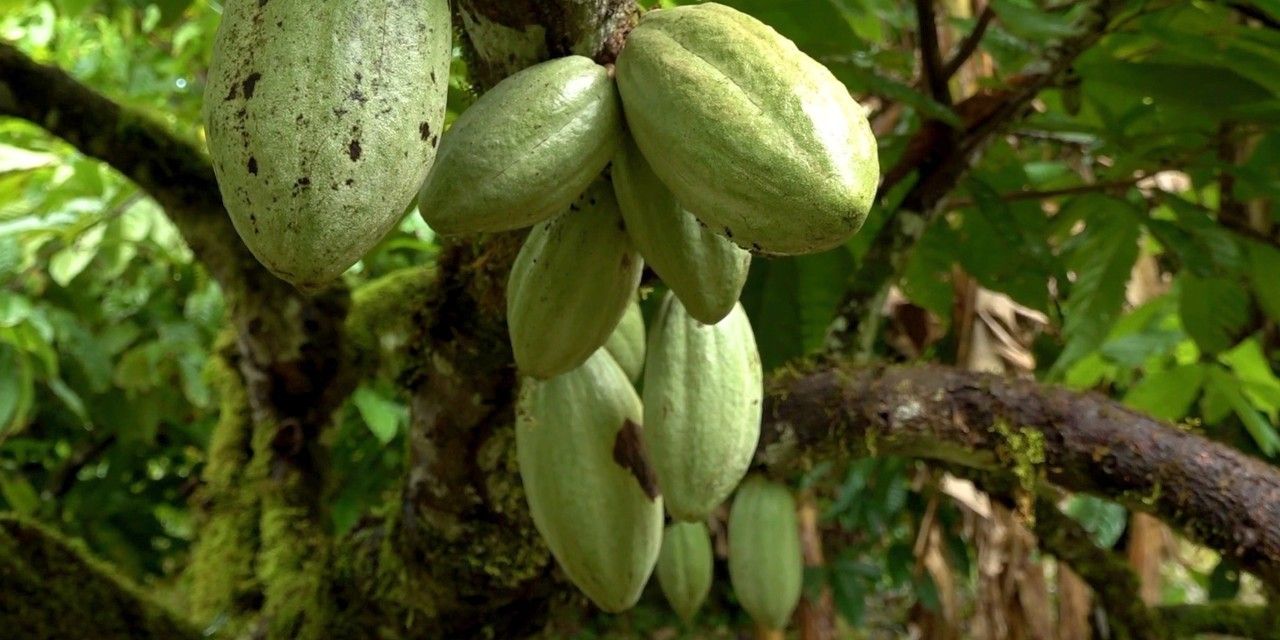
Hurricane Mitch, which hit Honduras in 1998, devastated the country's cocoa production, destroyed crops and caused severe damage to agricultural infrastructure. In the following years, with support from the international community and government programmes, Honduras made significant efforts to rehabilitate its cocoa plantations. These efforts not only facilitated the sector's recovery but also led to a substantial increase in both the production and quality of Honduran cocoa, establishing its presence in international premium markets.
The SDC's PROCACAHO programme has played a crucial role in driving this development. Since its launch in 2014, the programme has created a space where all stakeholders come together to reach consensus and agreements that benefit everyone.
According to Walter Reithebuch, the SDC representative in Honduras, the national committee has been pivotal in streamlining efforts and enhancing the sector's governance. «Collaboration between producers, cooperatives, government and private companies such as Halba, one of Switzerland's largest chocolate producers, has been crucial to the progress we have seen,» says Reithebuch
Impressive results
A recent results report from the PROCACAHO programme highlighted several impressive successes achieved with participants during its implementation period (2014–24):
- Assisted hectares: 1,545 hectares of new cultivation and 1,230 hectares under maintenance, for a total of 2,775 hectares.
- Strengthened producers: 2,245 producers benefited from the programme.
- Increased productivity: Productivity increased from 130 to 495 kilogrammes per hectare in flat areas and to 310 kilogrammes per hectare on slopes.
- Exports: By 2024, Honduras expects to produce more than 2,000 tonnes of cocoa.
Economic and social impact
The sector's growth has been remarkable, not only in terms of production but also in its economic and social impact. In 2023, Honduras produced 2,000 tonnes of cocoa and exported 1,600 tonnes, directly benefiting more than 4,500 families. «The SDC's support has been fundamental to this growth,» says Francisco Lopez, a cocoa producer from the San Fernando de Omoa Cooperative and a beneficiary of the programme. «Without this programme, we would not have made this progress,» he adds. Exports to markets such as Switzerland, the United States and the Netherlands have been key to this growth. «The quality of Honduran cocoa is recognised worldwide, and that opens many doors for us,» concludes Lopez.
The future of cocoa in Honduras
Given the sector's tremendous growth over the past decade, the future of cocoa in Honduras appears promising. With global prices at record highs and growing demand for high-quality cocoa, Honduran producers are well-positioned to seize these opportunities. A representative of the San Fernando Cocoa Cooperative describes this as an unparalleled moment in the sector's history. «We are breaking production and export records, and we believe in the future of the sector and our cooperative,» he adds.
However, challenges remain. Overcoming the obstacles posed by adverse climatic events and the persisting infrastructure deficiencies is crucial for the sector's continued growth. «It is vital to continue providing support and investing in the sector to maintain this growth,» concludes Melvin Fajardo, the programme officer representing the SDC.
Genetic and infrastructure improvements and participation of women and young people
To improve the genetic quality of cocoa, the programme has set up 18 genetic banks and provided support to 40 local nurseries. «The quality of Honduran cocoa has improved significantly,» says Luis Regalado, executive director of Halba. «This allows us to offer a superior product to our customers in Switzerland and other markets,» he adds.
The sector has also seen substantial infrastructure improvements, including new drying systems that have enabled the production of cocoa with 92% exportable quality. «Adequate infrastructure has been key to ensuring the quality of cocoa,» concludes Regalado.
Inclusion has been another pillar of the programme, with 42% of management positions being held by women, and 850 women actively participating in the sector's activities in Honduras. In addition, 450 young people have been supported with entrepreneurial ventures. Mariela García, director of the Evaluation and Management Unit of Honduras's Ministry of Agriculture and Livestock, emphasises that the involvement of women and youth is crucial to ensuring the sector's long-term sustainability.
Contact
Eichenweg 5
3003 Bern