
Climate, disaster risk reduction and environment
Climate change, natural hazards, and environmental degradation threaten global stability and progress towards sustainable development. The SDC addresses these challenges through projects that make people and their livelihoods safer and more resilient, reduce greenhouse gas emissions, and promote sustainable development.
Thematic context
Climate change, environmental degradation and natural hazards are accelerating globally, threatening human well-being, economic and political stability, and the health of our planet. Rising temperatures, extreme weather events, and environmental pollution undermine progress toward the Sustainable Development Goals (SDGs) and disproportionately affect the poorest and most vulnerable communities, which tend to emit only low levels of greenhouse gases (GHGs). In response, climate, disaster risk reduction (DRR) and environmental considerations are one of the four strategic objectives of Switzerland’s International Cooperation Strategy 2025-2028. The SDC’s approach focuses on reducing risks and building resilience through targeted measures and sustainable development practices. This strategic orientation underscores the need for urgent action to combat climate change and safeguard the environment for present and future generations. It also contributes to stability and security.
Swiss expertise
Switzerland has extensive expertise in climate issues, disaster risk reduction, and environmental management. The SDC draws on Swiss scientific research, its global experience, and a commitment to sustainable development to influence international norms and implement effective local solutions. Switzerland demonstrates its leadership at the global level e.g. through its involvement in international negotiations, including the United Nations Framework Convention on Climate Change (UNFCCC) Paris Agreement and the Sendai Framework and its active participation in the Green Climate Fund and the Adaptation Fund among others. By supporting the development of climate and weather services, fostering evidence-based science policy dialogue, and promoting innovative financing mechanisms for climate and environment, Switzerland strengthens global and local capacities to address pressing environmental challenges. Swiss expertise also extends to the promotion of clean energy, environmental pollution reduction, and biodiversity conservation, contributing to a comprehensive and integrated approach to climate and environment issues in line with the Swiss Foreign Policy Strategy 2024-2027.
Priorities
The SDC’s work on climate, disaster risk reduction, and the environment revolves around three thematic priorities to tackle immediate and longer-term climate and environmental issues and contribute to a safer and more resilient and sustainable future for all.
Firstly, the SDC promotes a climate resilient development which integrates climate change adaptation and disaster risk reduction as 80% of natural hazards are caused by climate change. Initiatives such as the Climate Risks and Early Warning Systems Project and the National Flood Risk Mapping Programme in Jordan are examples of effective disaster risk management practices. These projects help communities to better prepare for and respond to natural hazards, ultimately reducing their vulnerability and enhancing their resilience to disasters and climate change.
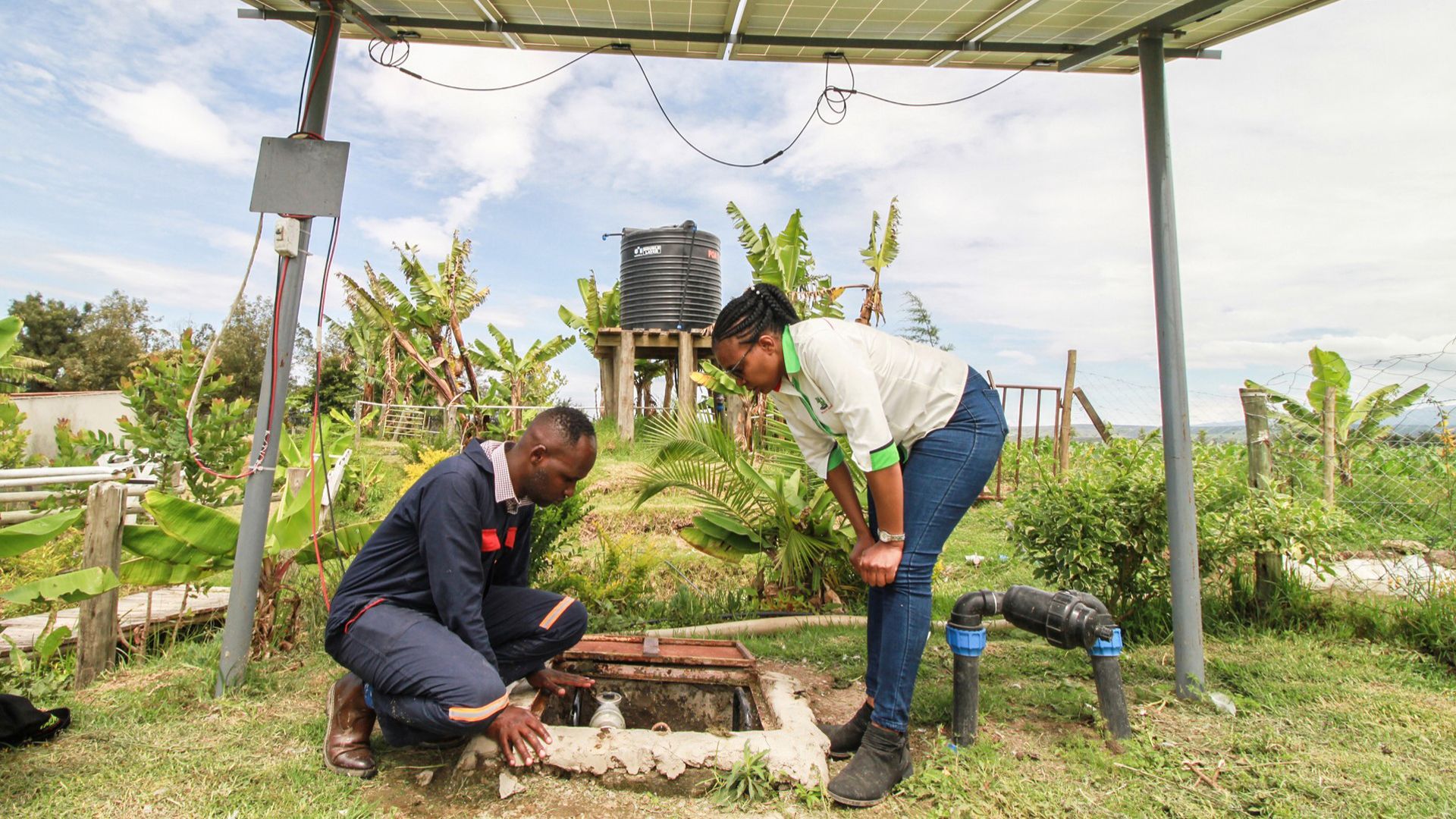
Secondly, the SDC focuses on an inclusive transition towards clean energy in its partner countries. Such a transition is necessary both to reduce greenhouse gases from the energy sector and to advance livelihoods of those most in need. For example, the SDC supports small-scale farmers to switch from diesel-operated pumps to solar-pumps. While this decreases GHG emissions overall, it also contributes to additional income for the farmers, which can be invested in other economic activities, such as the refrigeration of the fruit and vegetables they produce. This all results in more resilient livelihoods.
Thirdly, the SDC addresses the sustainable use, conservation and restoration of biodiverse ecosystems such as forests, wetlands and mountains. Healthy ecosystems are essential for human well-being and sustainable livelihoods. They provide food, clean air and water, and support climate change mitigation and adaptation. For example, an SDC project in Central Asia enhances climate-sensitive water management, while initiatives in Kenya support climate-smart livestock production and improved rangeland management. These efforts aim to bolster resilience and promote sustainable practices in vulnerable regions while preserving fragile ecosystems.
Links
Stories
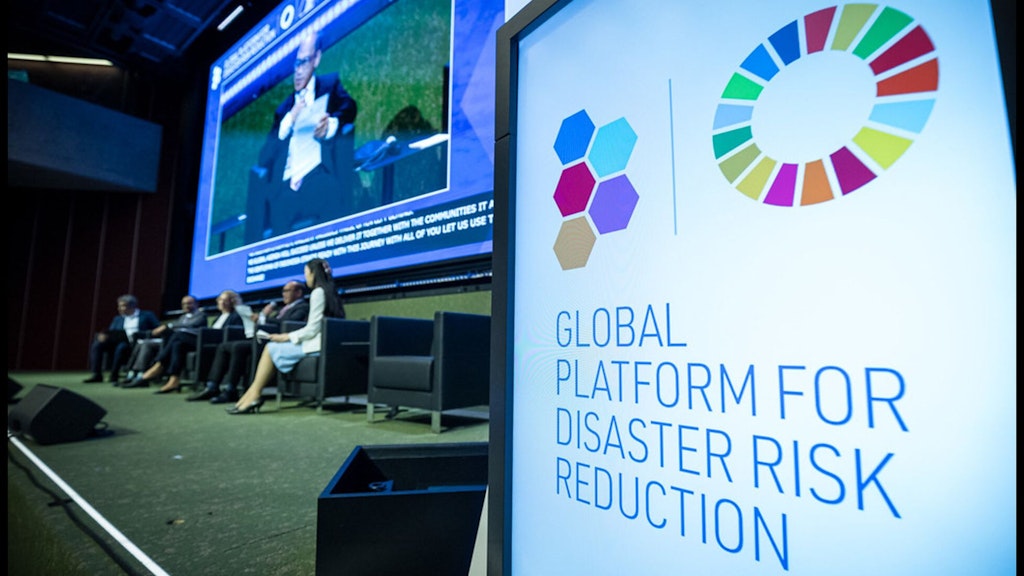
Geneva hosts the Global Platform for Disaster Risk Reduction (GPDRR)
Geneva focuses on disaster risk reduction: From 2 to 6 June 2025, participants at the Global Platform for Disaster Risk Reduction will discuss how to deal with natural hazards.
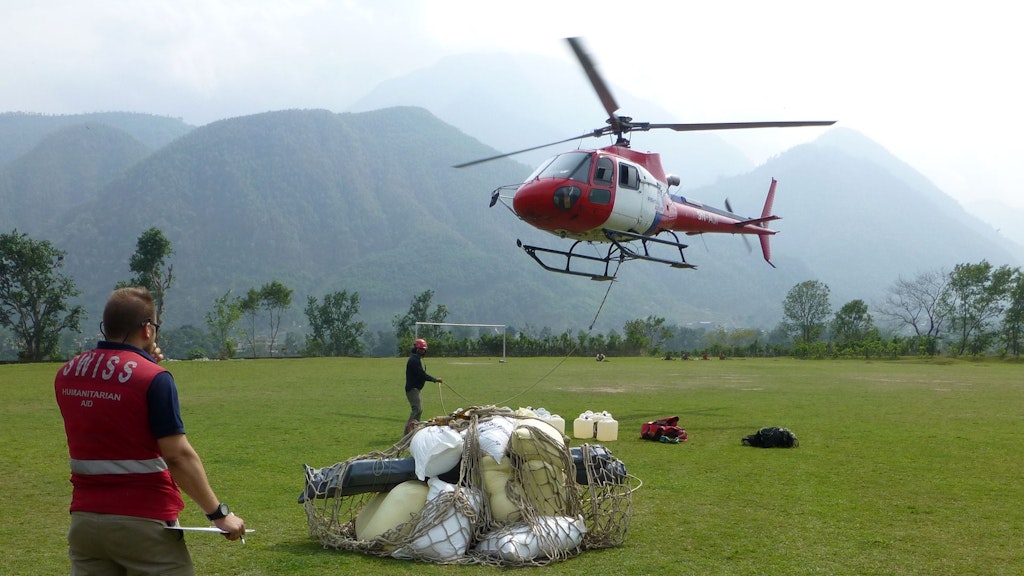
Remembering the 2015 earthquake and Nepal's road to recovery
The 2015 Nepal earthquake and the importance of short- and long-term aid in response to the latest earthquake in Myanmar

A strong alliance: Swiss NGOs join forces to tackle the climate crisis in Bangladesh
Bangladesh is one of the countries most affected by climate change worldwide. Now, nine Swiss NGOs, the Embassy and local partners are joining forces to meet the challenges

Satellite early warning system for natural hazards
Satellite early warning system for natural hazards (as for homepage teaser or variation of this) SLF researchers are training Indian specialists to use satellite data and computer models to identify impending natural hazards and areas that could be affected. The aim is to better model natural hazard processes in the Himalayas and prevent disasters.
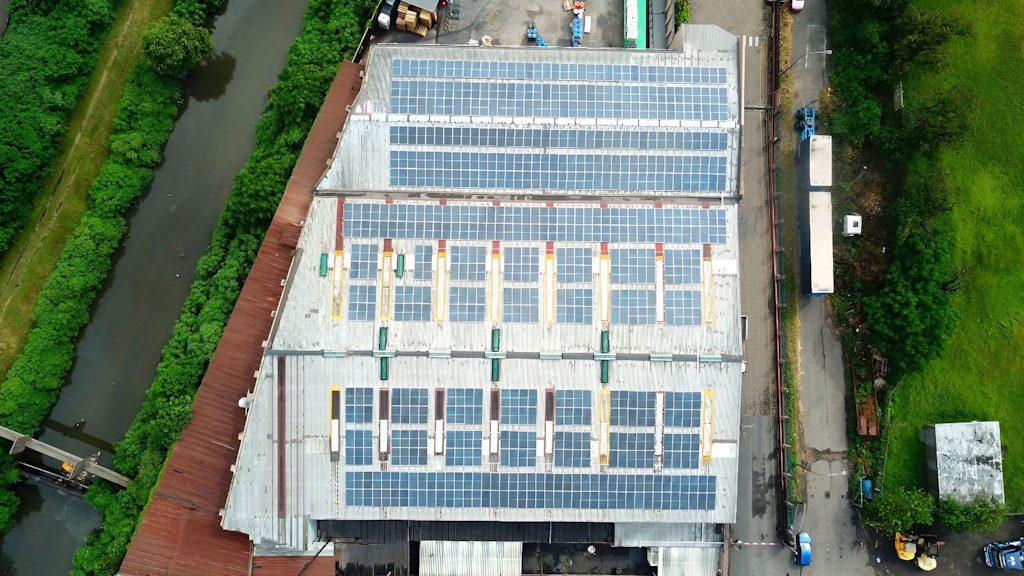
REPIC: 20 Years of innovation for sustainable and global solutions
Since 2004, REPIC has supported sustainable projects, saving 288,277 tons of CO2 and promoting innovative solutions in 60 countries.
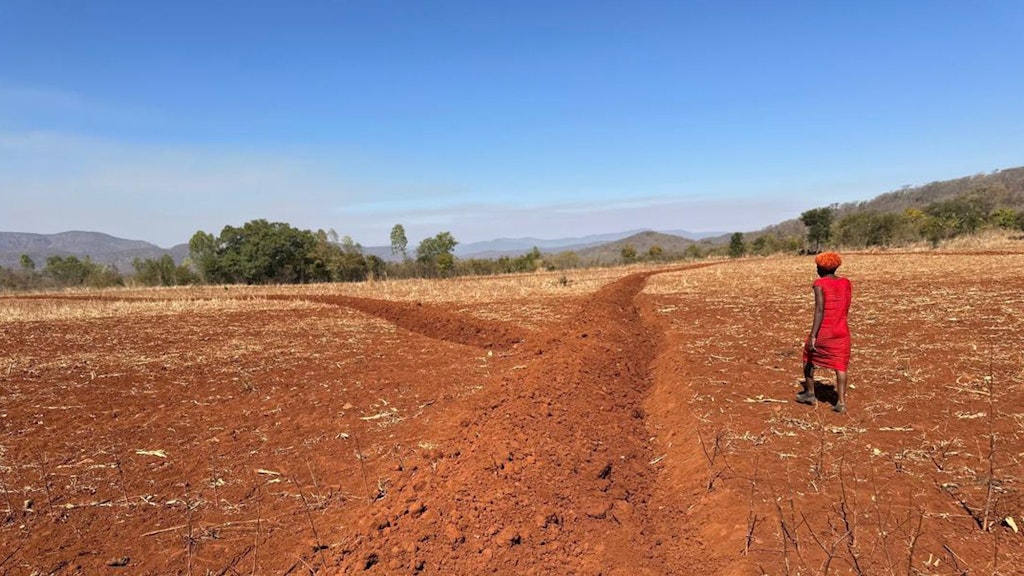
Surviving a drought thanks to sustainable agricultural practices
The Swiss Agency for Development and Cooperation (SDC) promotes drought-tolerant agricultural practices to bolster the resilience of Zimbabwe’s farming communities.
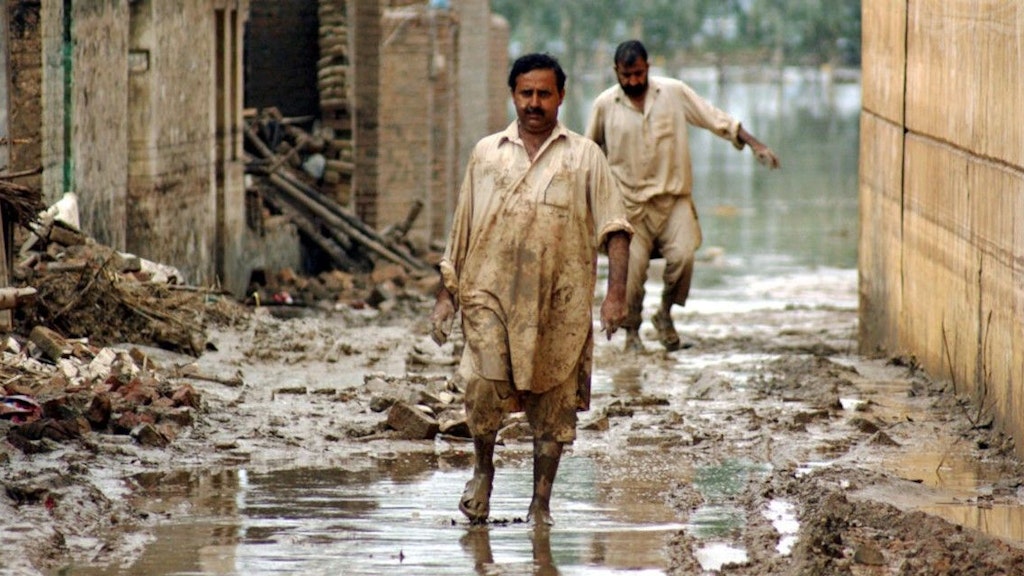
Where livelihoods are destroyed, people have to flee
Development cooperation protects habitats threatened by climate change. The SDC supports projects worldwide.
Contact
Eichenweg 5
3003 Bern