
Venezuela: humanitarian aid adapted and rethought
Widespread poverty, hunger, illness and a healthcare system on its knees: Venezuela has been in a humanitarian crisis for years. The cause is neither war nor natural disaster, but the political situation in this once prosperous land. It is a situation that requires new forms of support. For the past two years, Beat von Däniken has worked as head of cooperation in Venezuela.
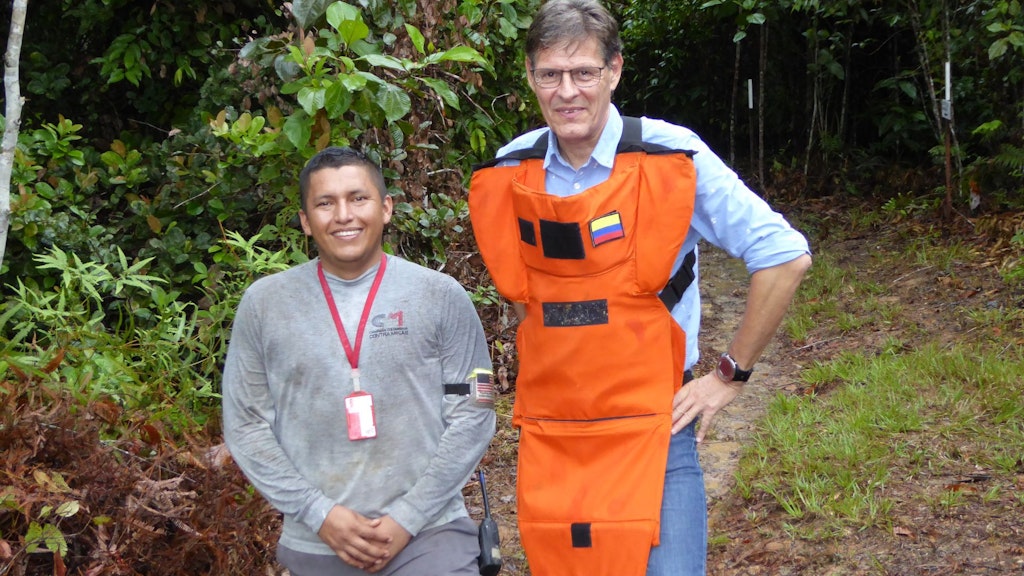
I've been head of cooperation here in Venezuela since 2023. In the past I've worked at head office in Bern, and in Ukraine, Peru and Jordan. Although Venezuela has the world's largest known oil reserves, it is also the fourth-poorest country in Latin America and there is widespread hunger. Political tensions, sanctions and corruption have led to a deep recession, hyperinflation and a poverty rate of 70 per cent.
This is challenging work. We don't even have access to current population numbers or official data on the humanitarian situation, as the government doesn't publish such information.
This is challenging work. We don't even have access to current population numbers or official data on the humanitarian situation, as the government doesn't publish such information. In recent years, 7.9 million people have left the country, which once had a population of around 30 million – though this figure varies depending on the source. But US migration policy is forcing more and more people to return to Venezuela and other receiving countries in the region. These developments come with fresh challenges.
For years, we have been trying to provide help in this context. By adopting new approaches to cooperation, it's often possible for humanitarian activities to open doors in peace promotion and diplomatic matters, and vice versa.
Aid is a highly political issue in this country, and humanitarian organisations are subject to considerable mistrust and scrutiny. That makes it even more important for us to coordinate here at the embassy. Diplomacy, humanitarian aid and peace promotion are closely intertwined. We share contacts and experiences and harmonise measures, ensuring we're best equipped to tackle challenges.
By adopting new approaches to cooperation, it's often possible for humanitarian activities to open doors in peace promotion and diplomatic matters, and vice versa.
In one example of this, we wanted to implement a disaster-risk reduction project in consultation with the national civil protection authorities. Things got off to a rocky start. We were initially unable to make progress despite several meetings with the competent vice-ministry. Our ambassador finally managed to get the project started following a meeting with the ministry of the interior, which was responsible for the decision. That meeting suddenly opened all the doors and established a key basis of trust.
Broadly speaking, Switzerland is in a special position here in Venezuela. While other countries left and closed their representations after years of political crisis, Switzerland stayed. This presence has also been bolstered by Swiss experts who were made available to the UN. Even so, we still need to ask ourselves how far we can go and where we can achieve things together.
National and local capacities should be strengthened and the sustainability of the projects ensured. In the areas resilience and disaster-risk reduction in particular, knowledge should be made available to people and local institutions. This requires close cooperation with the local political authorities. The fact that they could benefit from our cooperation with them requires a cautious approach on our part. We're aware of that challenge and know that it calls for considerable patience and determination, because cooperation in Venezuela is a marathon, not a sprint. But as long as there's a chance we can make a difference, we're convinced that patience and determination will pay off.
Contact
Eichenweg 5
3003 Bern