

At the first line of humanitarian action: innovative insurance for volunteers
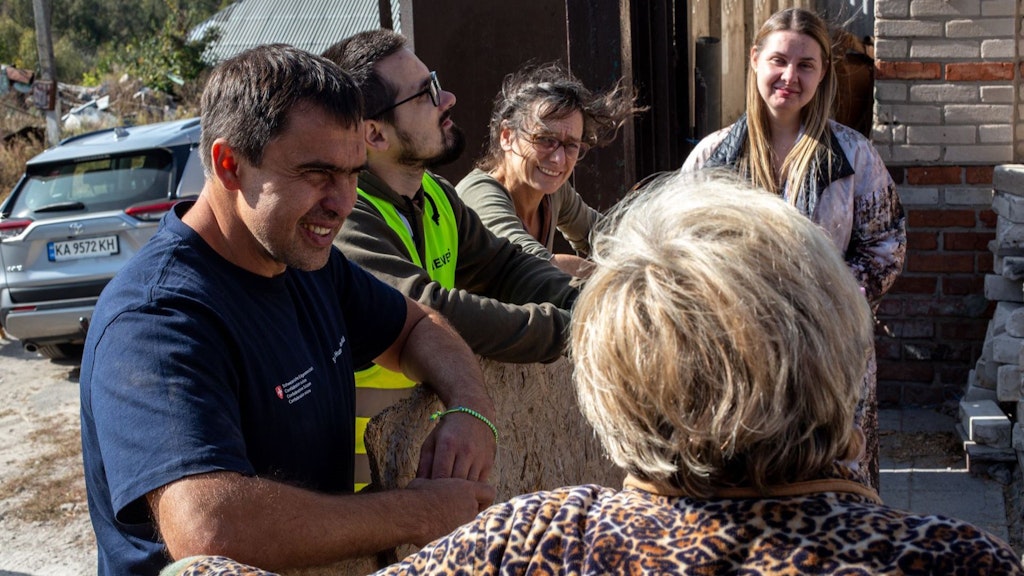
International organisations with professional staff are widely seen as the backbone of humanitarian aid, whereas much emergency support is actually provided by local people. These courageous first responders save lives, while exposing themselves to acute risks. They are active in Ukraine, too, where Switzerland has launched a highly innovative insurance scheme for people who volunteer as first responders.
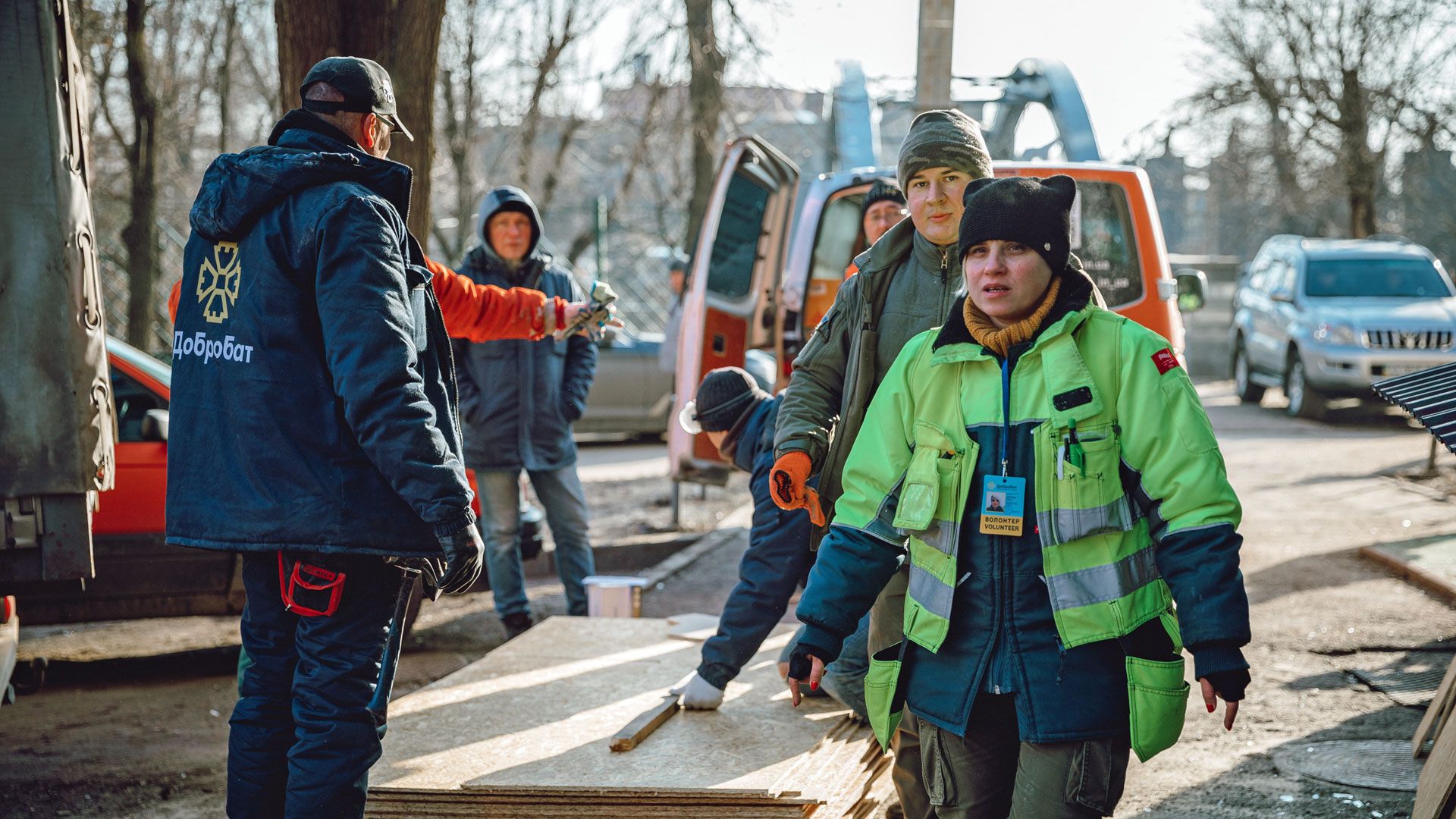
The UN Office for the Coordination of Humanitarian Affairs (OCHA) estimates that 12.7 million people in Ukraine are in need of humanitarian aid in 2025 – most of them live in the eastern and southern regions near to the front line. Several million people have been internally displaced. Access to public services, such as healthcare, clean water and education, has been severely restricted by the conflict. Humanitarian organisations reached 8.4 million people in 2024. Providing humanitarian aid for people in need is a key element of Switzerland’s new Ukraine country programme 2025-2028. Its humanitarian portfolio in Ukraine focuses on the tremendous level of need in terms of food security, protecting victims and their rights, health, heating and energy security as well as water, sanitation and hygiene (WASH).
However, humanitarian aid does not reach everyone who needs it. OCHA estimates indicate that more than half of people in need of aid are not receiving it in 2025. Local NGOs and volunteers play a vitally important role where aid is not getting through. They use their knowledge of the situation on the ground to provide quick and effective support to their Ukrainian compatriots in need. In volatile zones close to the front line, they are heavily involved in providing aid and services. Due to stringent safety regulations applied by international humanitarian organisations, they are often the only aid workers able to operate in these areas. Switzerland is supporting an innovative project that provides insurance cover for volunteers carrying out this kind of remarkable humanitarian work.
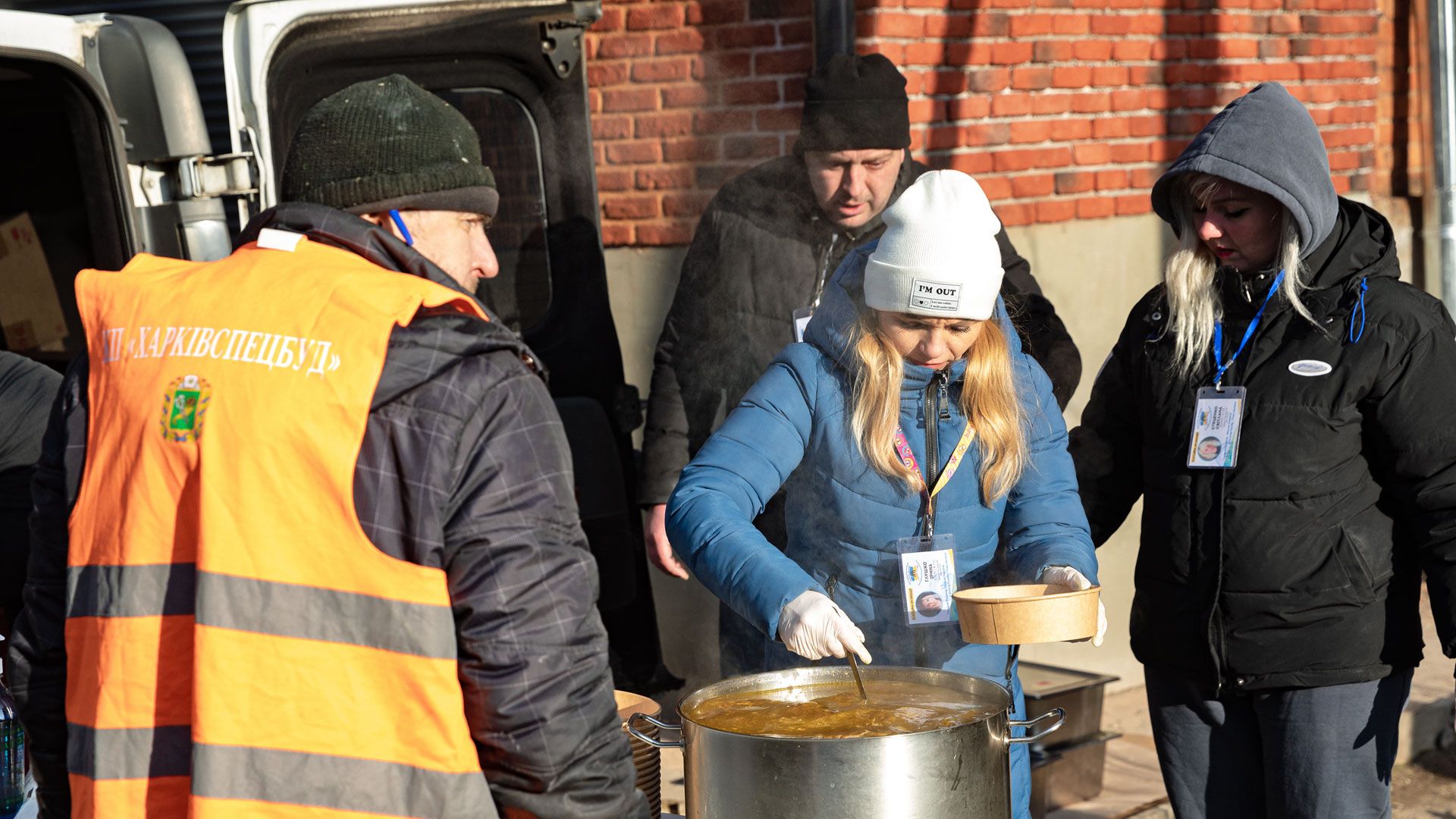
The Swiss embassy in Kyiv launched the volunteer insurance initiatives in August 2023. The aim is to provide insurance cover for volunteers risking their lives while performing humanitarian aid work. The scheme provides volunteers and their dependants with financial support if anything happens to them. This approach supports local actors and actively involves the private sector. By supporting this initiative, Switzerland is demonstrating its humanitarian tradition and promoting an innovative approach in the humanitarian sector.
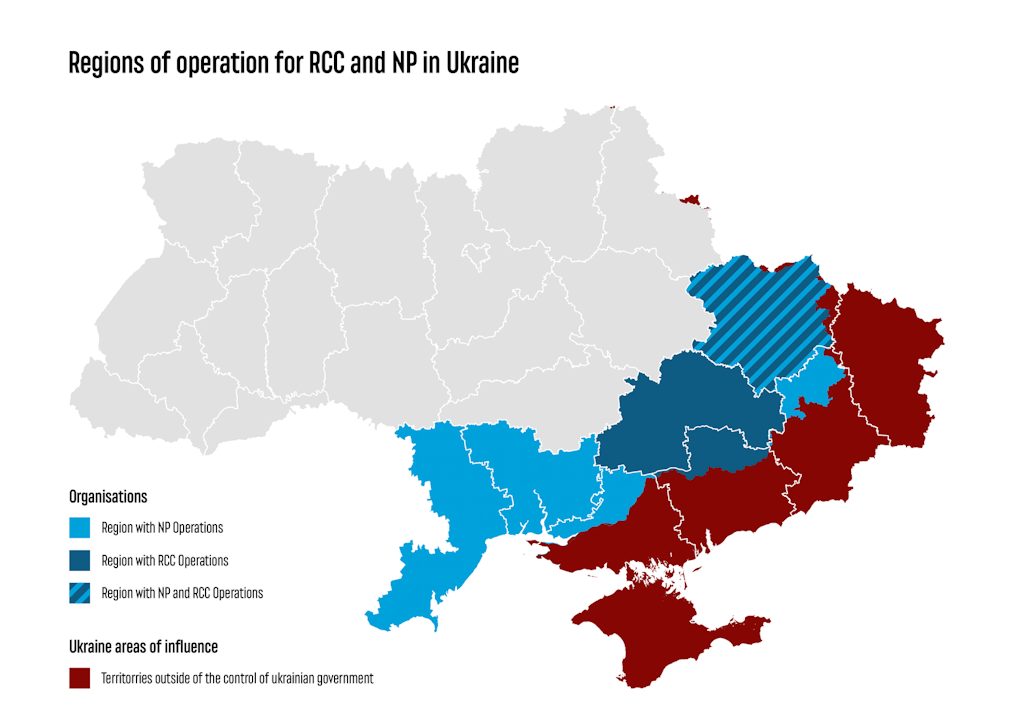
Switzerland is relying on partnerships with two organisations – the Ukrainian Relief Coordination Centre (RCC) and the Swiss Nonviolent Peaceforce (NP) – to implement the project. These two organisations work separately and in different regions. The RCC supports volunteers in the oblasts Kharkiv, Dnipropetrovsk and Zaporizhzhia, while NP provides insurance cover in the oblasts Donetsk, Kharkiv, Odesa, Mykolaiv and Kherson.
The two partner organisations liaise directly with insurance companies to provide financial protection for volunteers and their dependants in the event of accident or death. The maximum amount paid out in such cases is 300,000 hryvnia (around CHF 6,000). The insurance policy also provides cover for war risks, such as mines, bombs and munitions etc., which pose a major threat in the regions where the volunteers are operating.
Minimising administrative costs and ensuring a high payout ratio are key success factors in this project. In regions where infrastructure has been severely damaged and small NGOs are working with minimal resources, major challenges must be faced. However, there is strong interest and demand is growing. NP arranged cover for 245 volunteers during the pilot phase from August 2023 to May 2024 and has already done so for over 1,100 volunteers in 2025. The RCC estimates that it will provide insurance for twice as many volunteers as during the pilot phase (around 2,500) by November 2025. This shows the service is being welcomed by the volunteer organisations.
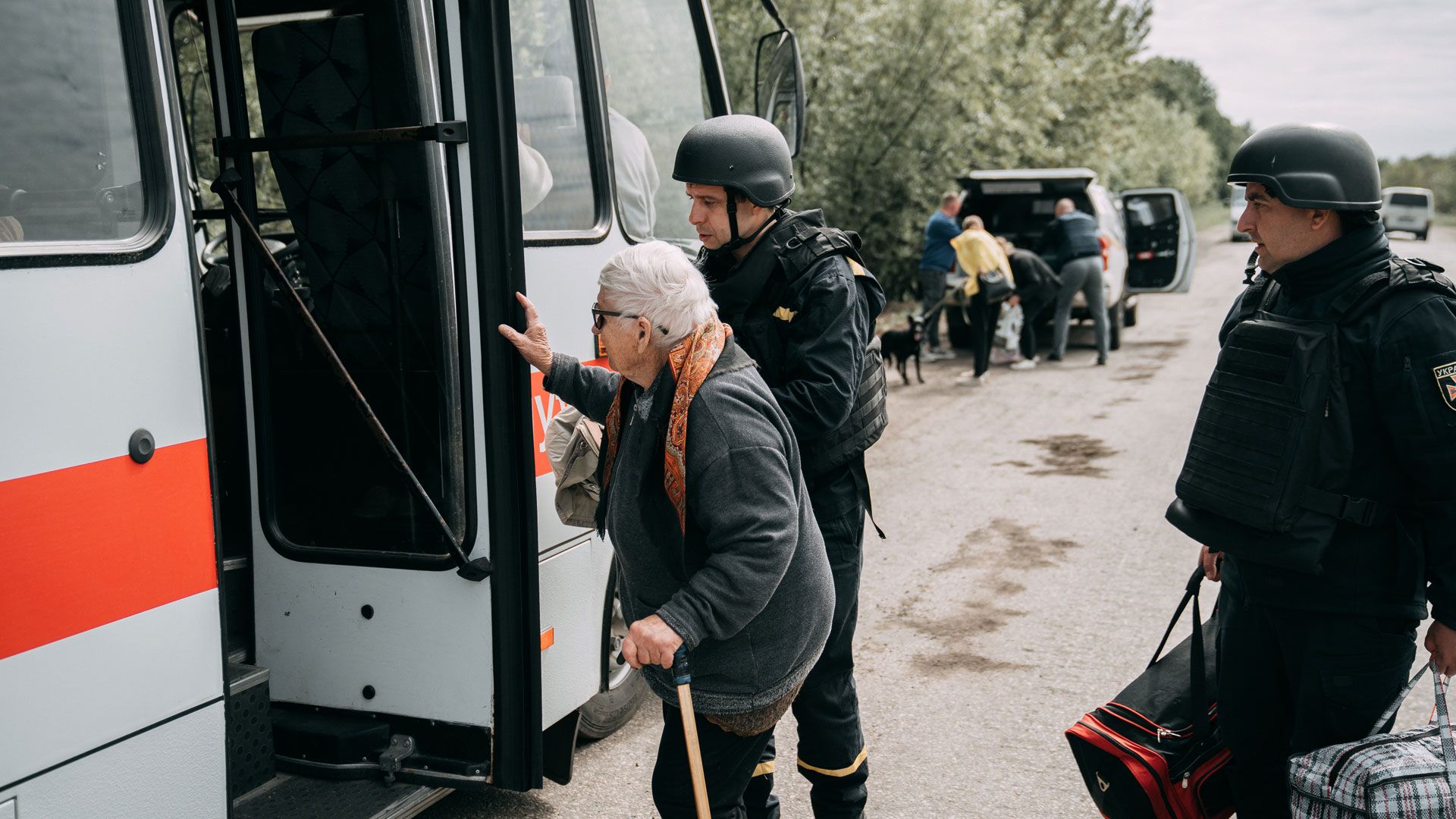
Feedback from volunteers also points to the insurance scheme's positive impact.
We're the first ones exposed to potential risks when doing tasks like clearing rubble or reconstruction work after missile attacks. Insurance is absolutely vital.
The insurance cover has given Hannah, a volunteer from Kramatorsk, a greater sense of assurance, strengthening her resolve to provide aid effectively.
The insurance makes me feel more secure when carrying out voluntary work. I now feel less vulnerable.
In an evaluation of the project carried out by NP, 80% of the volunteers surveyed indicated that they felt more at ease and secure when performing their duties. An evaluation commissioned by the Swiss embassy in Kyiv reveals how grateful the volunteers are for the insurance and highlights the strength of their commitment and morale.
Switzerland's volunteer insurance initiatives are making an innovative contribution to the international humanitarian sector, which is no longer able to reach everyone in need by itself due to cutbacks. The involvement of local organisations and people is increasingly significant due to reductions in funding for development cooperation and humanitarian aid. The Swiss embassy's project evaluation recommends systematically providing insurance cover for first responders as part of support payments to local NGOs. It is hoped the volunteer insurance initiatives will serve as a model not just for other humanitarian donors in Ukraine, but in other conflict regions too.
Links
- Ukraine Humanitarian Needs and Response Plan 2025
- Support of the Confederation for the people affected by the war in Ukraine
- Newsfeed Ukraine
Documents
Ukraine
Switzerland is supporting Ukraine with humanitarian aid, development cooperation and recovery efforts geared towards peace and sustainable development.
Contact
Eichenweg 5
3003 Bern