
Afghanistan
Conflicts, poverty, hunger and climate change have shaped the lives of the Afghan people for decades. 24 million people rely on humanitarian aid and most of the population live below the poverty line. The Swiss humanitarian office is working on the ground to ensure vulnerable communities are getting support to meet their basic needs.
Context Afghanistan
The majority of Afghanistan’s population has long endured extremely difficult living conditions. The impact of almost 50 years of war and conflict on their mental and physical health has been devastating, and is hindering the country’s development as a whole. The Taliban takeover in August 2021 led to a further deterioration of the economic, political, social and humanitarian situation. Nearly 24 million people are currently dependent on humanitarian aid, six million of whom are on the brink of famine. Sustainable livelihoods are at risk in all regions of the country, with women and children particularly affected. The Afghan economy is mired in a serious crisis: public services have collapsed due to the withdrawal of aid money, and the economy has contracted by 25% since the summer of 2021. Despite producing only small amounts of greenhouse gases, Afghanistan is acutely affected by climate change. The country is on the verge of an environmental disaster, imperilling livelihoods, food security, human rights, peace and security. Investment and innovation are urgently needed to bolster the resilience and adaptability of Afghan communities and institutions in the medium and long term.
To date, no country has recognised the Taliban and its Islamic Emirate as Afghanistan’s legitimate government, in part because its political and social decisions flout international standards, particularly with regard to women’s human rights. Direct cooperation with the Afghan authorities is difficult, if not impossible. Since August 2021, development funds have been routed through the United Nations (UN) and various non-governmental organisations (NGOs), predominantly for short-term humanitarian projects. However, humanitarian aid alone is insufficient to address Afghanistan’s vast array of problems. A political process, launched in November 2023 following the UN Special Coordinator’s report, aims to implement confidence-building measures between the Taliban and the international community to support Afghanistan and help it emerge from isolation.
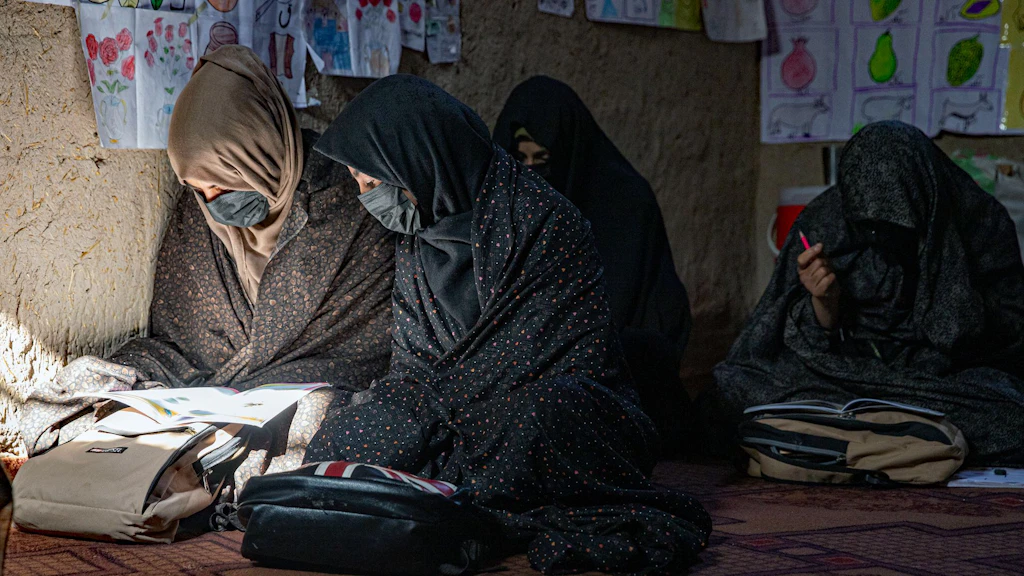
Even before the Taliban seized power, women and girls in Afghanistan were subject to severe discrimination and faced significant restrictions. However, the previous government had set in motion a number of reforms that improved the legal standing of women and girls. These achievements were swiftly rolled back when the Taliban came to power. According to the United Nations Entity for Gender Equality and the Empowerment of Women (UN Women), institutionalised discrimination against women and girls has worsened. While the overall security situation has improved since the war ended, allowing men to move relatively freely throughout the country, security for women and girls has markedly deteriorated. A UN Women survey found that 64% of women in Afghanistan now feel unsafe and are afraid to leave their homes without a male guardian. The Taliban’s misogynistic decrees are severely hindering cooperation with the international community.
Crisis in Afghanistan
After the Taliban takeover on 15 August 2021, Switzerland immediately closed its cooperation office in Kabul and evacuated all staff. Initially, the SDC team responsible for Afghanistan continued its programmes from Bern. Since February 2023, it has been operating from the Pakistani capital Islamabad and conducting regular visits to Kabul in order to continue the SDC's programmes for Afghanistan. The SDC is once again represented in Afghanistan. In March 2025, a team of experts from the Swiss Humanitarian Aid Unit (SHA) has opened a Swiss humanitarian office in Kabul.
Protection and human rights
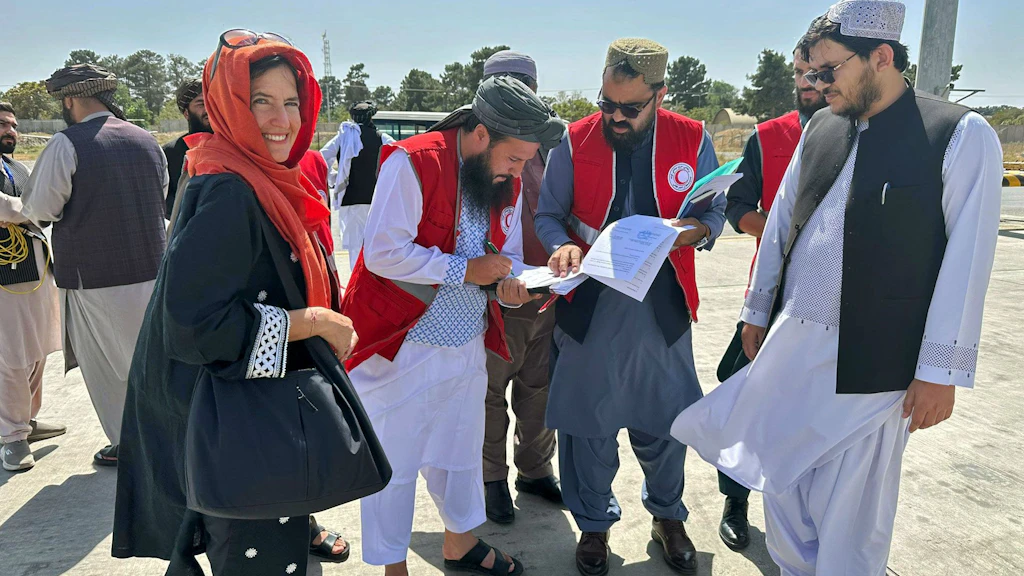
Working alongside international organisations like the International Committee of the Red Cross (ICRC) and UN, and both national and international NGOs, Switzerland champions human rights and the protection of vulnerable groups, with a particular focus on women and girls. The aim is to strengthen resilience and self-reliance, support human rights organisations, and safeguard human rights, international law and civic space. Furthermore, women and girls should have unfettered access to their rights.
Securing basic needs
Following the Taliban’s seizure of power, the international community cut its financial support, which had accounted for 45% of gross domestic product (GDP) and 75% of public spending, leading to a collapse in public services. To bridge this gap, Switzerland is collaborating with other donors to support the provision of essential goods and public services, such as education and healthcare. Switzerland supports organisations that provide and ensure access to cross-sectoral services by vulnerable groups, particularly women and girls.
Climate-resilient rural livelihoods
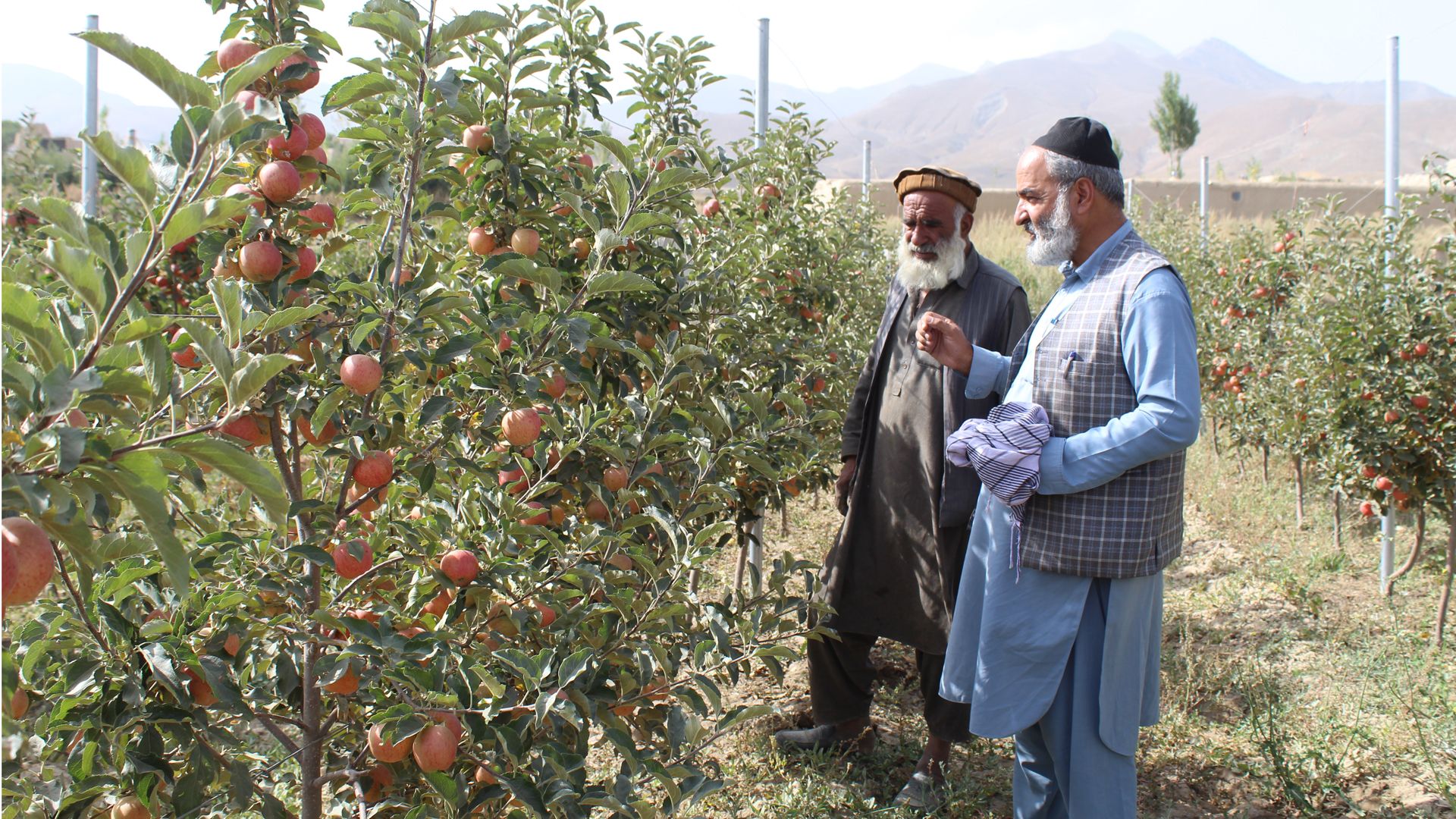
Afghanistan produces hardly any greenhouse gases, but is one of the ten countries most affected by climate change. Over 80% of Afghans depend on natural resources, but only 12% of the land is arable and only 6% is cultivated. Women are disproportionately affected by climate change. To address this issue and strengthen local capacity to cope with the impact of climate change, Switzerland helps communities manage natural resources in a sustainable and climate-resilient way and adapt their production to changing climate conditions. It promotes income diversification and improves access to local markets, helping women in particular to increase their earnings. Switzerland funds local organisations that provide money, food, seeds and other farming supplies. It shares its expertise in disaster risk reduction and contributes to averting climate-related disasters or lessening their impact.
Approach and main partners
The Swiss humanitarian office in Afghanistan will maintain its focus on developing local capacity (local partners, communities, etc.), ensuring a balanced mix of partners (international organisations, international and Afghan NGOs) to promote the localisation of aid. In this context, it intends to play a role in driving international discussions on technical support for ministries. One of the more promising, and less politically risky, approaches would be to train and strengthen the capacity of Taliban-led institutions to adapt to climate change.
Switzerland’s main partners in Afghanistan are:
- International organisations: UN agencies, the ICRC, the World Bank;
- Local and international NGOs: Aga Khan Foundation, The Liaison Office, Afghanaid;
- Swiss NGOs: Swisspeace.


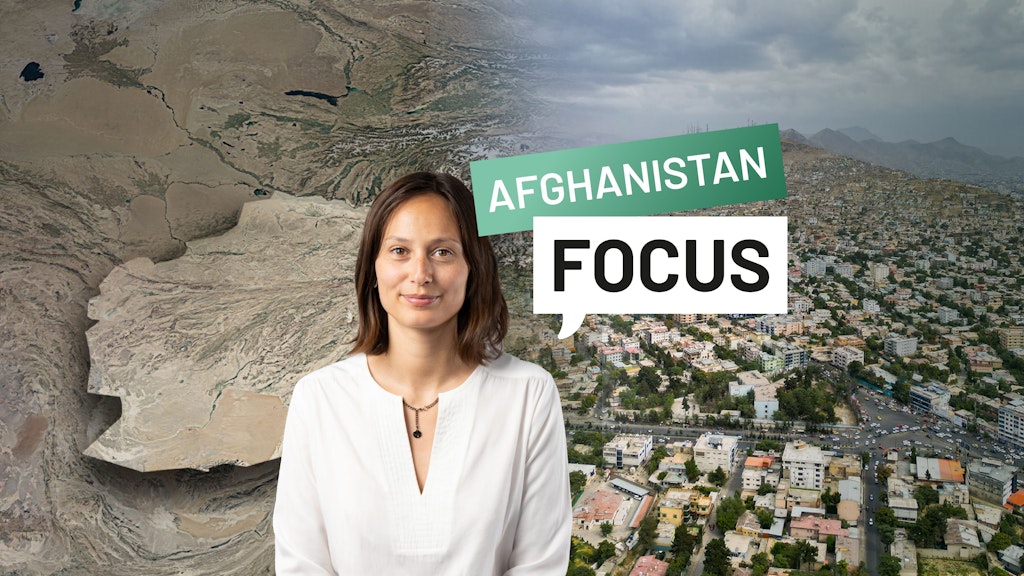
Let's Focus – #1: Afghanistan
Developments in Afghanistan continue to cause quite a stir. The FDFA explains and provides context.
Contact
Eichenweg 5
3003 Bern