
Burkina Faso
Switzerland's engagement in Burkina Faso aims to promote a lasting peace by protecting communities, strengthening social cohesion and creating economic opportunities for young people and women in particular. In a context of persistent fragility but also considerable resilience, Switzerland pursues a responsible and pragmatic approach geared towards tangible results for the communities concerned.
Burkina Faso
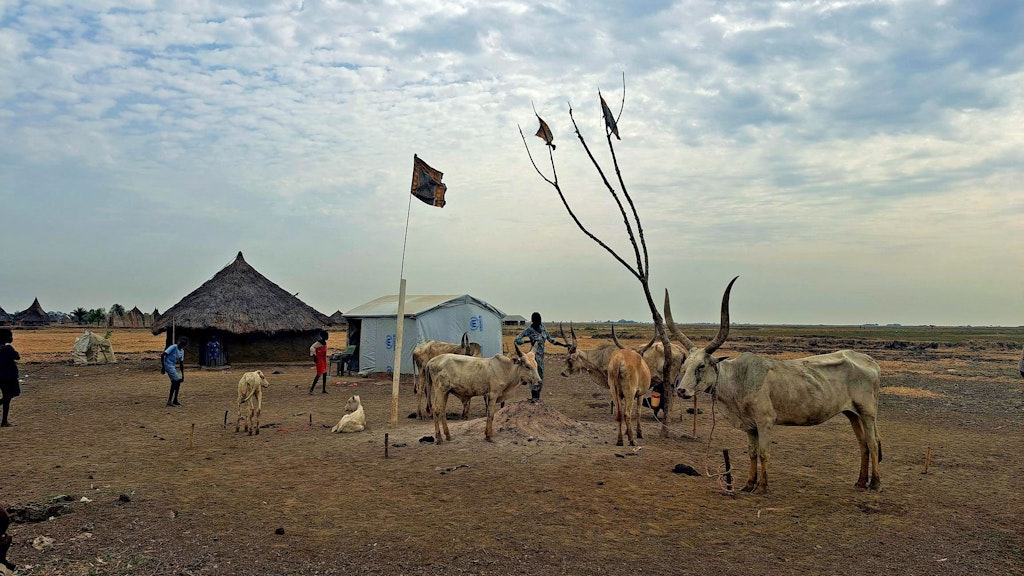
Over the last decade, Burkina Faso has been subject to political, social and security fragility leading to mass population displacements and limited access to key services such as education, health and water. Changes in the political landscape in 2022 and the country's withdrawal from ECOWAS in 2024 have redefined the regional balance. Despite these challenges, the people of Burkina Faso have shown remarkable resilience, expressed through community solidarity and local initiatives. In this difficult context, Switzerland has maintained its presence and its commitment, convinced that long-term support remains essential.
With its 2026–2029 programme, Switzerland is reaffirming its commitment and its ability to adapt to changing circumstances through three pillars: reinforced protection of communities, support for work towards a lasting peace, and contributions to the creation of economic opportunities.
Protection
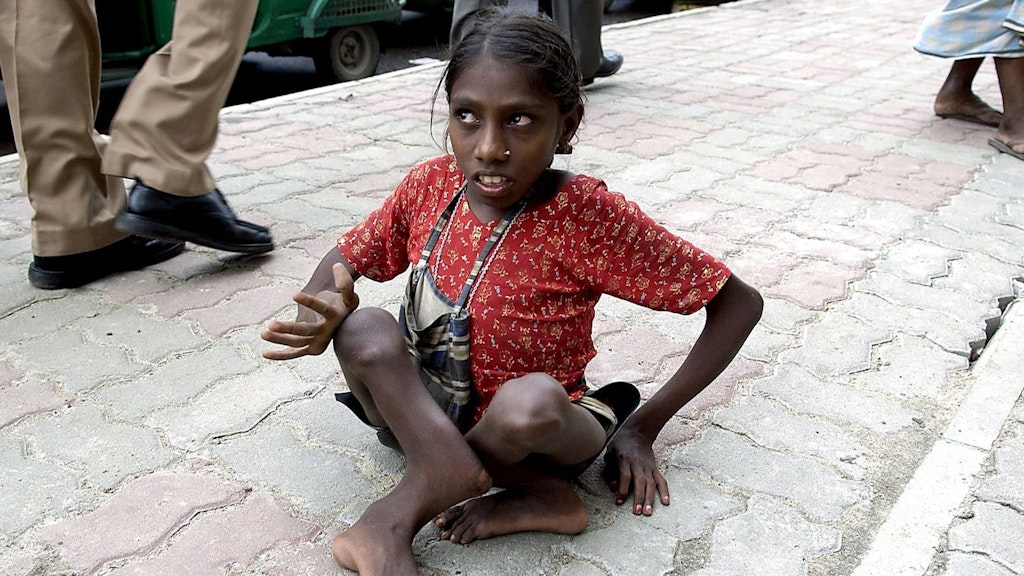
Switzerland places the protection of communities at the heart of its activities. It is stepping up its support for emergency assistance mechanisms in order to respond swiftly to critical situations and support the most vulnerable. Particular attention is paid to preventing and dealing with violence, especially gender-based violence, and to raising awareness of humanitarian principles and fundamental rights.
At the same time, Switzerland is contributing to educational continuity in the areas affected by the crisis, by supporting education in emergency situations and the creation of safe learning spaces. This engagement aims to safeguard the prospects of children and young people, while promoting a safe environment. The aim of these activities is to promote dignity and respect for human rights while making humanitarian aid more effective.
Good governance and peace
By supporting local governance and the capacities of local authorities, Switzerland is working to facilitate equitable access to public services and to strengthen trust between citizens and institutions. The programme also promotes community-based mechanisms for the prevention and peaceful resolution of conflicts, as well as mediation and social dialogue, which are essential for preserving social cohesion in fragile contexts.
Switzerland also supports national actors committed to promoting human rights and strengthening the rule of law. It backs initiatives aimed at consolidating accountability, transparency and civic engagement, thereby contributing to institutions' inclusiveness and legitimacy. This work is fully in line with the vision of a lasting peace based on functional institutions, engaged communities and renewed trust.
Socio-economic opportunities
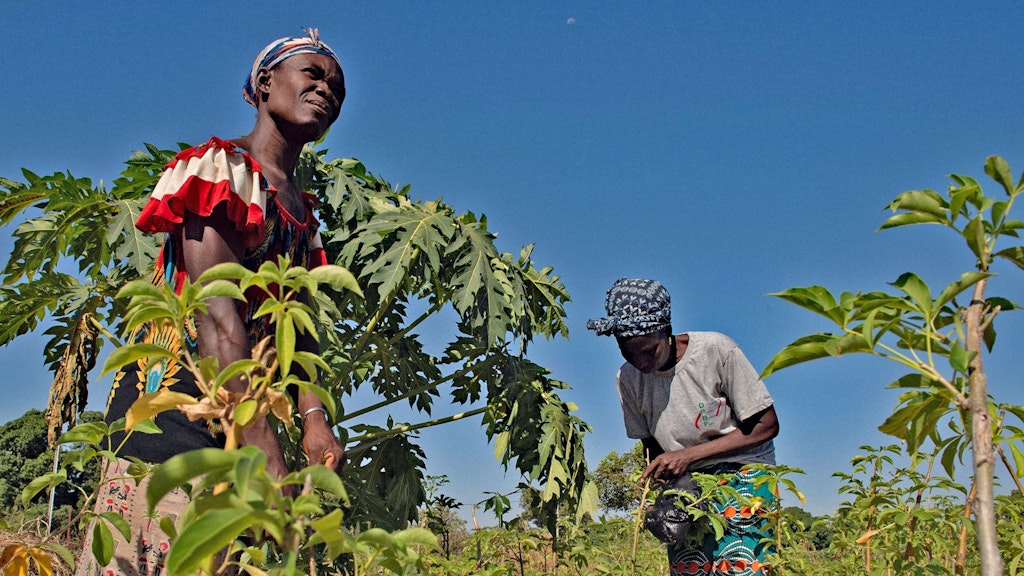
The third pillar of the programme aims to offer concrete economic prospects, particularly for young people and women, who have been severely affected by the crisis and often lack opportunities. Switzerland focuses on vocational education and training, entrepreneurship and access to financing to boost the local economy and foster the emergence of income-generating activities. It promotes the development of promising sectors, particularly in agriculture, agroecology and the green professions, while strengthening ties with the private sector. These initiatives aim not only to create sustainable jobs, but also to contribute to food security and households' resilience in the face of economic and climatic shocks.
These three pillars incorporate gender equality, civic engagement and the fight against climate change in a cross-cutting manner.
Approach and main partners
Switzerland takes a partnership-based approach, listening to and working closely with national actors. It works side by side with central and local authorities, regional communities, civil society, community organisations, humanitarian and development actors, and multilateral organisations.
This inclusive cooperation makes it possible to tailor interventions to the realities on the ground, take local dynamics into account and respond in a targeted manner to people's needs, particularly those of the most vulnerable. The programme adopts the development, humanitarian and peacebuilding nexus approach in order to provide coherent and complementary solutions tailored to the complex context in Burkina Faso. This approach makes it possible to address immediate needs and, at the same time, the root causes of fragility, while also building local capacities and strengthening the resilience of communities.
Contact
Eichenweg 5
3003 Bern