
Haiti
In Haiti, Switzerland is contributing to the resilience and autonomy of local stakeholders to help reduce the impact of the extreme fragility affecting the country. Its main focus is on protecting vulnerable people, particularly those affected by violence, and strengthening the population's resilience against natural hazards. Switzerland also provides emergency responses to natural disasters and crises in Haiti.
Background
The socio-economic, political and humanitarian situation in Haiti has deteriorated in recent years as a result of raging gang violence in and around the capital, Port-au-Prince. The outbreaks of violence have led to numerous civilian casualties, major population displacements within the country as well as mass emigration. Local people also continue to be exposed to recurring natural disasters such as earthquakes and hurricanes. As part of its universal humanitarian mandate and in the face of such a persistent, multidimensional crisis in Haiti, Switzerland is providing support to the local communities exposed to violence, disasters and insecurity. The aim of Switzerland's humanitarian programme is to help create a more resilient, stable and just Haitian society.
Protecting vulnerable groups
Switzerland is providing support to the population groups most affected by poverty and crises, in order to help ensure their protection and reduce the risks to which they are exposed. In the area of social security, it promotes economic independence for people living in extreme poverty, particularly women. It also works to bolster local institutions offering specialised services for victims of gender-based violence.
Strengthening disaster resilience for people and institutions
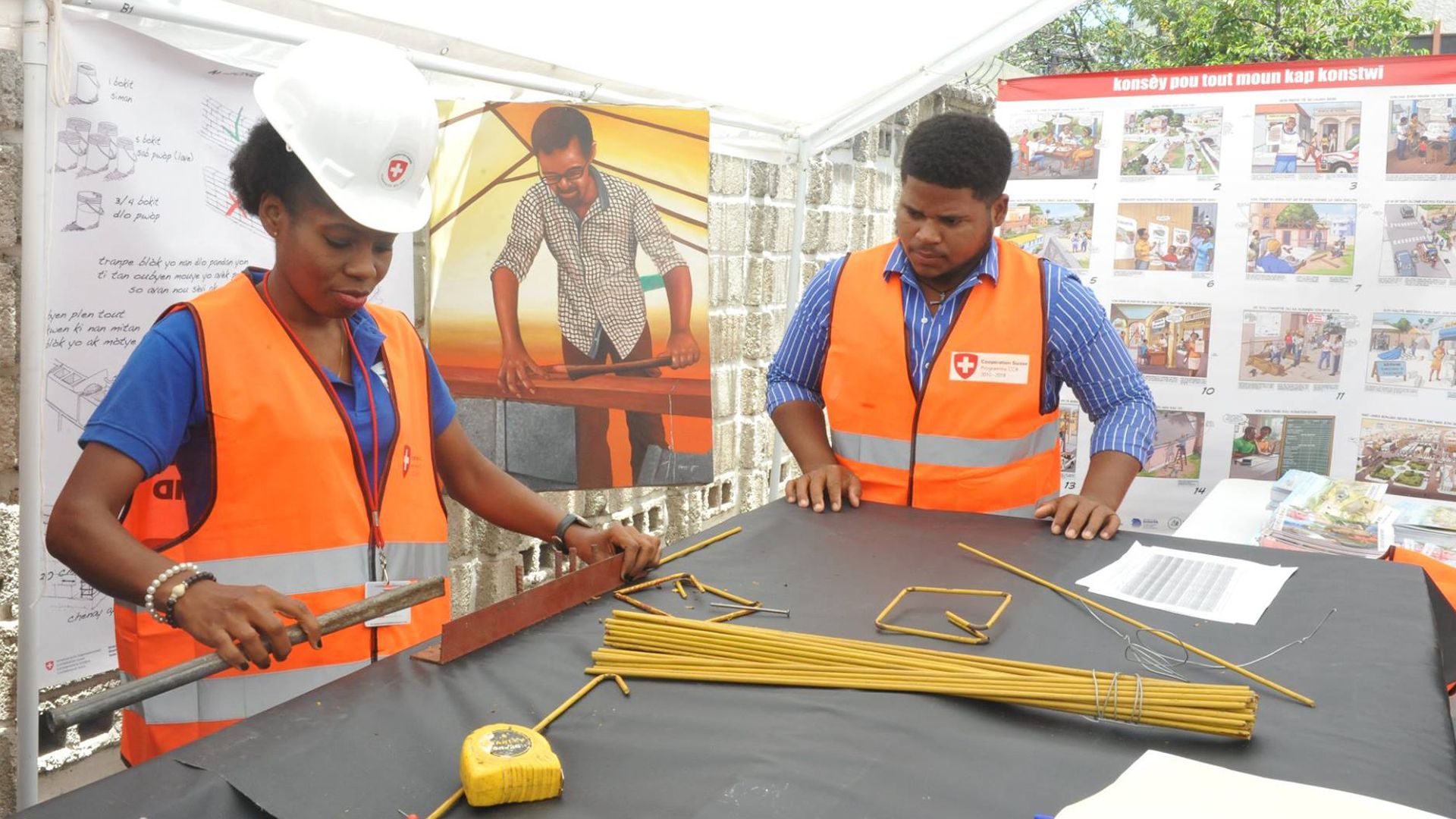
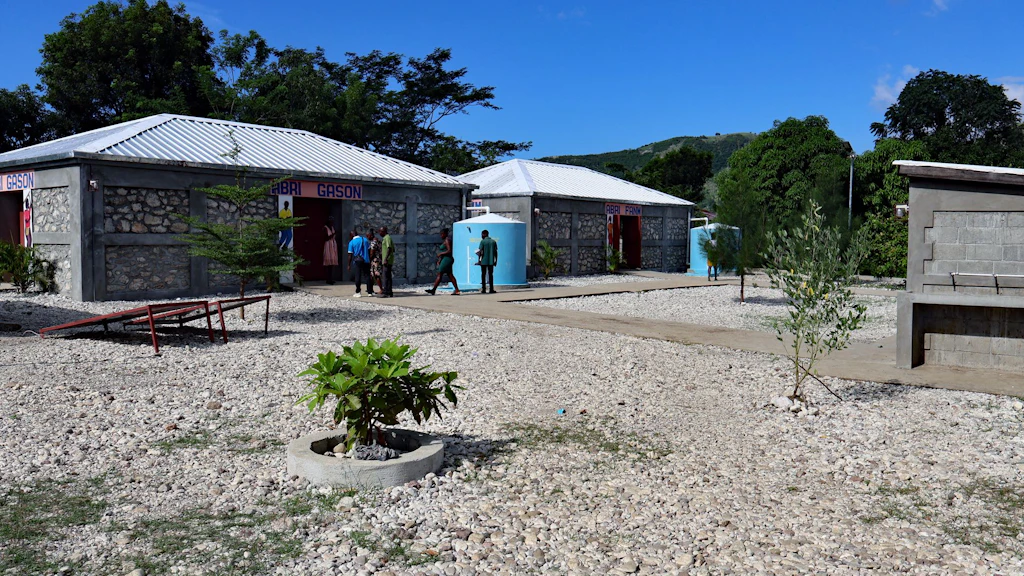
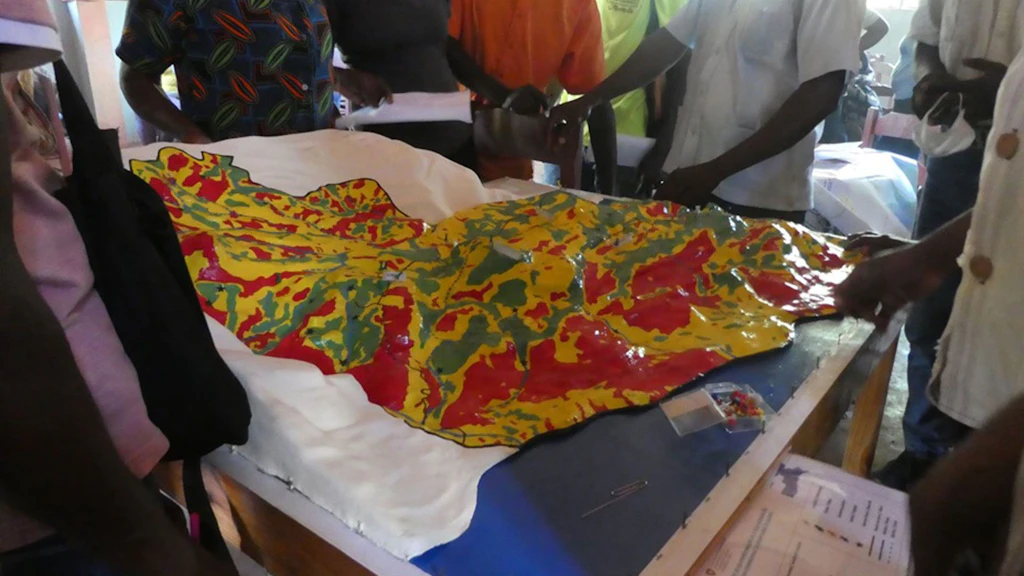
Switzerland is active in disaster prevention, reconstruction and rehabilitation in order to prevent natural disasters and their impact as effectively as possible, and to ensure that basic services, particular water and sanitation, are set up or re-established. The SDC focuses its activities in the south of Haiti, which is particularly exposed to natural hazards, and takes direct action to support local actors in managing the impact of such disasters.
Approach and main partners
Switzerland has a humanitarian office in Port-au-Prince and a project office in Port-Salut. Its activities are focused on the country's southern region and the Port-au-Prince conurbation. Swiss programmes prioritise the most vulnerable communities who are particularly exposed to crisis, violence and natural disasters. Switzerland is working with various partners using a combination of cooperation instruments – granting contributions and mandates to local and international partner organisations, seconding specialists to international organisations or integrating them into rapid response teams in the event of a disaster, as well as carrying out its own operations. It also works closely with the local authorities and affected communities, in particular to ensure the sustainability of its operations.
Switzerland's main partners in Haiti are:
- National partners: ministries, municipal and local authorities, social institutions, professional associations, the private sector and local NGOs;
- Swiss NGOs: Helvetas, Swiss Church Aid (HEKS) and Swiss Red Cross (SRC);
- Bilateral and multilateral partners: World Food Programme (WFP) and International Committee of the Red Cross (ICRC).
Contact
Eichenweg 5
3003 Bern