
Horn of Africa: Somalia, Kenya, Ethiopia
Switzerland addresses the themes of good governance, food security, health, migration and the protection of vulnerable communities with its Horn of Africa cooperation programme. The regional programme’s geographical focus is Somalia. In Ethiopia and Kenya, the programme covers the semi-arid regions bordering Somalia.
Context Horn of Africa: Somalia, Kenya, Ethiopia
The Horn of Africa has been embroiled in conflict for decades. Weak governance, poor public services and the growing impacts of climate change have stalled sustainable development in the region. And yet there is also great potential for positive change in the Horn of Africa thanks to a young, innovative population and an active global diaspora.
The Swiss Cooperation Programme Horn of Africa 2022-2025 builds on existing Swiss actions, such as support for public service delivery and the restoration of trust in state institutions. Switzerland also promotes regional integration through the Regional Economic Community, the Intergovernmental Authority on Development (IGAD), to combat the long-term causes of conflict and poverty. The regional programme’s geographical focus is Somalia.
Good governance
Switzerland cooperates with the Somali authorities and multilateral partners to support the efforts of the Somali state, its federal member states and administrative regions in establishing governance structures. It promotes the delivery of public services (water, health, markets, roads and education) at the local and district level, thereby restoring public confidence in local government institutions. Local development funds that are administered by village communities are recognised as a successful model for financial decentralisation.
Food security
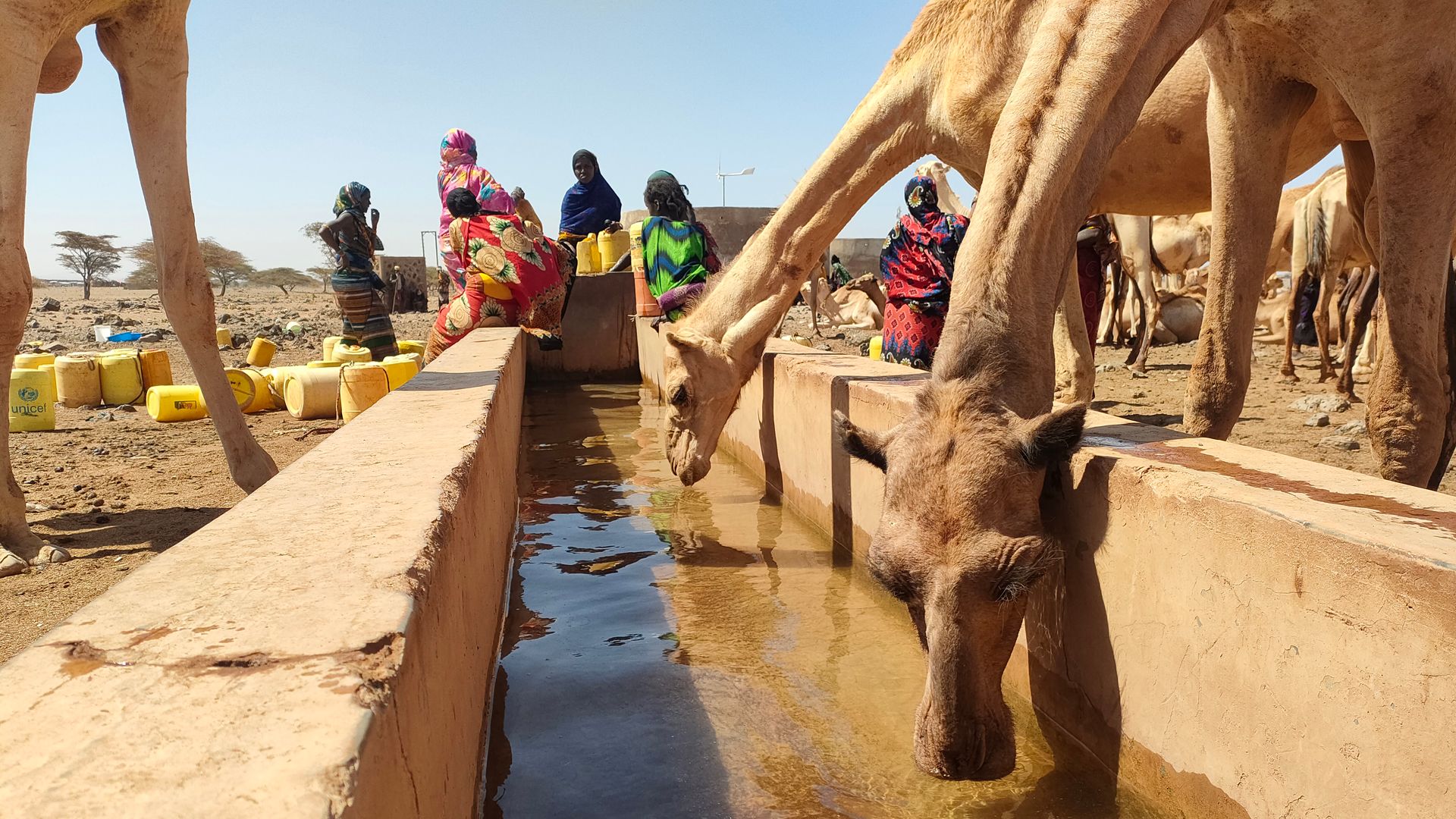
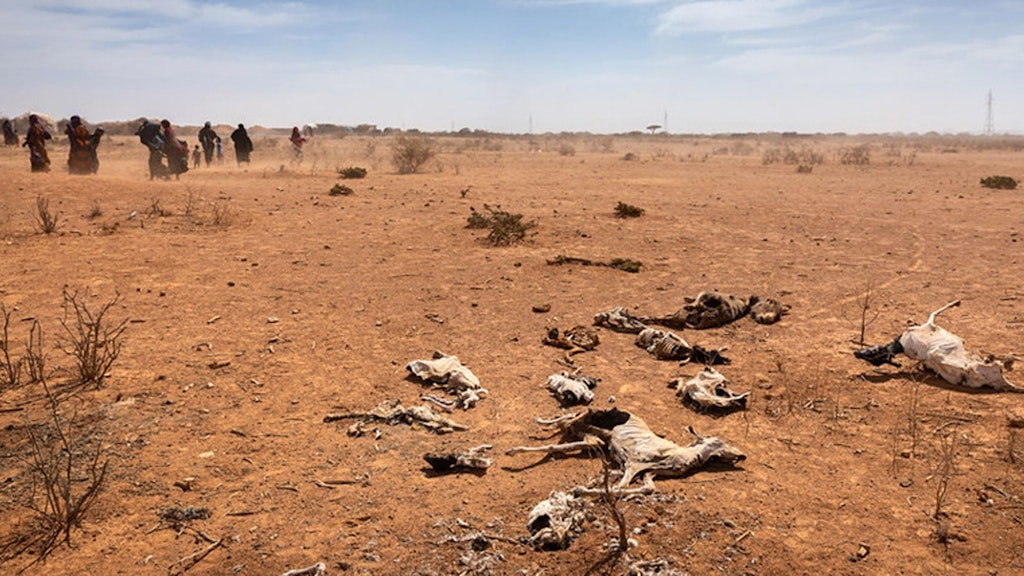
People living in the arid regions subsist on agriculture and livestock farming. They face recurring droughts and famines, which also affect their livestock. For Switzerland, its most significant contribution towards food security lies in strengthening the resilience of farming and pastoral communities. This not only results in more stable livelihoods but also helps to meet people’s basic needs in emergency situations. To this end, Switzerland is working to improve livestock productivity and agricultural yields through climate-friendly practices.
Health
Switzerland is contributing to building a sustainable healthcare system in Somalia, Ethiopia and Kenya that serves vulnerable communities. By supporting farming and pastoral communities it is facilitating their access to better human and veterinary health services. Switzerland also promotes healthcare service delivery with a focus on improving maternal and child health. Switzerland is committed to protecting the victims of gender-based violence.
Migration
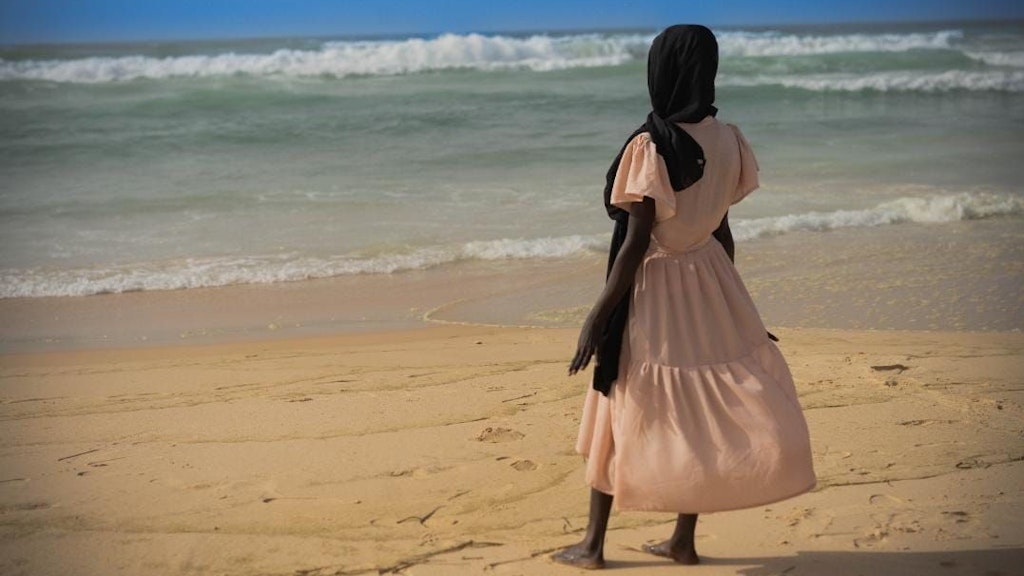
A large number of migrants transit through the Horn of Africa every year. These vulnerable groups need special protection. They include refugees, internally displaced persons, asylum seekers, victims of human trafficking and people seeking a better future for themselves and their families. Switzerland helps to protect and address the special needs of migrants and their host communities through programmes for capacity and awareness building, training for government officials, improvements in infrastructure and emergency assistance. The long-term goal is to empower these groups to become self-sufficient. Switzerland also supports government authorities in the Horn of Africa in finding long-term solutions to provide refugees and internally displaced people with prospects for the future.
Approach and main partners
Switzerland promotes gender mainstreaming. It also advocates for a system of accountability in allocating public funds. Switzerland pursues an integrated and holistic approach by combining instruments of humanitarian aid, development cooperation, migration and security with political and diplomatic measures. Switzerland works with various partners and provides support through funding or by deploying experts from the Swiss Humanitarian Aid Unit (SHA).
Switzerland’s main partners in the Horn of Africa are:
- Swiss non-governmental organisations (NGOs) and institutions;
- National and regional institutions;
- Ministries, provincial, district and local-level administrations, IGAD and local development funds;
- International and local NGOs and organisations;
- Multilateral partners: the International Committee of the Red Cross (ICRC), the World Food Programme (WFP), the United Nations High Commissioner for Refugees (UNHCR), the United Nations Office for the Coordination of Humanitarian Affairs (UNOCHA), the Food and Agriculture Organisation (FAO), the United Nations Development Programme (UNDP) and the World Health Organisation (WHO);
- Local private sector;
- Other donor countries.
Links
- Bilateral relations Switzerland-Somalia
- Bilateral relations Switzerland-Kenya
- Bilateral relations Switzerland-Ethiopia
- Project database
Documents
Swiss cooperation programme Horn of Africa 2022–2025
With its cooperation programme, Switzerland is focusing on good governance, food security, health, migration and the protection of vulnerable communities. Geographically, the regional programme focuses on the Somali context. It covers the semi-arid areas of Ethiopia and Kenya that border Somalia. Emergency aid is provided throughout the region as needed.
Information sheet Swiss cooperation programme Horn of Africa 2022-2025
Contact
Eichenweg 5
3003 Bern