
Mali
Switzerland is combining humanitarian aid, development and peace promotion to support the people of Mali in a complex crisis. It is working with local actors and leveraging sustainable partnerships in order to strengthen governance, improve civilian protection, boost the local economy and create opportunities for communities.
Context Mali
For more than a decade, Mali has been in the grip of a multifaceted crisis characterised by persistent insecurity, a protracted political transition, strong social and economic pressures and severe strain on its natural resources. The coups d'état of 2020 and 2021 have weakened institutions and restricted civic space, while the high cost of living, population displacement and the effects of climate change are making households more vulnerable. Despite this difficult context, local authorities, civil society and community organisations continue to play a key role in providing essential services, ensuring social cohesion and preventing conflict.
Governance and protection
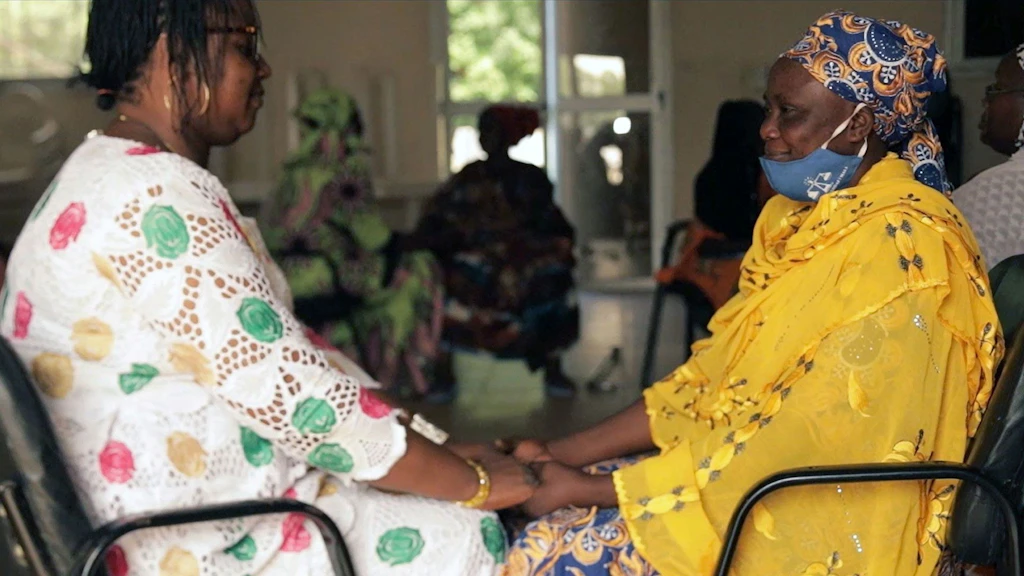
Switzerland's support for local stakeholders strengthens local governance and protection for civilians by promoting participatory planning, citizen accountability and the joint management of natural resources. Promoting community mediation mechanisms, local development committees and land tenure agreements helps prevent conflict and strengthens social cohesion. Switzerland also supports the protection of vulnerable populations, in particular displaced persons and victims of gender-based violence, as well as equitable access to essential services. Despite the restricted civic space available, dialogue and civic expression are promoted through support for civil society and the media.
Resilience and economic opportunities
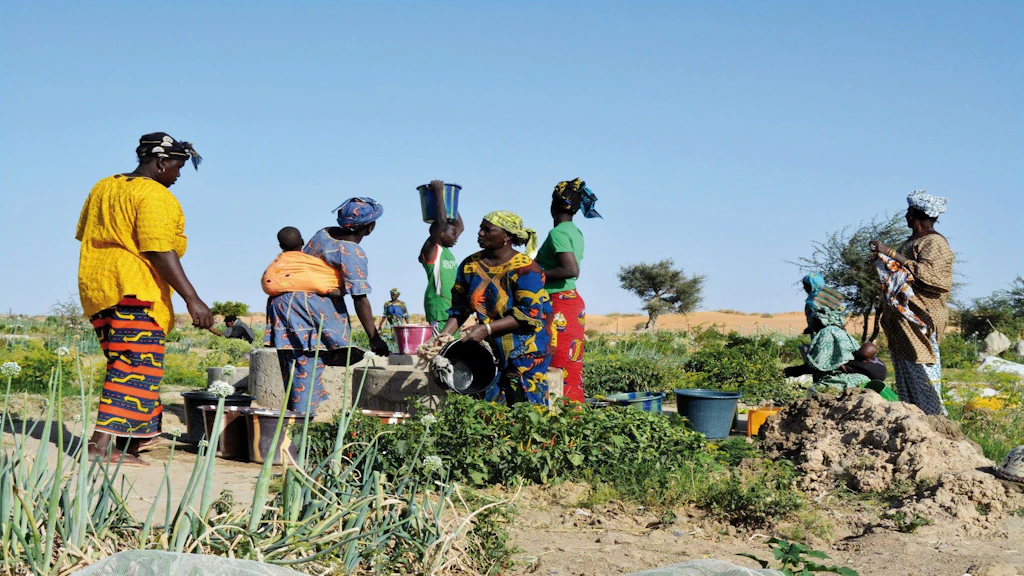
Switzerland helps to improve livelihoods through agricultural diversification and more inclusive access to finance. It also supports local communities in the sustainable management of natural resources and adaptation to climate change. Professional integration is reinforced through market-oriented training and private-sector partnerships. Young people and women are at the heart of these initiatives, helping to increase incomes, economic opportunities and economic autonomy.
Transversal themes
Gender equality, social inclusion, adaptation to climate change and digitalisation are integrated into all projects in order to strengthen citizen participation, transparency and the sustainability of outcomes.
Approach and main partners
Switzerland is implementing its programme in Mali with a combination of humanitarian aid, development and peace promotion. This approach makes it possible to respond to emergencies while also addressing issues that make the population more vulnerable. This is done through flexible, responsive interventions that take account of changes in the political, economic and security environment.
In order to strengthen local ownership and the sustainability of interventions, Swiss cooperation works in close partnership with local authorities, civil society organisations, cultural and economic players, the private sector and the diaspora. It also works with recognised regional and international organisations. Interventions are concentrated mainly in the regions of Mopti, Sikasso and Timbuktu, as well as in the new regions created by the administrative reorganisation.

Contact
Eichenweg 5
3003 Bern