
The South Caucasus region: Armenia, Azerbaijan and Georgia
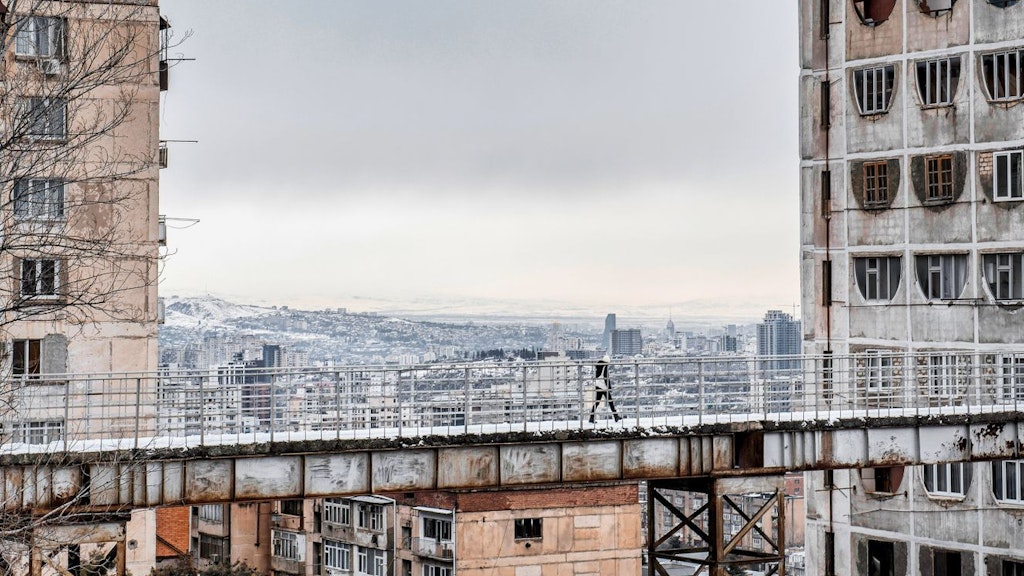
Unresolved conflicts, fragile democracies, climate risks and natural hazards are jeopardising security and development in the South Caucasus region. Switzerland's 2026–29 Cooperation Programme focuses on promoting human security and democratic governance, building resilience to the effects of climate change, the sustainable use of natural resources and inclusive and sustainable economic development.
Background to Swiss activities in the South Caucasus region
Switzerland's international cooperation activities in the South Caucasus region date back to the aid provided after the devastating earthquake that struck Armenia in 1988. Switzerland has been recognised as a trusted partner in the region ever since,a reputation reinforced by its protecting power mandates for Georgia and Russia as well as its cooperation with Azerbaijan within the Bretton Woods institutions and Global Environment Facility (GEF) voting groups. Switzerland's regional approach in Armenia and Georgia promotes human security and democratic governance, resilience-building to the effects of climate change and disaster risk reduction. It also supports sustainable social and economic development in rural regions. In Azerbaijan, Switzerland focuses on specific regional projects and improving the general climate for economic and financial policy.
Human security and democratic governance
Switzerland is endeavouring to ensure that the population – especially women and young people – have access to relevant information, can voice their opinions and can participate in public decision-making processes. At local level, it is helping to strengthen democratic institutions and increase dialogue between them and civil society and the private sector to encourage the development of more inclusive services and to improve trust in the authorities. Swiss support for Armenia's territorial reform process means 1.6 million people in 71 municipalities are already benefiting from improved state services. 300,000 citizens are now participating in public decision-making processes. Switzerland also engages in conflict transformation activities, promotes dialogue in the region and supports the integration and social participation of ethnic and religious minorities.
Climate resilience and sustainable use of resources
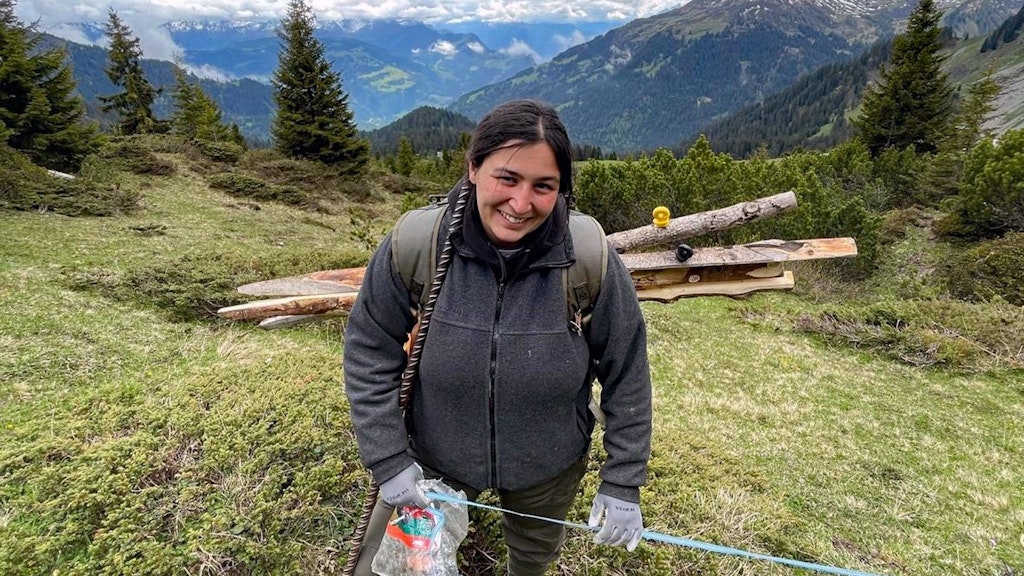
The South Caucasus mountain region faces growing exposure to risks related to natural disasters and the effects of climate change. Switzerland is assisting municipalities, public authorities and the private sector with their efforts to adapt to and prepare for such risks and promotes solutions to protect people and ecosystems. It is working to improve the capabilities of national and local institutions in terms of climate information, disaster risk reduction and resource management. The development of a national early-warning system means 11 municipalities in Georgia now have emergency response plans in place thanks to Swiss support, while 45 municipalities at high risk now benefit from community disaster risk management measures. By transferring its expertise and innovation capabilities and exchanging knowledge at local and regional level, Switzerland aims to reduce vulnerability to climate-related risks and improve the sustainable management of ecosystems.
Inclusive and sustainable economic development
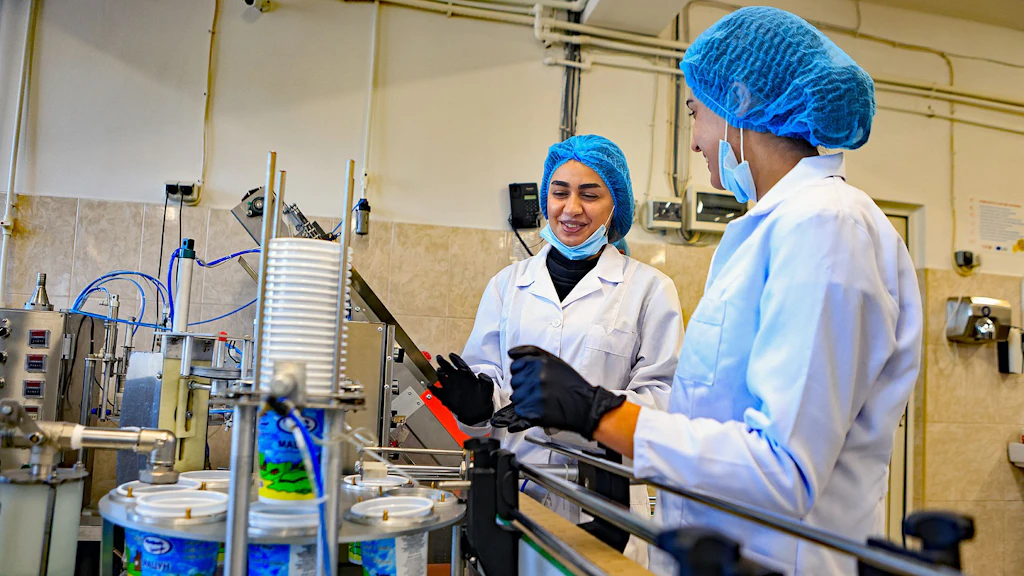
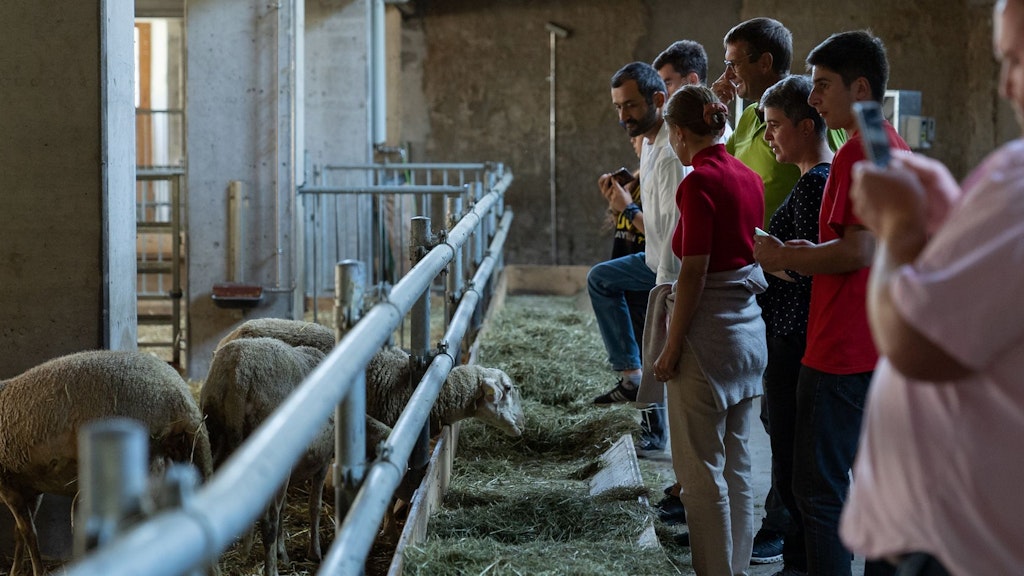
Switzerland is contributing its expertise in specific areas to foster inclusive and sustainable economic development in the South Caucasus region. It is focusing on developing market-relevant skills, improving SMEs' access to services, capital and innovation and strengthening the economic environment. The aim is to improve the employment prospects of people completing vocational training programmes and to create new, sustainable income opportunities. As part of the reform of Georgia's vocational training system, for which Switzerland provided support, a dual-track training system was launched in the agricultural sector, creating links between schools and farming enterprises. Over 35,000 people have now benefited from this scheme, 45% of whom are women. Switzerland is also assisting national authorities and central banks to improve the general economic and financial environment.
Approach and key partners
The 2026–29 Cooperation Programme for the South Caucasus region builds on many years of experience: the key success factors for achieving sustainable results are the use of specific Swiss knowledge to support national reforms and the active participation of the local population, civil society and private sector in the process. Governance, gender equality, social inclusion, digitalisation and climate resilience are incorporated into all activities across the board.
The activities are implemented by the Swiss Agency for Development and Cooperation (SDC), the Peace and Human Rights Division (PHRD) of the Federal Department of Foreign Affairs (FDFA) and the State Secretariat for Economic Affairs (SECO). Close cooperation also takes place with the State Secretariat for Migration and the Federal Office for the Environment.
Switzerland's main partners in the South Caucasus region are:
- Bilateral development partners
- Multilateral organisations
- Multilateral organisations
- Multilateral organisations
- The private sector
Links
- Bilateral relations Switzerland-Armenia
- Bilateral relations Switzerland-Georgia
- Switzerland's dual-track training system is being introduced in Georgia's agricultural sector
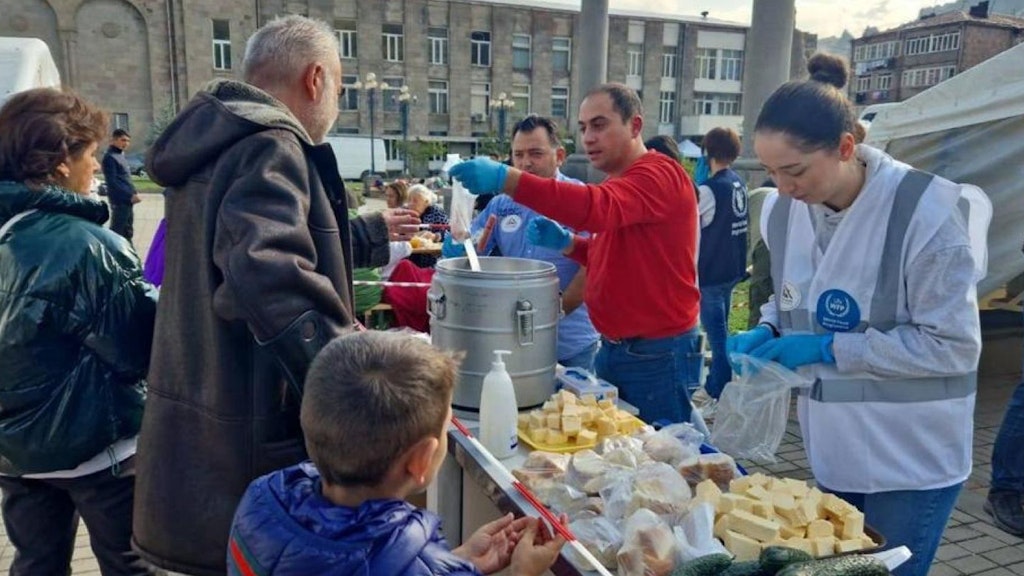
- Armenia: The SDC and the World Food Programme support refugees
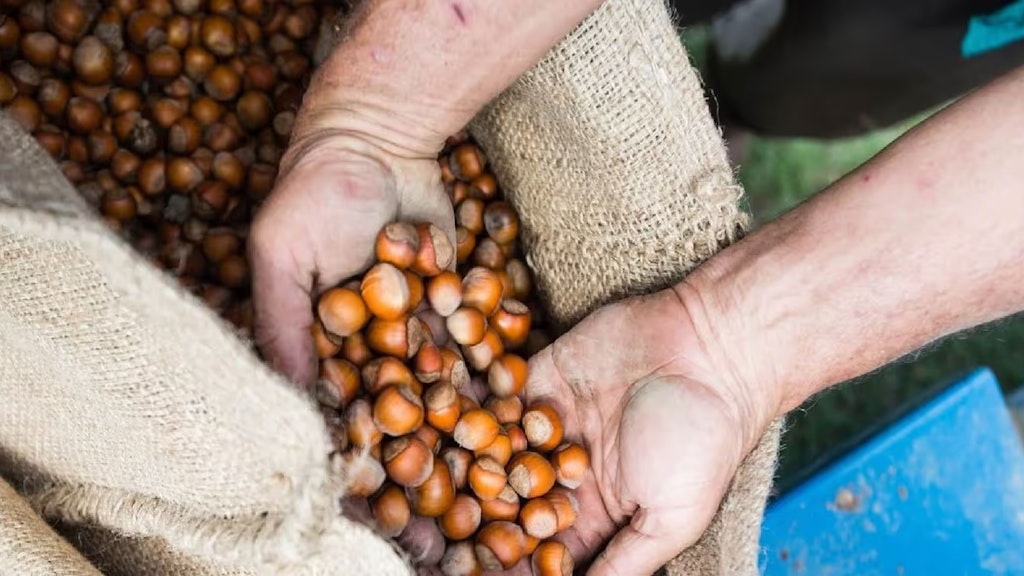
- How Switzerland is helping Georgian farming families to increase exports of organic hazelnuts
- Offsets for mitigating climate change: opportunity or myth?
Documents

Contact
Eichenweg 5
3003 Bern