
South Sudan
Switzerland supports South Sudan in addressing humanitarian needs, strengthening food security and livelihoods, and promoting protection and social cohesion in a context marked by conflict, displacement and climate-related shocks. Through an integrated approach combining humanitarian aid, development cooperation and peace promotion, Switzerland contributes to building resilience and fostering sustainable solutions.
Context South Sudan
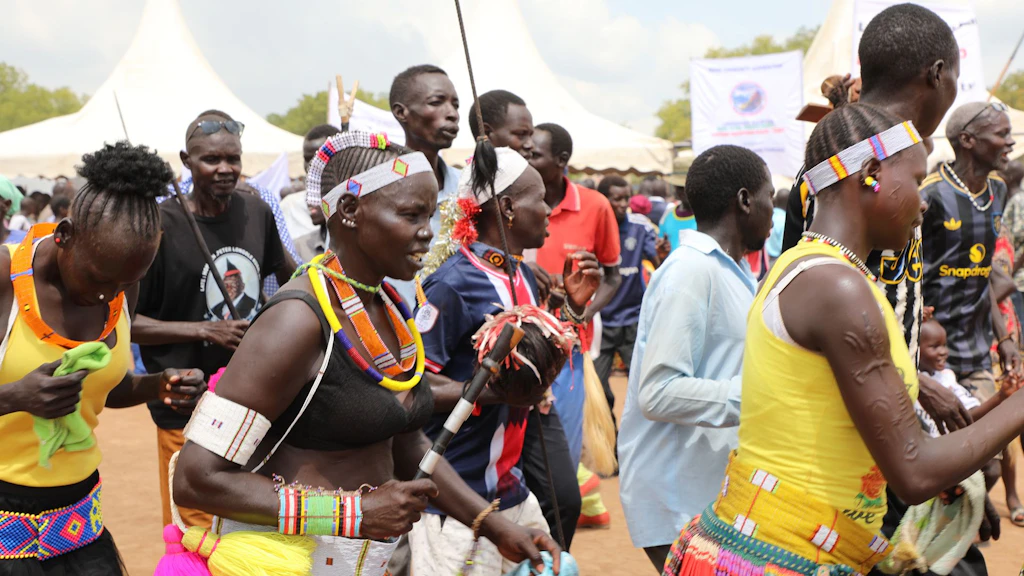
After decades of conflict and political instability, South Sudan continues to face severe humanitarian, economic and security challenges. Since gaining independence in 2011, the country has struggled with recurring violence, weak institutions and limited access to essential services. The conflict in neighbouring Sudan since 2023 has further aggravated the situation through displacement, economic disruption and increased humanitarian needs. Climate-related shocks such as floods and droughts continue to undermine livelihoods and food security.
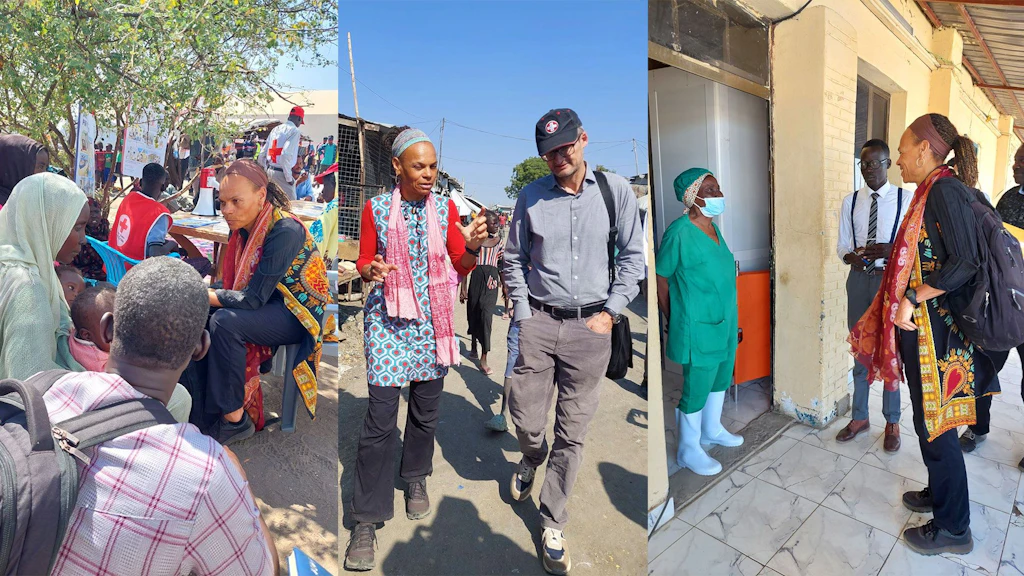
Switzerland has been present in South Sudan since 2006 and maintains a Swiss Cooperation Office in Juba. Through its Cooperation Programme 2026–2029, Switzerland combines humanitarian aid, development cooperation and peace promotion to strengthen resilience, protection and sustainable livelihoods.
Food security and sustainable livelihoods
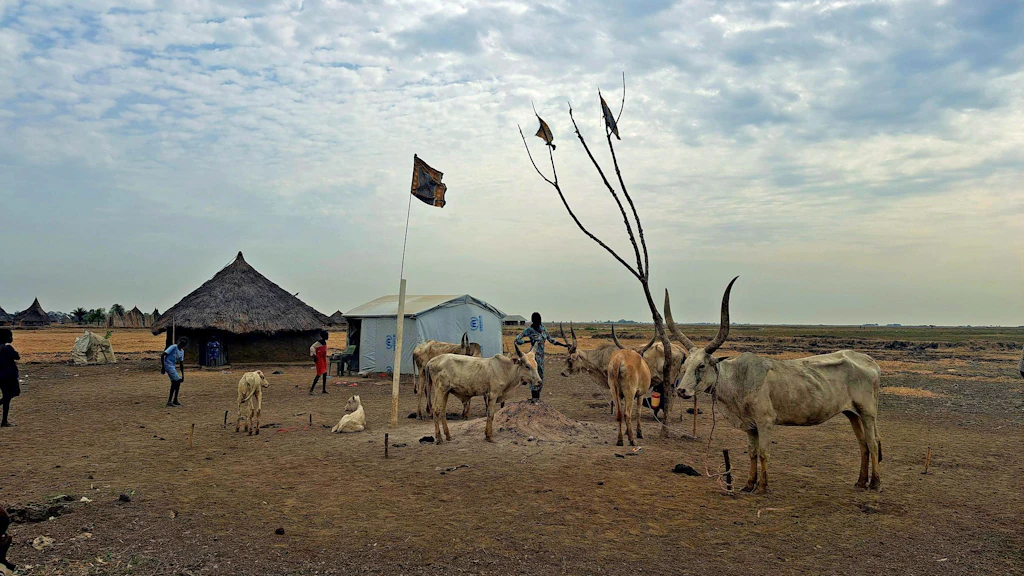
South Sudan faces one of the highest levels of food insecurity worldwide. Switzerland supports emergency food assistance while simultaneously promoting long-term livelihood opportunities. Activities include agricultural training, support to farmers’ cooperatives, livestock production and small businesses development. Particular attention is given to youth and women entrepreneurs through financial and digital literacy initiatives as well as improved access to microfinance. Swiss-supported programmes also integrate climate adaptation measures such as afforestation, natural resource management and early warning systems. By linking humanitarian assistance with development-oriented interventions, Switzerland contributes to strengthening resilience and reducing dependency on aid.
Protection and social cohesion
Years of conflict, displacement and weak governance structures have increased protection risks for civilians, especially women, children and displaced populations. Switzerland supports community-based protection initiatives and promotes social cohesion through dialogue, mediation and local peacebuilding mechanisms.
Swiss-supported programmes address sexual and gender-based violence, child protection and psychosocial support for survivors. Switzerland also works with local peace committees and community structures to improve access to justice and facilitate peaceful conflict resolution related to land, cattle or natural resources.
Through awareness-raising and institutional support, Switzerland contributes to strengthening protective environments and fostering peaceful coexistence within communities.
Across all its interventions, Switzerland promotes good governance, gender equality and youth empowerment while integrating climate adaptation and conflict-sensitive approaches into its programmes.
Approach and key partners
Switzerland applies an integrated approach combining humanitarian aid, development cooperation and peace promotion to address immediate needs as well as the root causes of fragility and conflict in South Sudan. Conflict-sensitive programme management and the “do no harm” principle guide all Swiss-supported interventions. Depending on local dynamics and needs, area-based approaches are also used to strengthen coordination and maximise impact.
Switzerland works closely with international and multilateral partners while reinforcing cooperation with local actors and community-based organisations. The programme is implemented in coordination with Swiss foreign policy priorities and in collaboration with other federal actors where relevant.
Key partners include United Nations agencies, the International Committee of the Red Cross (ICRC), Swiss and international NGOs, local civil society organisations, women- and youth-led organisations as well as local authorities and community structures.
Contact
Eichenweg 5
3003 Bern