
Tanzania
Through the Cooperation Programme 2026–2029, Switzerland supports Tanzania’s efforts towards inclusive and sustainable development. The programme places particular emphasis on vulnerable groups, gender equality, climate resilience and locally led partnerships across Mainland Tanzania and Zanzibar.
Context
Tanzania has achieved sustained economic growth and reached lower-middle-income status in 2020. However, poverty and inequality remain widespread, and the benefits of growth are not shared equally. Rapid urbanisation, a growing young population, and an economy still dependent on agriculture are driving increased demand for employment opportunities, health services and infrastructure development. Climate-related floods and droughts are adding pressure, especially on vulnerable communities. The Cooperation Programme 2026–2029 supports Tanzania’s ambition for inclusive, climate-resilient and sustainable development, while encouraging stronger domestic financing and effective institutions.
Stronger systems and institutions
Switzerland supports the development of stronger systems and institutions as a basis for inclusive development. In the health sector, it builds on its long-standing engagement by promoting scientific exchange and research to improve health services, particularly for vulnerable populations. The programme also explores opportunities to apply Swiss expertise in new areas of cooperation. Beyond health, Switzerland helps to improve public financial management to increase domestic financing through training, technical support and mentoring. It also strengthens the technical and procedural capacities of anti-corruption agencies and invests in digital data systems and policymaking based on reliable data and research.
Improve livelihoods and civic space
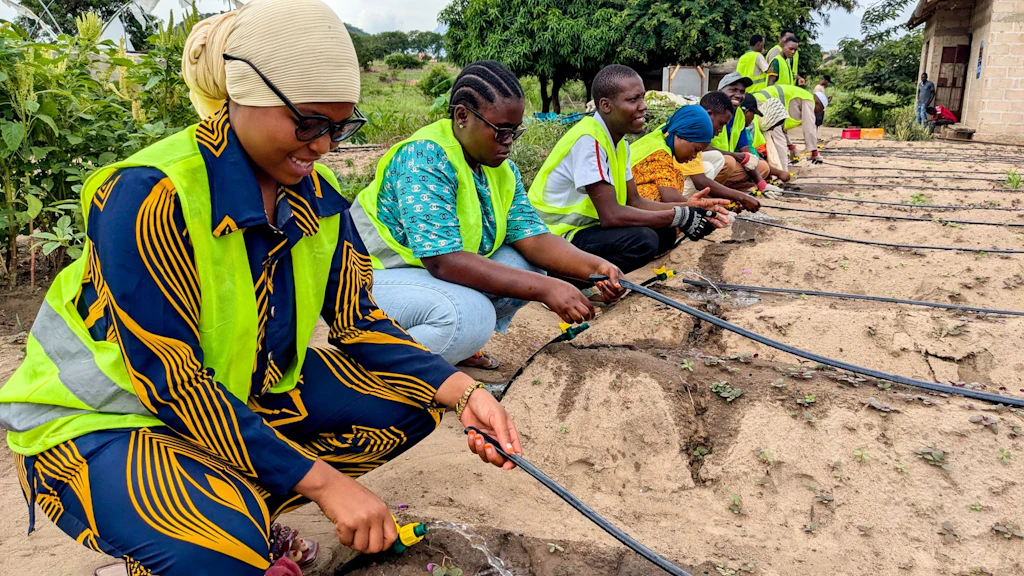
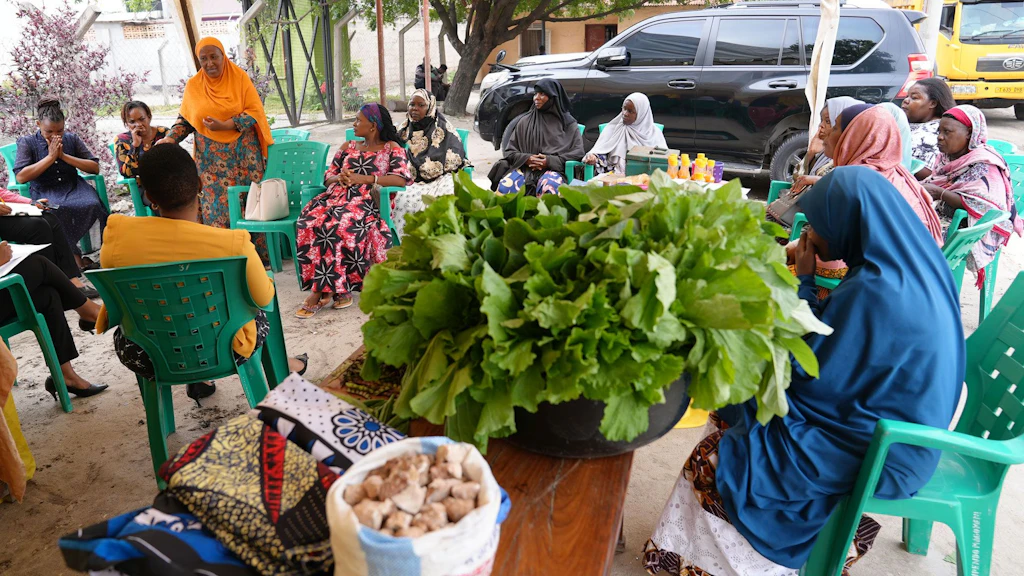
Switzerland promotes inclusive and sustainable development by putting citizens, particularly vulnerable groups, at the centre of its engagement. It supports economic inclusion by strengthening social protection systems, promoting inclusive market development and investing in vocational skills and youth empowerment. The programme also fosters a more enabling business environment and supports social enterprises through innovative financing, networking opportunities and catalytic capital. In parallel, Switzerland promotes an enabling civic space where citizens have access to reliable information and can participate in informed and inclusive decision-making. Particular attention is given to women, young people and marginalised communities. Support for civil society, local arts and cultural initiatives further contributes to participation, social cohesion and a more inclusive society.
Across all its interventions, Switzerland promotes human rights, gender equality, and climate resilience, strengthening institutions that foster social cohesion, build trust between citizens and the state, and enhance long-term resilience.
Approach and key partners
Switzerland implements its cooperation programme in Mainland Tanzania and Zanzibar through a flexible, locally anchored and results-oriented approach. It adapts its support to changing national priorities. The programme brings together public institutions, civil society, media, community-based organisations and private sector actors. Tanzanian authorities remain central to policy dialogue and implementation, while cooperation with local organisations is strengthened to promote locally led solutions. Switzerland also broadens its cooperation with private sector actors to foster innovation and sustainable economic transformation. Partnerships are chosen according to their expertise, relevance and potential contribution to lasting results.



Contact
Eichenweg 5
3003 Bern