
Global approach
Climate change, wars, food crises, water problems and population displacement affect the development prospects of the poorest countries and regions. Through its thematic approach, the SDC carries out coordinated action at various levels: global, national, regional and local.
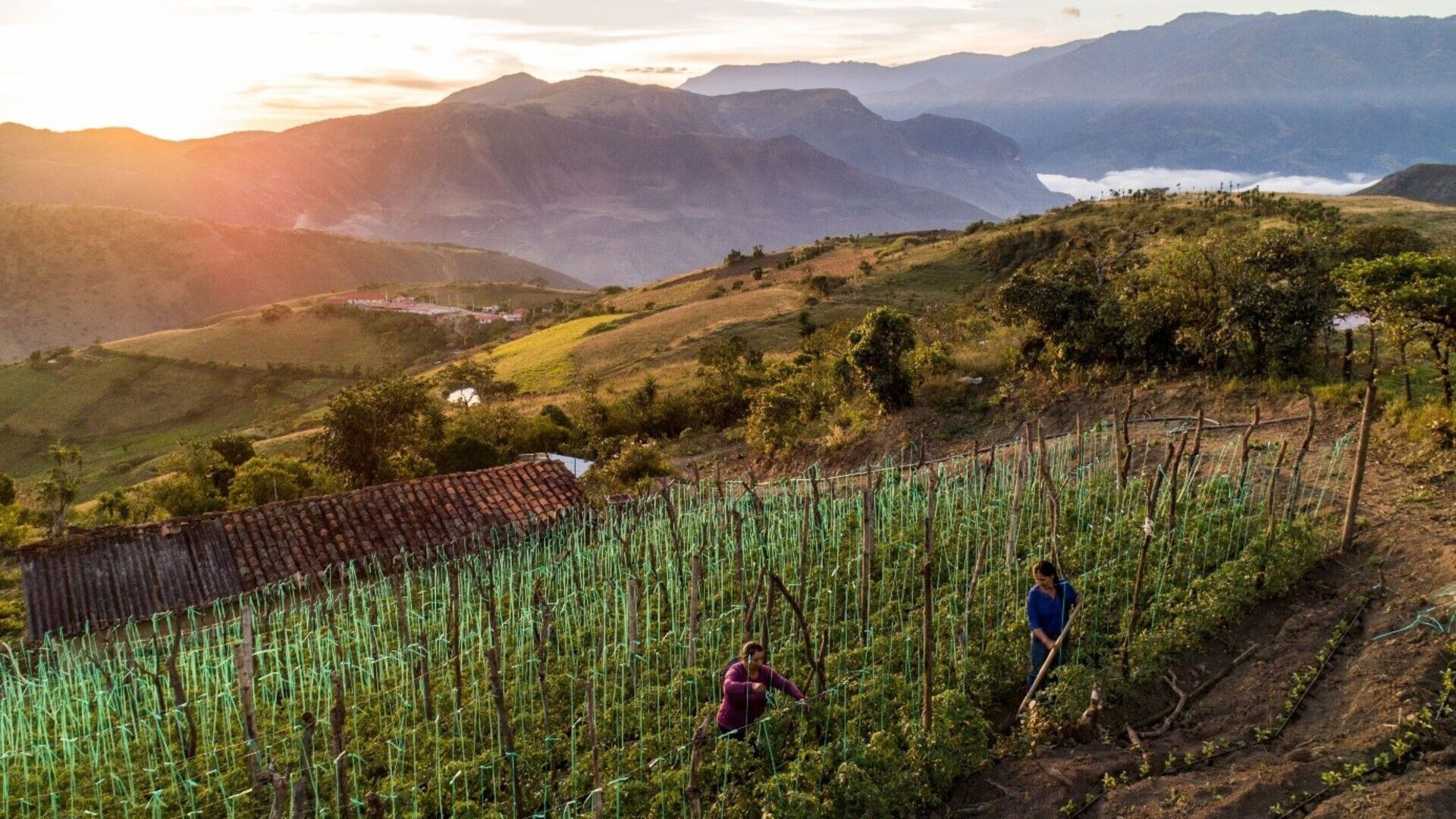
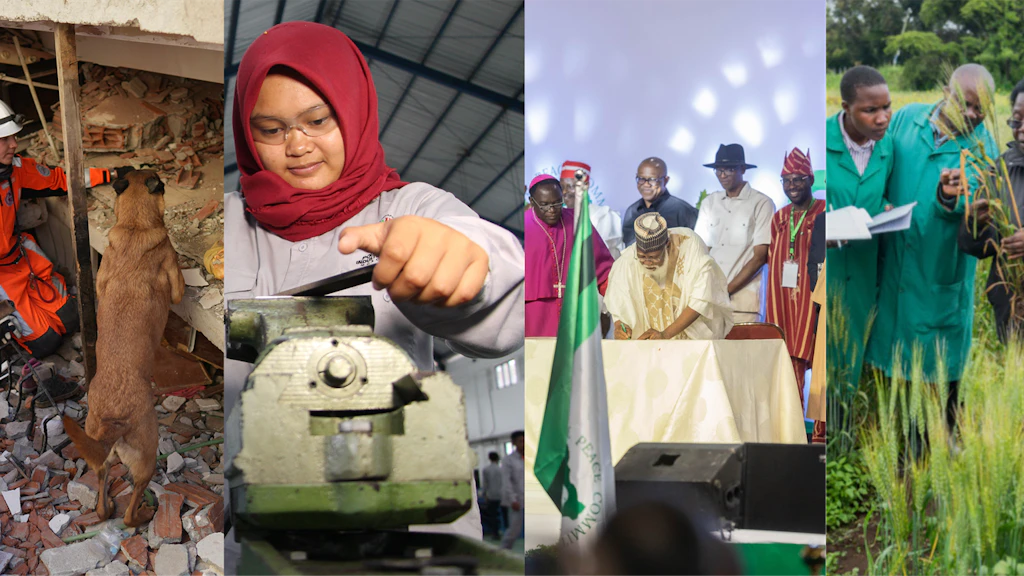
The SDC takes action through global programmes that tackle various themes in an innovative way based on the scaling-up approach. Its global programmes in the fields of migration and forced displacement, health and food, water, climate, the environment and disaster risk reduction extend beyond its priority countries. It also supports actions and thematic expertise in other areas, such as the economy and education, peace, governance and gender equality. In doing so, it works together with other actors from the Federal Administration and external partners.
The SDC’s thematic work is based on four principles of action that enable it to have the greatest possible impact:
- The SDC develops and finances strategic programmes and partnerships based on network expertise and specific experience in the field. For example, its Climate, Disaster Risk Reduction and Environment programme supports initiatives such as the ‘Energising Development‘ partnership, which improves access to electricity and heating for disadvantaged families, thus reducing deforestation and air pollution.
- It actively contributes to evidence-based policy dialogue and the development of universal standards to influence international organisations and ensure the coherence of sectoral policies. Women and girls are often disproportionately affected by climate crises, armed conflicts and human rights violations. In partnership with the Global Network of Women Peacebuilders, the SDC supports the activities of local women’s rights and peace organisations around the world and ensures that their concerns are integrated into international political dialogue, for example in United Nations (UN) Security Council resolutions.
- It also supports the Federal Administration and external networks by offering thematic advice and sectoral policy support. By advising colleagues in the field and getting involved at an early stage in programme development, the SDC’s thematic work contributes to sustainable, high-quality programmes on the ground and creates coherence.
- It emphasises knowledge management and continuous learning to improve the effectiveness of Swiss international cooperation and ensure a multiplier effect. Thematic specialists disseminate their knowledge and best practices and thus develop their knowledge within networks, connecting political, administrative, private sector, research and civil society actors in Switzerland and in the regions. For example, the thematic areas water, economy and education have collaborated to create innovative financing interventions that support social entrepreneurs in the water sector in low-income countries.
Links
Switzerland’s international cooperation strategy 2025-2028
The general aim of international cooperation is to end poverty and support sustainable development worldwide.

Themes
Switzerland responds to global challenges through international programmes and dialogue, using a thematic and targeted approach.
Contact
Eichenweg 5
3003 Bern