
Mental health: a cornerstone of lasting peace
World Mental Health Day, marked annually on 10 October, underscores the importance of mental health for the well-being of society as a whole. Crises and conflicts can cause trauma that impacts long-term stability and peace. In Burundi, Switzerland is supporting a project to integrate mental health into primary healthcare, thus fostering social cohesion and peacebuilding.
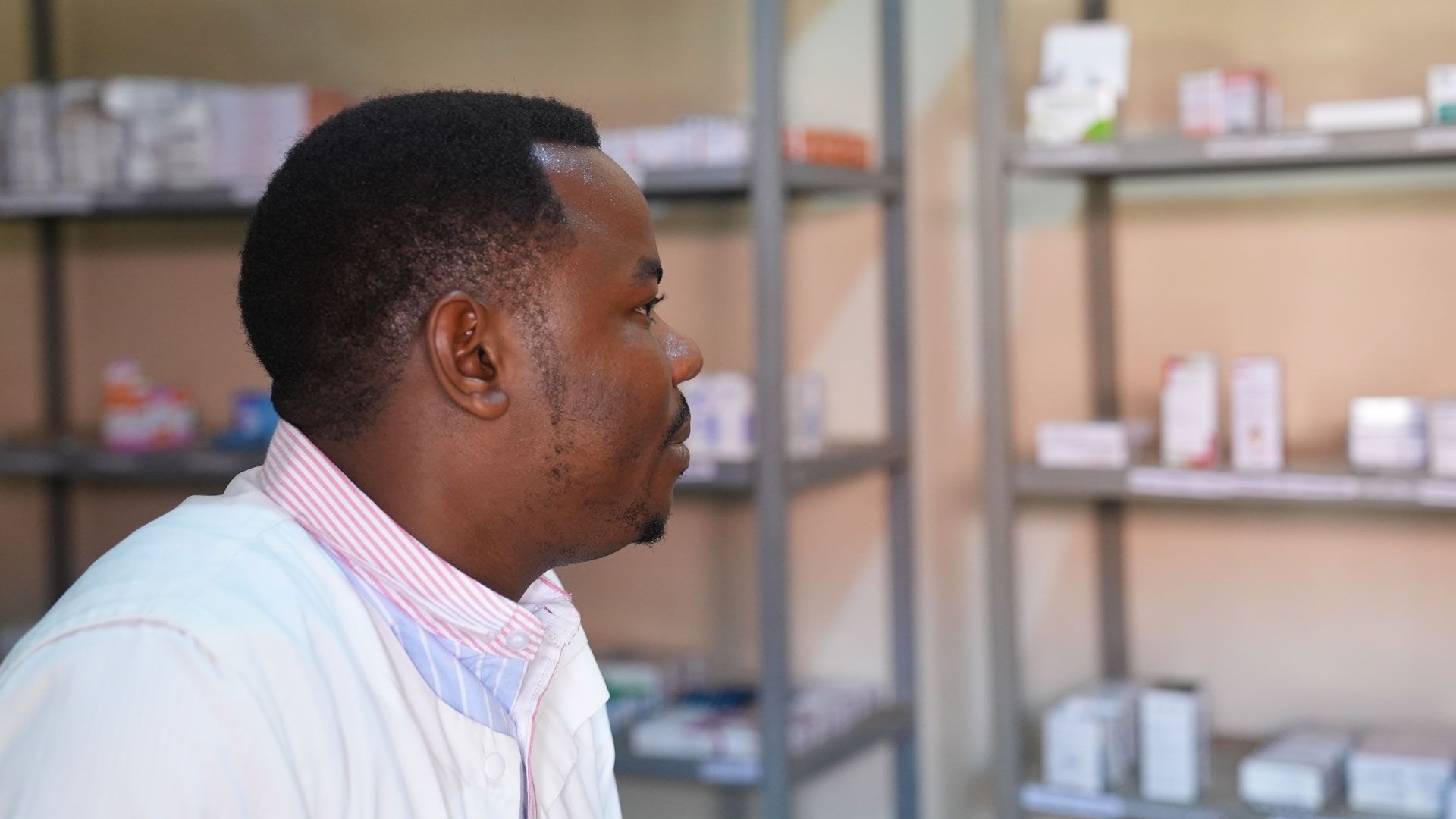
Burundi is a small landlocked country nestled between Rwanda, Tanzania and the Democratic Republic of the Congo (DRC). Situated at the heart of the African Great Lakes region, it shares a common history with its neighbours, Rwanda and the DRC. With its hilly and mountainous landscapes, Burundi offers a spectacle of lush green vegetation. Burundi's population depends almost exclusively on agriculture, yet poverty remains widespread. In 2022, the country ranked 187th out of 193 in terms of the Human Development Index (HDI). Past conflicts have left deep scars on the mental health of the population, and health services are ill-equipped to address these issues.
Since 2019, Switzerland has been supporting a project to integrate mental health into primary healthcare. A baseline survey in the four provinces covered by the project revealed that over 70% of the population suffered from psychological trauma, largely due to the various crises the country has experienced. Specific groups, including women, young people and members of the defence and security forces, are especially affected.
Healing trauma for lasting peace
Unresolved or partially addressed trauma is one of the factors behind the resurgence of violence in Burundi. This has had significant socio-economic repercussions, with lasting impacts on both individuals and society at large. Such trauma can provoke violent behaviour and spark new conflicts. It is crucial that individuals suffering from post-traumatic mental illnesses receive appropriate care, support and treatment from professionals in facilities tailored to their needs.
Strengthening mental healthcare is a key Swiss contribution to social cohesion and peacebuilding in Burundi.
Integrating mental health into primary healthcare
The Swiss-supported project aims to bolster both the demand for and provision of mental healthcare within existing healthcare structures. This integration facilitates the detection and treatment of mental illnesses in patients' immediate environment, thus shielding individuals from the stigma often linked to these conditions. It also facilitates a holistic approach to patient care.
Drawing on mental health expertise gained in other contexts, such as neighbouring Rwanda and Eastern Europe, and its understanding of mental health stakeholders and psychosocial support through its regional programme in the Great Lakes region, Switzerland has established itself as a key player in this field.
Breaking the taboos surrounding mental illness
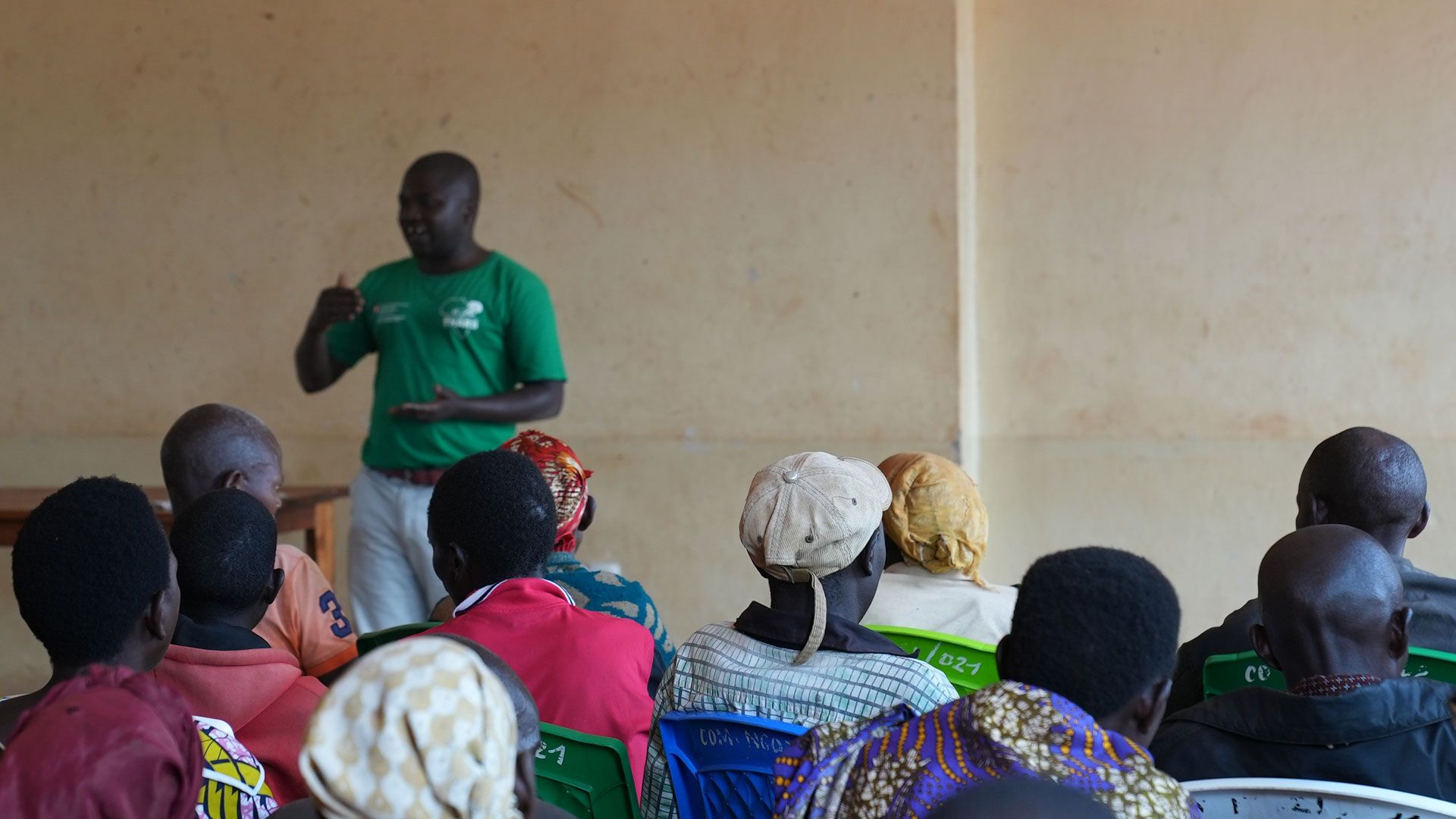
This project places a strong emphasis on awareness-raising and prevention. As a partner, the NGO THARS (Trauma Healing and Reconciliation Services) is doing remarkable work with communities, raising awareness and informing them about mental illness. This awareness-raising work helps to identify and treat those affected within communities, encouraging them to consult specialist health staff when necessary.
For example, thanks to Swiss support for the Neuropsychiatric Centre in Ngozi, a province in the north of Burundi on the border with Rwanda, THARS psychologists regularly organise discussions with the communities of Colline Mubuga – in Burundi, ‹colline› (hill) is roughly equivalent to a village – to discuss mental health. These discussions not only help to demystify mental illnesses but also encourage local people to ask questions.
Mental illnesses are still widely stigmatised and poorly understood, which discourages those affected from seeking help. «Thanks to awareness-raising and prevention efforts at community level, consultations have increased,» explains a healthcare worker at the Ngozi Neuropsychiatric Centre, which treats people suffering from a range of conditions including epileptic seizures, psychosis, depression, bipolar disorder, post-traumatic stress disorder and drug addiction.
One of the key objectives of this initiative is to break the taboos surrounding mental illnesses and combat their stigmatisation by increasing awareness and acceptance within communities. As a local NGO specialising in the management of psychological trauma, THARS stands out for its in-depth knowledge of the context, Burundian society and its history. This expertise enables it to strengthen the capacities of the various stakeholders, facilitating the process of reconciliation and conflict transformation.
Training to improve care
Burundi lacks qualified mental health and psychosocial support staff. There are very few psychiatrists and professionals trained in mental health, which limits the ability to provide adequate care. A priority of the Swiss-supported project is to enhance the skills of healthcare personnel in managing mental illnesses by providing continuous education and on-the-job training in mental health for doctors and nurses.
For example, the Ngozi Neuropsychiatric Centre has 17 healthcare workers, including general practitioners and nurses trained in psychiatry. The centre benefits from capacity-building support and equipment provision. This better prepares it to meet the needs of the population. To promote access to healthcare, the most disadvantaged people receive an insurance card. This card enables them to obtain significant discounts, particularly for medication, which is expensive and difficult to obtain.
When song and music heal the soul
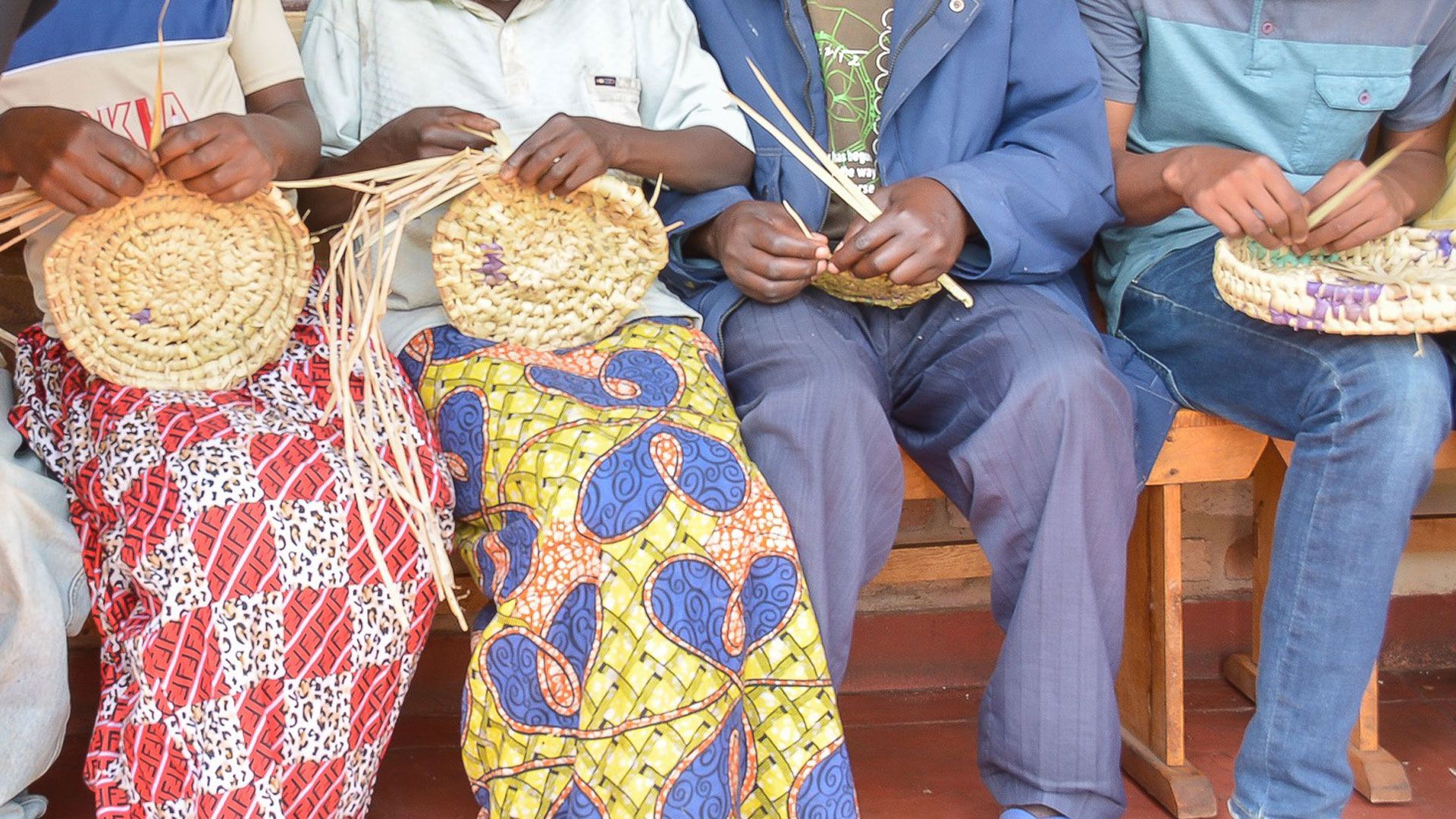
At the Ngozi Neuropsychiatric Centre, as at the other two neuropsychiatric centres in the country, music therapy – the use of song and music – is employed to treat psychological trauma. These methods bring emotional benefits to patients, helping them to restore, maintain and improve their mental, physical and emotional health. Alongside this, manual activities such as knitting or basket-making – a form of occupational therapy – help patients rediscover purpose in their lives, feel useful and regain their self-confidence.
Mental health takes centre stage in Bujumbura
Mental health will be the focus of a conference to be held on 29 and 30 October 2024 in Bujumbura. It will bring together scientists, recovered former patients, representatives of civil society organisations active in psychosocial support and mental health, as well as beneficiaries' organisations and representatives of state and health structures. Organised by the Ministry of Public Health and the Fight against AIDS, in collaboration with the Doctoral School of the University of Burundi and the NGO HealthNet TPO, the conference will focus on the theme of «Mental health for peace and sustainable development in Burundi». With financial support from Switzerland, the conference aims to reposition mental health as a health priority in Burundi.
Links
Contact
Eichenweg 5
3003 Bern