
Burundi
In the Great Lakes region, Switzerland promotes peace and the fight against poverty. Its support covers good governance and the protection of civilians, health and economic development. Switzerland’s activities are implemented through its three foreign policy instruments: development cooperation, humanitarian aid and peace policy.
Context Great Lakes
The three countries of the region (Burundi, Rwanda, and the Democratic Republic of the Congo, DRC) constitute a common geographical area composed of communities interconnected by language, culture, trade and family ties. Yet the region remains divided by a history of conflict that has torn the socio-political fabric apart and led to violent conflicts causing immense suffering. Peace agreements and elections have not yet put an end to hostilities and built solid foundations for peace. The consequences of the COVID-19 crisis are exacerbating the challenges that the region is already facing.
In this context, Switzerland works through a regional programme that uses different international cooperation tools to strengthen existing regional ties and mitigate recurrent crises. Switzerland’s activities focus mainly on good governance, health and economic development.
Good governance, protection of the civilian population and conflict prevention
Switzerland is committed to consolidating peace, preventing violence, bolstering democratic institutions and processes, and furthering the fight against impunity.
It facilitates and mediates democratic processes by monitoring elections, supporting constitutional reforms and promoting and defending human rights.
It promotes dialogue pathways between the government and the population to strengthen accountability and citizen participation in decision-making processes.
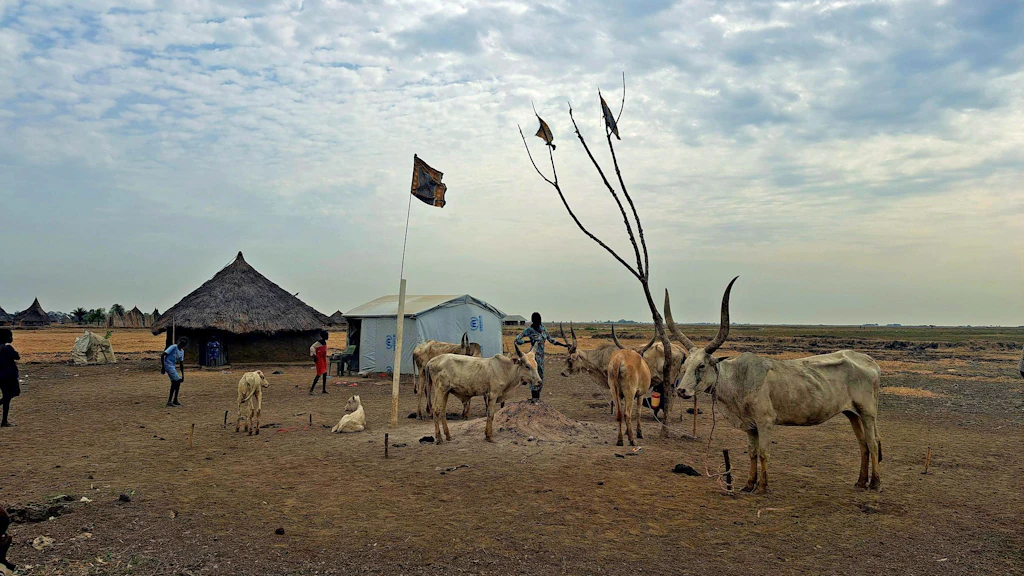
When working to protect the civilian population, Switzerland distributes humanitarian goods and services to assist communities impacted by armed conflict. In the DRC and Burundi, over two million people receive Swiss humanitarian aid.
Health and nutrition
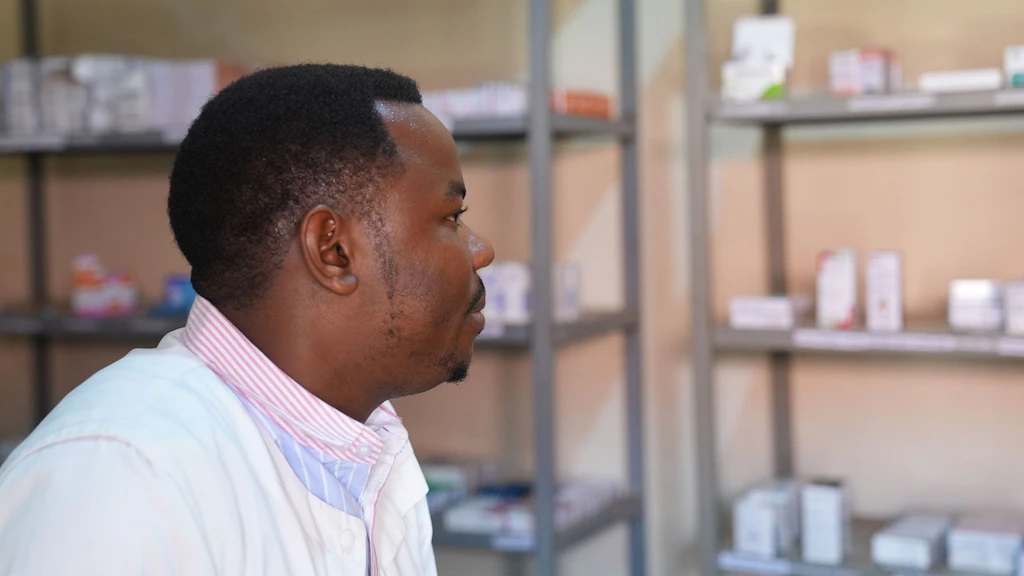
Maintaining access to quality healthcare services is crucial for ensuring the well-being of populations, reducing tensions between communities and promoting social cohesion. Switzerland promotes universal health coverage and quality primary and secondary healthcare. Alongside its work to improve reproductive, maternal and children’s health, Switzerland focuses in particular on the fight against chronic malnutrition. Concerning mental health, its work helps improve treatments for those affected and promotes efforts to deal with the past.
In parallel, Switzerland’s commitment to combating violence against women has – over four years – enabled care-taking services for 80,000 people and supported over 700 community groups working on this issue. Concerning public health, Switzerland’s humanitarian aid has been helping to meet the urgent needs of 700,000 people each year in the DRC.
Employment and economic development
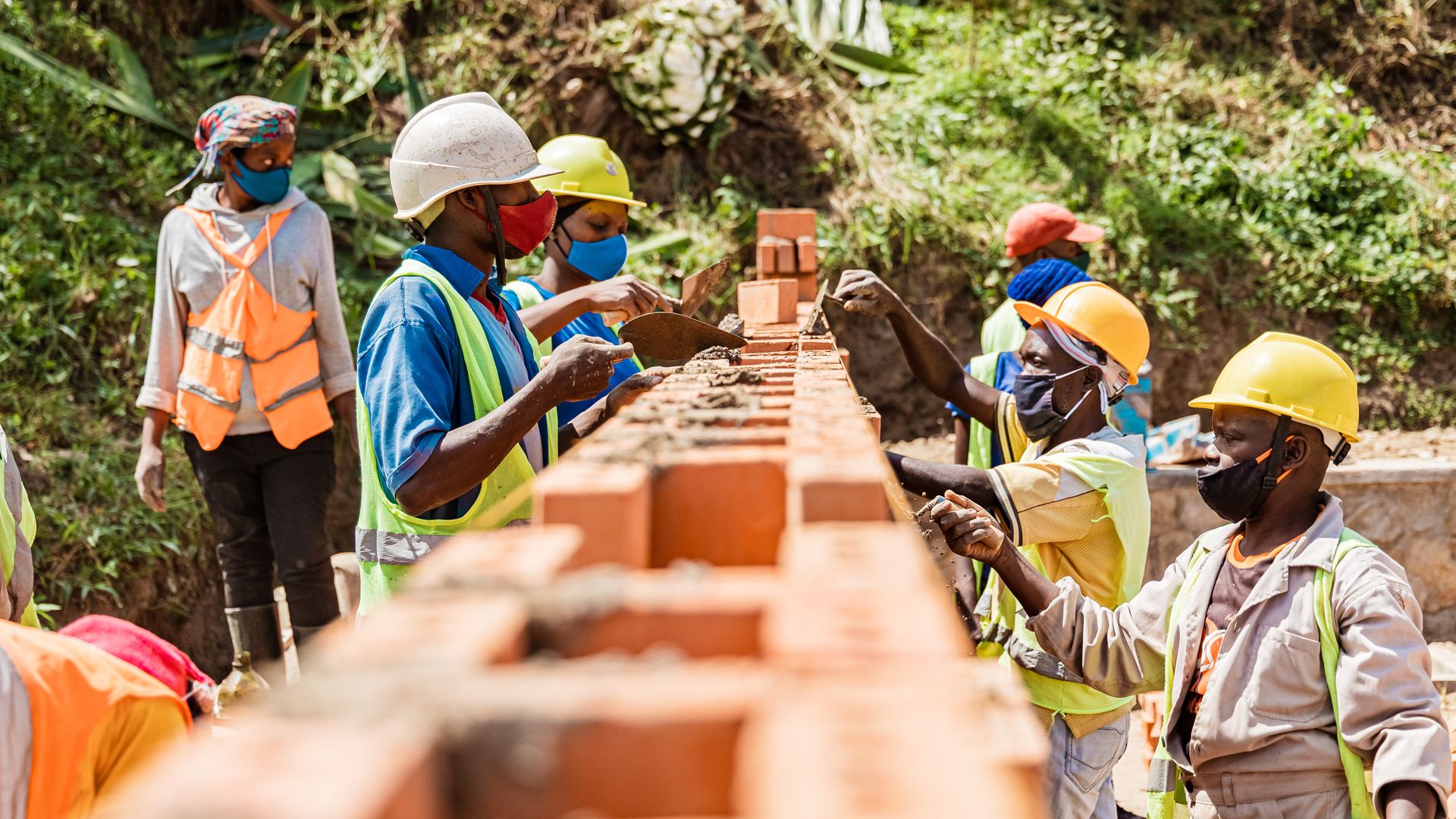
To promote employment and income opportunities, Switzerland is giving priority to high-quality vocational education and training in occupational sectors that are adapted to the needs of the market. It also focuses on promoting promising, forward-looking occupations and on strengthening partnerships between public and private actors. Switzerland helps the authorities to improve good governance in the concerned sectors and to explore new production methods. In rural areas, it focuses on the processing of building materials, a growing sector. These new technologies to manufacture affordable, CO2-neutral bricks have increased production from 24 to 53 million bricks per year. In four years, Switzerland has trained nearly 8,500 young people in various occupations. Responding to the COVID-19 crisis, Switzerland is helping to revive economic activity by strengthening the technical and financial capacities of small and medium-sized enterprises.
Transversal themes and other priorities
In order to reduce gender inequality, which remains pronounced in all three countries, Switzerland pays particular attention to gender within the framework of its commitments. It focuses on the fight against inequality in the labour market and on women’s inclusion in decision-making processes. In all its projects, it is also committed to the goal of increased dialogue and contact between public institutions and communities. In addition, Switzerland is helping to mitigate the impacts of climate change by reducing the direct and indirect greenhouse gas emissions caused by the construction materials value chain.
Approach and main partners
In the Great Lakes region, Switzerland uses the instruments of development cooperation, humanitarian aid and peace policy together to strengthen its activities’ coherence and deal more effectively with the region’s complex challenges. Switzerland’s objectives cannot be achieved without partnerships and coordination with the region’s countries and local actors – including the private sector – as well as with the other bilateral and multilateral donors and the multiple international organisations involved. Swiss cooperation activities are aligned with the objectives of the national development strategies of the region’s three countries.

Contact
Eichenweg 5
3003 Bern