
Multilateral cooperation
Addressing global challenges like poverty, climate change, health crises, armed conflicts and hunger requires coordinated efforts from the international community. Switzerland therefore advocates for a robust, effective multilateral system that establishes international standards, alleviates poverty and suffering, and promotes sustainable development and peace.
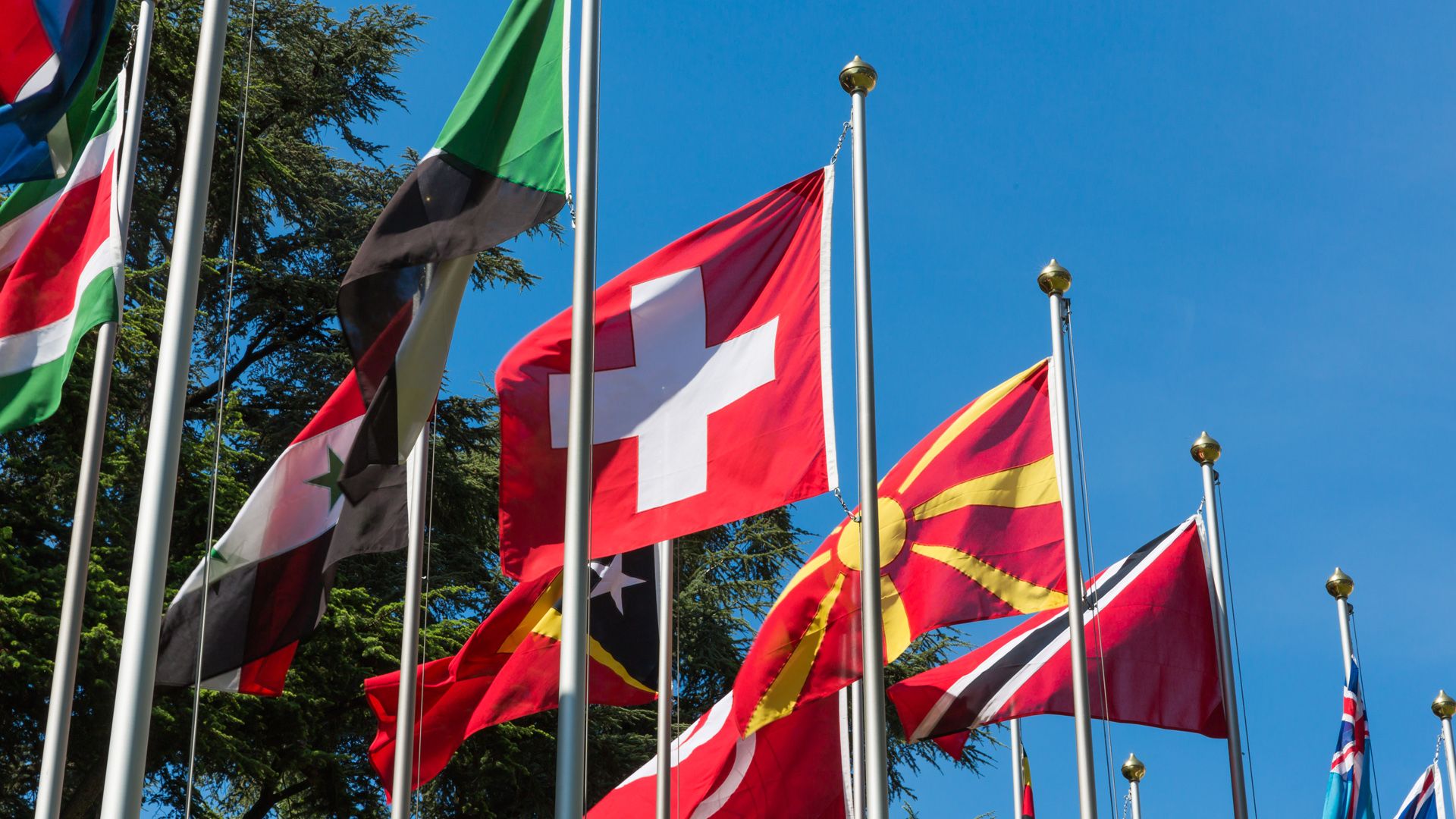
Alongside bilateral and thematic cooperation, multilateral engagement is a cornerstone of Swiss international cooperation. Switzerland supports multilateral actors such as UN agencies and development banks regionally and globally in development cooperation, humanitarian aid and peacebuilding. This approach enables Switzerland to effect positive change even in countries where it has no local presence and, as part of the international community, contribute to global solutions.
The SDC's mandate for multilateral cooperation is set out in the Foreign Policy Strategy and the International Cooperation Strategy, which are adopted by the Federal Council and Parliament. The SDC contributes to Switzerland's multilateral cooperation in four key areas:
Funding
Switzerland supports multilateral organisations in the implementation of their mandate with core contributions. Around 40% of SDC funds for multilateral cooperation are earmarked for this purpose. These focused contributions contribute to Switzerland's influence on the strategic decisions of the organisations. In addition, Switzerland supports specific programmes of multilateral organisations to implement the 2030 Agenda for Sustainable Development as part of its country programmes or thematic cooperation.
Technical support
Switzerland collaborates with multilateral partner organisations to strengthen international cooperation capacities. This includes financial support, joint research, knowledge exchange, and deploying experts from the Swiss Humanitarian Aid Unit and Swiss Expert Pool for Civilian Peacebuilding.
Policy dialogue
Switzerland's membership in the key multilateral organisations, participation in international forums, and financial contributions allow it to help shape global development agendas, propose innovative solutions, and act as a bridge-builder.It supports reforms for a more efficient multilateral system, especially at country level, promoting effective implementation of development goals locally, regionally and globally.
Access to qualified personnel
By placing highly qualified Swiss experts in multilateral organisations and fostering business partnerships with Swiss companies, Switzerland contributes vital technical and thematic expertise to multilateral cooperation. The FDFA offers young Swiss professionals valuable multilateral experience through expert secondments and programmes for Junior Professional Officers (JPOs) and United Nations Volunteers (UNVs).
The 2030 Agenda: the Sustainable Development Goals
On 25 September 2015, the 193 member states of the UN General Assembly adopted the 2030 Agenda for Sustainable Development (full title: Transforming our world: the 2030 Agenda for Sustainable Development). The agenda set out 17 new Sustainable Development Goals (SDGs) and 169 universal targets. Switzerland is a signatory to the 2030 Agenda and is committed to implementing the SDGs.
Contact
Eichenweg 5
3003 Bern