
Economy and education
The world is facing complex challenges and interlinked crises that have slowed progress in both economic development and education. In response, the SDC is deploying innovative solutions that promote inclusive, sustainable growth. By prioritising education, job creation, and private sector collaboration, the SDC is building resilient systems that support vulnerable communities.
Thematic context
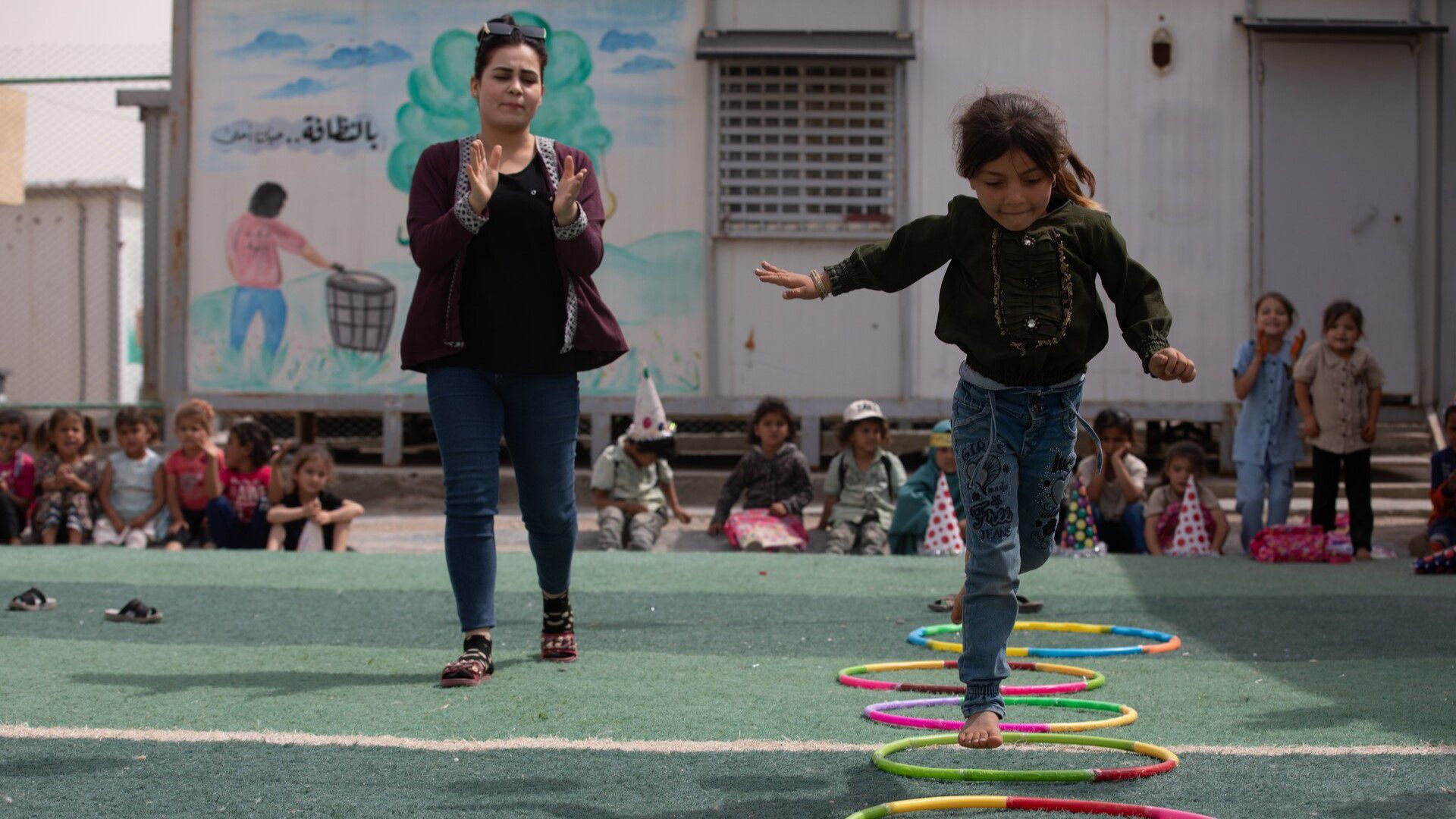
While global progress in prosperity and education has been remarkable over the past decades, recent disruptions have stalled progress – extreme poverty has risen for the first time in decades, with over 339 million people in need of humanitarian aid and more than 100 million displaced globally.
Education fosters social cohesion and economic inclusion. Connecting it to skills development empowers girls, women, and vulnerable groups, equipping them with the tools to become active members of society. In crises, education provides protection, supports trauma recovery, and creates income opportunities.
Sustainable economic development is vital to reduce poverty and foster stability, and promote inclusive growth. By strengthening local economies and promoting a dynamic private sector, the SDC helps drive innovation, generate income, and build resilience against global challenges.
Swiss expertise
Switzerland’s strengths in education and economic systems provide a unique foundation for innovative solutions to global challenges. Drawing on the decentralised and multilingual Swiss education system, especially its renowned dual Vocational Education and Training (VET) model, the SDC promotes seamless transitions between academic and vocational pathways. This system, which promotes active private sector engagement and expertise from institutions like the Swiss Federal Institute of Technology ETH, inspires effective education reforms worldwide. Additionally, the SDC leverages Switzerland’s leadership in inclusive market systems to drive sustainable growth. By fostering collaboration with the private sector, including Social Impact Enterprises (SIEs), and pioneering impact-linked finance models, the SDC connects financial resources to measurable development outcomes across Sustainable Development Goals (SDGs). Positioned within International Geneva, the SDC advances education in emergencies (EiE) through the Geneva Hub for EiE and innovative SDG financing solutions, with partners like Building Bridges.
Priorities
Education is key for advancing human development and, by adapting to the needs of a strong private sector, can foster job creation in developing countries. The SDC combines its expertise in education and particularly vocational skills development (VSD), private sector development (PSD) and financial sector development (FSD) to foster inclusive economic growth and development opportunities.
The SDC’s overall goal in the field of Economy and Education is to contribute to an inclusive, peaceful, and green development for people and planet. Thematic priorities include:
- Promoting inclusive and resilient vocational training systems;
- Delivering education, including VSD, in emergencies, linked to protection for displaced populations;
- Enabling the transition from education to employment and income through vocational training and entrepreneurship;
- Supporting small and medium enterprise (SME) growth and impact-oriented enterprise development, with a focus on sustainable and inclusive financial practices;
- Fostering innovative and inclusive impact financing mechanisms.
Sustainable economic development is a priority for the SDC, focusing on creating inclusive economic conditions and fostering a dynamic local private sector to generate decent jobs. Supporting SMEs, particularly SIEs, is key to achieving these goals. Private sector engagement (PSE) is a central SDC modality for fostering economic growth and financing sustainable development.
The SDC’s priorities include scaling its PSE model, including in innovative and impact financing, while strengthening the resilience of fragile regions and ensuring that education and economic systems are responsive to crises. By adopting a whole-of-government approach, the SDC leverages the expertise and networks of other federal offices to implement innovative solutions and cross-sector collaboration, thereby contributing to impactful, sustainable development globally.
Links
Stories
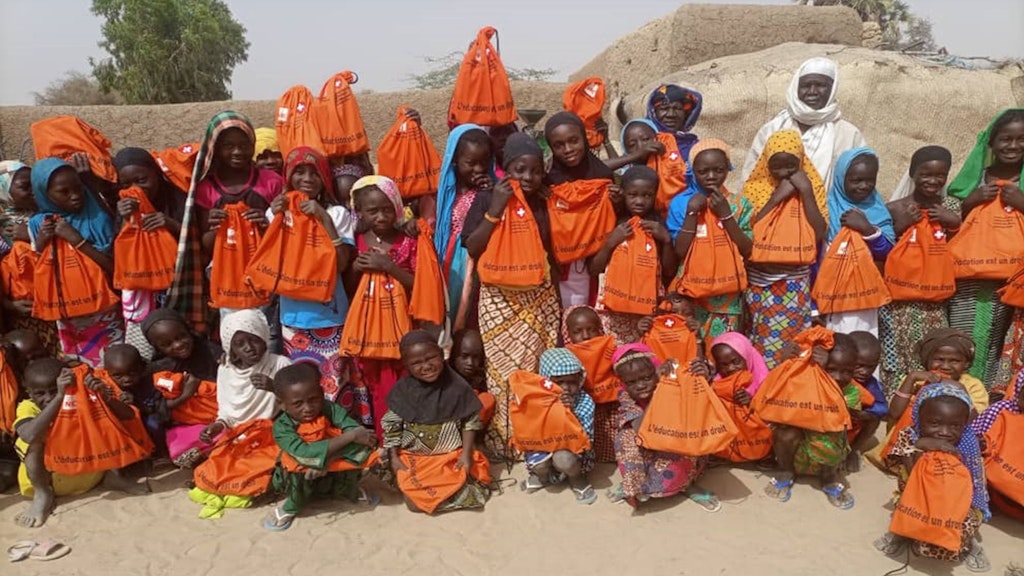
Mali: child protection and education in emergency
The crisis in Mali has deprived thousands of children of their right to education. The SDC supports a project on education and child protection.
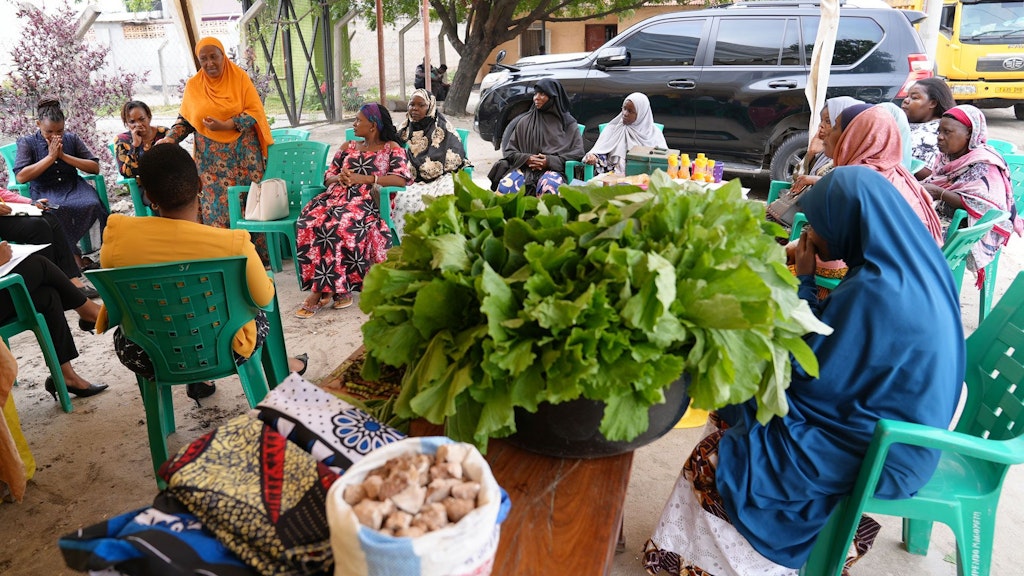
Tanzanian women’s small businesses are lifting them out of poverty
Despite its growing economy many Tanzanians remain in extreme poverty. Women and the youth are particularly vulnerable. The social insurance programme TASAF aims to bring people – particularly women – together for their economic empowerment. In Dar es Salaam two groups of women have bundled their energy and created sustainable small businesses. As a result, they have escaped extreme poverty and are able to stand on their own two feet.
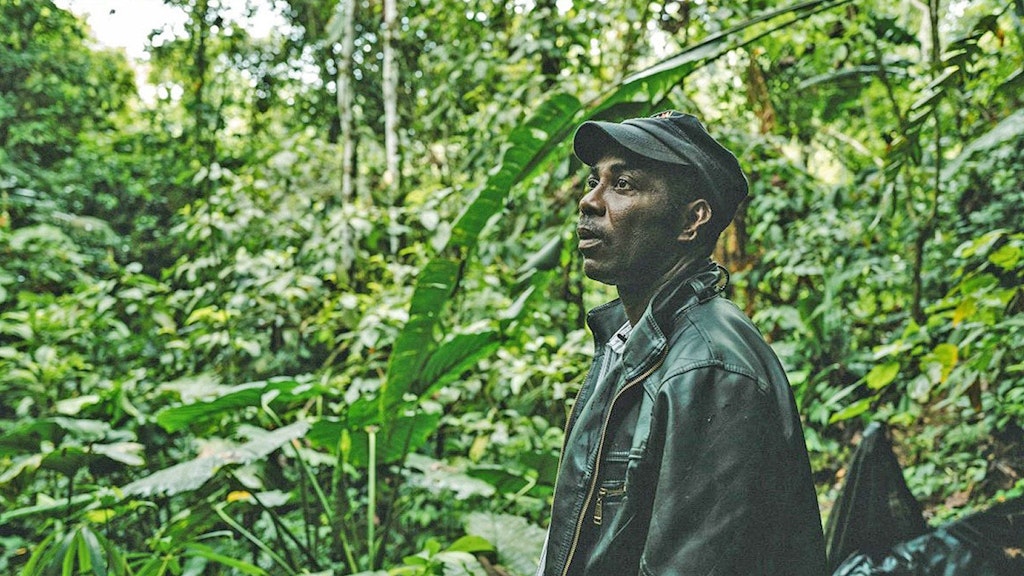
Harvesting Peace: producing chocolate with former FARC combatants
An Article about the Peace Dividend Initiative and it’s chocolate project in Colombia.

Engaging the Private Sector for Sustainable Development
A dynamic private sector is a key driver for reducing global poverty. In developing countries, the private sector generates nine out of ten jobs.
Contact
Eichenweg 5
3003 Bern