
Nepal
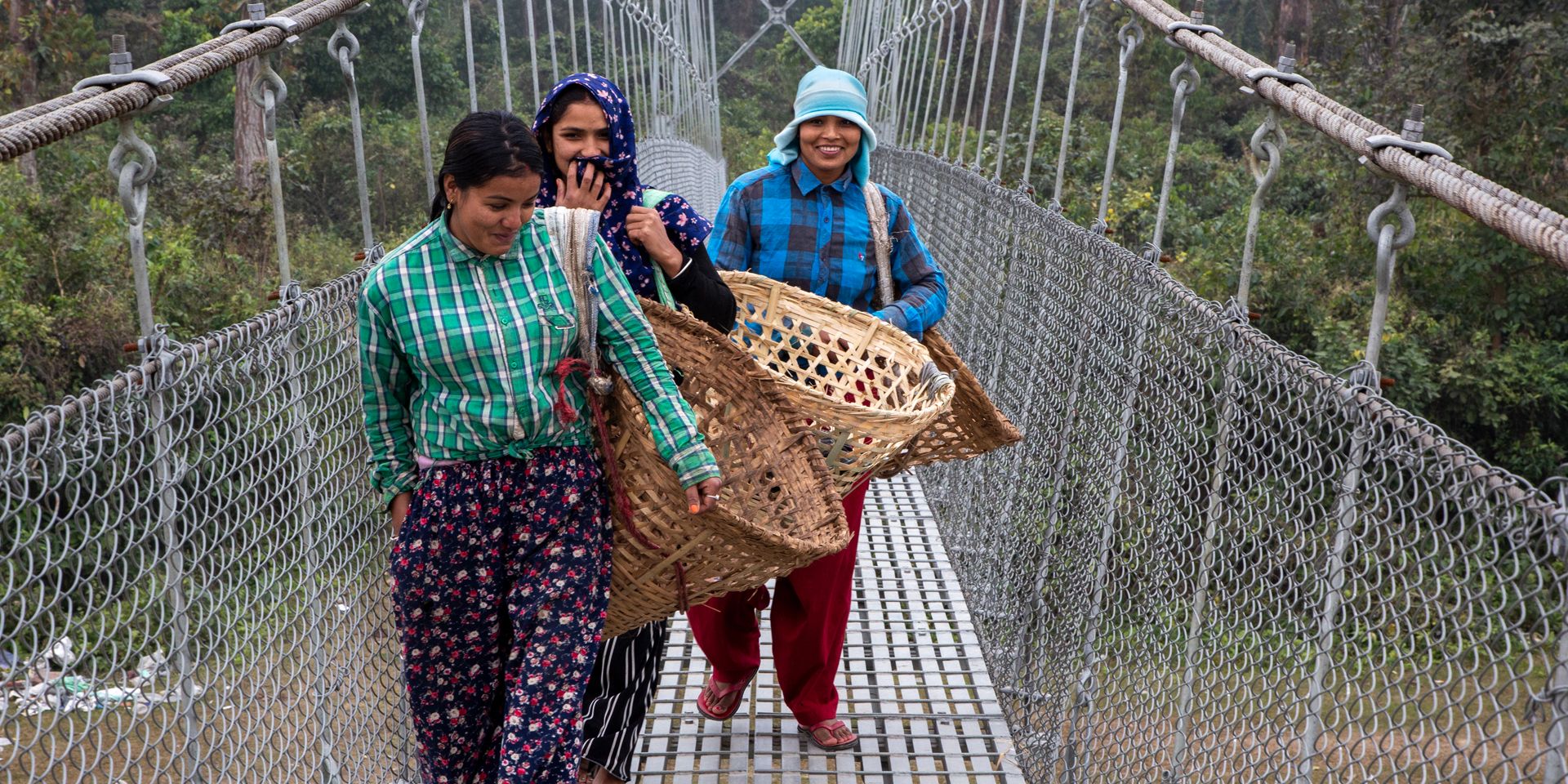
Switzerland is supporting the development of the new federal state in Nepal. It is working to strengthen democratic institutions and improve public services and the business environment. It also promotes gender equality, social inclusion and climate change adaptation and mitigation. Switzerland’s activities are concentrated in Koshi province in the easternmost part of Nepal.
Context Nepal
Nepal adopted a new federal constitution in 2015. The introduction of this system presents a historic opportunity for advancing inclusive development. However, there are challenges in establishing a federal structure and political culture that are people-centred.
Despite setbacks such as earthquakes and the pandemic, Nepal has been able to develop economically and reduce poverty. Labour migration has played an important role. Nepal was also able to expand its trade relations, implement important economic reforms and is likely to exit the category of least developed countries in 2026. Inclusive and sustainable economic growth are crucial for peace and stability.
Establishing a federal state
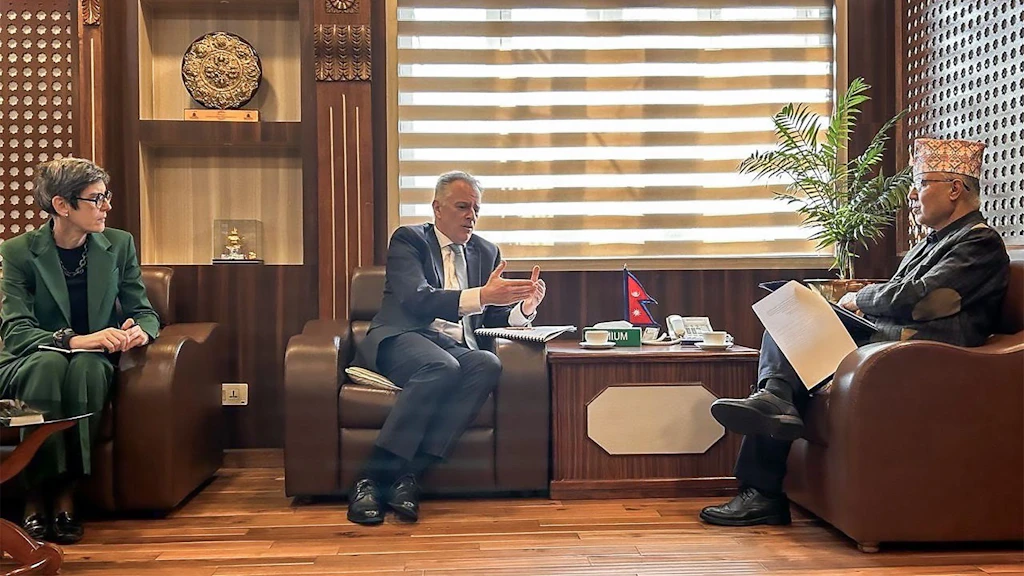
Nepal’s federal system is similar to the Swiss one. Switzerland is consequently in a position to share its experiences in setting up federal structures. It advises provincial and local governments on drafting laws and guidelines and also on capacity building. The objective is to ensure that Nepal is able to deliver high-quality, inclusive services to its people.
Switzerland is also supporting the peace process following the civil war (1996 to 2006). It is encouraging political parties to take part in the transitional justice process for reconciliation with the past. Nepal should take the lead in this process, which must focus on the victims of the conflict.
Economy and employment
The SDC supports the creation of an enabling environment for inclusive and sustainable economic growth at all three levels of government (central, provincial and local). This allows Switzerland to share its expertise and technology in various fields, such as promoting small and medium-sized enterprises (SMEs), vocational training, agriculture and infrastructure. It also offers innovative financing solutions for mobilising private capital.
In 2016, a landmark project was launched to introduce a dual vocational training system in Nepal. The project is being progressively scaled up in close cooperation with the government. It provides companies with a skilled workforce while improving employment opportunities and incomes for Nepalese workers.
Migration
Switzerland advises Nepalese government agencies at the federal, provincial and local level and helps to clarify their roles and responsibilities with regard to migration. It also supports the development of professional services for migrant workers and victims of gender-based violence, including: awareness and training, psychosocial counselling, access to financial and business services and access to justice.
Switzerland advocates for the sustainable economic and social reintegration of returning migrant workers. Such workers often bring back valuable knowledge and skills, which open up avenues for employment and income generation and contribute to the growth of the local economy. Reintegration also helps to avoid repeated cycles of migration.
Approach and main partners
The overarching objectives of all Swiss activities in Nepal are gender equality, social inclusion and climate action. The projects are aligned with the priorities of the Nepalese government and are implemented jointly with government agencies at all three levels. Switzerland employs various cooperation modalities and works closely with other development partners and sectoral working groups to achieve the goals of the cooperation programme and strengthen the system in Nepal.
Switzerland’s main partners in Nepal are:
- National partners: ministries, urban and municipal bodies, social and professional organisations, private sector and local non-governmental organisations (NGOs);
- Swiss NGOs: Helvetas and Swisscontact;
- Swiss private sector: PINI Group SA;
- Foreign private sector: DAI Global UK Ltd. and Nathan Associates London Ltd.;
- Bilateral and multilateral partners: the World Bank (WB), Asian Development Bank (ADB), different United Nations (UN) organisations, such as the United Nations Capital Development Fund (UNCDF), International Labour Organisation (ILO) and the United Nations Population Fund (UNFPA).
Links
Documents



Contact
Eichenweg 5
3003 Bern